
Translated material
Progressism as a policy of the future. What is the main problem of Navalny's movement?
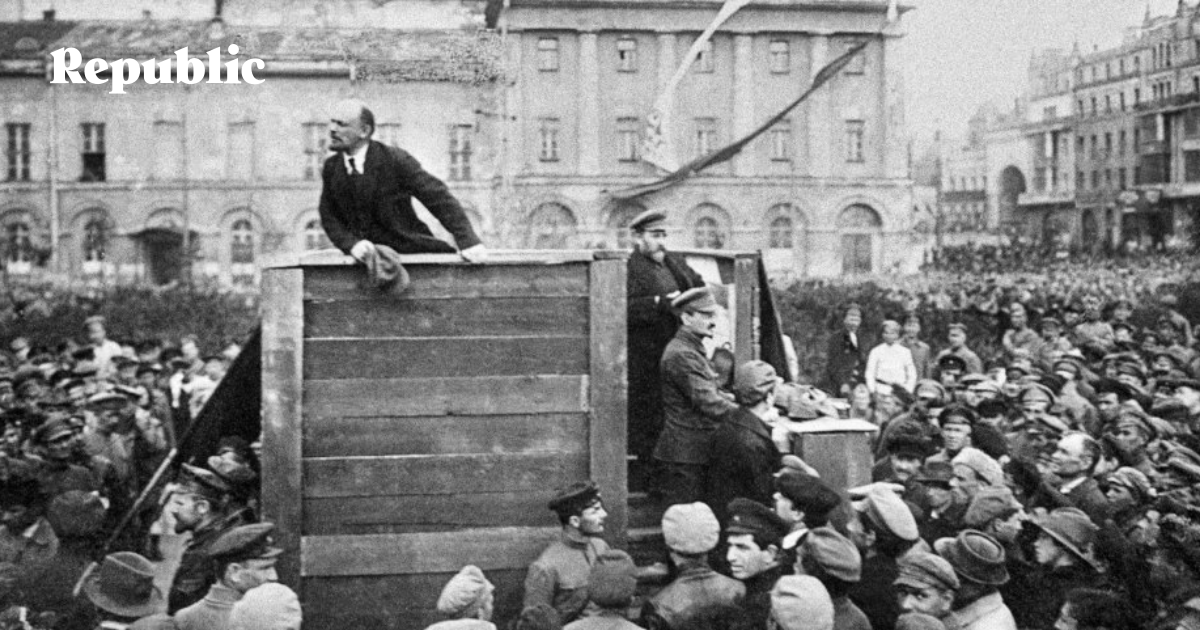
The main social function of historians is not to clarify the dates of great battles at all, but to give contemporaries new directions for thought (“possibilities of presentation”). Discussion of the events helps to comprehend social reality. It is this effect that is transmitted by the meme "What, so could it be?" The public duty of a professional historian consists in representing new ways of "how else it was possible." Because history is never repeated and never teaches anyone, it is completely useless to look for “precedents” and “omen” in it, something unprecedented will still come out. People adapt to their circumstances new “possibilities of representing” completely regardless of specific historical plots that the historian analyzed. Therefore, the future is different from the past.
However, this mechanism works in the opposite direction: if people, on the contrary, adapt their circumstances and social imagination to certain historical patterns and stereotypes, their ability to create a new life is blocked. “Historical heritage” - that is, the past actualized today - is not “transmitted from”, but “selected from” modern entrepreneurs from culture. In other words, history begins to directly affect the future only as a result of a self -explosive prophecy of modern cultural authority. This can be a mistaken and simply fantastic idea of history - but it is precisely it that begins to come true (“actualized”) if a belief in the cyclicity of history or faith depends on the “heritage” in society. Then the future really begins to resemble the past and leads to a dead end - not from the fact that there are scientific laws of history or the mystical fate of the country or people, but because the old ways of social imagination gain the top. And if the historian begins to find out in this emerging modern picture of the world the familiar features of the past - this is the right reason for concern. This means that the learned past (as learned helplessness) constrains the imagination of people and cuts off the path to a truly unprecedented future.
Achievement and problem of Alexei Navalny
From the point of view of the historian, the main threat to the “beautiful Russia of the future” (PRB) proceeds from the reluctance to think of it outside the familiar historical precedents and even, in the end, outside the Putin’s Russian Federation.
Subscribe to read the whole
Make a subscription Redefine.media to read Republic
Subscribe [you can pay for a Russian or foreign card. The subscription is extended automatically. You can unsubscribe at any time.]
Where are the money subscribers going