
Translated material
Ex-convict creates prisoners’ rights group denying prison torture, and sues human rights activist Olga Romanova for two million rubles
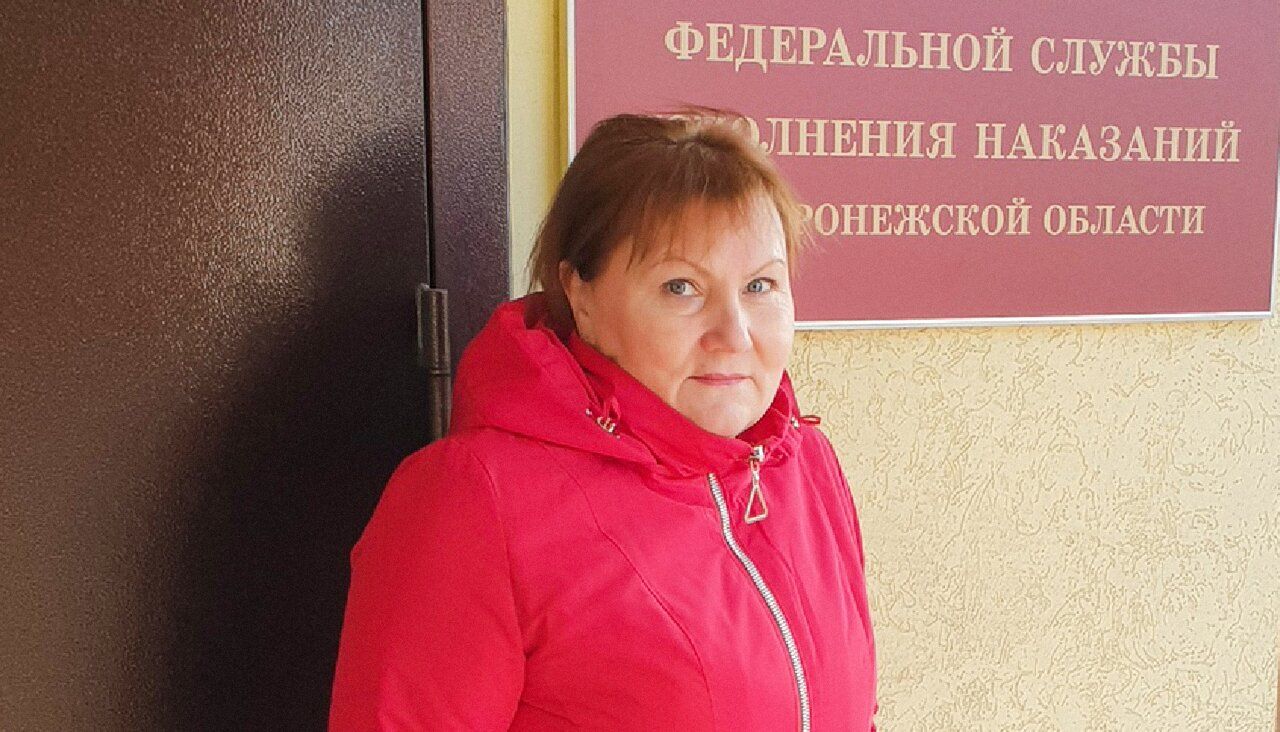
Olga Romanova is the leader of Rus’ Sidyashchaya (“Rus’ Imprisoned”), and Lev Ponomarev leads a movement called Za Prava Cheloveka (“For Human Rights”). Both organizations aim to defend human rights in Russia, especially for those imprisoned in the country. On January 10, Inga Krivitskaya’s lawsuit against them was heard in Moscow’s Khoroshevsky Court. Krivitskaya, who was formerly imprisoned in an IK-2 prison colony in the Russian Republic of Mordavia, has accused Romanova and Ponomarev of defamation and is demanding two million rubles in compensation. Krivitskaya claims that the two activists spread false information about her by reporting that she “colluded with the prison’s administration, took part in beatings of imprisoned women, and took packages away from their recipients.” The former prisoner denies all of these claims and says nobody was tortured in the colony where she was held. She has also created her own organization to provide aid to prisoners, but its name is the same as that of Romanova’s group.
Inga Krivitskaya spent 16 years in a Mordovian prison colony. She turned to human rights activists for help but claims they demanded money in return
Krivitskaya spent 16 years and two months in prison and says she received the sentence for a “domestic spat.” In 2014, she was released and, as she told Meduza, turned to Lev Ponomarev’s organization, the movement For Human Rights, for help.
“I was like a snowman. I didn’t know what a telephone was, what the Internet was, I hadn’t seen [the Russian Federation’s] money—when I was imprisoned, there were still million-ruble bills, and I had a Soviet passport,” Krivitskaya said. She also wanted to regain rights to real estate that she had lost over the years she spent in prison. According to Krivitskaya, she did not receive any help from human rights activists with her documents or with access to her home: “They said they would need money for that, and I didn’t have any back then.”
Lev Ponomarev, the national acting director of For Human Rights, told Meduza that he had not heard of Krivitskaya until the summer of 2017 and that he did not remember her requesting help from him. “We receive many letters, but we have a small staff,” he explained.
Ex-convicts have said Krivitskaya helped torture them. She has denied their claims but attempted to stop a press conference where they were mentioned
According to Ponomarev, it was in 2017 that his organization’s staff began working at the women’s prison colony in Mordavia where Krivitskaya was held. “After a complaint submitted by one of the women imprisoned there, one of our attorneys arrived at the colony and discovered monstrous human rights violations,” Ponomarev said. In the summer of 2017, For Human Rights organized a press conference and invited both the press and women who had previously been imprisoned in the colony.
Inga Krivitskaya claims that she also received a call with an invitation to participate in the press conference. “It’s very unlikely that I invited her personally,” Ponomarev said. “But I have an open position on this: if a prisoner writes to me and says that he was in that prison and he has something to say about it, I won’t get in his way.” According to the activist, Krivitskaya arrived at the press conference along with a camera crew from REN-TV, interrupted the event’s main speakers by shouting that they were telling lies, and demanded that she be allowed to speak. “I said that this is my press conference, I’m the boss here, and I’m not going to give her the right to speak. It was clear that this was a premeditated attempt to stop the press conference,” Ponomarev said.
He also reported that during the event, former prisoners from the Mordavian colony told him that Krivitskaya had been a brigadier who had participated in attacks on prisoners as “part of the system of violence against women” in the prison. “It’s a standard practice: brigadiers are usually activists of sorts, and they receive managerial authority over other prisoners,” Ponomarev explained.
“I was not a fiend, and I am still not a fiend,” Krivitskaya argued. “I turned to him for help, and instead, they turned me into a fiend.” She said Ponomarev tried to “shut [her] up” in a way that insulted her and that he behaved inappropriately during the press conference. Krivitskaya said neither she nor “the other girls” experienced torture in the prison colony. “I don’t know what’s going on there now or what’s going to happen there in the future, but when I was serving my sentence, there was no torture whatsoever,” she told Meduza.
Krivitskaya has founded her own organization to aid prisoners and called it “Rus’ Imprisoned.” Human rights activists say “Federal Penitentiary Service operatives” are behind the effort
In September 2018, Inga Krivitskaya founded her own Rus’ Imprisoned. She said she did not know that another organization with the same name had already existed in Russia for ten years.
Krivitskaya claimed that her ex-husband had given her the funds necessary for the organization’s founding. The group was created to help current and former prisoners, and its founding documents state that it can offer legal help, human rights protections, and even material aid. “Once, some girls who were drug addicts, also former prisoners, came to me. They want to get better, but no one is taking them in. I’m working on their case now,” Krivitskaya said. “There was also a girl with a baby—she needed clothes and dishes. And we’re also trying to put her kid in preschool now so that she can go to work and start making money.”
The other Rus’ Imprisoned that offers aid to current and former Russian convicts was founded ten years ago by the journalist Olga Romanova. Romanova wrote on Facebook that “Federal Penitentiary Service operatives” had helped register Krivitskaya’s new group. “We don’t give a damn what kind of scammers decide to mess with us—we’ve been through this a hundred times,” Romanova wrote. “Now these Federal Penitentiary Service operatives have decided to mess with us, and regardless of how long they can keep at it, we have work to do,” she added.
Krivitskaya said she decided to sue Ponomarev and Romanova for two million rubles when she calculated the amount of money she had spent on her own health care. She said her health had deteriorated rapidly since her release. Krivitskaya also asserted that her husband had left her after three years of cohabitation because “he started getting persecuted too.” Now, she said, she wants to prove to her ex-husband that she did not take part in torturing prisoners and that she did not work with prison administrators “so he can also be ashamed that he believed them.”
In his interview with Meduza, Lev Ponomarev called Krivitskaya “someone who’s been used” and said she is working “for the system.” “They’ve used her before, and they’re using her now. She is a part of a broader group of people working against the For Human Rights movement, against [Olga Romanova’s] foundation for the rights of people in prison, and against me personally,” the activist concluded.
Krivitskaya’s lawsuit against the human rights advocates will continue on January 25.
Sasha Sulim
Translation by Hilah Kohen