
Translated material
Stories of others
10 Non-fiction books of 2018 according to Kirill Martynov

Three years ago, world publishers were captured by stories about new technologies, blockchain and artificial intelligence. Against this background, the star of Juval Harari, who replaced Nassim Taleb in the role of the “main explanel”, ascended. In 2017, the whole world, except, seems to be Russia itself, discussed Russian history. About the centenary of the revolution was written even by the cult author of “strange fantasy” China Meville. 2018 in this sequence looks like a year when the world learns to listen to the stories of others. Through numerous translated and few books written in Russian, Russia is eavesdropping.
1. Aleksey Zhuravsky. "Introduction to Islam." Rosebud Publishing
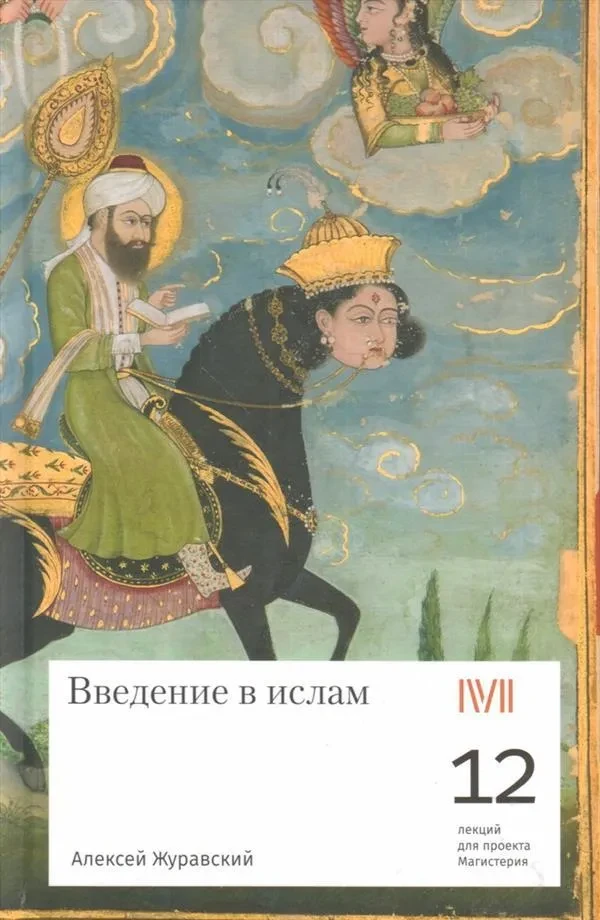
At the very end of the year, the independent publishing house Rosebud, which previously mainly published books about cinema, has released a selection of lectures of one of the central in modern Russia, Islam specialists. Popular lectures of Zhuravsky are unique in a combination of conciseness and depth, and in addition, rarely found outside the strictly academic world attitude to the matter. Zhuravsky, of course, is not Islamophobes, he sees all the complexity and beauty of his subject, but also retains a research distance against him. We talk a lot about Islam, but we know almost nothing about him - a book begins with this thesis. Of particular amazing, our dislike, taking into account the status of Islam as a second denomination in modern Russia. In any European country with such an ethno -confessional picture as ours, all bookstores would be forced by monographs on the subject.
2. Mikhail Zakharin. "Sentenced to life." B.S.G.-Press
The first impression of the book of Zakharin: before you is literary mystification. A person with a similar biography will not write a 500-page manuscript, scrupulously fixing the details of the circles of personal hell. But unfortunately, the book is documentary, and the described in it closes the tradition of Russian prison prose from Dostoevsky and Shalamov to the late Soviet dissidents and, possibly, Andrei Rubanov. Closes and begins it again, as if everything was written was not enough to explain what was happening in the Russian prison now. Zakharin was 27 years old, when he received a life sentence for (unproven?) Crimes in Irkutsk. His further fate is most reminiscent of the arrangement of the soul in the limb: an endless torment, specially arranged so that there is no way out of it, including death. Like Zhuravsky lectures, this is the story of others, which we until recently tried not to notice. What to say about the society that built a limb inside itself, and then turned away from it?
3. Ivan Krastev. “The experimental homeland. Conversation with Gleb Pavlovsky. ” Europe
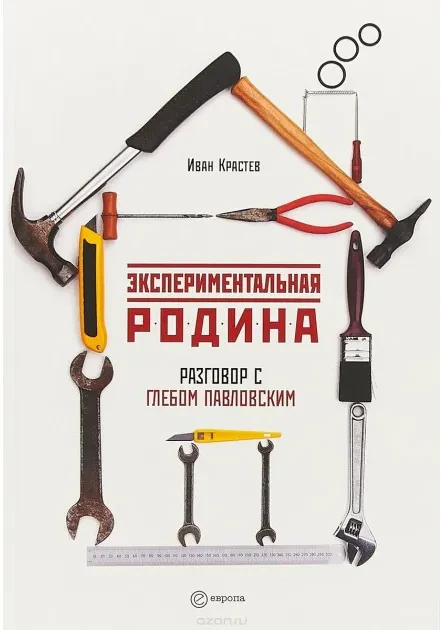
After 2011, Pavlovsky is a super -war of the media as a specialist in the identification of Koshcheev eggs. It is assumed that he once developed the design of the latter, and therefore probably knows better than the rest where to look. Before, Pavlovsky, like other characters of Diogenes of Laerte, did not write books, but has been actively printed lately. A few years ago, his “brilliant power” came out, then a collection of dialogues with Professor Alexander Filippov, and already in 2018 the “Irony Empire”. The difference between the “experimental homeland”, the only author of which is the Bulgarian Kremlinologist Ivan Krastev, is that here the subject of the conversation is not the political system of Russia, but the biography of Pavlovsky himself. This is interesting for a very definite reason: this is a story about what happens when the intelligentsia, or rather, its specific representative, comes to power. A unique case for our experimental homeland, a stranger in the Kremlin.
4. Dzhan McGonigal. "Reality is in question." Ivanov, Mann and Ferber
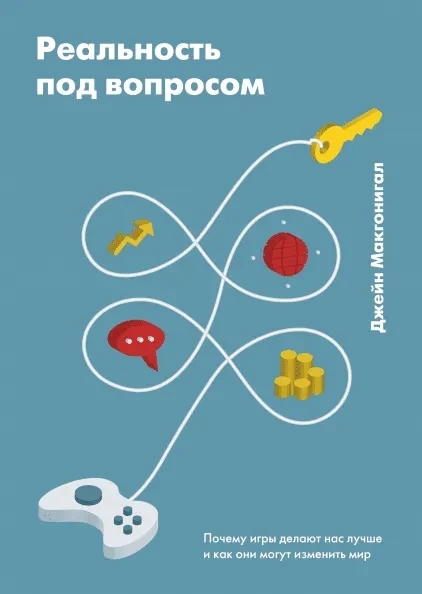
The publication of the developer and theorist of the video game Jane McGonigal, who became perhaps the main apology of gaming as a social phenomenon in the world, was almost unnoticed in Russia. McGonigal leaves the stamps about the fact that games teach children or adults to violence (studies confirming this thesis, no, despite 30 years of interest in the topic from social psychologists). And he tells the other side of the story: about how games are taught to believe in themselves, to overcome difficulties and coordinate their actions with a potentially unlimited number of people. According to McGonal, games, at least made by developers who love their job, are able to reveal the best in human nature and change the world. The other in this case, of course, is a gamer who "sits behind his drawer again." The video game industry, by the way, gradually creates an interested and serious reader. Already a few years ago, the historical study of Tristan Donovan Replay (in the Russian translation of “play”) was published in Russian, and last year Jason Schreyer “blood, sweat and pixel”.
5. Ray monk. “Ludwig Wittgenstein. The debt of genius. " Case
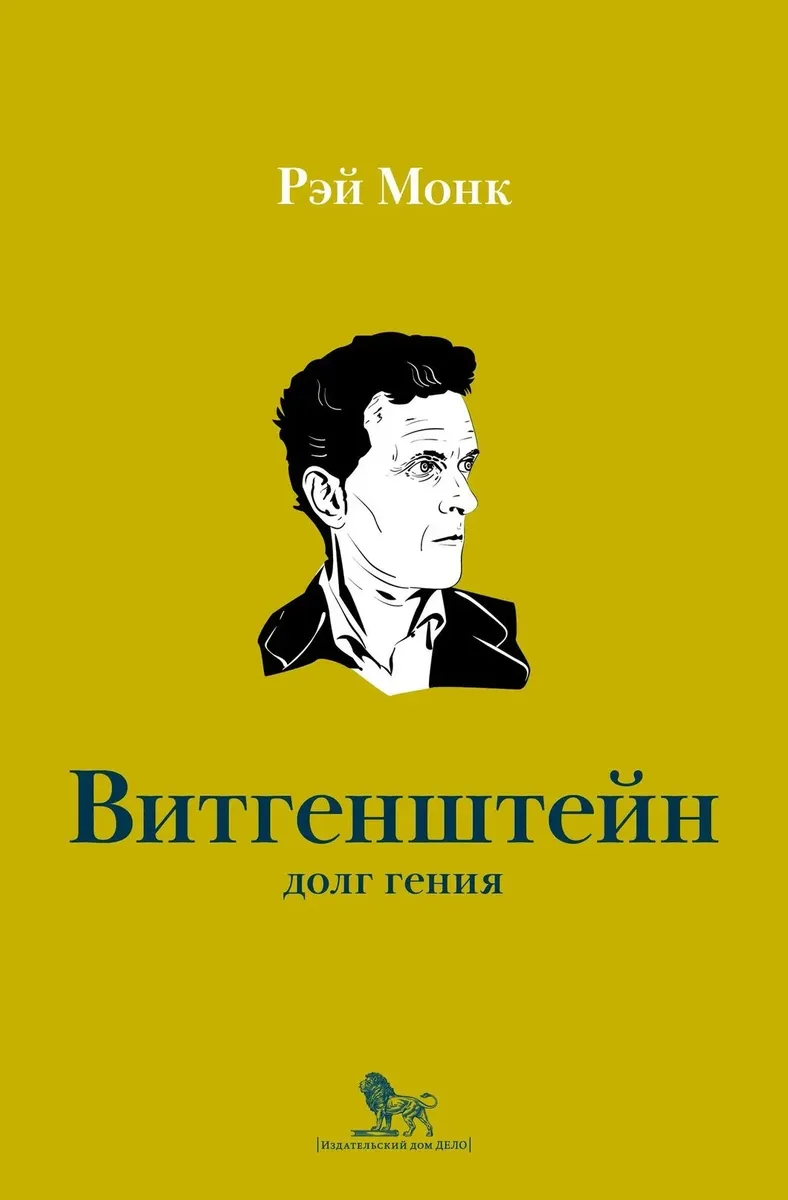
The biography of the key to understanding the 20th century and the current intellectual situation of the philosopher. Wittgenstein was an amateur, but one who twice changed the rules of the game for professionals, and ultimately became the author of the modern Western style of thinking. At least what flourishes at American and English universities. In short, this style comes down to the fact that the language matters. It is important not only what you say, but also how you do it. The key factor is the meaningfulness of your terms, so thinking means first agree on the use of words. Wittgenstein was the most vivid star of early analytical philosophy, which now granted the roots everywhere, from law to gender theory. To see how it works, it is enough to open the popular and available in the public domain of the Stanford encyclopedia of philosophy, most articles of which look like a list of arguments. Ray Monk wrote a fundamental text in which he traced the intellectual fate of Wittgenstein. Biography as a key to theory is today relevant again.
6. Ivan Shishkin. "Under the apron." Individual press
The most popular culinary book of 2018 from the Moscow restaurateur Shishkin can be read as a collection of recipes, but it is more profitable to see it in another register. In Moscow, several years ago there was a culinary revolution, which, for example, suggests that the cafe no longer advertise themselves with a slogan “tasty at home”. In self-respecting restaurants and on fashionable food courts, it should be tastier by definition, because here are prepared by professionals selling gastronomic experience. The problem, however, is that all this revolutionary activity is not worth any story. Of the Soviet canteens and poor domestic soups, the inhabitants of large Russian cities stepped directly to the burger and phoo. How to talk about food, if the Imperial canon of “Books on Delicious and Healthy Food” remained in the past with the Stalinist skyscrapers, and the formats of culinary show on TV stereotypes and fresh ones? At one time, the answer to this question was searched for by the magazine "Poster", now Shishkin writes in normal Russian about food.
7. Massimo Piliucci. "How to be Stoic." Alpina non-fiction
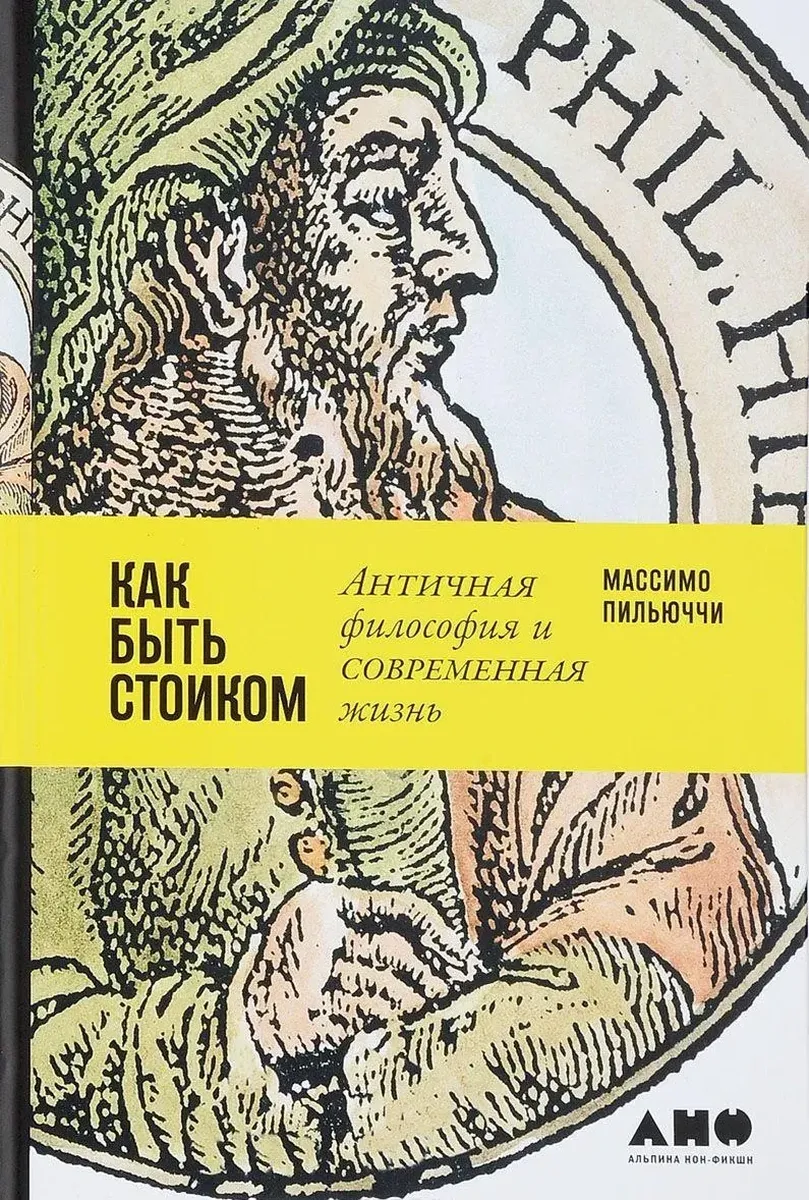
The release of the book of the Italian popularizer is fixed by the accomplished fact: following Europe and the rest of the world in Russia, a steady interest in the secular ethical worldview appeared, which is associated with the teachings of the Roman Stoics. Senece, Marcus Aurelius and Epicte, dress in modern business suits and send them to a world filled with uncertainty and stress. It turns out that, for example, the emperor had exactly the same problems as modern people, and that his advice on applied ethics, the purpose of which is a happy life, are quite compatible with a scientific worldview. After Piliucci on the approach, the Russian translation of the book of modern Stoic William Irvin "Guide to a good life." And the whole movement of the new Stoics becomes the property of the broad masses, which, for example, turn it-and this is truly funny-into a sexist argument about the superiority of men. Like, only a white heterosexual man can control his emotions. Donna Tsuckerberg, sister Mark, wrote about this phenomenon of the secretary-readers special book Not All Dead White Men (“Not all white dead men are like that”).
8. Mikhail Krom. "Birth of the state." New literary review
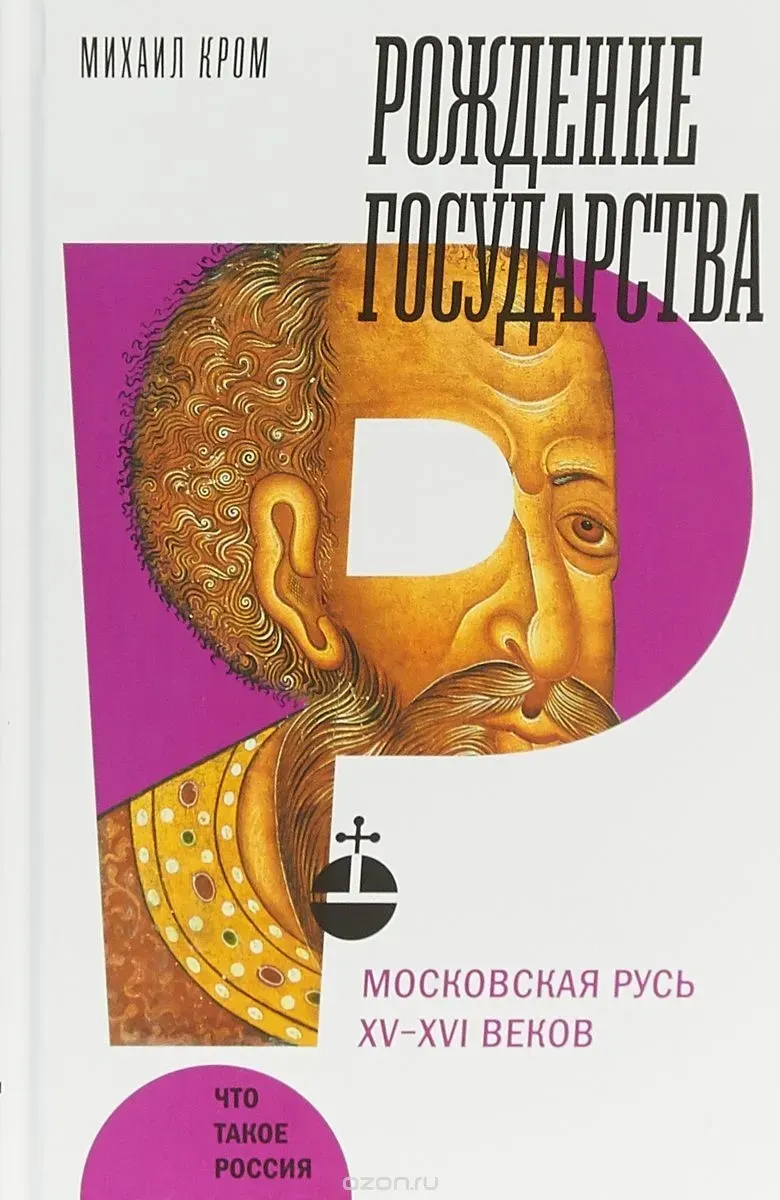
The most interesting book in the new popular series of UFOs talks about the formation of the Moscow state in the XV - XVI centuries - an era, which is described in textbooks through the "collecting of Russian lands." The researcher’s interest is primarily connected with the birth of a bureaucratic state of the New Age in Moscow, comparable to Western analogues or, less obvious, the Ottoman Empire. Looking at Russian history from this perspective, the chrome destroys the majority of “well -known facts”, for example, the idea of the backwardness of Moscow of that time in comparison with the neighbors or explanation of the actions of the descendants of Dmitry Donskoy in the logic of “collecting land”. A striking, but the edge finds a republican tradition in the Russian XVI century, where the “sovereign and zemstvo business”, and at that moment the term, becomes an analogue of the common good.
9. Uylyam Makaskill. "The mind is good." Corpus
A small book of ethics specialist from Oxford explains a simple, but conventive thing, especially for the Russian public. It’s not enough just to do good deeds, you still need to strive to make them effectively. The breadth of the soul and high empathy is wonderful, but it would be nice to trace how exactly the ruble was spent, which you donated to charity. And to understand whether it was possible to spend it so that he would benefit. A sort of Fordism in the field of charity is now actively discussed in the world, and the theoretical leader of the movement is the famous Australian philosopher Peter Singer, whose book about the charity “Life that you can save” published the Foundation “Needing”. In the discussion about “effective altruism” the most important idea is connected, it seems, with the normalization of charity. Help those who need it is the same thing natural for a modern person as a morning cup of coffee.
10. Shon Baytell. "The diary of the book trader." ABC
Together with the departure from the paper book scene, as the only carrier of information, bookstores become the subject of interest of anthropologists. Why do people come to such strange places? And what can be said about their owners? The Scottish book -seller Baytell became famous that he once shot his “Kindl”, an e -book read from a gun, and then hung it over the counter. Pure water partisan, supported by Umberto Eco, who reasoned: once all electronic devices will refuse, and then we will read books. The problem of bookstores is developed by Jorge Carrion in his book of the same name, which also published last year.