
Translated material
The will of the Avengers
People from Nakam were going to punish the German people, poisoning water. But 6 million killed Germans would not have returned 6 million Jews to the life. Then why kill?
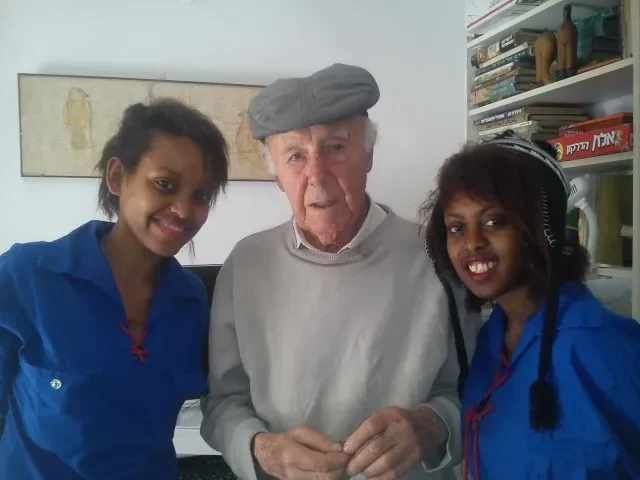
At the very end of last year, December 22, at the age of 94, Simha Ratayzer-Broema died, the last surviving person who participated in the uprising in the Warsaw ghetto. Then, in May 1943, he was fifteen, he was armed with a pistol and was connected, who knew all the courtyards, moves, lazes, bunkers and sewer channels in the ghetto area. He also knew the head of the uprising, the twenty -four -year -old Mordechai Anlevich, who committed suicide in the team bunker on the last day of battles, so as not to give up to the Germans. A fifteen -year -old teenager with a pistol in underground passages penetrated the ghetto and after the uprising was suppressed in order to try to withdraw from there those who were still alive. He brought thirty people, but did not wait for the rest at the shifted lid of the sewer hatch, because it was deadly to wait.
All this and much more about the ghetto and the uprising of Simha Ratayzer-river told in several interviews. He told how the Germans in Class before his eyes killed a Jew who went beyond the territory of the ghetto, and this was the first person who was killed before his eyes.
Then he saw many times how they kill.
He spoke about the strange sense of delight that the fighters of the Jewish combat organization did when the fighters did when they saw German troops, hundreds and thousands of Wehrmacht soldiers, machine guns and tanks from the windows and through the loopholes of the bunkers. Then he took part in the Warsaw Uprising of 1944, and already in 1946 he fought as part of the Hagans in Palestine. All this is well known about the Simha Ratheiser-Remem and all this is said in articles about him and in his necrologists, but there is also something that is known much less and silently remains behind the scenes: he was a member of Nakam.
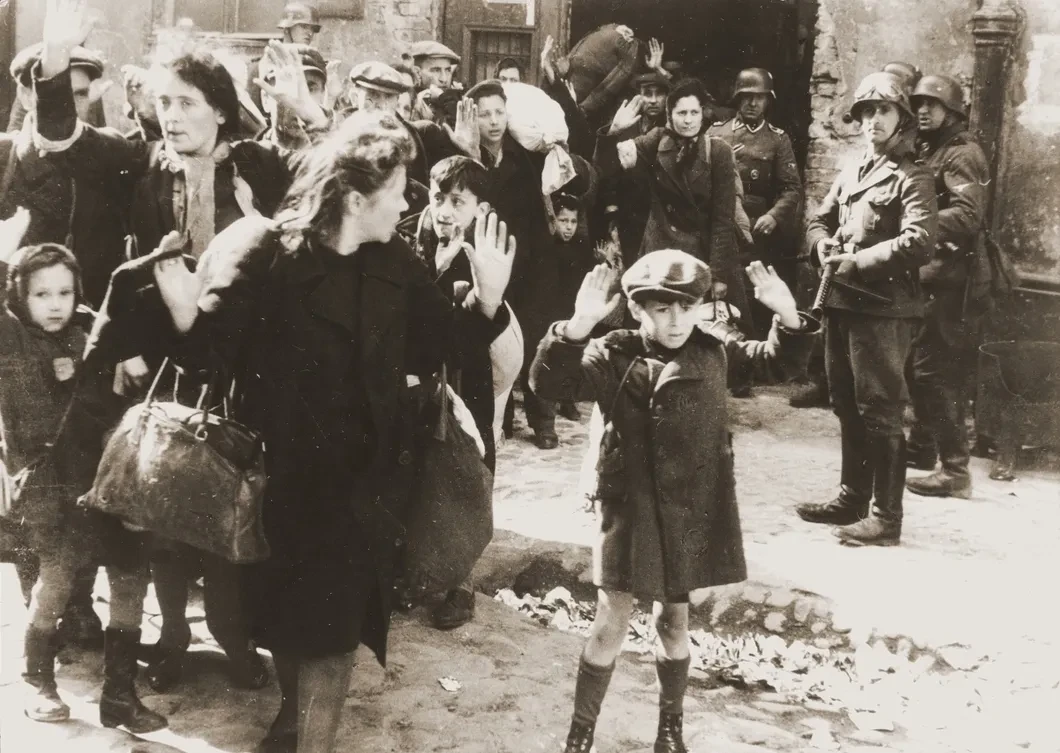
Nakam means Ivari Avengers. In this short word, they called themselves in the summer of 1945 several dozen Jews who survived in the Holocaust. Where “Nakam” arose, it is not known exactly. There is a version according to which this underground organization arose in Bucharest during Peshah, and there is a version that the organization arose in Poland, where, at a meeting of the Jewish Partisan, the transfer of people to Palestine was discussed.
The idea of a huge, comprehensive revenge flashed during a meeting of thin, unshaven, poorly dressed, but well -armed young men who survived where it was impossible to survive.
They did not discuss and acted quickly for long.
It was the summer of 1945, when the war ended. And relief was felt everywhere, even among ruins. A peaceful life began. But people who founded the “nakam” in memory and consciousness had something that did not give them relief. Around them was Eastern Europe, where their world, the Jewish world just ceased to exist. They all saw how the Jews were killing, how they are sealed with hunger and cold, how they were driving to trains, how methodically and calmly destroy the area behind the district with people. They were alive, accidentally and incredibly alive, but part of the soul, they all now belonged to the world of the dead, destroyed by the world of grandfathers and fathers, Kip and Mezuz, synagogue and gray beards. The horror that their eyes saw should not be described here. But the one who saw this horror has forever became different.
Abba Kovner, who survived in the Vilnius ghetto and commanded a partisan detachment in Lithuanian forests, a young man with long hair and the inspired face of the poet, was that man who eagerly believed in the idea of revenge in Nakam. He was the leader of a small underground organization, consisting of people who are ready for anything. After they saw and where they were, after they were hiding in the basements, they got out of the ghetto on the sewage, starving, saw the dead bodies of their parents and loved ones, saved the miracle of the offers and miraculously avoided the fate of being given by traitors and anti -Semites, after they survived, although they should have been dead for all the circumstances and did not think nothing for themselves and did not think for themselves for themselves and did not consider anything for themselves and did not consider anything for themselves. impossible.
And so when Kovner said that six million Germans should be killed, and this will be revenge for killing six million Jews, everyone agreed with this.
“There was no doubt that we were doing what God himself would do if he was,” said Pasha Reichman, who was participating in that meeting, partisan from Rivne, who later became Yitzhak Avidov in Israel. There was no God, because if he were, he would not allow what happened to the Jews, but if he turned out to be a god-dezer or an empty place, then there should still be someone who will do his work.
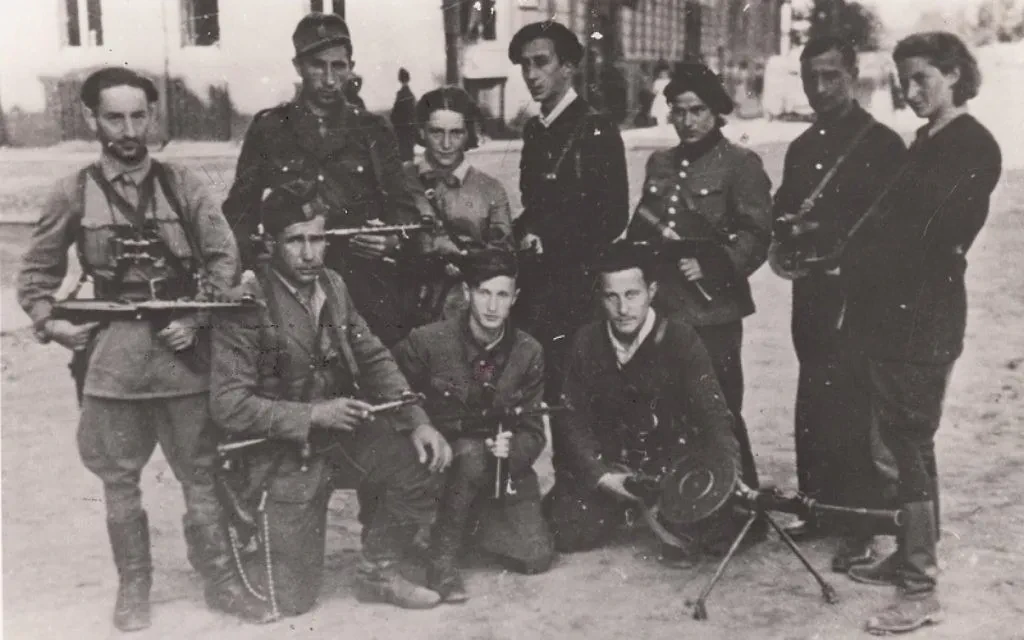
There were very few information and almost no evidence left about how the people of the “Nakam” did the work of a sleeping, absent or non -existent God. This is understandable. They appeared from the darkness and went into the darkness. Small groups or loners obsessed with revenge and nightmares of people did not write plans, did not leave notes. Until the eighties of the last century, “Nakam” was generally some kind of dark hearing. The revenge participants were silent all their lives about what they did, and only when life went to an end, they said something.
The inflamed consciousness of these people painted pictures of the Old Testament revenge. The God of the Old Testament did not know mercy, He eradicated the peoples and punished to the fifth knee. They were going to punish the German people, poisoning him with water in rivers and in the water supply.
Kovner himself then, many years later, called all this crazy, and he was right: these several dozen partisans survived in the forests were crazy, obsessed with a crazy idea that burned and burned them.
Kovner went to Palestine to get the poison, he met with Ben-Gurion, but he did not provide him with help, not for consideration of humanity, but for practical reasons. Six million killed Germans will not return to life six million killed Jews. So why kill them?
Still, Abba Kovner managed to get poison with the help of two chemists. According to some sources, it is taken to poison, sufficient for poisoning the water supply throughout Germany, in two cans, and according to other sources, with him for reliability also a whole suitcase of tubes from toothpaste filled with poison. Equipped in this way, he went from Palestine to Europe, but was arrested on a British ship and put in a prison in Cairo. He managed to throw all his canists and tubes overboard.
Other people in Europe, without waiting for Kovner with poison, continued the matter. In Paris, they took out arsenic and transported him to Nuremberg. Arya Distel settled in a bakery assistant in a bakery, where they baked bread for Stalag 13 camp daily, where former SS men were kept. For several days in a row, the distel carried bottles of poison in a bakery, which he called the "medicine". He was going to treat the SS men from their crimes. At night, three people of Nakam penetrated the bakery and sprayed bread with poison. Most of the information about the "nakam" is fragmentary and contradictory, and here too: too:
According to some sources, 400 people died of poisoning, according to others, the Americans pumped everyone.
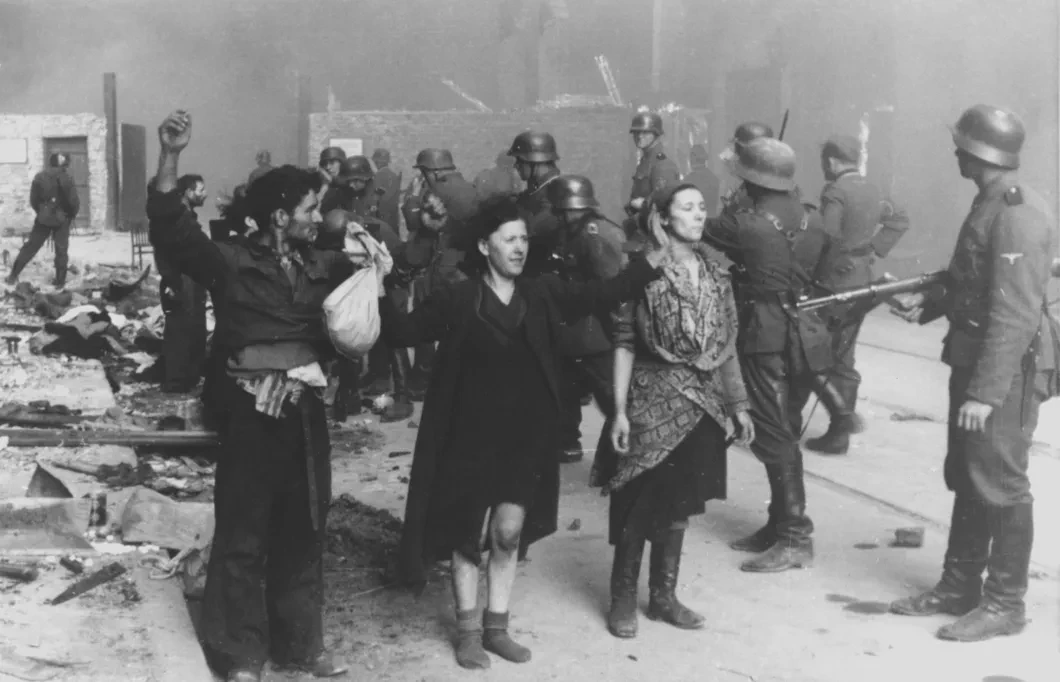
The stories of those who were part of the Nakam, give the opportunity to see a picture of post -war Europe, according to which overflowing trains and random passes, are obsessed with revenge and emergency people, about tierus information and complete omissions. Their revenge does not want to wait until the meetings of the Nuremberg process slowly and monotonously go, while lawyers have been saying for a long time and boring, while casuistic disputes about the degree of guilt of individuals and the form of guilt of the people. This revenge has nothing to do with the ordered activity of the winning states, who have their own pragmatic goals.
These people have no pragmatic goals, the laws are unknown to them and are not interested, they have a nightmare in their eyes, and fire in the brain.
How, how did they collect information about the former Nazis, about their crimes and places of residence? We don't know. But in Italy, where among the military Jewish brigade of the English army there were people of Nakam, there were dozens of cases of disappearance of hiding fascists. Small groups of people ready for all people came to provincial cities and went to the house in advance. In Germany, there were such cases too. The bodies disappeared or found in the forest. The victims were pushed into the body of the truck, and they did not leave there. In the back of the truck or in the forest, they briefly and calmly explained what they were to blame for. In response, the victims, as a rule, were silent. There is a strange in its frankness the memory of one of the people of Nakam about how
They tracked the house where Eichmann lived, poisoned two dogs and went to the forest of a man who was considered Eichmann. They killed him in the forest, but the hour of the real Eichmann came later.
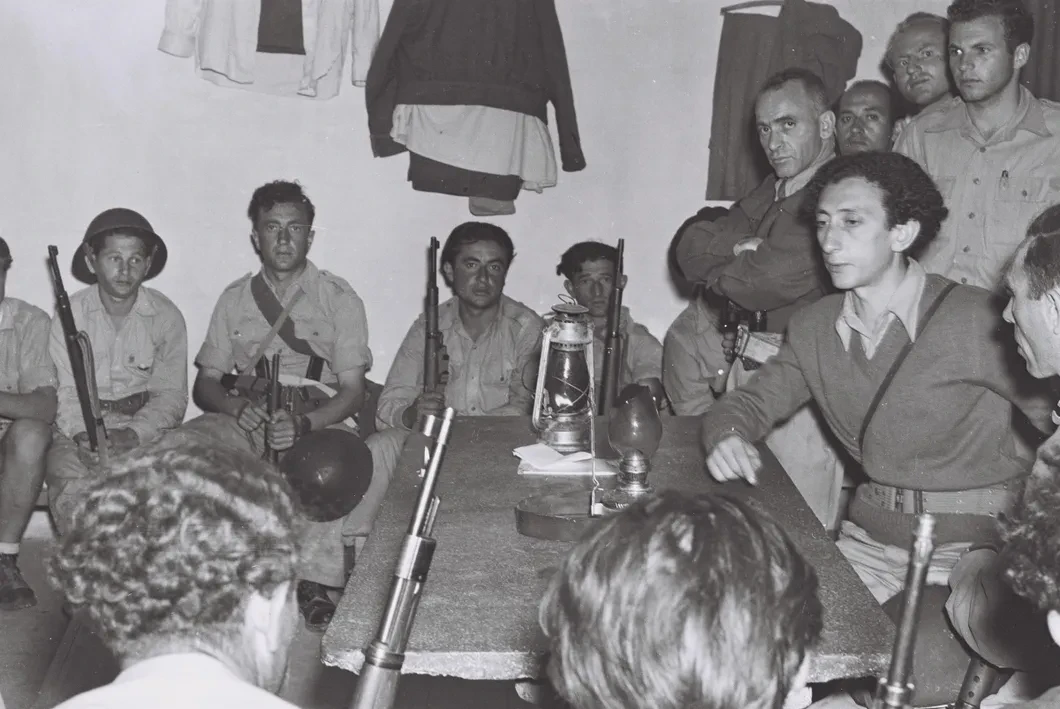
Tu , who were during the war and later the people who were part of the Nakam were talking about them, about their enterprise, the courage and the ability to do what they consider necessary.
In the photo of the summer of 1945, we see the Abba Kavern in a black tunic tucked with belts, in wide galifs and in boots. He has a magnificent hair. The gate is unbuttoned, a wide white collar was released on the tunic. In his hands, the Degtyarev submachine gun. Having served in prison in Cairo, he returned to Palestine and fought as part of the Givati brigade. And then he received the State Prize of Israel as a poet. Somewhere in Israel, records of his memoirs are stored, which he spoke on film in the last year of his life. There probably is about Nakam. But they are not published.
Marseille Tobias, about whose complete adventures of life, the novel has not yet been written in a strange way, served in the Austrian army, in the French foreign legion and in the English army at a time when it fought against Rommel in North Africa. There, this professional soldier with a great taste for adventures fought in the dining room with an English sergeant who called him a "dirty Jew." And killed in the fight of the sergeant. He was unclenched and sat in prison, and then fought again and once drove through the German column while driving a truck rushing at full speed. His whole family, except for the younger sister, was destroyed in the Holocaust. And he was one of the people of Nakam, before he became an officer of the landing troops of the IDF and died in the sky Zaira, where he was preparing paratroopers. On a two thousandth jump, his parachute did not open.
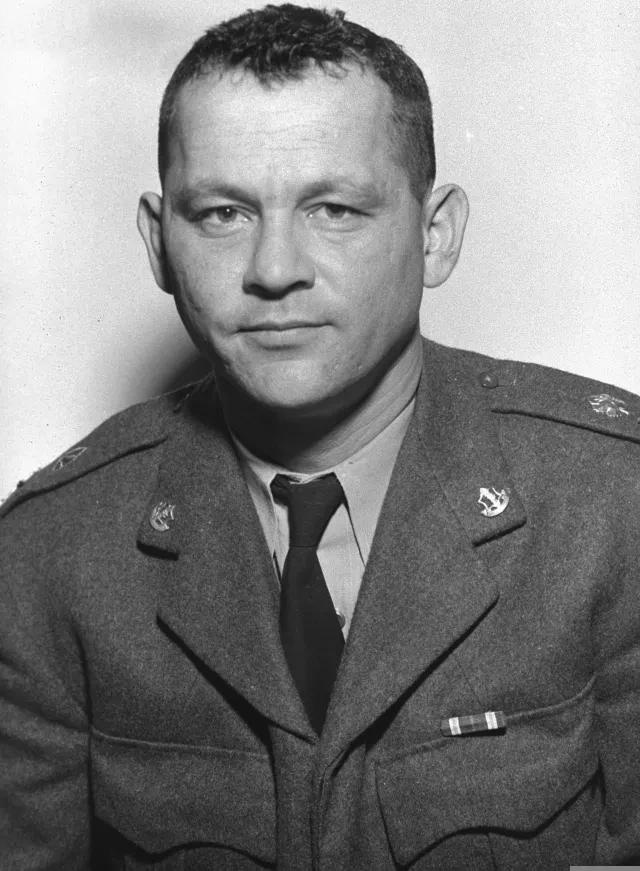
Chaim affection, originally from the Belorussian Borisov, fought in Palestine since childhood, and in his youth fought against the Nazis as part of the English army. He never hid that he was in Nakam, and after the war, demobilized, he remained in Europe with one purpose: to take revenge and punish. But he did not talk much about it, because
The extra -court executions clearly did not decorate one of the most famous commanders of the IDF and his head of the General Staff.
But still, he said at the end of his life, recalling Nakam that he was a pity that they managed so little. And they managed little.
They managed little in Europe, because all of them, from the poet of Kovner to the Simha Ratazira, from the paratrooper, from the paratrooper with the tobias’s fists to the Major of the English army, were urgently needed by Palestine. Now their new war has begun there.
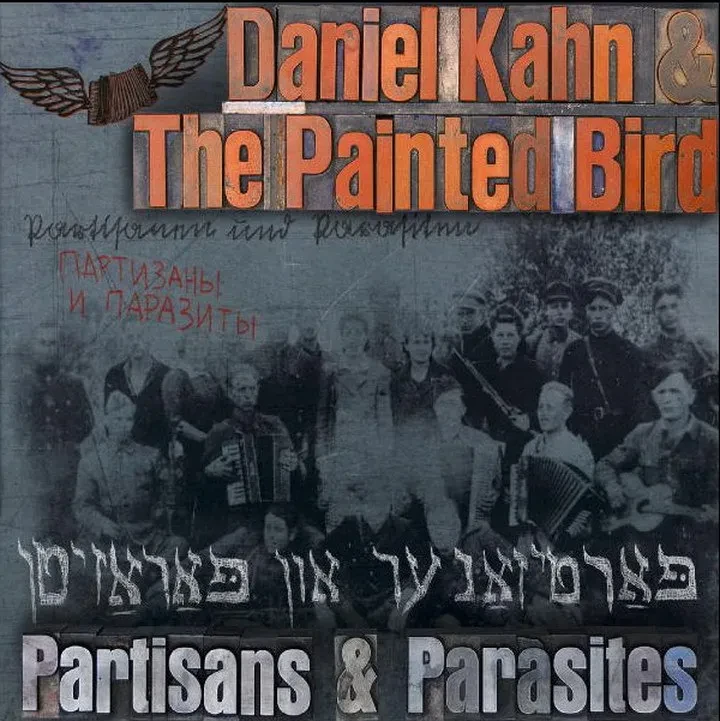
In 2009, the American rock and roll punk and singer of Jewish Clezmer songs, the bearded Daniel Kan released an album called Partisans & Parasites, on which he placed an old, black and white, faded photo of the partisans on a halt. They are with weapons, in caps, in caps, tunic, jackets, in their hands they have rifles and machine guns, as well as two accordions and guitars. The name of the album is written in English, Hebrew and Russian. The album has a Six Million Germans/Nakam song.
In this song, Daniel Kang sets out the history of Nakam in detail and sings the Abba Kovner, partisan, the prophet and the poet, who called for revenge. For Kan, an American born in Detroit and living in Germany, there is no doubt that Kovner is right.
For EVERY JEW The NAZIS GASSED
For EVERY RACIST LAW THEY PASSED
For EVERY WRONG that WASN᾿T Right
For all the Dead Nakam Wood FightThe song caused a scandal. The American, who was in the face of the Germans by their crimes, did not really like the German radio.
The song was not transmitted on the radio. In Israel, the hit on Jews who dreamed of killing six million Germans also did not cause delight among people who determine politics. All this was considered too sharp, too provocative. It is better to move out on the brakes from this topic.
To get from the topic of revenge and retaliation on the brakes, smear, muffle, push the victims in the rear row, and in the front to put a faded official who will say the need to forgive, without specifying who, forgive everyone and everything to maintain stability - this is done in the modern world, and
So this is done in Russia, where on a stone plate of the monument the victims of political repressions wrote the word “forgive”, but did not write who. Well, do not forgive victims? So the executioners.
Nakam was against this, he punished the executioners.
In Warsaw there is a monument to Simhe Rataiser-Rotamu, who led the surviving people from the destroyed and burned ghetto. This is an open sewer hatch and a staircase sticking out of it. On this monument, it never occurred to anyone to write the word “forgive”, this word cannot be written on a monument in Warsaw, on a monument in Salaspils, on the memorial to the victims of the Holocaust in Berlin. Monuments to the victims of fascism and communism, Auschwitz and Kolyma are not put to forgive the executioners, but in order to judge the executioners and call them all by names.
Small, hefty, bearded, shifting a hat to the back of the head, the American and Jew Kang sings about the need for revenge and the need to remember. The memory of the world war, about the nightmare, about the camps, the dead, the tortured, the burned, the strangled and hanged, the dead in the furnaces and in the fields, about the executed in cells and pits is not closed by one country and victims of the same nationality, this is the memory of all the dead, about the infinite human sea of the dead. Such a memory acts as a vaccine from the war, it creates in people the feeling that some things can no longer be repeated. But events back up, and it becomes more difficult to remember. Those who have seen ditches and barracks with their own eyes leave, and the pain gradually becomes only a line in history. And then the last surviving fighter of the Warsaw ghetto leaves, and suddenly we see the empty, beyond recognition, the changing world, where no one knows all, with all his skin, heart and soul, what was all this.