
Translated material
"Thirst for understanding this world"
We summarize the results of the seventh documentary cinema festival on the News website with readers
Statistics. More than 70,000 visits. This is much more than spectators at the MMKF.
Program. Selecting films, we did not focus on a certain direction, the severity of political topics, fashion. They chose a movie capable of, as Master Hertz Frank said, "to keep the images of the second time in the hope that all this will come in handy, and the rest will be needed." They focused on films in which this lost moment is not just fixed, but causes empathy. Films in which the world arises in all its complexity, multicolor, unpredictability - the present, past, future.
We thank the authors and producers who gave new works for “public display”, who invited readers to view paintings of their colleagues.
We are grateful to Artdokfest and the Artdoxedia platform for help in organizing the festival.
Of course, the festival would not take place without you, our dear spectators. You supported our undertaking. “The list of documentary tapes declared by the newspaper is impressive, there is a lot of new even for professionals. I hope that the readers of the Novy idea will evaluate this idea, ”said Philologist and Kinovist Andrei Shemyakin.
You not only watched, but also discussed paintings on the site, in social networks. Around the films a discussion flared up.
Today we give a word to you.
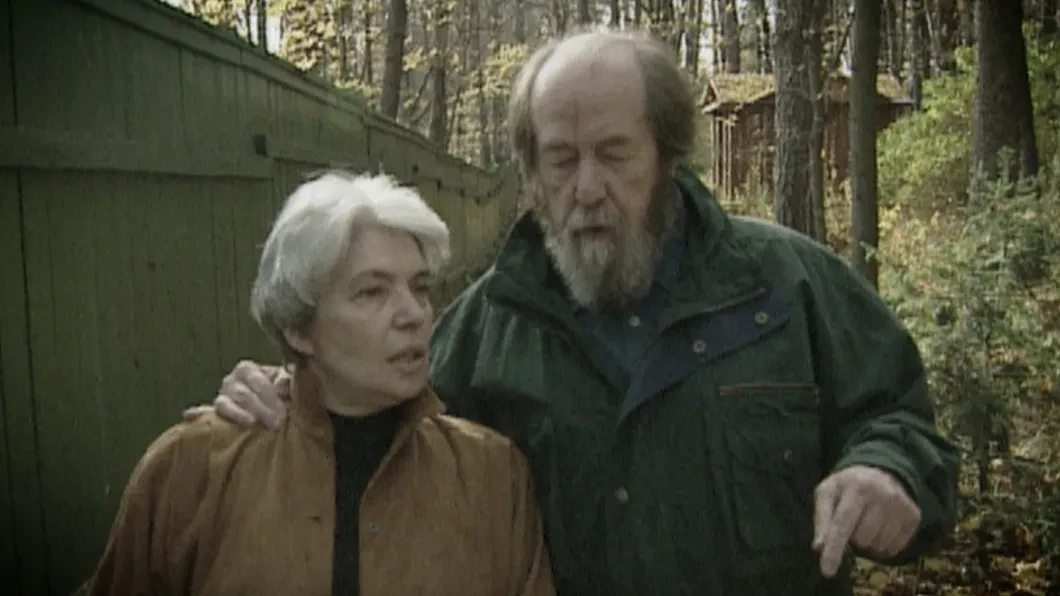
The most violent reaction was predictably caused by the film “Century of Solzhenitsyn” by Olesya Fokina, which was removed from the air on Channel One. Apparently, the portrait of an outstanding thinker and writer was not complimentary enough. The director of Chora Minina Alla Dubiller in his recall notes that “such a film could not be shown on the first channel. Thoughts in him are much deeper than the particular life of the hero, his views and even the desire to seem and be. In my opinion, this is an attempt to comprehend the twentieth century and his heroes. ”
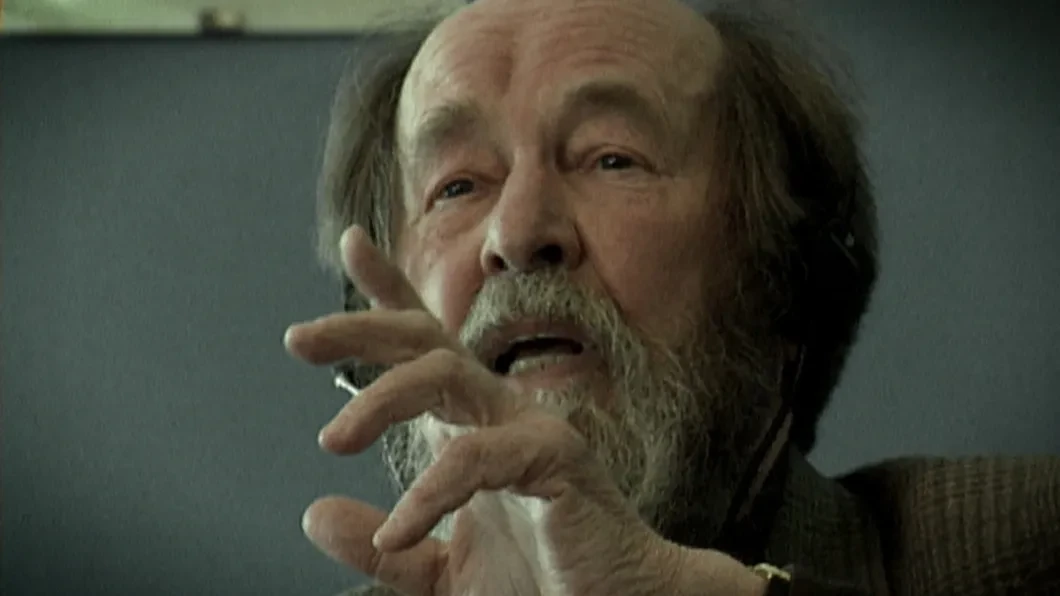
The journalist and critic Alena Solntseva thanks for the show and admits: “I think that Solzhenitsyn’s return could not happen, because the time of the heroes had gone forever. But the stories of many people who helped him in Soviet times are truly exciting. This is an amazing phenomenon - such a selfless, sacrificial service. ” The curator of the program “Kino in the Tretyakov Gallery” Maxim Pavlov compares the film itself and the attitude to Solzhenitsyn in our society with a temple, “in which some parts are finished, somewhere there are only extended murals, some parts are completely unfinished, and this, in my opinion, is an undoubted plus of the film, because we still do not have a sufficient distance, and the hero himself is not banal by the majority. It is not a fact that this temple will and can even be completed. ”
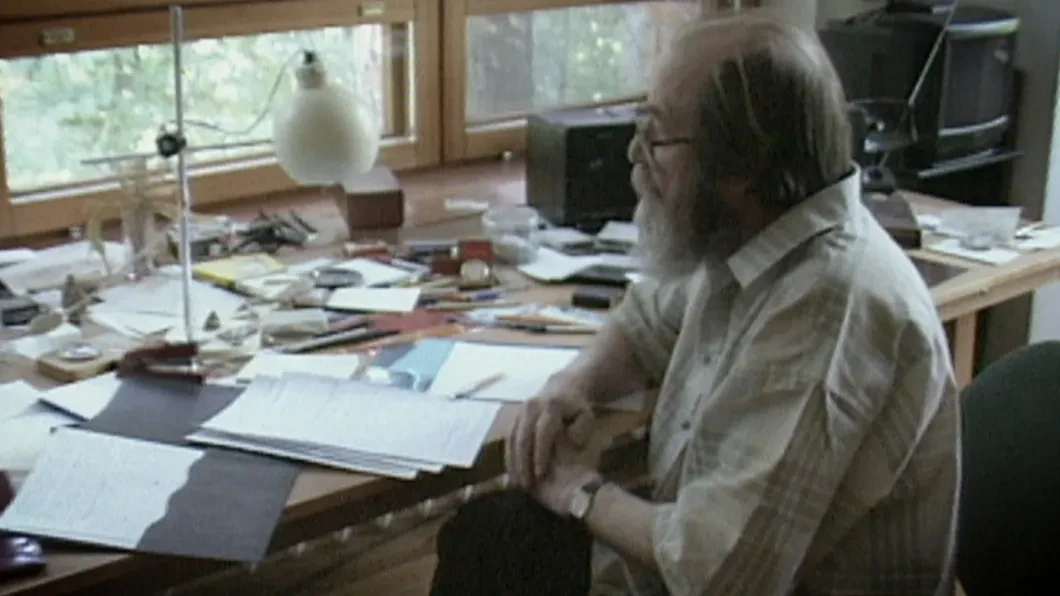
Andrei Shemyakin believes that, despite the chronological canvas, the directorial intonation is torn, and this is a feature of the film, not its drawback: “The author of the film found that the“ Olympic ”view of the classic is simply impossible, which is confirmed today-with all the prudent-pointing remarks to Solzhenitsyn, too understandable to dwell on them. It is better to remember Shalamov what Olesya does. The dialogue with Solzhenitsyn continues. The current “Byronism”, posing as social criticism, dreary, like any propaganda, even “counter”. But the author of the picture does not say half -truths, but calls to think. ”
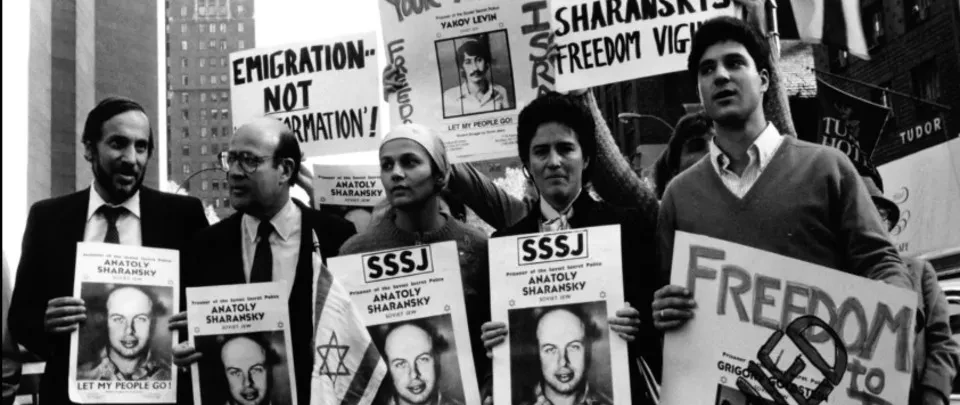
The writer Alla Gerber warmly supported the work “from slavery to freedom” by Arkady Kogan, who told the history of Soviet refuseniks: “This is the most truthful film about the horrors of the being of that time. It doesn’t matter who you were by nationality, it is important that you were a person, but just you had the right to be the right to be! ” The show impressed Natalia Zheleznyak: "Thank you, I think about this film all day." And here is the opinion of Elvira Weil: “A wonderful film! But it seemed that you knew a lot! Absolute heroine - Avtal Scharanian! It has stamina and femininity. ”
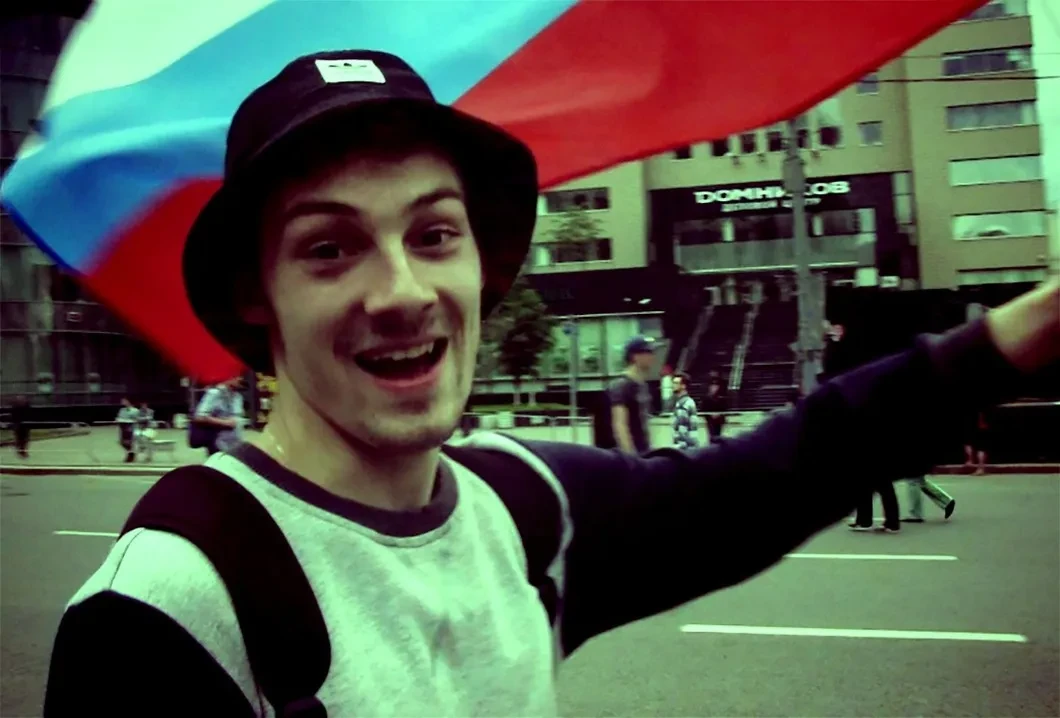
There were no indifferent after watching the film “Kolya as a Mirror of the Russian Revolution” of the young director Alexander Zubovlenko, who caught people from the sea of relatively recent swamp events of his hero. According to the director Elena Demidova, this movie is “about life, about youth, irrationality of human motives and actions, about thirsty for understanding this world and not to remain on its sidelines, about its own rod inside, which turns according to its own laws, this is actually the main subject of the movie, but rarely shoot it. And even less often, it’s good! ” “The mirror broke up for a long time, the characters have been disassembled by fragments,” Andrei Shemyakin believes. - The guy is sorry, as they say, "Lenin is now alive than all the living." Either Kolya will become a functionary of the new formation, or, with the next political cramp, will go to cannon fodder. Such an “alternative” is already laid down in the name. ”
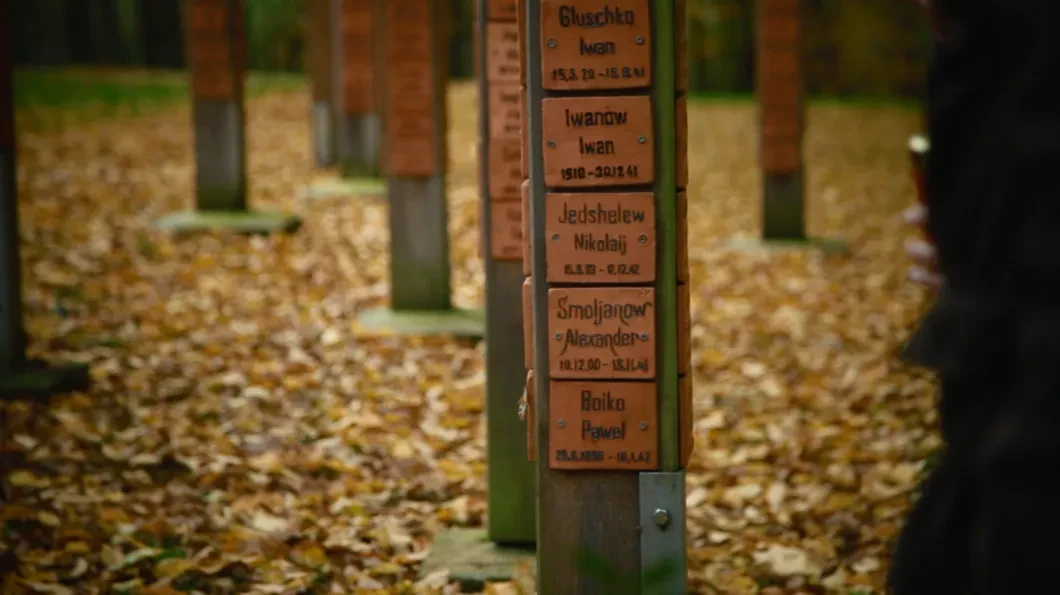
The “Last photo” of Yegor Sevastyanova is a movie thinking about the fate of Soviet prisoners of war. “Something I got from this film,” writes the critic Irina Lyubarskaya, “although it is made simply, honestly, reporting, does not press the author’s pointer to any sensory buttons and tear glands. In the genre No Comment. But it is difficult to withstand. Just scary. The grandson found his grandfather who died in captivity, saw his only photograph where he is much younger than his grandson. And the grandmother, the wife of this grandfather, never waited for at least such a news, although she lived a long life, 94 years old. "
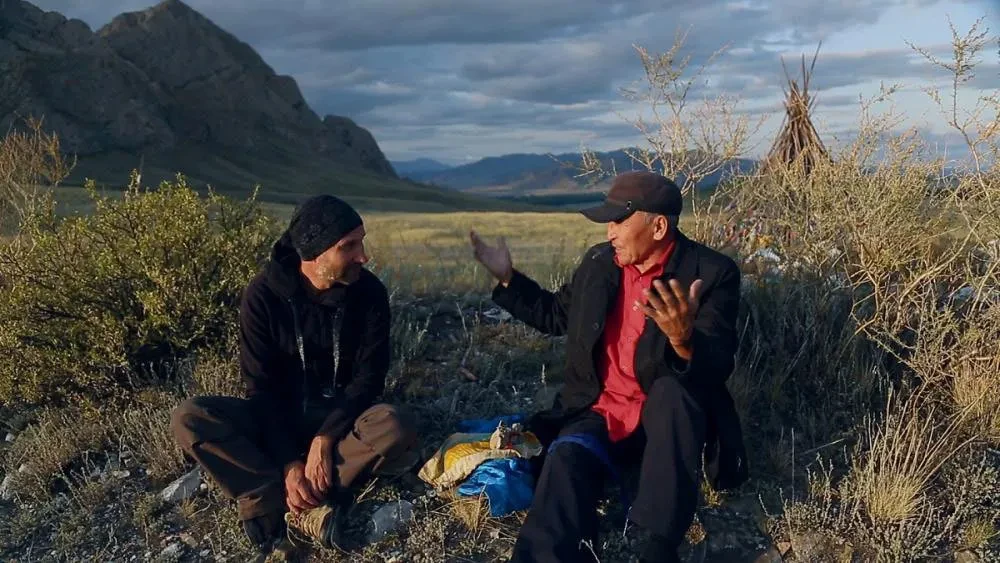
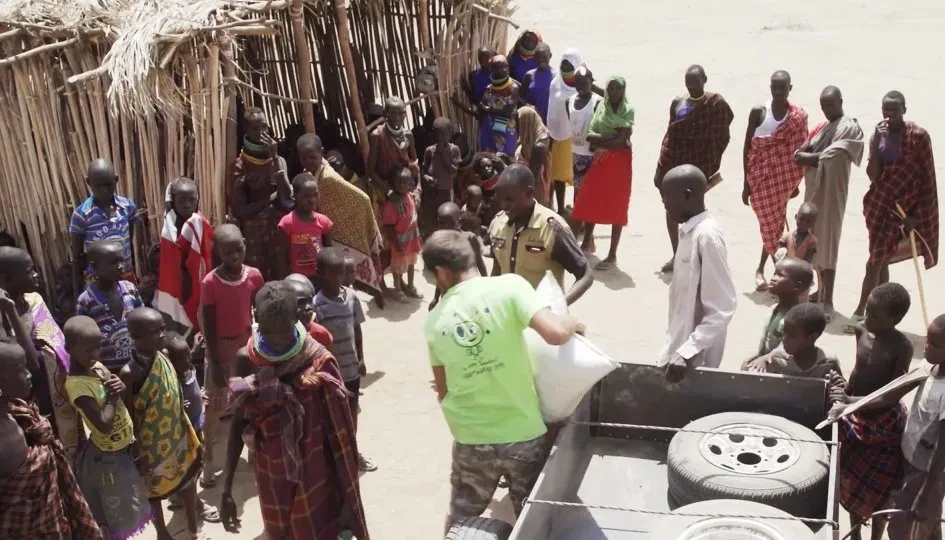
The audience argued about the genre of films “Mission” by Claudia Bershad (for the help of Ukrainian businessmen to the African tribe of Turkan) and “The Course of the Young Shaman” Svetlana Stasenko (about the journey of the American to Tuvinsky shamanism): “Good movie“ The Course of the Young Shaman ”! But I would not say that this is a comedy, ”said Kinoved Inna Tkachenko. - I will call him a melodrama with adventures - all the betrayal of a psychologist from Portland and the intrigues of a white dragon keep us in tension! ”
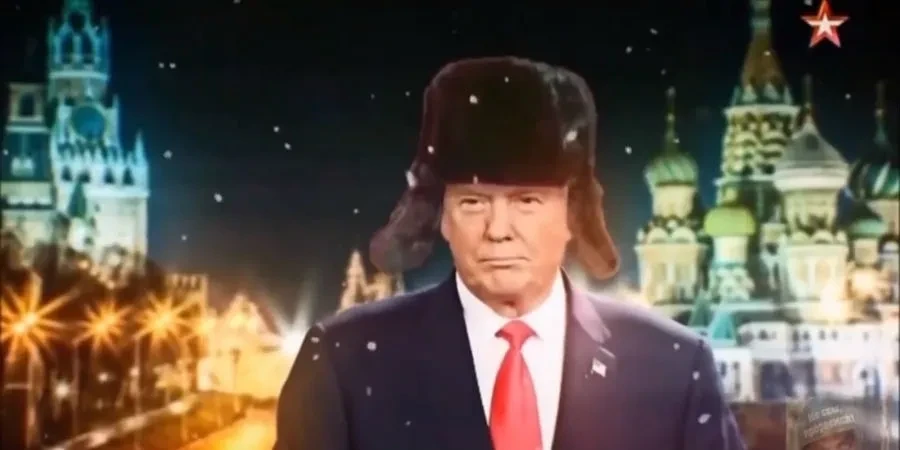
It was expected to be ardently supported by the work of Maxim Pozdodrovkin “Our New President” - a satirical comedy about the media campaign of the American president in Russia. “Not just a witty picture,” says producer and distributor Raisa Fomin, “but jewelry work on the selection of material. Thanks to the authors, "Artdokfest" and "New" for the opportunity to catch up. " The director will be pleased to hear the opinion of Alice Strukova's program director “Window to Europe” festival: “The film Pozdorovkin is a masterpiece of installation and wit!”
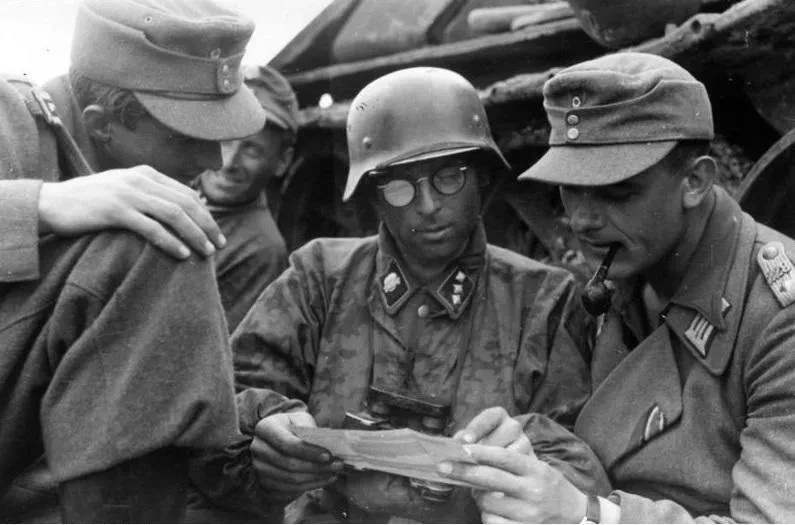
We also showed the author’s version of Andrei Osipov’s film “Eastern Front” , which was not adopted by the military-historical society, commanding the picture “Explanatory text”. In this film, the war is shown through the eyes of German soldiers. “It always infuriates when some brainless“ pupkin ”decides for me that I am understanding correctly and what is not,” the film scriptwriter and screenwriter Irina Pavlova admits. -Andrei Osipov is a huge artist, and even noticed the festivals, they did not notice that the eighteenth question. It works for eternity, not for festivals. There are few people are interested in a conversation with eternity today, they prefer poppis. ” “Osipov,” Andrei Shemyakin replies her, “here directly continues its idea of the nature of the war, which lasts in time and is documented chronically. This thought was in his mounting picture “et cetera”, in the 2000th shown at the Russia festival. Both tapes are fundamentally anti -war - in a broad sense, that is, initially antimilitarian. ”
The festival was completed by one of Alexander Rastorguev’s last works “Childhood, Summer and War” . The New Gazeta was friends with Sasha, who died tragically during a business trip to the TsA. It was important for us to show his picture, made, as always, on a topical topic. About the stolen childhood, about the substitution of the holidays - the war. But Rastorguev was not engaged in journalism. His cinema is always about the contradictory world. “A good film, but it is not about the war, but about people, awkward, funny, stupid,” the journalist Alena Solntseva thinks. - What bloodthirsty warriors are there - it is difficult to eat a sheep for them. Lazy, southern, near fat people. ” “About 25 years ago,” recalls Natalia Gutman, “by schoolchildren, we read Sevastopol Stories. The teacher asked what we saw there. "Courage, heroism, courage!" - We, Soviet schoolchildren answered screams. "Have you noticed that war is scary?" No, we did not notice ... ”Elena Liber from Yekaterinburg calls“ Orthodox militarism ”, shown in the picture, illness and madness of modern Russia:“ Scary for boys. God forbid this fate neither the son nor the grandson. "
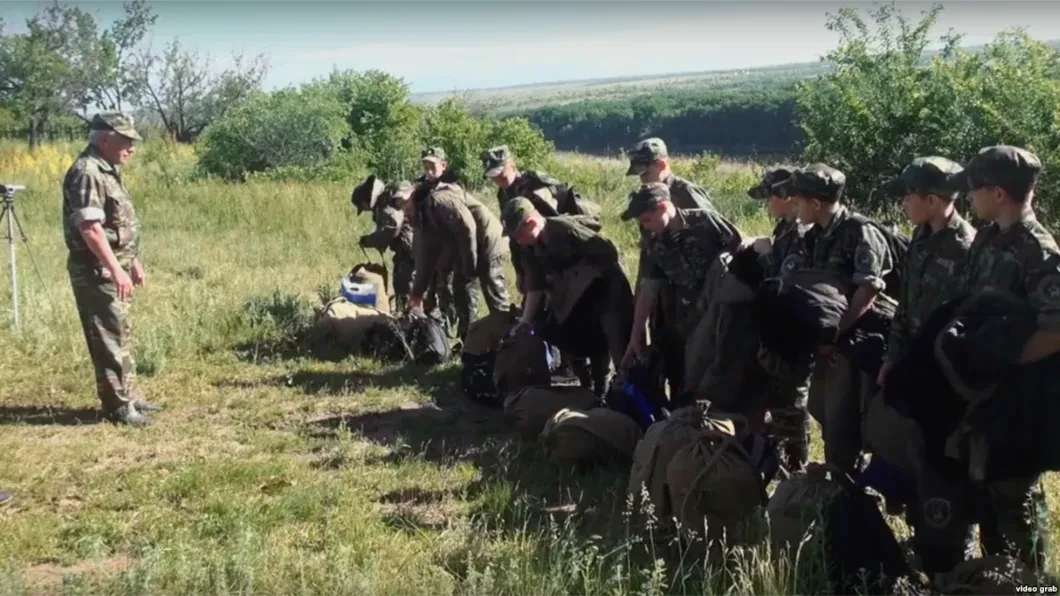
Maria Kruglyakova writes about Rastorguev’s film: “I reviewed twice. I don’t know where the author found strength. From the understanding of what is happening, this despair finds! I’m not at all about "oh, how gloomy, everything cannot be seen in gloomy colors." Despair is from the fact that children are growing in this all. When on TV there were a dominance of all kinds of “stars factories”, it seemed that the process of mass primitivization, but now on the screen (and in life) “Factory of the killers”, “Factory for the production of cannon meat”.
"It's great that we have collected such a powerful program!" - Director Elena Demidova thanks us. “Thanks to Novaya Gazeta,” writes the historian, journalist Pavel Shvedov, “for this project. In my opinion, the best thing that can be done on New Year's holidays is to watch a good documentary movie that makes you think and empathize, not letting go for a long time after watching. ” Andrey Chilek agrees: "I want to say - the documentaries are cool!" Lilia Nemchenko, the philosopher and director of the Yekaterinburg Festival "Kinopobe", sums up: “What a pity that the shows are being completed. We are waiting for the continuation next year! ”