
Translated material
Calier without a bill. Mit avoids problems
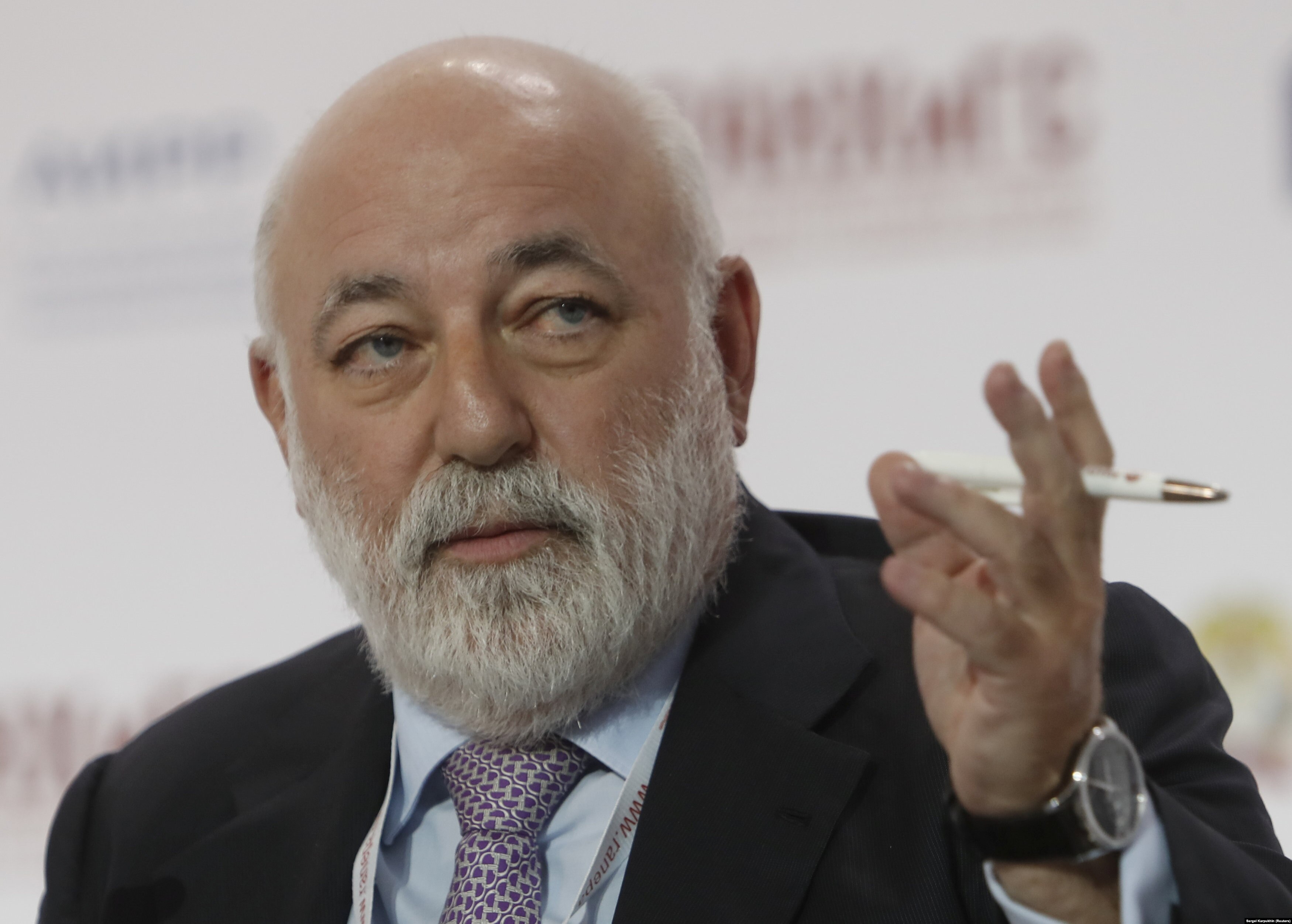
Nine years ago, Russian magnate Viktor Vekselberg was warmly received in American companies, universities and government institutions.
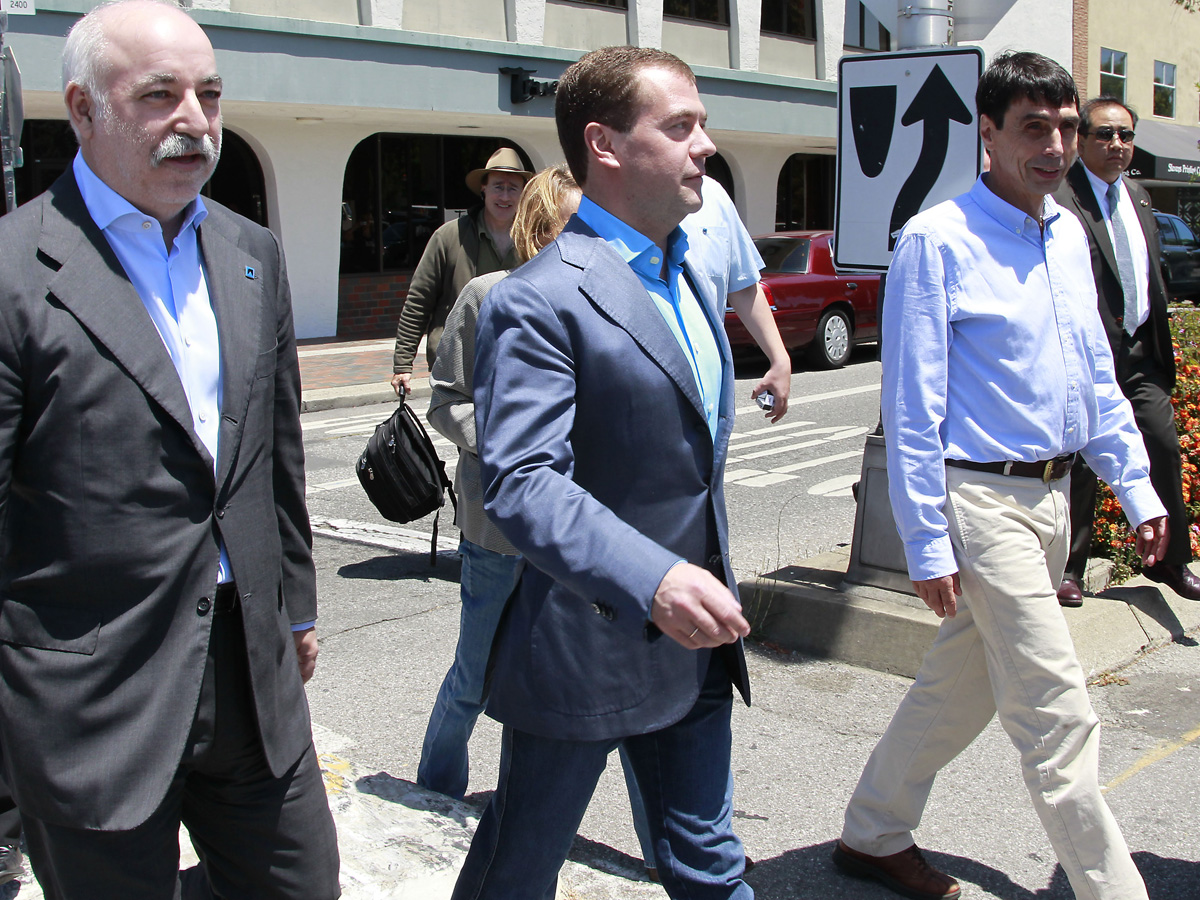
Relations between Moscow and Washington were at the reboot stage, and Vekselberg, with the support of the Kremlin, headed the Skolkovo project for the development of high technology, research and entrepreneurship. To create an academic center in the Russian Silicon Valley, he needed an influential partner in the United States.
The Massachusetts Technological Institute (MIT) - one of the most prestigious and wealthy universities in the world - agreed to take part in the creation of the Skolkovo Institute of Science and Technology, or Skoltech, in exchange for investment of $ 300 million.
As part of the establishment of strong relations, MIT in 2013 elected Vekselberg a member of the Board of Trustees, but today he does not appear on the lists of trustees.
In 2018, the University quietly withdrew Vekselberg from the Council after the US Department of Finance included it on the list of Russian officials, oligarchs and companies that impose sanctions for the implementation of “hostile actions” of Moscow.
In response to our request to MIT, they said that the membership of Vekselberg in the Board of Trustees was suspended shortly after the statement of the Ministry of Finance of April 6.
This indicates the desire of MIT to avoid legal problems, which can lead to doing business with a person from a "black list". American companies and organizations are trying to retire from such ties against the backdrop of a sharp cooling of Russian-American relations.
Innovative relations
Vekselberg, the owner of multibillion -dollar assets in the field of metallurgy as part of the Renova group of companies, was first elected a member of the Board of Trustees in 2013.
Vekselberg was considered an influential and progressive businessman, his relationship with MIT began no later than 2010, when the university agreed with the Russian government on "joint work to assess the possibility of conducting educational and research activities of MIT in Russia."
This project was built on the basis of the Skolkovo private fund, whose president of Vekselberg became in June 2010.
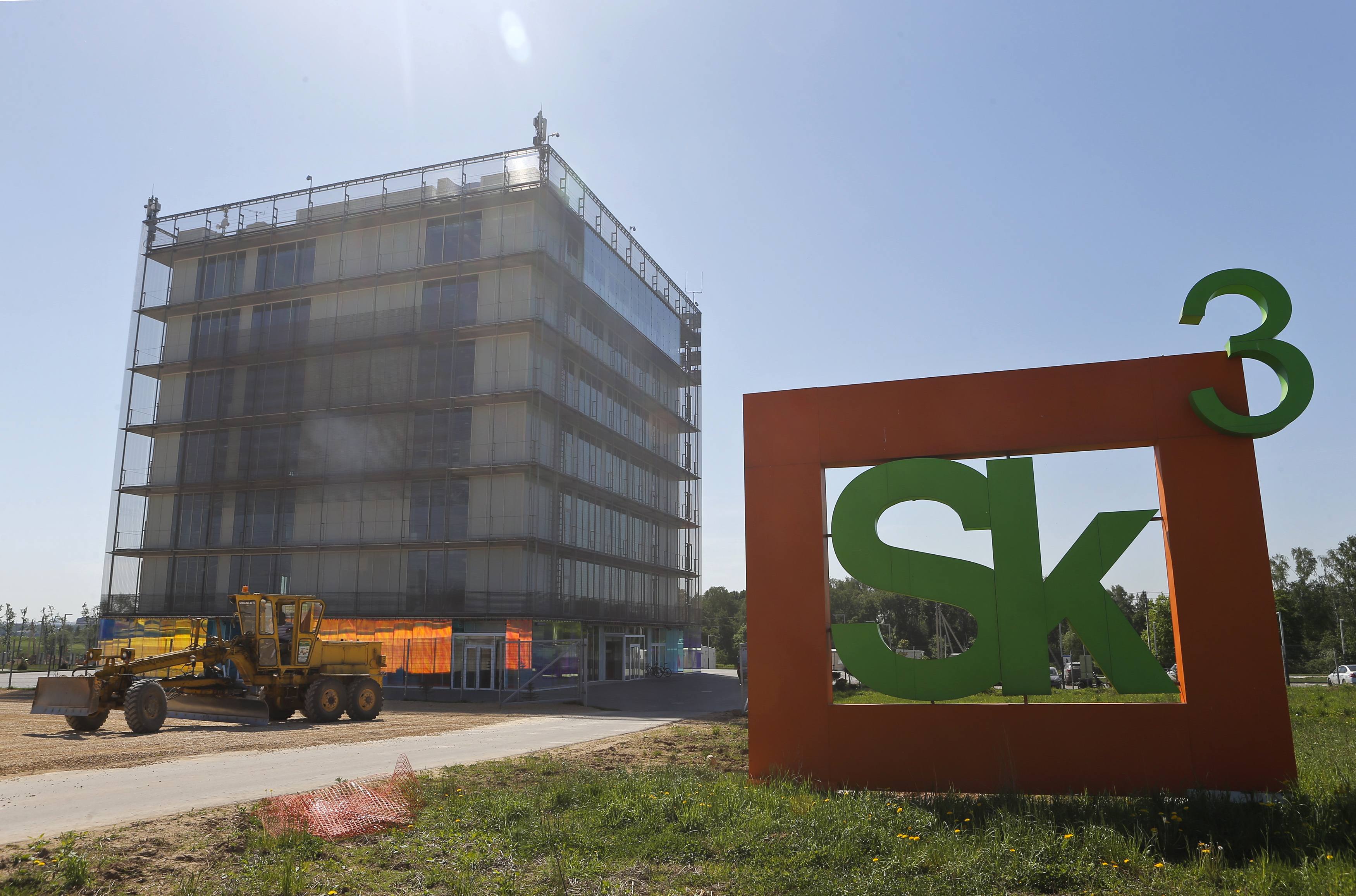
A year later, Skolkovo announced that MIT would open here research and business university according to the model of the American Institute. Vekselberg said in an interview with Bloomberg that Mit received $ 300 million for participation in this project.
In Russia, Skolkovo was considered to be a project of Medvedev, which followed the image of a young "advanced" leader. But already in 2013, a year after Putin replaced Medvedev at the presidential post, investigators came to Skolkovo, and his two managers accused more than 750 thousand dollars of theft. Then a criminal case was instituted against the opposition Duma deputy Ilya Ponomarev because of his participation in the Skolkovo project.
Meanwhile, in the United States, they thought about the real goals of Skolkov. In 2014, the FBI issued an unusual document in which it warned that foreign governments could try to purchase key technologies using private companies.
Here is what is said in the document in this regard about Skolkovo: "The FBI recommends the recipients of the ballot about Skolkovo to use this information for further decision -making regarding the choice of foreign investors, and to protect their interests, as well as the interests of the country as a whole."
In 2015, Vekselberg was again elected to the Board of Trustees, despite the Russian annexation of Crimea and the deterioration of relations between Moscow and Washington.
Soon, the United States imposed economic sanctions, but they concerned mainly officials, and not businessmen like a promise.
He himself acted as a MIT donor and became a member of the University Society of William Barton Rogers, which includes the largest donors of the institute.
It is not known exactly what amount of Vekselberg donated MIT.
Judging by the documents published on the Institute’s website, Vekselberg became a member of the company in 2016, donating at least 50 thousand dollars in the 2017–1018 academic year; The institute does not indicate the exact amounts of major donations. In the current 2019 budget year, Vekselberg is not mentioned. The department for work with graduates did not respond to our requests for the exact amount of donations. However, Vekselberg is not listed as a member of the MIT Constituent Society, which includes people who donated a million or more dollars to the institute.
In 2017, the Renova charity society announced the scholarship to Russian students to study at MIT. It also paid for the study of American students from MIT and in Russia.
Under close attention, in the black list
In early 2018, the United States increased pressure on Vekselberg as part of the increase in sanction against Russia. The US Department of Finance explained that this is due to the participation of Russia in battles in the east of Ukraine and in Syria, as well as attempts to undermine Western democratic institutions through hostile activities on the Internet.
In March of the same year, federal agents interrogated Vekselberg at the territory of New York Airport and looked at its electronic devices, the American press reported.
In April, Vekselberg and the Renova Group of Companies fell into sanctions lists of the Ministry of Finance along with six more influential Russian businessmen, including aluminum magnate Oleg Deripaska and the head of Gazprom Alexei Miller.
Vekselberg was there "for activities in the energy sector of the Russian economy," the Ministry of Finance said in a statement .
A month later, the American investment company Kolambus Novova, affiliated with the Renova group, revealed that she paid the personal lawyer of President Donald Trump Michael Coen for consultations "regarding potential sources of capital and potential real estate investments and other enterprises."
Later, it became known that Vekselberg was present at Trump's inauguration in Washington in January 2017 at the invitation of his cousin and head of Kolambus Nova, Andrew Intraiter, who donated 250 thousand dollars to the Inaugural Committee. These data are given by the Federal Election Commission.
All this time, Vekselberg was listed as a member of the MIT boarding council, but in January 2019 all mention of him disappeared. At the same time, the names of the remaining trustees elected simultaneously with Vekselberg in 2015 remain on the institute’s website.
There is no name of Vekselberg, even in the full list of trustees since 1861.
"In April 2018, as a result of Mr. Vekselberg, the MIT ministry of finance was found and suspended Mr. Vekselberg’s membership in the Board of Trustees," said MIT press secretary Kimberly Allen in a letter from Radio Liberty.
She refused to say whether the scholarship programs that Vekselberg sponsored, noting that the donations made before Vekselberg entered the Ministry of Finance will not be returned.
She also noted that MIT continues to cooperate with Skoltech, but did not report any details.
Employees of the Renova Group of Companies did not respond to repeated requests for interviews by phone and in letters.
Weakening of relations
Brian O'Tul, a former analyst of the Ministry of Finance, who was engaged in sanctions, believes that MIT was forced to accept special steps as soon as Vekselberg got into sanctions lists: "He had to get rid of it quickly. The sanctions relate not only to finances, but also of any services and agreements, as well as his duties as a member of the Board of Trustees."
Ilya Zaslavsky, a Russian researcher, who once worked in the TNK-BP oil company, absorbed in the Vekselberg consortium in the 2000s, says that Skolkovo never had a business project for the Vekselberg: “He had to please the authorities, get tax discounts, demonstrate his loyalty. In the days of Dmitry Medvedev, it was advisable, and it was advisable, and it was advisable, and it was advisable. Vekselberg used the chance to become one of the communication channels and establish external contacts for the most part.
The following says the following about the position of MIT: “Even if everything is suspicious in Russia, what's the matter for us? In the West, they turn a blind eye to the source of money and take it, saying:“ Why not? We must take ””.
Carol Sayvetz, professor MIT and teacher of the Safety Association in the field of Russian foreign policy, says that nine years ago one could understand why Mit was interested in promising programs like Skolkov and Skoltha. However, looking back, we can say that the university acted naively, says Sevetz. She herself participates in another Russian MIT program, not related to Skolkov and did not fall under sanctions due to Vekselberg.
Skolkovo needed recognition in the West. For this, a large American university was needed - the California Technological Institute or MIT. For MIT, they went for this for the sake of students, ”she said. - This all happened under Medvedev, during a reboot ... It was the heyday of a new relationship, and everyone thought that it would be even better. We then did not understand that he was involved in completely different matters, ”she says about Vekselberg.