Date
Author
Арнольд Хачатуров, Лилит Саркисян
Source

Preserved copy
Translated material
Guillotine for Soviet omelet
Strange results of the Gaidar forum-2019
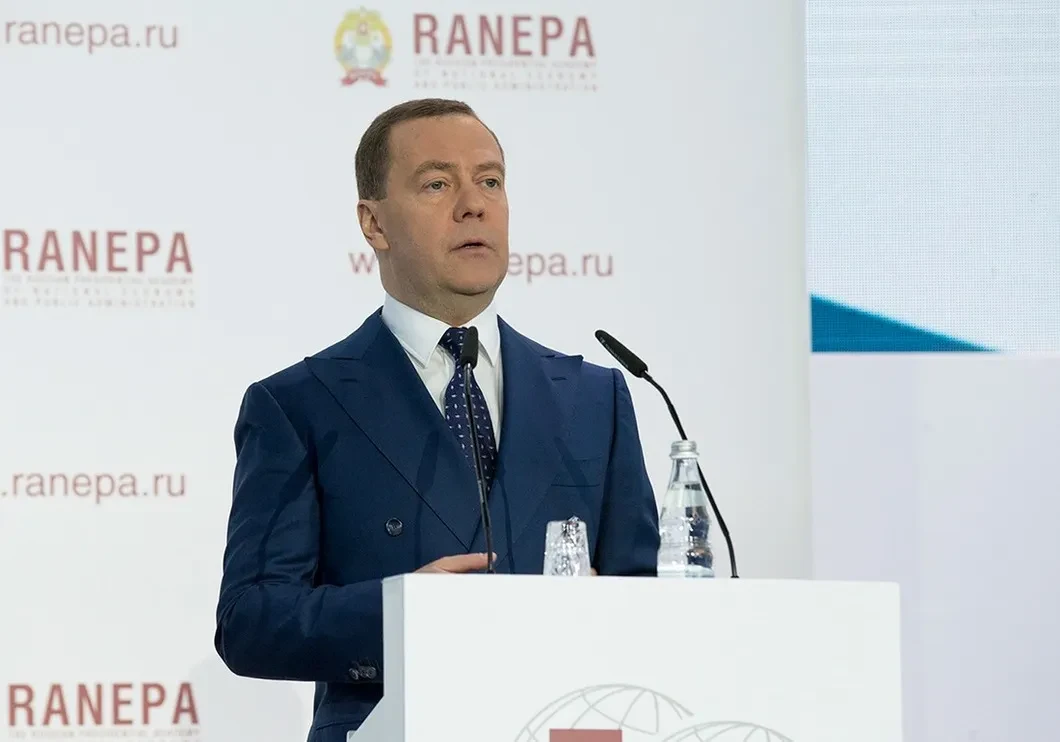
In Moscow, the anniversary, 10th Gaidar Forum, held from January 15 to January 17. Among the many discussions at which experts argued about the future of the country, the prime minister Dmitry Medvedev, the most high-ranking forum participant, took a special place. The head of government came to the building of the Academy of National Economy (RANEPA) on the Russian limousine Aurus. The motorcade was late for almost an hour, but the domestic limousine eventually met the expectations of the public and became the main news of the first day of the conference.
You can’t say this about the substantial part of the prime minister’s speech. Talking about the excessive administrative burden on entrepreneurs, Medvedev told the culinary and supervisory joke: since the Soviet era in mandatory catering standards it is stipulated that the height of the egg layer in the omelet should be 2.5–3 cm. It should be surprised here that the harsh Soviet production regulations survived in the Russian market economy.
Medvedev’s conclusion was predictable: we must stop “nightmare business”, namely, to check 9,000 legal acts for business for compliance with modern realities and eliminate the obsolete rules. Now, in 2019 and 10 years after the famous call of the prime minister “not nightmare”, the same idea is called “regulatory guillotine” and is served as the last word in public administration.
The continuity with the Soviet planned model is not only 2 million of mandatory requirements for entrepreneurs, but also in the desire of the state to single -handedly set the vector of development of the entire economy.
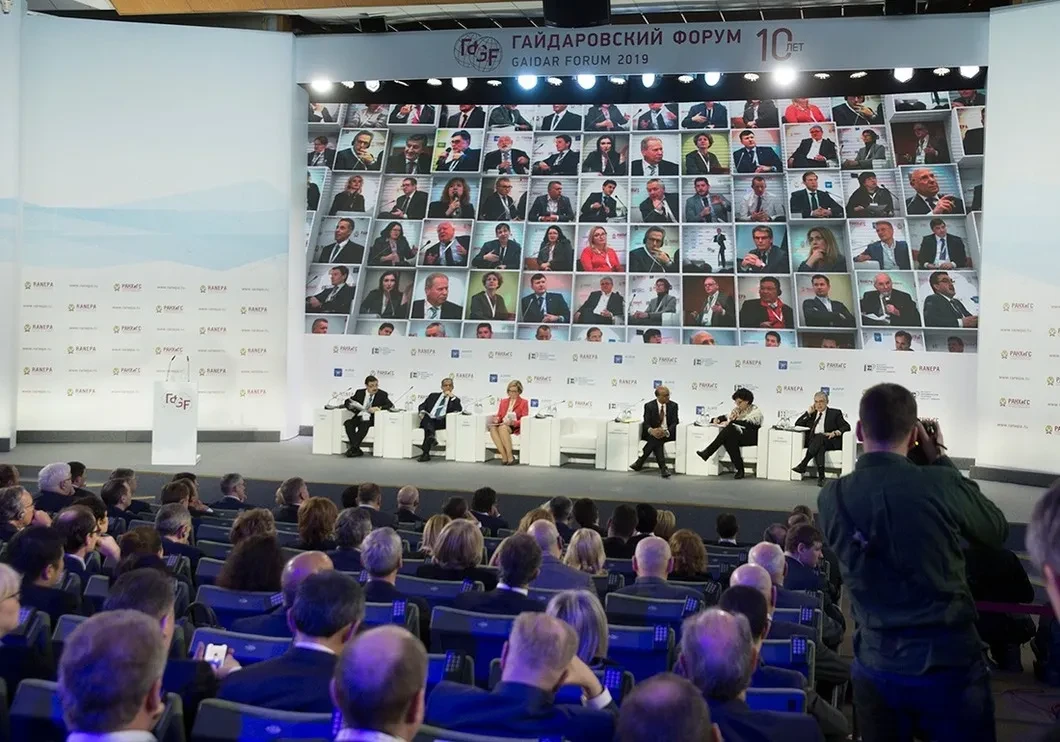
The official theme of the Gaidar forum this year sounded extremely widely: "Russia and the world: national development goals and global trends." It seems that such a discussion requires a strategic approach, but in reality the participants did not have to invent anything: Vladimir Putin did all the strategic work long before them.
Therefore, the through plot of all the discussions of the forum was the interpretation of the May Decree of the President, which to this day has embodied in the form of 13 national projects that already receive financing. Governors and ministers shared the difficulties that expect them on the path of implementing the decree, but firmly promised not to go astray from the specified course. Experts among such determination of state husbands felt a little superfluous.
The head of the Accounts Chamber, Alexei Kudrin, was one of the few who made a seditious idea that only national projects may not be enough for the country's prosperity.
Meanwhile, members of the government involuntarily issued the main method with which they are going to raise the Russian economy.
One of the goals of the government is by 2024 to double the number of people living behind the poverty line (now there are more than 19 million people). The Minister of Labor, Maxim Topilin, estimated that in order to eradicate absolute poverty in Russia, 800 billion rubles per year are needed (for comparison: they will additionally spend 9 trillion rubles for all national projects over 6 years).
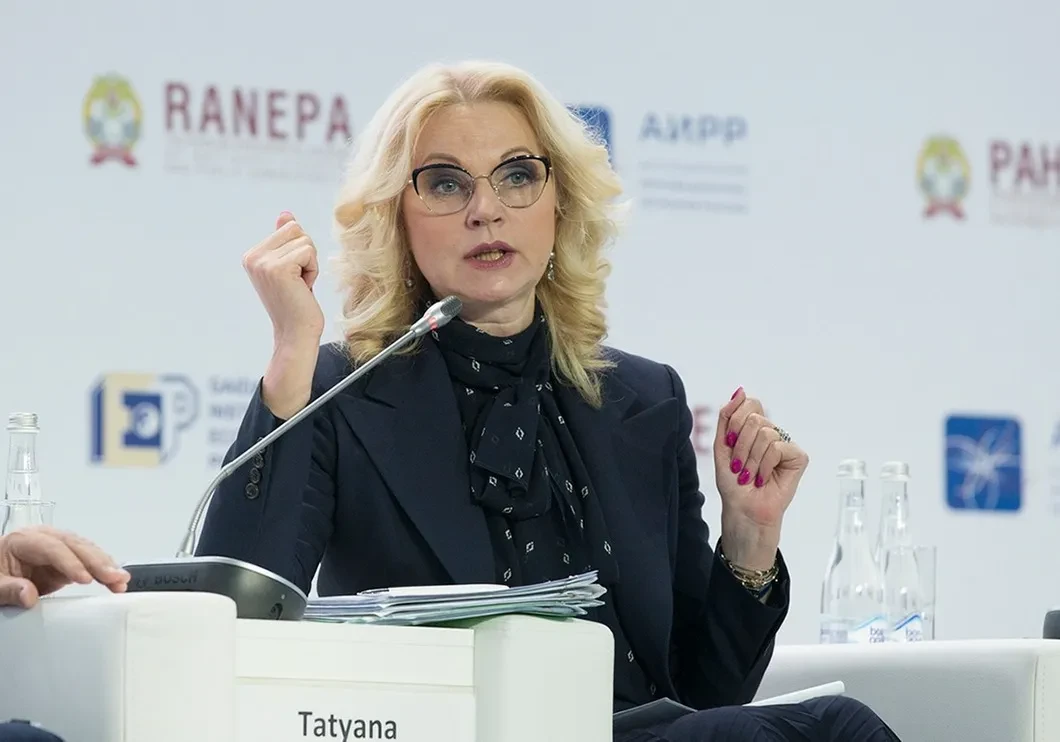
Vice Prime Minister Tatyana Golikova, who previously stated that it was impossible to fulfill the presidential decree without additional resources, made a bold proposal: abandon the cost of living. “In a short period, we have to comprehend in a new way the approaches to assessing poverty, its measurement, to switch to more modern standards,” she said. By 2020, the working group under the Ministry of Labor should develop a new method of poverty assessment.
An even more radical idea in the same vein was voiced by Dmitry Medvedev. The prime minister carefully proposed to refuse GDP calculations, because, according to him, now “statistics are at an impasse”: “Maybe it's time to abandon this indicator in order to adequately reflect the state of the economy.”
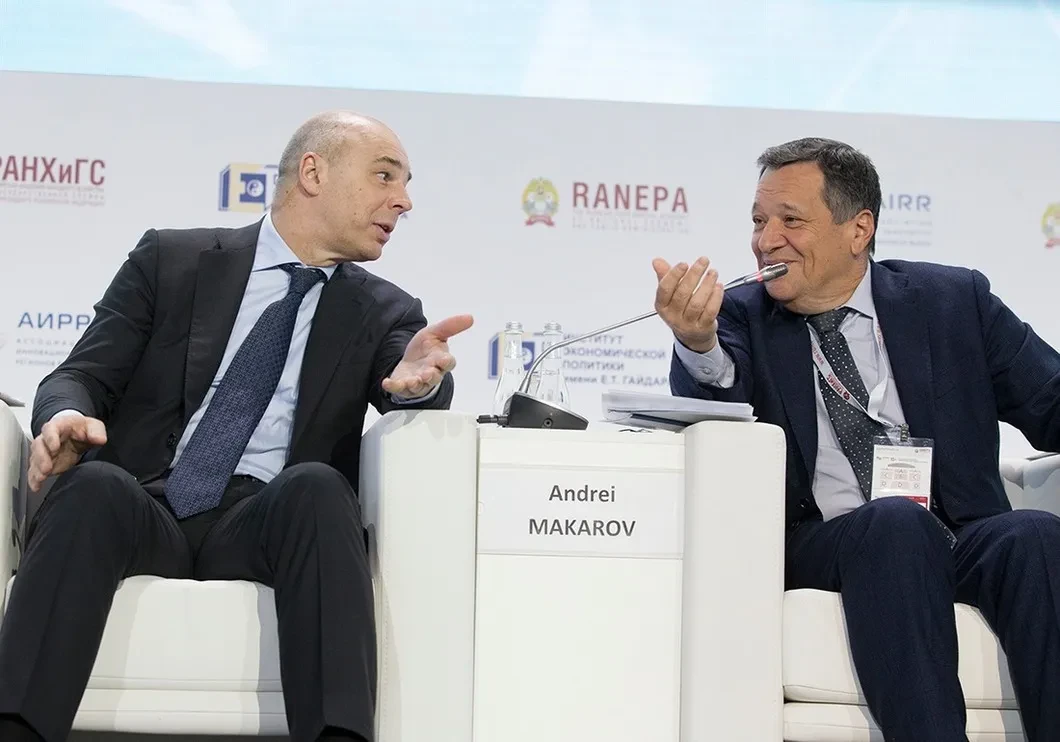
And even earlier, the Deputy Prime Minister Anton Siluanov spoke with the indictment in the field of real incomes of the population. This tirade ended with the dismissal of the head of Rosstat and the final crossing of the department along the wing of the Ministry of Economic Development.
In other conditions, it could be assumed that the “Crusade” of the authorities against statistics is caused by good intentions. The cost of living of the subsistence minimum, established in 1992 as a temporary emergency measure, has long been outdated. In the reports of Rosstat, the numbers of inexplicable origin regularly appear. The advantages of GDP as the main economic indicator are increasingly disputed by international experts.
However, the Russian reality, which is still dominated by the effect of the “Soviet omelet” is much more prosaic. According to Economists of the World Bank,
Russia will be able to reach economic growth in 3% only by 2028 - far beyond the horizons of the May decree, and it will be necessary to report to the first person of the state this year. The latest measurement technologies here, of course, can not do.
"Political dessert" of the forum
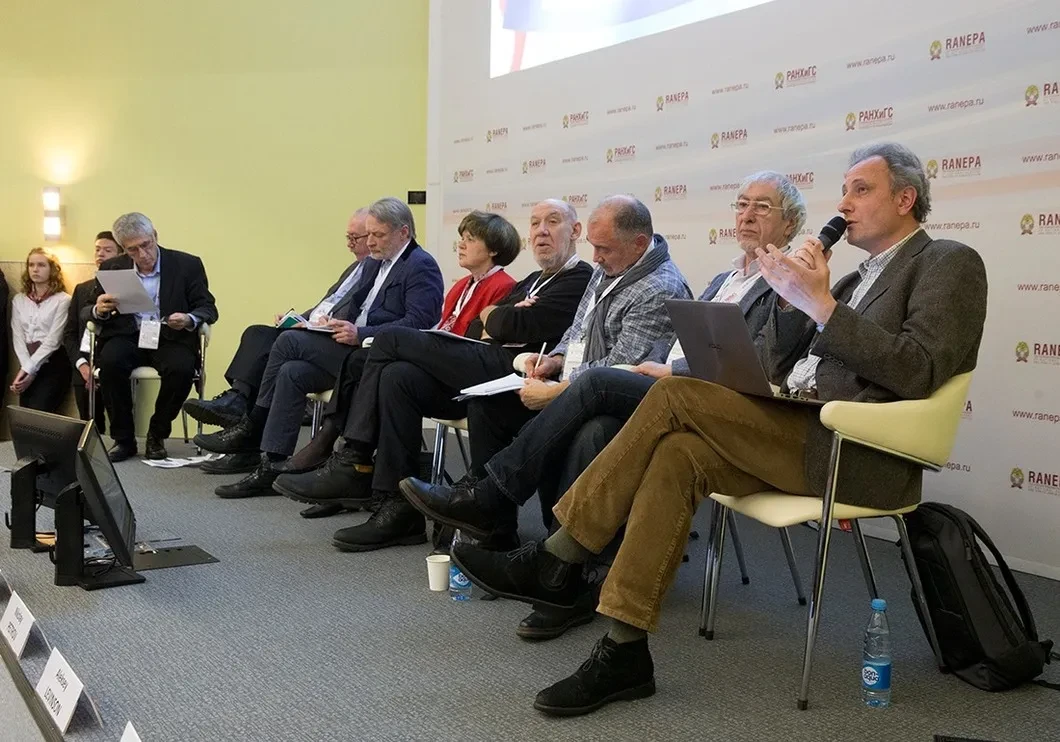
The political part at the Economic Forum is represented by the annual expert discussion "Political Trends". Her moderator Leonid Gozman calls this round table “forum dessert” and “high leadership whim”. It is considered the most sharp and critical event on the forum, where the first persons of the country are, including Prime Minister Medvedev.
The composition of the expert panel almost does not change from year to year (Gozman claims that this is a “fundamental solution”): this time, political scientists Dmitry Oreshkin, Nikolai Petrov, Georgy Satarov, Tatyana Vorozheikina and Andrei Kolesnikov, sociologist Alexei Levinson and writer Denis Dragunsk were participants.
The moderator himself forgot to introduce the participants in the discussion by the crowded audience, explaining this by the fact that everyone knows everyone.
This time, it was not without discussing the most important events in Russian politics for 2018 - to increase pension reform, the defeat of United Russia in the Governor's elections in the regions, the fall of the ratings of all representatives of the authorities. They also recalled the provision of autocephaly of the Ukrainian Church, a public reaction to the poisoning of the Skripals, the murder of Russian journalists in the TsA and everything that surrounded him.
Political scientist Dmitry Oreshkin talked about how President Putin ceased to be a “mountain eagle” for Russians, and his rating contacted economic failures and crawled down.
In a situation where “the refrigerator went on a strategic offensive against the TV” and possibly a protest vote that occurred in September. “The elections are becoming an effective method of trolling power,” the expert concludes.
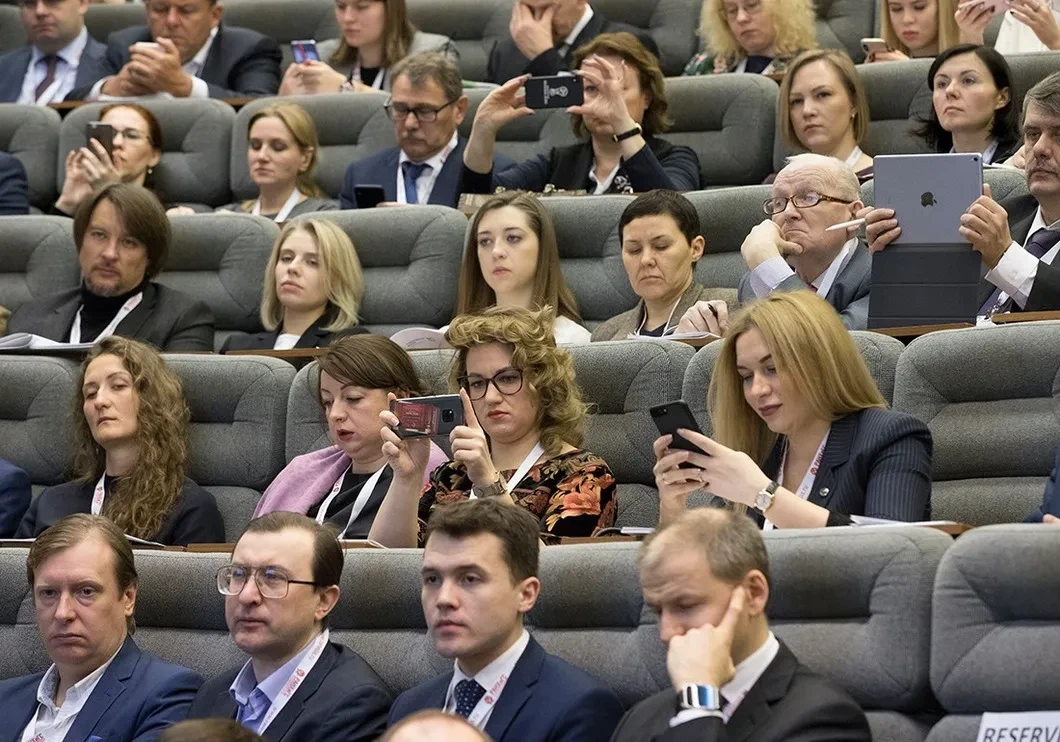
Another trend of 2018 was the current power of support from loyal groups of the population-this was told by the head of the department of sociocultural studies “Levada Center” Alexei Levinson. Traditionally loyal authorities young people become more and more protest, the same - with people of pre -retirement age, poor citizens and residents of villages. Everyone who used to be a “support of the power” was disappointed in the power due to the refusal of the state to fulfill their social obligations.
The fact that in the summer of 18, a consensus was formed in the company in relation to pension reform (according to the Levada Center, 89 % of citizens were against), does not block the Crimean consensus, the head of the Russian Internal Policy and Political Institutes of the Moscow Center of Carnegie Andrei Kolesnikov is sure. At the same time, the “Crimean effect” was actually leveled - foreign policy achievements now excite Russians much less than economic: “Russia has already become Great AGain, this goal has already been achieved. We are great, it's very good, let's move somewhere further. ” All this suggests that the previous methods of mobilizing people in the country - militarism, anti -Western moods, the church - no longer work.
We could not bypass the traditional topic - the inability of the Russian opposition to unite: “We are sapiens, but this is not the most important thing, we are still eukaryotes. This means that we propagate sexually at least and die. And these are very important signs of life.
“In this sense, our opposition was much closer to bacteria, archeas or viruses, because I didn’t want to die that others came in its place,” Georgy Satarov categorically stated.
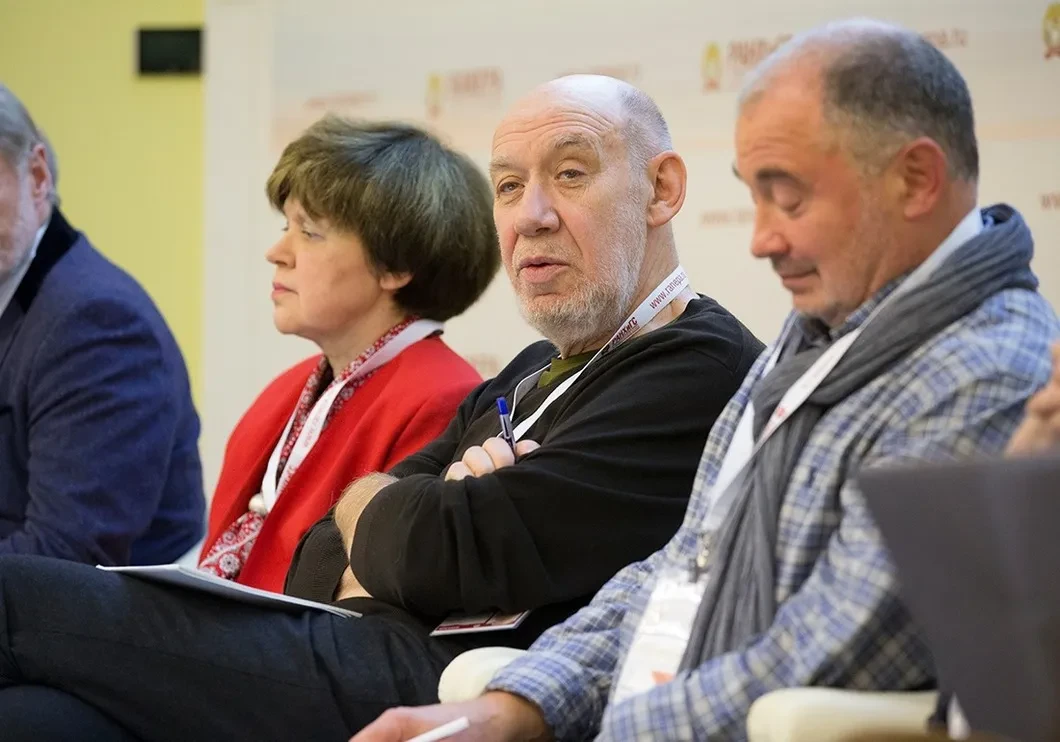
And Tatyana Vorozheykina was indignant at the fact that on the panel of the “Theater of the Future” forum, where the relations of the state and theater were discussed, none of the speakers mentioned the case of Kirill Serebrennikov: “The tonality was very blessed, this is called Politics as Usual.”
The trunk theme of the panel was the probability of radical changes in 2019. Everyone tried to answer the question: will this year become the end of the era for the country?
“Changes are not just a specific law, not just a specific war, not just a specific event,” Gozman explains. -Change is something difficult to verbalize. This is what they sang: "Our hearts require changes."
Experts agreed that there would be no essential changes this year, he was not destined to become a turning point, although a poorly formulated request for changes in society has already matured. "Lenin in the seventeenth also believed that there would be nothing!" - shouted from the hall. And Denis Dragunsky remarked that "the desire for change is the most important component of stagnation."
Traditionally, it is customary to hand a bottle of cognac in the panel for the forecast of one of the experts that has been running over the past year. This year there was without a prize, and the forecast of Tatyana Vorozheikina was recognized as the most successful: "Something will happen, but we do not know what."