
Translated material
Action on the blood
On the celebration of the 75th anniversary of the removal of the blockade of Leningrad, the film by Alexei Kozlov “Save Leningrad” is released on the movie screens
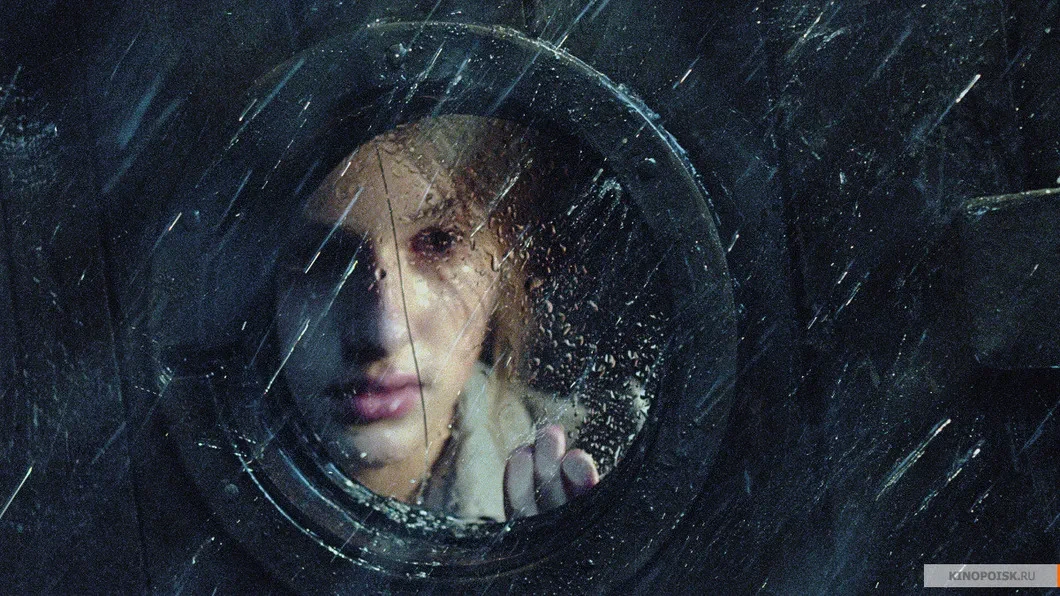
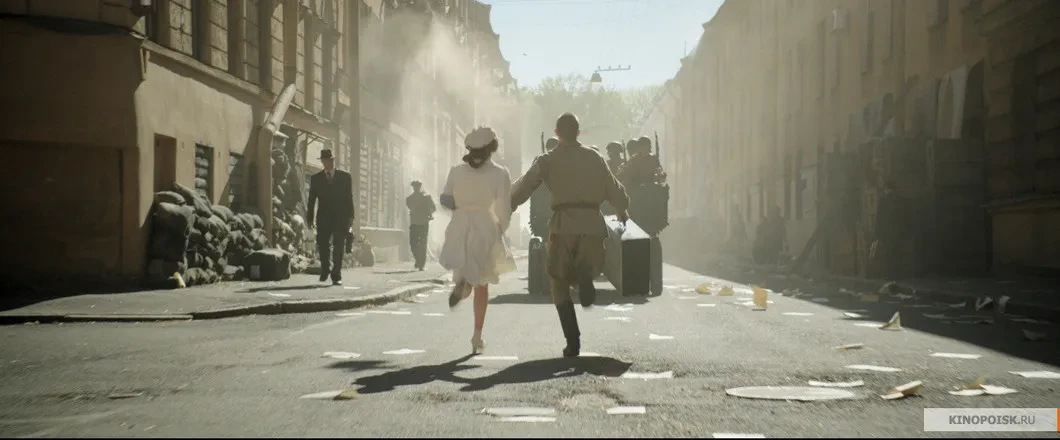
Another blockbuster on an important historical theme, as stated in the credits, "is based on real events." The story of the plot is the story of the lover of the couple: a graduate of the military school of Kostya and yesterday’s Leningrad schoolgirl Nastya (the grandson of Andrei Mironov-Andrei Mironov-Udalov and the daughter of the St. Petersburg actress and the deputy Anastasia Melnikova-Maria-starred in the main roles). Together with a crowd of refugees and cadets of naval schools, they find themselves on a barely living barge, which should take them out of the blockade city on the opposite side of Ladoga.
In fact, the picture promises to tell about the chilling blood of the tragedy “Barges 752”, which occurred on the night of September 16 to 17, 1941 on Lake Ladoga. She went to the bottom with people, taking away more than 1000 people. At the same time, 460 people died on a barge, towed by the Changer boat "Selemja", transporting military replenishment to Leningrad. Few were saved.
In the film, the captain of the tugboat “Eagle”, which should pull the barge overloaded with people, categorically refuses to go to Ladoga. But the command is more visible, and the island is already cut off from Ladoga. There are no other ships. And on the night of September 17, the old barge for the transportation of cattle, setting up Osinovets from the pier, followed the “eagle” in the direction of the New Ladoga port.
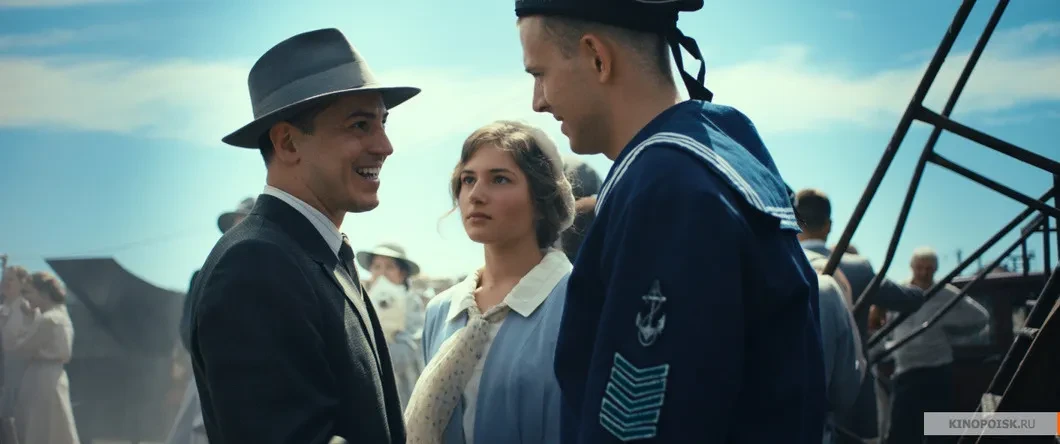
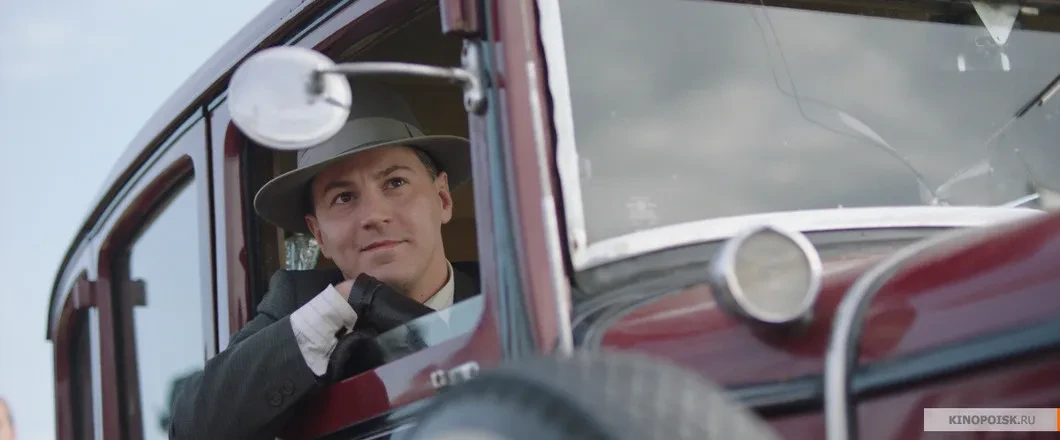
On a barge next to the lovers - Antherler, the bad and vindictive captain of the NKVD Petruchik (Gela Meskhi). He is in a hat and black gloves that he never removes, like a demonic essence of cartoon Black Hatt. Even on the piano in gloves plays. The piano, by the way, is here on the barge: a rare tool cannot be left in the city, for nothing that potential refugees are taking place. A small concert is arranged around the piano. Together with the talented enkawadeshnik, the Giors of the Violin play the Grand -age graduates of the music school. All elegant is impossible, including Nastya-she is in some way a silk blue-and-white, as if they were not gathered in evacuation, but for the graduation ball.
But back to the annoying Petruchik. The heroes have a special connection with him. It was he who conducted searches in Nastya’s apartment, arrested her father, the “enemy of the people”. It was he who will lead a costume that lagged behind his company for the sake of a special assignment, which will not be said to anyone (except the viewer).
Formally, the film seems to have dramatic events associated with the death of a barge: a colossal storm, a raid of German aircraft of the Luftwaffe, shooting sinking people.
But this whole story is packed in the glossy shell of the action, in the genre of "disaster" with a strong melodramatic roll.
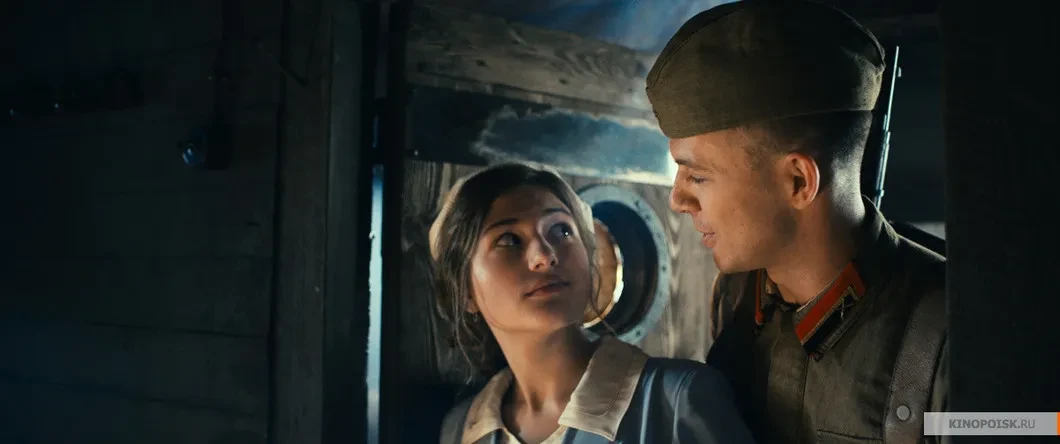
“Save Leningrad” is another turn in Russian patriotic military cinema. In recent years, our films, with varying degrees of persuasiveness, chanting the feat of compatriots, were heirs in a direct Soviet cinema. First of all, films of the pre-Tetepel period.
Director Alexei Kozlov composed his cinema, compiling the shape and content of the Western blockbusters. The structure of the film repeats the Titanic. Here is a prologue with an old woman who recalls his first love against the background of a catastrophe, and musicians playing before the crash, and the touching plot “Ladies with a Dog”. Instead of the diamond of the “heart of the ocean”, a watch will perform as a memorable artifact, which will return to the final to the owner. And even the female hand, wiping the foggy glass of an elite car - greetings to the Titanic. The director, of course, is denying, but, however, he admits that he was striving for entertainment, which clearly lacks Russian cinema.
There are enough spectacularity, “peaceful” scenes look worse, resembling a television attitude with theatrical artists. In the justification of the artists, we note that the text interferes with them very much: the heroes or in detail explain where they work, where they come from, where they gather or tearfully declare: “We need a path to salvation!”, “We are all crashed!”
The military episode with high -quality computer graphics is convincing. It is not even annoying that Gibson quotes in many ways “for reasons of conscience”. Here, in the role of the famous doctor Doss, a peaceful man who saved dozens of fighters in the battle of Leita, Alexander Naumovich (Valery Degtyar), a doctor of biological sciences, who returned from the camp Father Nastya. Unlike Doss, he has to kill. No less impressed by the viewer scene with a squall storm and the execution of the barge with fascist pilots.
But if you forget about the abundant quoting of Cameron, Nolan, Gibson, the film by Alexei Kozlov raises many questions. And the point is not even in the hastily hastily script in which all scattered lines are literally encountered in the water, more precisely, rush towards each other on different boats.
Not that the Encavedashnik - a caricature gangster - is re -educated in the final and deprives himself of symbols ofenegy - black gloves and hats. Not in the obsessive soundtrack, obligated to maintain an intensity of emotions from all musical guns.
It is very disappointing that the catastrophe on Ladoga, which claimed more than a thousand lives, has turned into a toy movie entertainment.
It is clear that the film expects to assemble a large box office, it has a 12+ rating, therefore, everything terrible is excluded. It’s not even visible how the barge with passengers goes into cold Ladoga waters. Inappropriate, old ship without sides. Together with people. Without rescue equipment. Without a convoy. Without air support.
And in the very history of the feat of cadets and commanders there is no question about the "price of human life." Previous not only in reality, but also in the cinema.
Even in those days, the number of victims on Ladoga on September 17 caused a fragment, the “topic” was quickly classified. On September 19, 1941, the Deputy People's Commissar of the Navy Admiral Isakov banned the transportation of people on barges through Ladoga. The death of the Barge 752 turned out to be a prophetic prologue to the painful blockade of the city.
The film has a completely different finale. A countless column of the Immortal Regiment is walking along the Sunny Nevsky, its participants carry stretch marks with the name of the deceased barge.
And even the titer (necessary in the film, “based on real events”) with the number of victims is not.
Each era of domestic cinema interpreted war differently. Before the thaw, the viewer was demonstrated that Comrade Stalin personally brought the victory and the unity of the people with the Wise Communist Party. The main theme of the films was a feat: die, but we will not give up. A purely civilian person - teacher, student, musician - with weapons in his hands defending not only the homeland, but also humanity with weapons, entered the screen. The stagnant cinema with the large -scale epic epics of Ozerov again from a close -up switched to a common, erasing the uniqueness of each individual person - the dead or a miracle of the survivor. And again, we download the “defense muscles”, collective dreams in reality are again in demand. The authors of the film with the name "Save Leningrad", which has a very indirect attitude to the plot, do not lie. It’s just that the facts necessary for action are scooped up from a specific story, ignoring what can overshadow the joy of a twelve -year -old spectator.
PS
The blurry border between truth and deceit, the art of misleading is so in demand in the world that recently in English a special word was assigned - Paltering. Paltering is incompatible with a comprehension of war as a shameless lies that immerses a person into spiritual chaos; c “experiments of understanding” that art should be engaged in. Especially if it turns to the tragic pages of the past.