
Translated material
"Tired of breaking corruption." Grand carrier protest
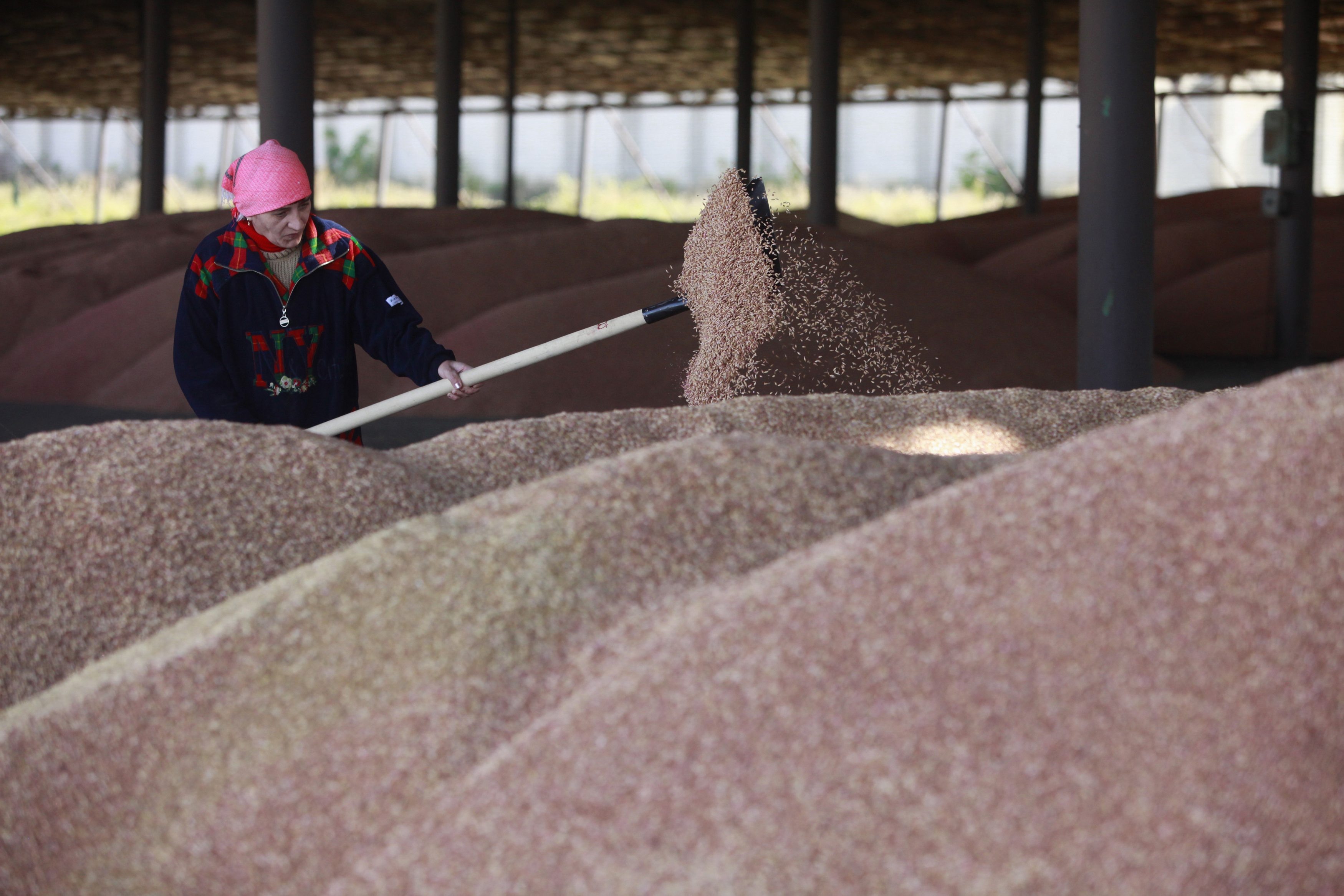
In a number of Russian regions, a protest of grain carriers is held, which require an increase in transportation tariffs. Since mid -January, the transportation of grain has temporarily stopped drivers of several hundred cars from the Rostov region, the Krasnodar and Stavropol Territory. It is reported that protests are ready to support grain carriers from the Volgograd, Voronezh, Saratov and Tambov regions. Drivers do not put forward political requirements and are ready for negotiations with the authorities.
Carriers of grain are unhappy with the size of the tariff, according to which they carry out their activities. It is approximately 1 ruble of 40 kopecks for the transportation of kilograms of grain at a distance of 200 kilometers. According to the law, the loading of grain vehicles should be in the range of 40–44 tons. According to protest organizers, now carriers have to load cars with 70 tons of grain. The main requirement of protesters is to establish a single tariff for the transportation of grain, which would depend on fuel prices.
Fuel prices and the cost of grain have increased significantly in recent years, and the prices for transportation have remained at the level of 2011-2012, the organizers of the protest say . Carriers are forced to overload their cars, for which they are fined or extorted bribes. The essence of the protest and the requirements of carriers of Radio Liberty was told by the President of the Association of Road Road Transport "Gruzavtotrans" Vladimir Matyan :
This is not a protest in its purest form
- This is not a protest in its purest form. This is a speech against the actions of customers, traders, as well as against violations of the legislation by the controlling body. I would compare it with the Italian strike. Carriers refuse to carry grain at the current tariffs. Supervisors force them to carry them with overload, customers indulge this, and the regulatory authorities close their eyes to this. We hold this action without cardinal offenses. People drive on elevators, meet with carriers, with their colleagues, and bring to them the idea that they need to start counting money and not to bend under the monopoly of grain companies that buy grain and try to secure super -production in violation of the legislation, the head of Gruzavtotrans Vladimir Matyan believes.
According to him, with the existing tariff for the transportation of grain, which is about 1 ruble of 40 kopecks, more than 70 percent of the carrier's costs goes to fuel:
We are tired of carrying overloaded cars and breed corruption at control points
-If you pay Plato ( the system of charging fees with trucks weighing over 12 tons.-RS ), taxes, salary to drivers and some funds to put off for updating equipment and depreciation, the carrier itself will climb into our pocket. This is an economically unreasonable low price. Many cargo customers say that you need to load three cars into one car, and you will have the price of 4 rubles for transportation, and everything will be fine. But why should the carrier violate the law? He doesn't want to. And now the carriers consolidatedly said that we were tired of carrying overloaded cars, tired of breeding corruption at control points, we want to work within the legal field. We want the state to ensure compliance with legislation by all market participants. If the legislation is met, then, accordingly, they will cease to carry with overload. Prices will automatically rise, ”says Vladimir Matyan.
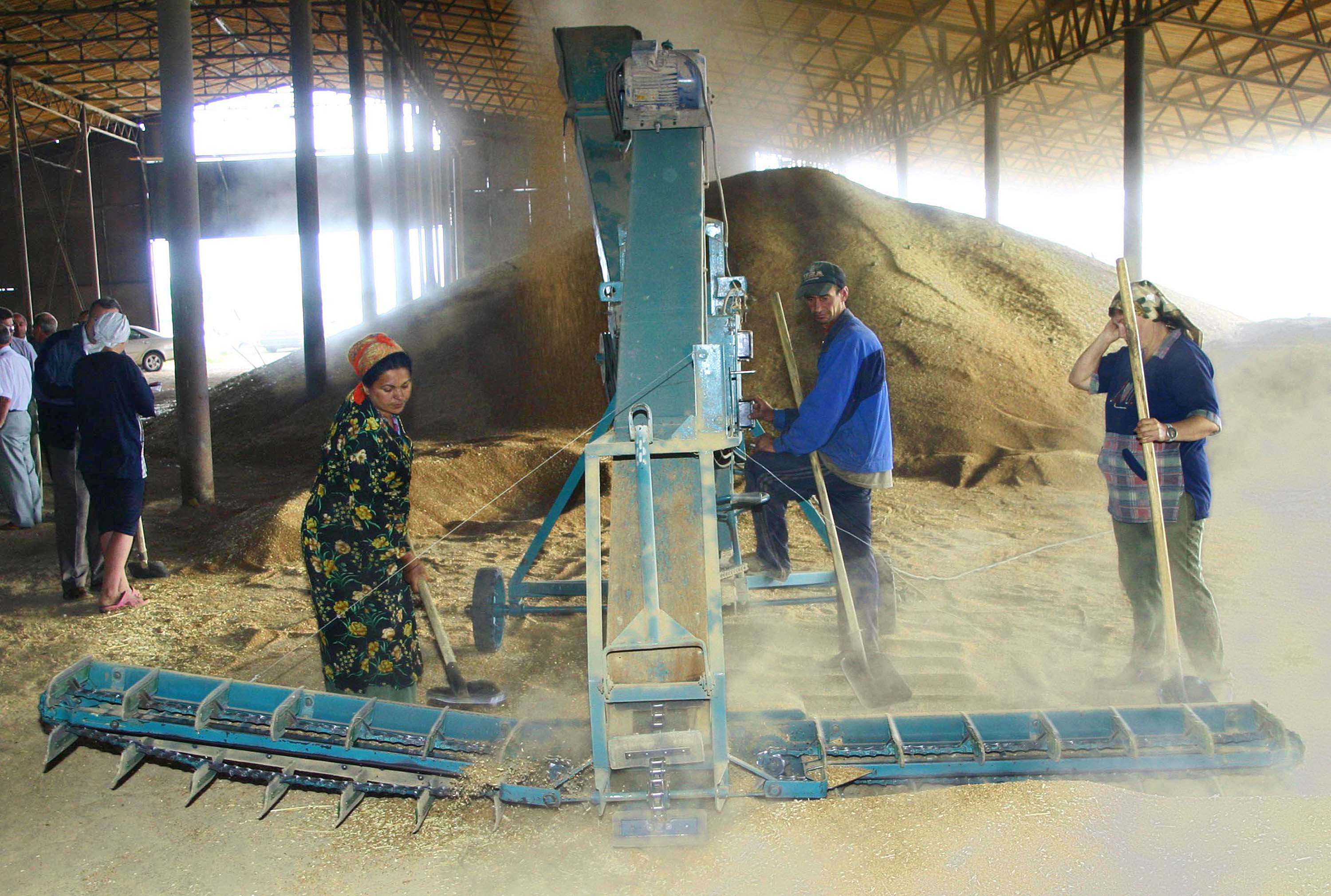
According to him, the organizers and participants of the action believe that the authorities will listen to them: they have already turned to Russian President Vladimir Putin, to the Ministry of Agriculture of the Russian Federation, to the prosecutor's office, the Ministry of Transport and the Federal Antimonopoly Service demanding to restore order and increase tariffs for the transportation of grain. According to Vladimir Matyagin, the Ministry of Agriculture and the Presidential Administration promised to take control of the situation, but the drivers did not return to work.
The President of the Russian Grain Union Alexander Korbut believes that the actions of grain carriers will not affect the situation in the market, and believes that the established tariffs for transportation, for the increase of which drivers act are economically justified:
This is an objective reality. The volume of transportation has fallen
- So always everything is arranged in nature and business - no one is ever satisfied with the tariffs. The one who provides services says they are too low. Anyone who receives services says they are too high. This is a normal phenomenon. And it would be strange if everyone were happy in the situation that is. At the moment, something is not entirely clear. They call it an Italian strike. But the Italian strike is work according to the rules. Here, as I understand it, based on what is published, they do not work and do not allow others to work a little.
What happened has a completely objective economic nature. The volume of transportation fell quite sharply because the volume of grain shipments fell. Naturally, those who are engaged in transportation are acutely interested in expanding their capabilities and retaining their profits and profitability. But this is a common story, because we still have a grain market-seasonal. Well, it happened historically. From my point of view, in any case, all these issues should be resolved at the negotiating table. Moreover, this negotiating table should provide for the fact that carriers and their counterparties are involved, that is, those who use their services. At the same time, I’m not sure that the other side has such a happy opportunity to take and raise tariffs now, ”Alexander Korbut believes.
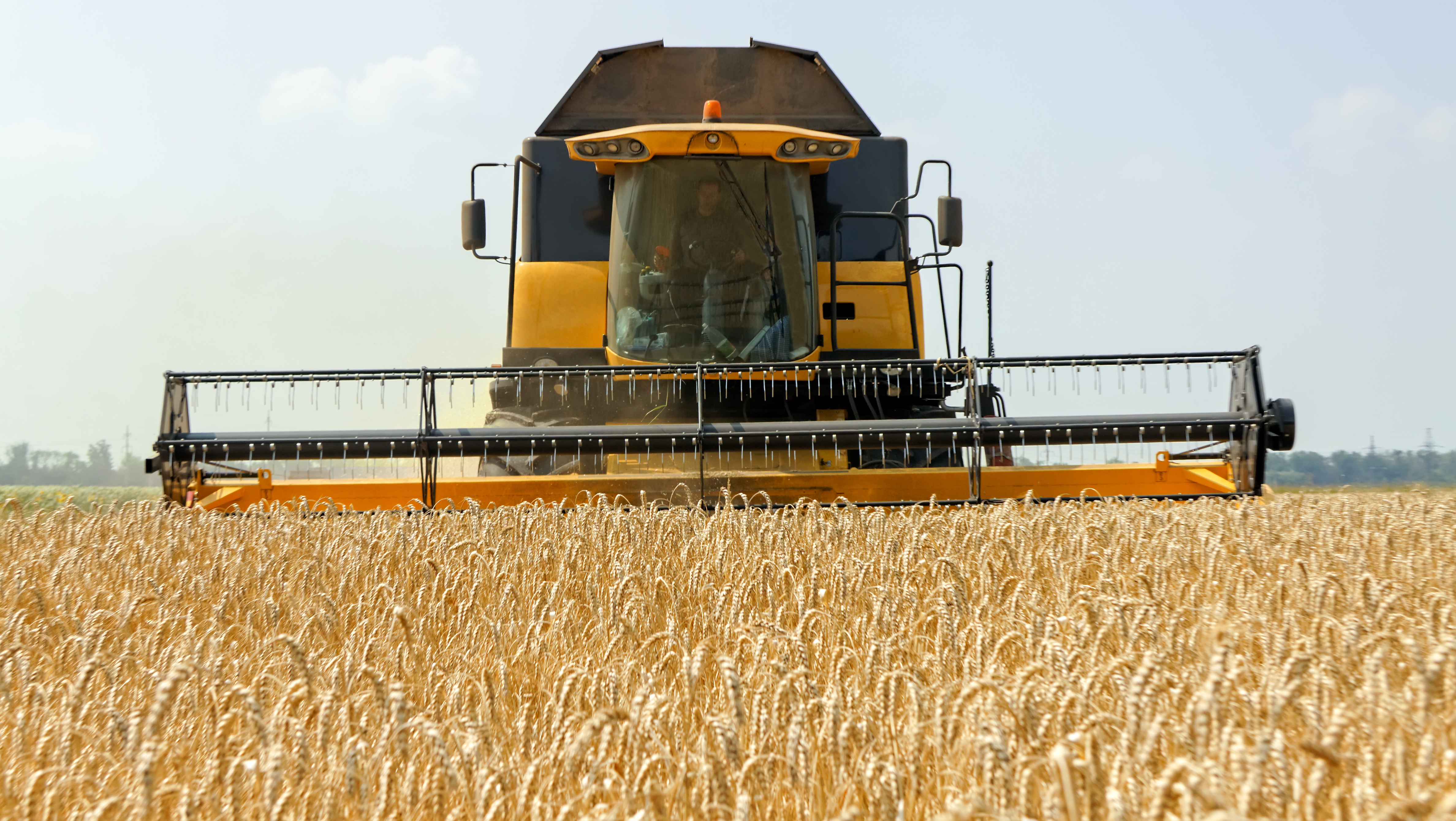
According to the President of the Russian Grain Union, he does not expect large -scale consequences of the shares of grain carriers - this should not lead to a grain deficit or an increase in prices:
This can lead to restriction of grain transportation for export. This will not affect ordinary people in any way
- Theoretically, this can lead to the restriction of grain transportation for export. This can reduce export deliveries. Accordingly, market positions will deteriorate among companies that are engaged in export. They may have non -fulfillment of contracts. Theoretically, this may be, but it may not be, because people there work literate and professional. I think they will find a solution. And on ordinary people this will not affect at all. Export shipments do not affect the townsfolk at all. In addition, as I understand it, despite some restrictions, transportation and shipping of grains, so that this will not affect the market, ”Alexander Korbut is sure.
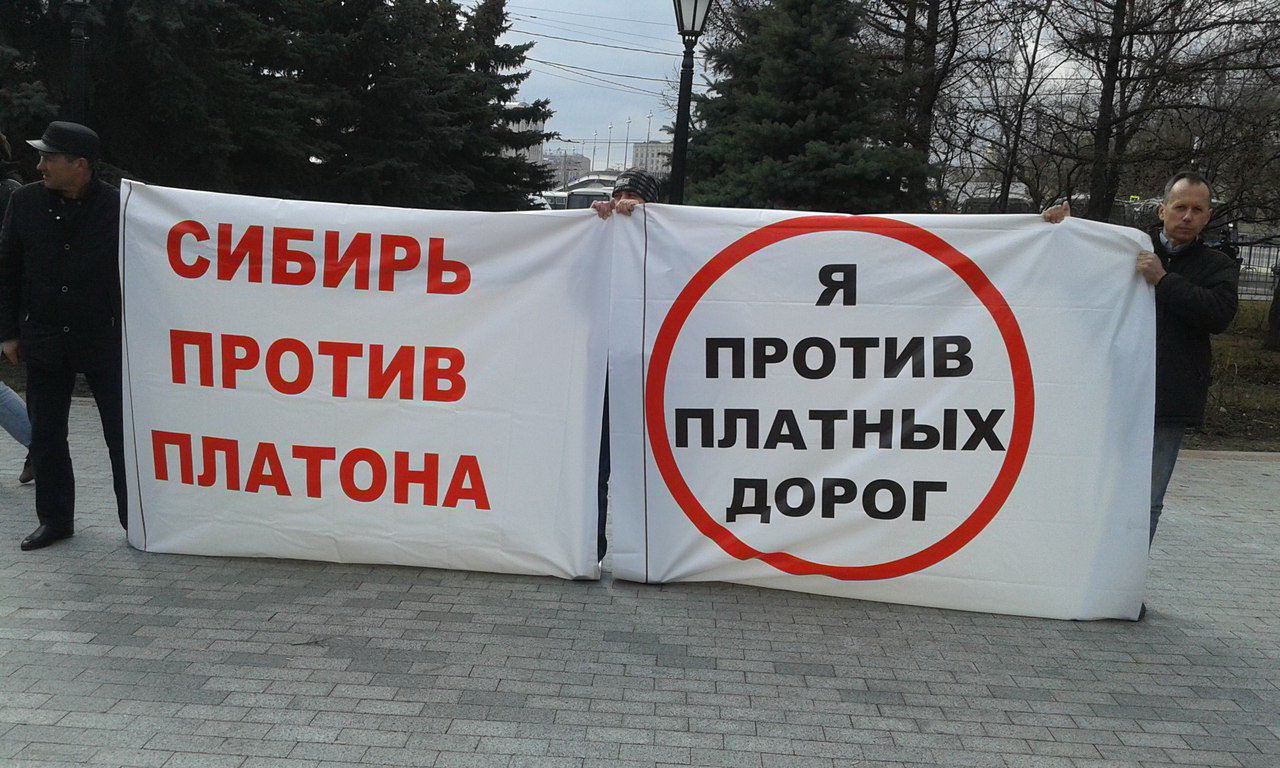
People decided that it was time to raise tariffs. However, they have no political requirements
- The scale of this action is quite small. These are not truckers, but grain carriers. They call themselves grainwakes, ”says Sergey Ainborder, a member of the Professional Drivers-Professional Drivers. - Their tariffs are really low, and therefore they have to work with huge overloads. People decided that enough, it's time to raise tariffs. However, they claim that they have no political requirements. Our trade union has no direct connection with these guys, but we support them. And they should take into account that the head of this protest Vladimir Matyan once met with Prime Minister Dmitry Medvedev and supposedly agreed from the entire community to reduce tariffs on Plato.
Therefore, I somehow advise these guys to be careful, to demand and achieve their desires in tariffs. And, of course, I would like to remind you that if you are not interested in politics, the policy will be interested in you later. You need to consider this. Now is the unsuccessful time for transportation, and it is clear why they are. The market was sagging, the grain has to be exported simply from elevators, there is little work. It turns out that people work "to zero". Plus, fuel is getting more expensive. I think Plato will soon increase its tariffs. And maybe people will still go out, protest and declare their requirements. There is a bill that provides for the installation of automatic weight control frames. And the same Plato system will serve this framework that will continue to earn money on us. Of course, people are unhappy, ”says Sergey Ainborder.
One of the largest strikes by tributor drivers in Russia began in November 2015. Drivers opposed the introduction of the Platon charging system for travel along federal routes for trucks with permitted maximum mass over 12 tons. One of the owners of the Plato system is Igor Rotenberg, the son of friend Vladimir Putin Arkady Rotenberg. Initially, it was planned to take 3.73 rubles for each kilometer for travel of 12 ton cars on federal routes. But later the government, largely due to the protests of the truckers, reduced the cost of to 1.53 rubles. In 2018, the tariff increased to 2.15 rubles. It is expected that in July 2019 the tariff for Plato will be indexed and will grow again. The penalty for unpaid travel is 450 thousand rubles for the first violation and 1 million for repeated.