
Translated material
Light breathing at the expense of regions
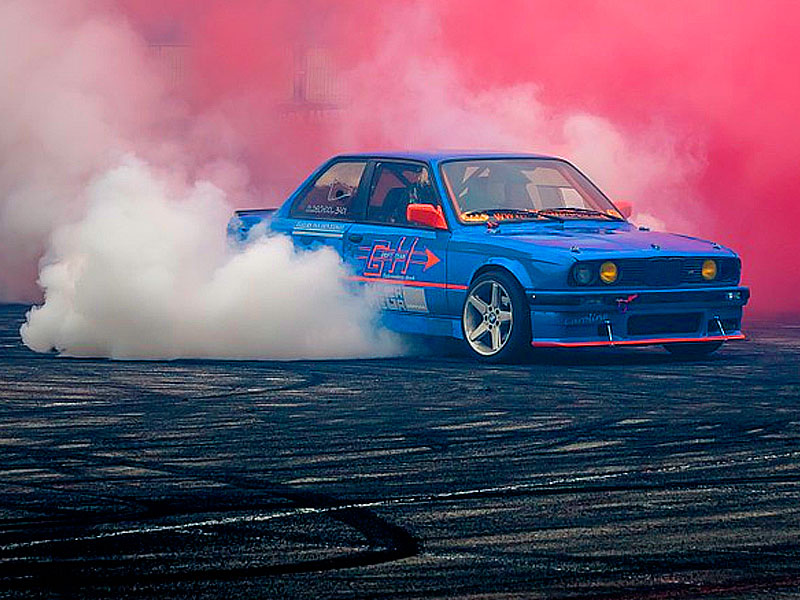
In the capital, zones closed for cars with engines of low ecological classes may appear. The Council under the President of the Russian Federation on the development of civil society and human rights, made a proposal to limit the movement of machines with a dirty exhaust. The Moscow City Hall supported this proposal, promising human rights activists to help in its implementation.
Excerpts from a letter signed by Moscow mayor Sergei Sobyanin were published on January 28 on the HRC website. “The Moscow government supports your initiative, it is ready to assist in resolving the issue of introducing zones in the city of Moscow with restrictions on the entry of vehicles of low environmental classes in relation to all vehicles administered by photovideo -fiction, and thanks you for an indifferent attitude to the issues of improving ecology, including in the city of Moscow,” the report said. The mayor entrusted the head of the Department of Transport and the Development of Road Transport Infrastructure of Moscow Maxim Liksutova. When the zone forbidden for non -ecological transport will appear, it is not specified.
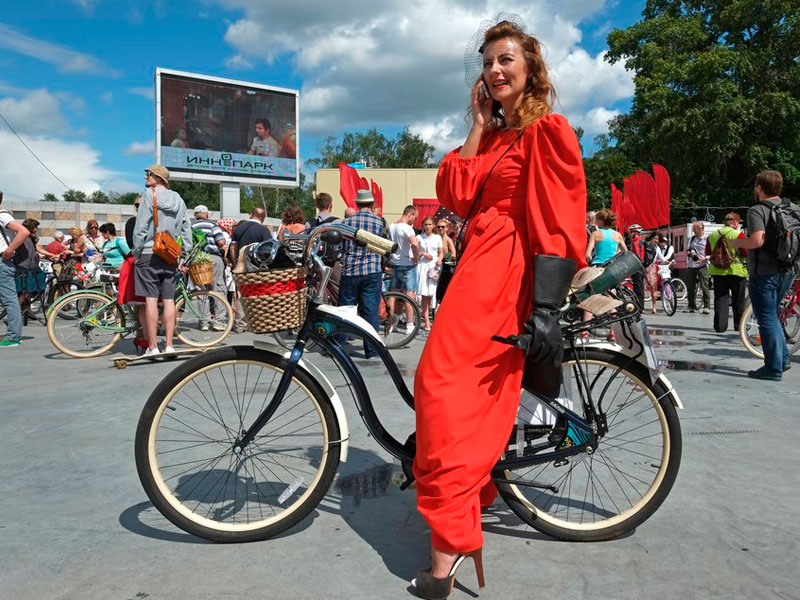 Bicycle parade in the Park "Sokolniki" / MSKAGENCY.RU
The initiative of the Human Rights Council contains several proposals. Human rights activists want to create a database of environmentally friendly vehicles registered in Moscow and determine the zones where only them will be allowed. It is assumed that it will be monitored by the rules and record violations of the video control systems. To do this, you will have to change two state standards that allow the use of road signs restrictions on the environmental class of vehicles (the sign “Zone with a restriction of the environmental class of mechanical vehicles” and others).
Recall that the changes to the SDA, introducing new familiar signs, were approved back in 2017 and entered into force last summer. The “Ecological class of the vehicle” plate will be installed along with the signs “The movement of mechanical vehicles is prohibited”, “the movement of trucks is prohibited”, “the movement of motorcycles is prohibited”, “the rotation is prohibited” and some others. Police will be able to check information about the environmental class of each car in the database. Inspectors will be able to clarify it in the registration certificate. The new edition clarifies the concepts of “security islands” and “dividing strip”, and also introduces new concepts of “hybrid car” and “electric car”.
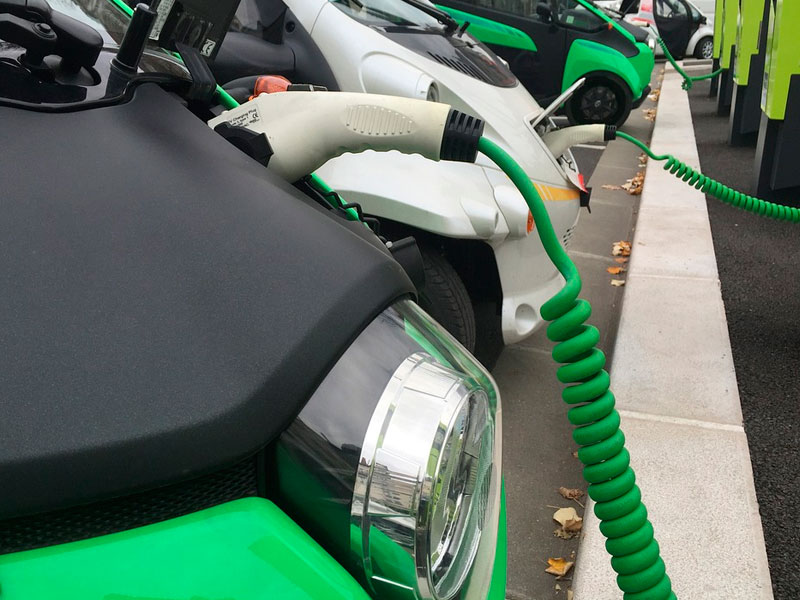 Electric cars on charging / pixabay.com
The system relies on the standards of Euro -entered by the European Union. These are environmental standards for the limiting concentrations of harmful substances in exhaust gases, both gasoline and diesel engines fall under the classification. The earliest-Euro-0-was adopted back in the late eighties, the latter-Euro-6-4 years ago. With each new standard, the maximum permissible concentrations of harmful substances are reduced. The ban will affect the transport of classes “0”, “1”, “2” and “3”. It is assumed that it can become one of the possible ways to solve the problem of air pollution in large cities. At the same time, according to the Avtostat agency, on January 1, 2018, which is brought by the HRC, most of the Russian machines fall under the restrictions. In Moscow, data are given for 2016, in the capital of them a little less than half.
All this looks logical in the context of Sobyanin’s struggle with “harmful” transport, both public and personal. Since 2012, paid parking on city streets has appeared in the capital, in seven years they have gone beyond the MKAD, and tariffs for this service are constantly increasing. Since 2013, the capital's authorities have been purchasing only buses with EUROSICAL CLASS “Euro-5”. In the future, Moscow plans to completely switch to electric city transport - starting in 2021, only electric buses will be purchased in the city. At the same time, alternative modes of transport, such as urban bike rolling and rental of electric scooters, have been launched.
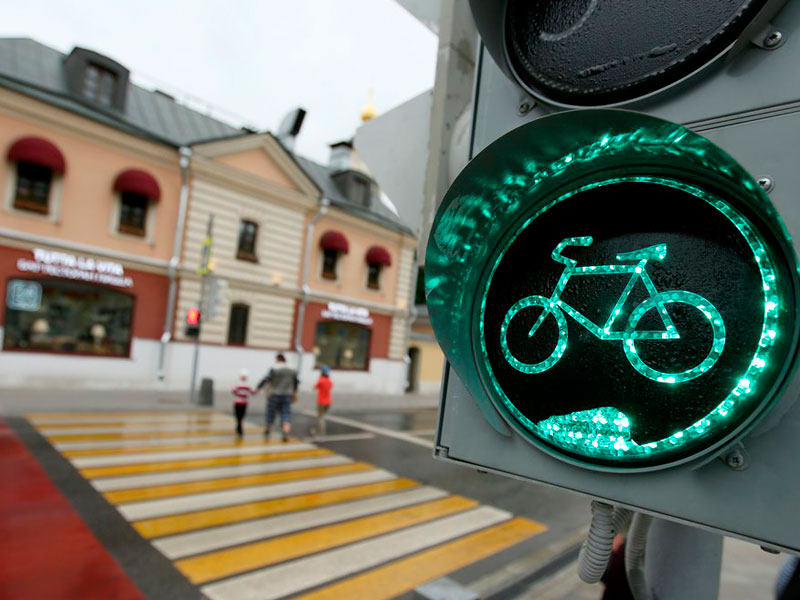 Traffic light on bike path / AGN "Moscow" / Photo: Zykov Kirill
Back in August 2017, the Deputy Minister of Transport Nikolai Asaul spoke about the gradual introduction of restrictions in large cities, precisely from Euro-3 engines and earlier. In December of the same year, Vice-mayor Maxim Liksutov said that in order to get rid of traffic jams, it is necessary to reduce the number of cars in the city by half a million. Ecologists, of course, also support this undertaking, referring to European experience and study of two years ago. It showed that measures to limit transport with dirty exhaust can lead to a decrease in the concentration of carbon dioxide and nitrogen dioxide by 22–27%.
But there are problems. The director of the Institute of Economics of Transport and Transport Policy, Mikhail Blinkin, in an interview with RBC, called the measure of antisocial, because it will hit primarily on poor car owners on old cars, in particular, by pensioners. At the same time, the expert recognized the environmental achievements of the Moscow government. “In this regard, Moscow makes the maximum. There are 5 million cars in the capital, about 30% of them belong to the lower ecological classes, ”Blinkin explained. - Everything rests on the fact that the owners of transport of lower ecological classes are pensioners and people are not the most prosperous. On the one hand, the issue of ecology is, on the other hand, the direct interests of a person who needs a car for, for example, trips to the store. This is an absolutely non -binding question. ”
Innovations can affect the automotive market. The already existing trend in reducing the market of used cars and the growth of new ones in the capital will continue. But this will not affect pricing, experts say. In this case, the entire “harmful” transport will simply go into the regions, this will become a consequence of the cleansing of the metropolitan air from exhaust gases.