
Translated material
Life in white death
Issues of improving the quality of food products and the responsibility of the business for the production of falsifications were discussed at a meeting of the interdepartmental working group for the implementation of the strategy for improving the quality of food products in Russia until 2030, which took place, chaired by the Deputy Prime Minister of the Russian Federation, Alexei Gordeev, RIA Novosti reports .
As the press service of the deputy chairman of the government told reporters, the competent departments were instructed to determine with the participation of the scientific community, which food products should primarily enter the regiments of Russian stores in vitamins and trace elements. As possible options in the press service, iodized salt and milk were enriched with vitamins A and D. News that the Ministry of Health plans to ban the sale of salt not enriched with iodine in 2016, but no decisions were made on this score.
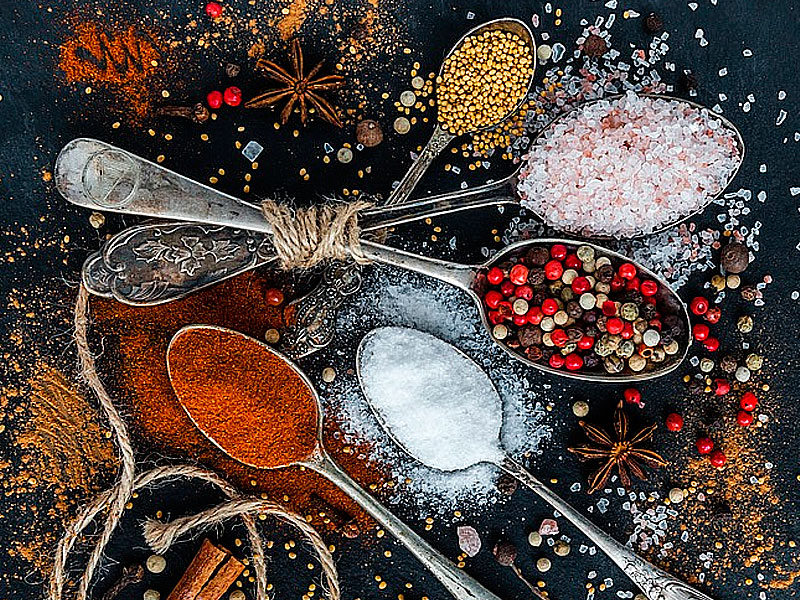 Salt mixture and seasonings / pixabay.com
The government plans to pay special attention to an increase in the production of organic foods in Russia. One of the following meetings of the interdepartmental working group will be devoted to this topic. In addition, the meeting discussed the introduction of a normative determination of the quality of food products to the Russian legislation and strengthening the responsibility of unscrupulous manufacturers for poor -quality products and violation of the requirements of technical regions, RBC reports .
Professor of the Higher School of Economics, President of the Proceedings of Evidence Medicine, Vasily Viktorovich Vlasov, shared his opinions about plans to enrich food with vitamins and microelements with Polit.ru.
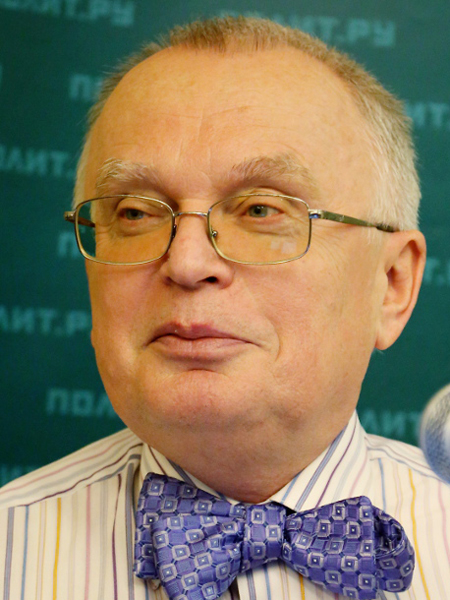 Vasily Vlasov
The Ministry of Health some time ago came out with a bill on the mandatory iodine of salt. I repeatedly criticized this bill because I considered it insufficient. If you compose a federal law on enrichment of food, it should still be complex, and not touch only one specific issue. Although I still note that salt iodization is really in the first place. This is the most studied, most secure, cheapest and non -monitoring procedure for manufacturers.
However, with regard to the following steps, I would first of all talk about vitamins A and D. Based on scientific data, after iodized salt, I would talk about enriching food with iron and folic acid. The fact that now the second measure to enrich food is discussed the enrichment of milk by vitamins A and D, causes me some surprise. This practice also exists, but it has much less scientific grounds.
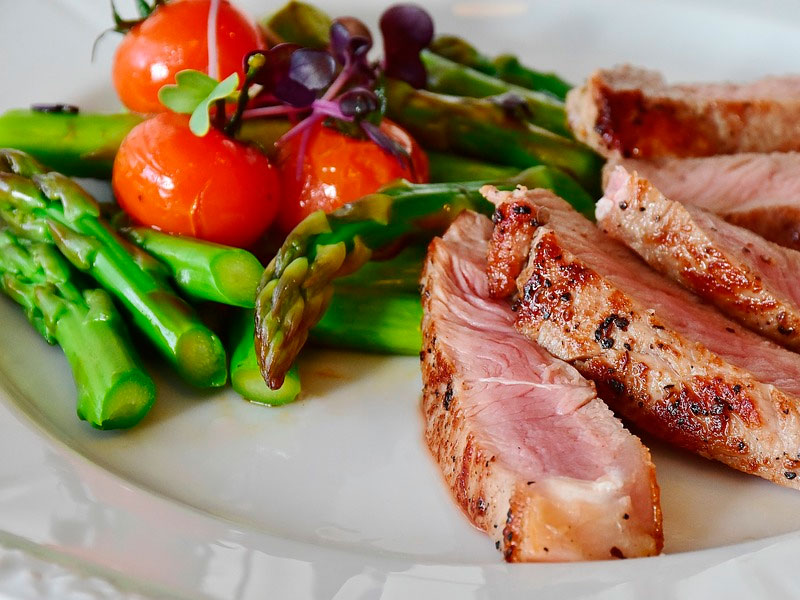 Products with a high content of iron and folic acid / pixabay.com
However, I am still inclined to treat this discussion with optimism. Until now, in this sense, we were around the 1960s. I really hope that this discussion will continue and, as a result, it will be possible to create some kind of federal law or a decree of the government, encouraging or even forcing manufacturers to enrich food.