Translated material
Where does heroin get into Europe and Russia
The Tajik-Afghan border remains the main transport hub for the supply of heroin to other countries, including Russia. The photo director Peter Shelomovsky visited places where the heroin path runs, and captured the life and everyday life of drug trafficks and those who help them. The material was first published on the Bird in Flight.
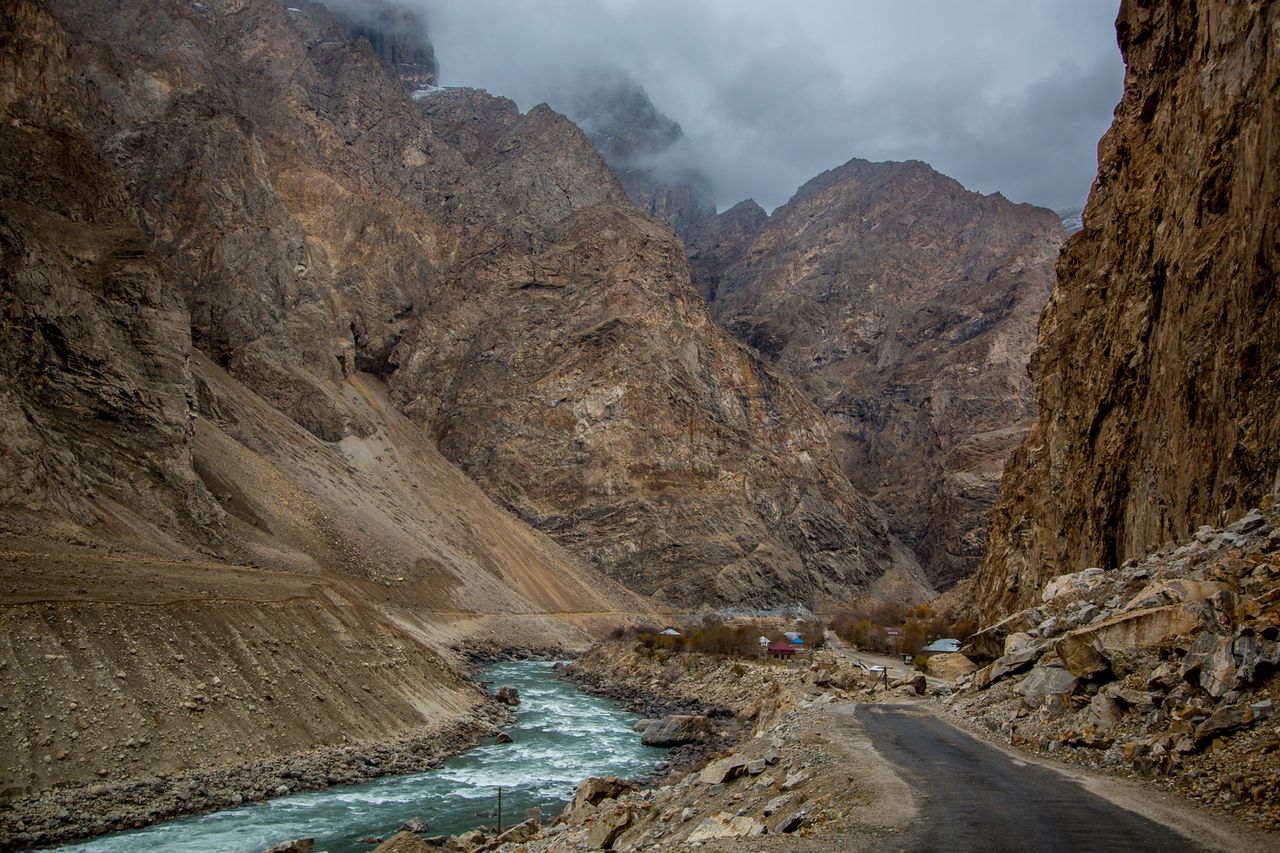
The border between Afghanistan and Tajikistan stretches almost 1400 kilometers along the Panzh mountain river. In its lower reaches, Pyanj can be very wide, but high in the mountains it turns into a much narrower stream, seething with emerald water. In such places you can talk with people on the other side. They say that twenty years ago it was possible to throw a piece of soap on the other side, and a bag of heroin flew back.
The border between the Russian Empire and Afghanistan was formed at the end of the 19th century, when Russia, expanding its territories south, collided in Afghanistan with advanced detachments of the British. The border held by the Russians and the British along the Punj River divided people who speak the same language - Farsi.
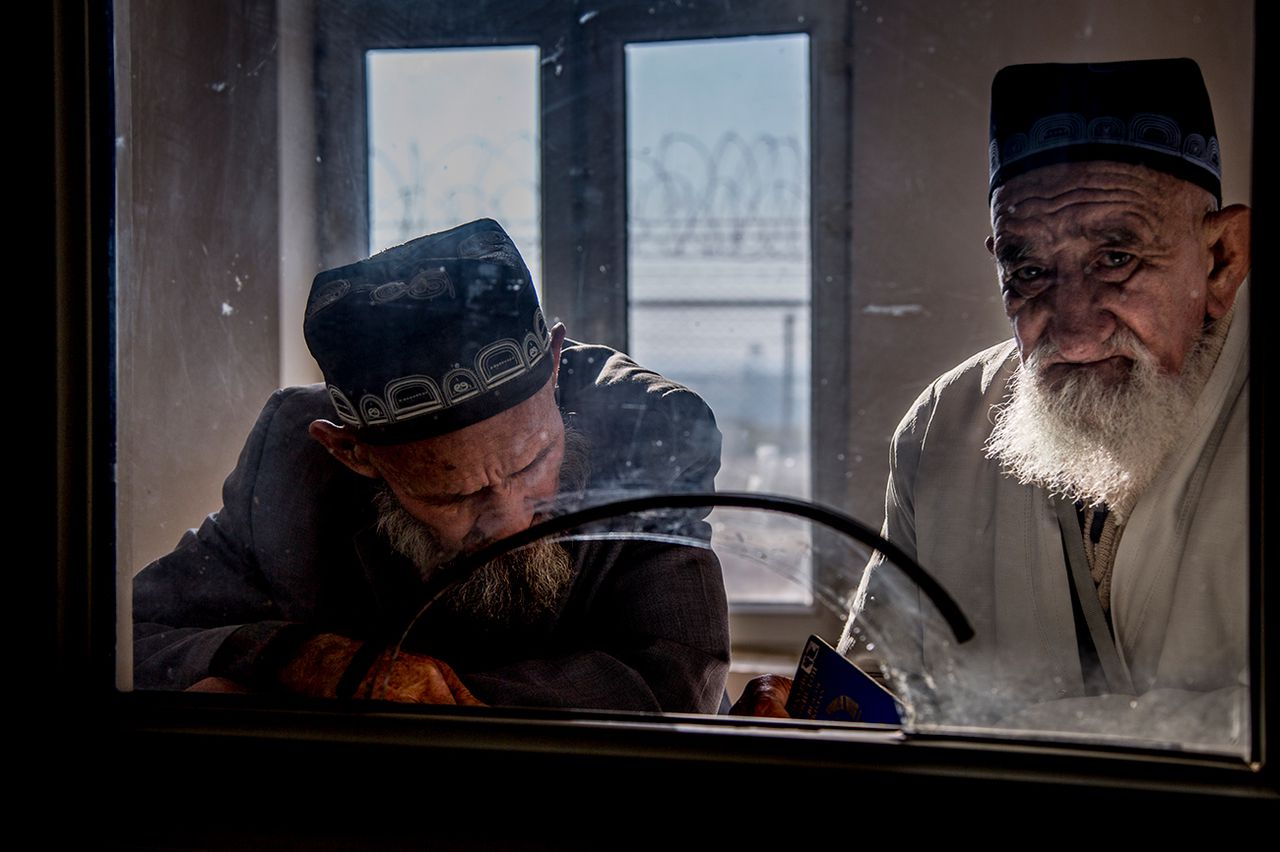
Many have relatives behind the river. Despite the fact that in Afghanistan it is now very restless, pensioners Ibrahim and Hassan together went to the Afghan city of Mazari-Sharif to see relatives.
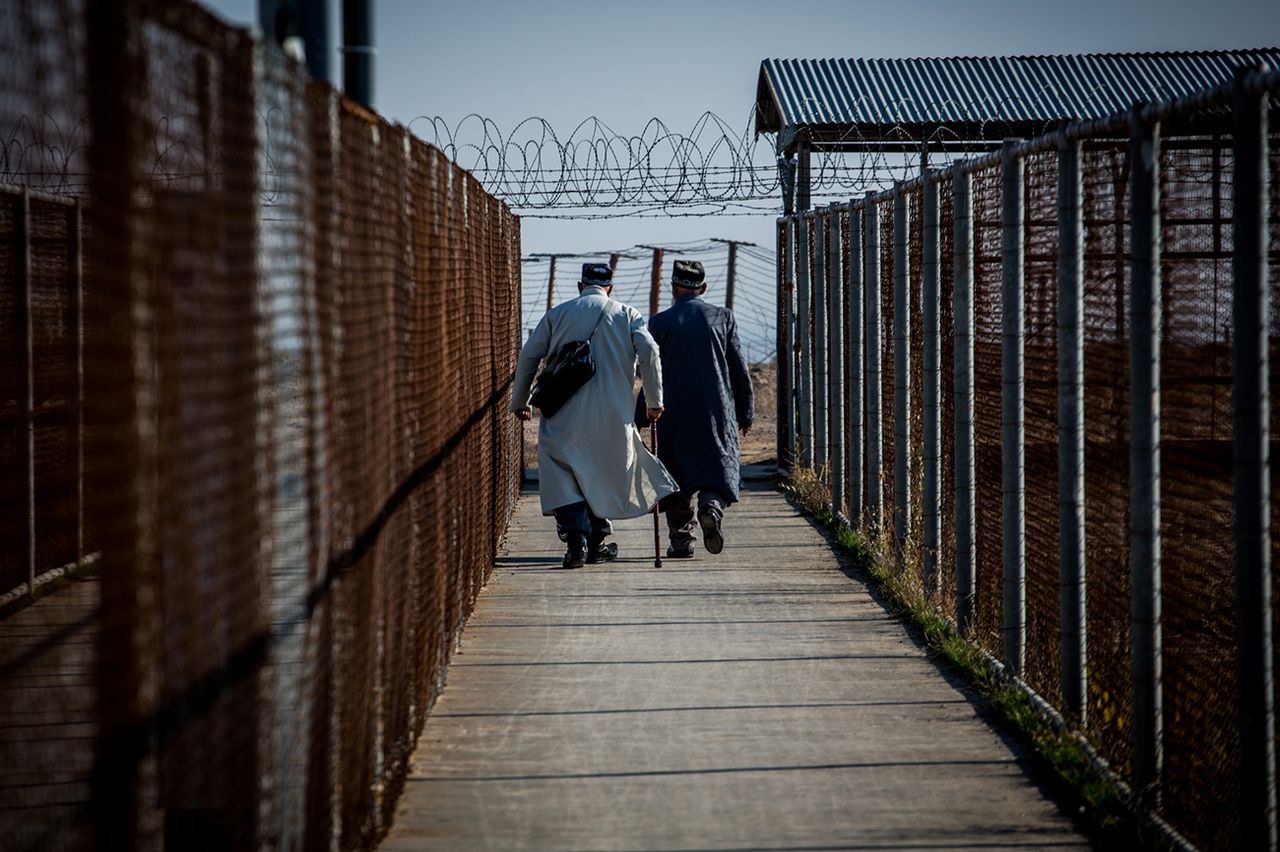
After the collapse of the Soviet Union and the Civil War in Tajikistan, the majority of the Russian -speaking population left the country.
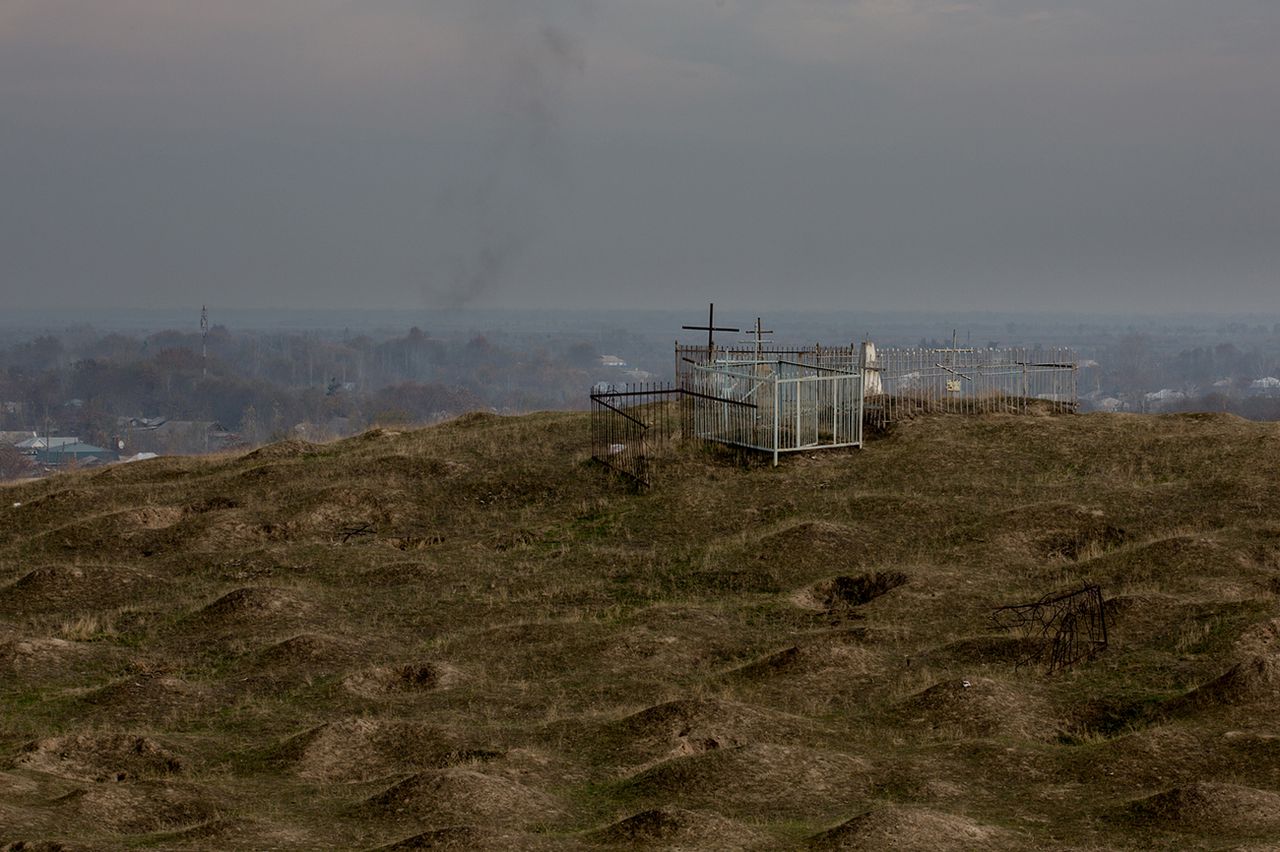
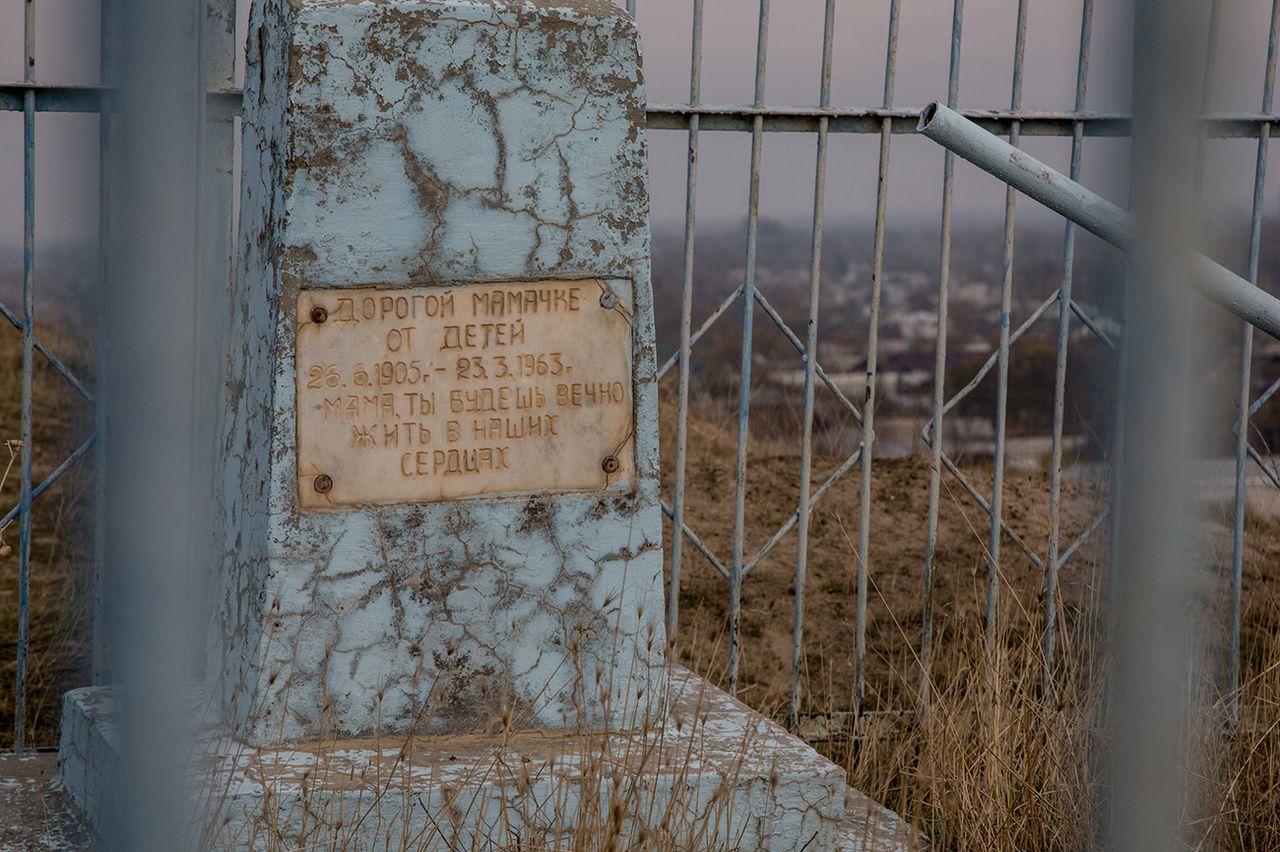
Russian border guards left Tajikistan much later, in 2005. The border has passed under the control of local security forces. On the barbed wire, linen is now dried.
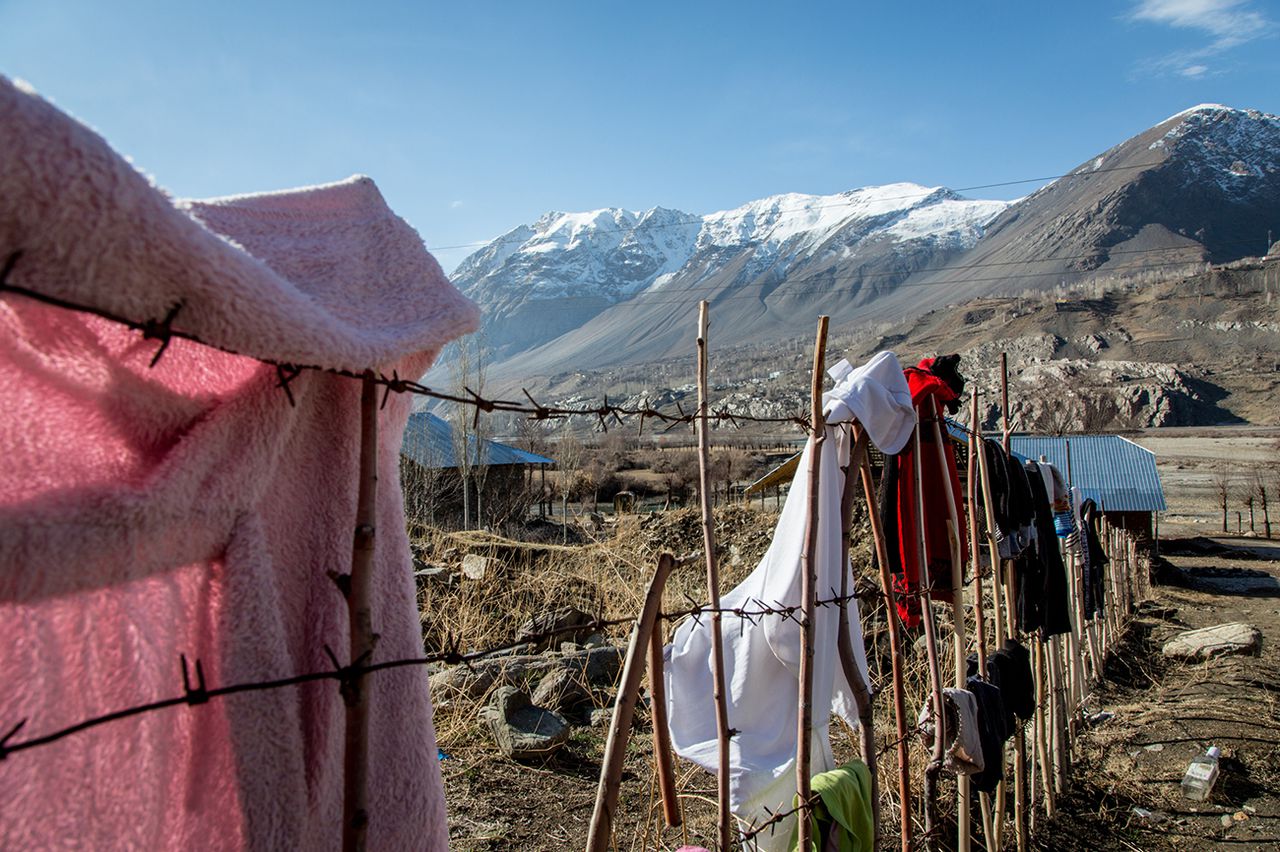
And in the forbidden zone, where vigilant Soviet border guards could easily shoot you before, livestock is now grazing.
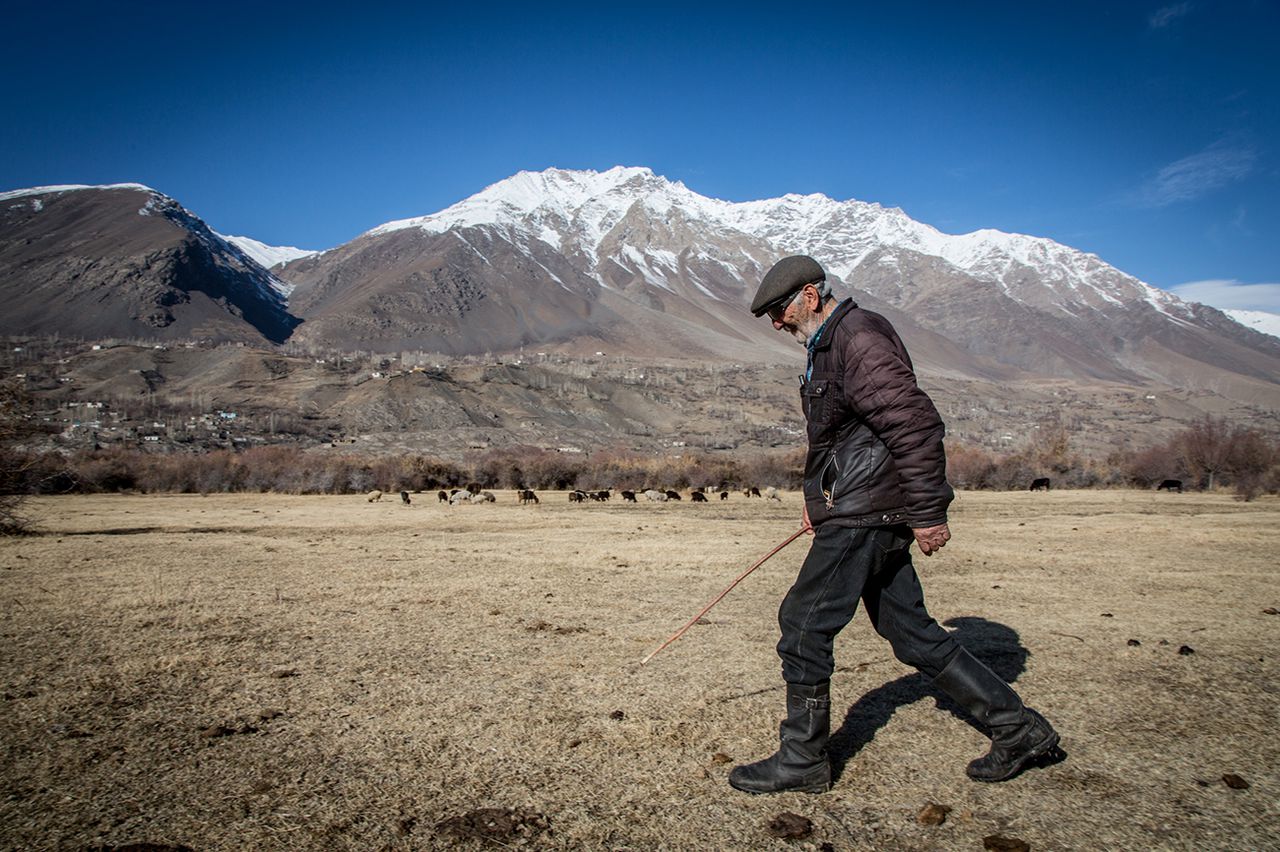
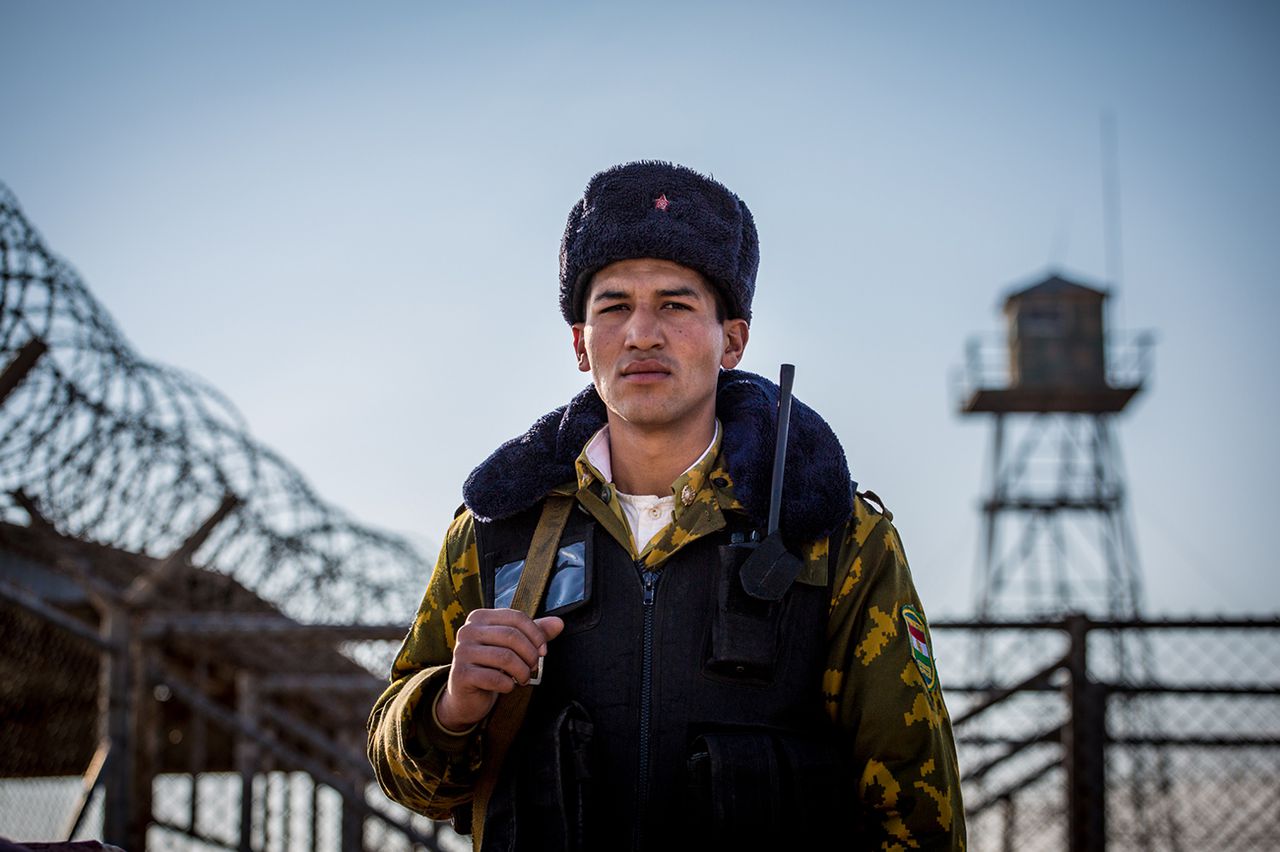
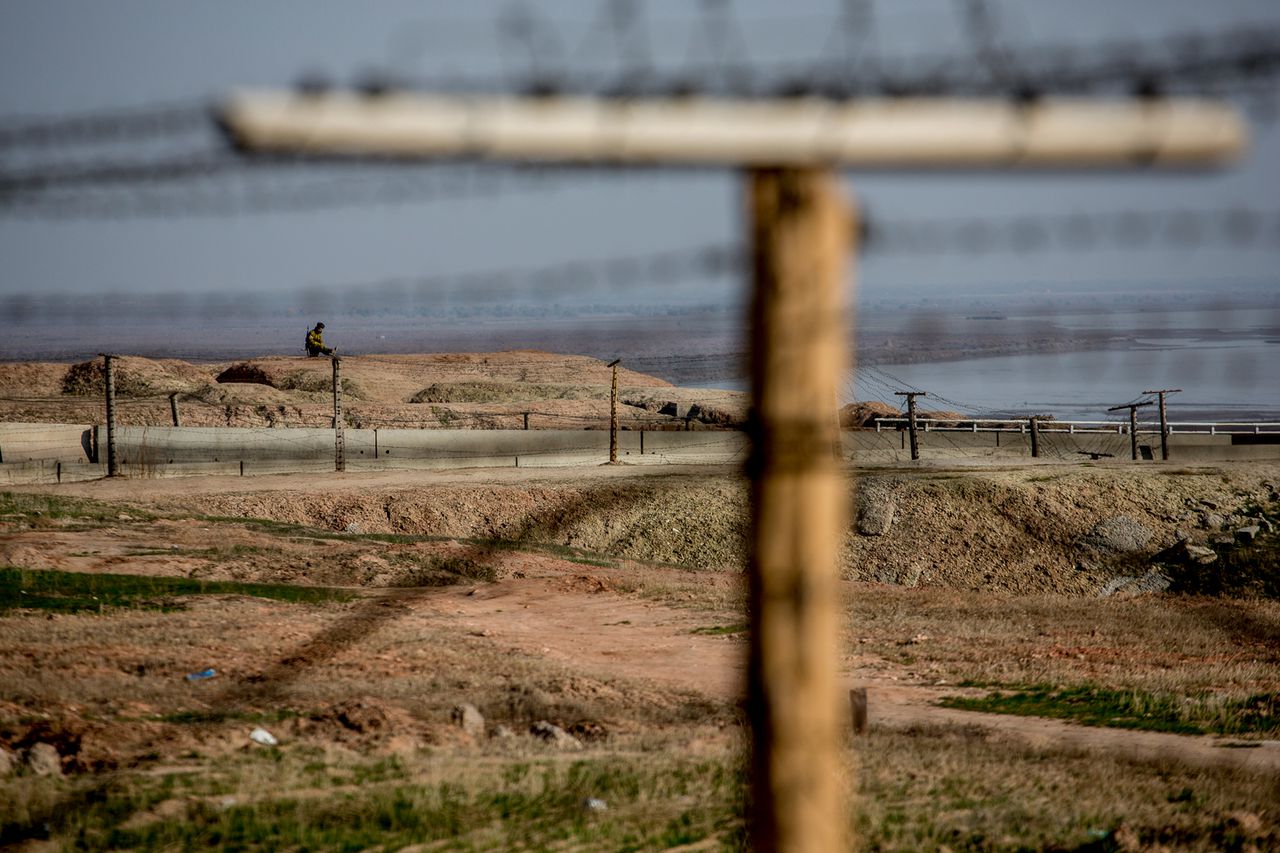
Despite the fact that the Tajik security forces receive international assistance for equipment and re -equipping border crossings, the border is not protected.
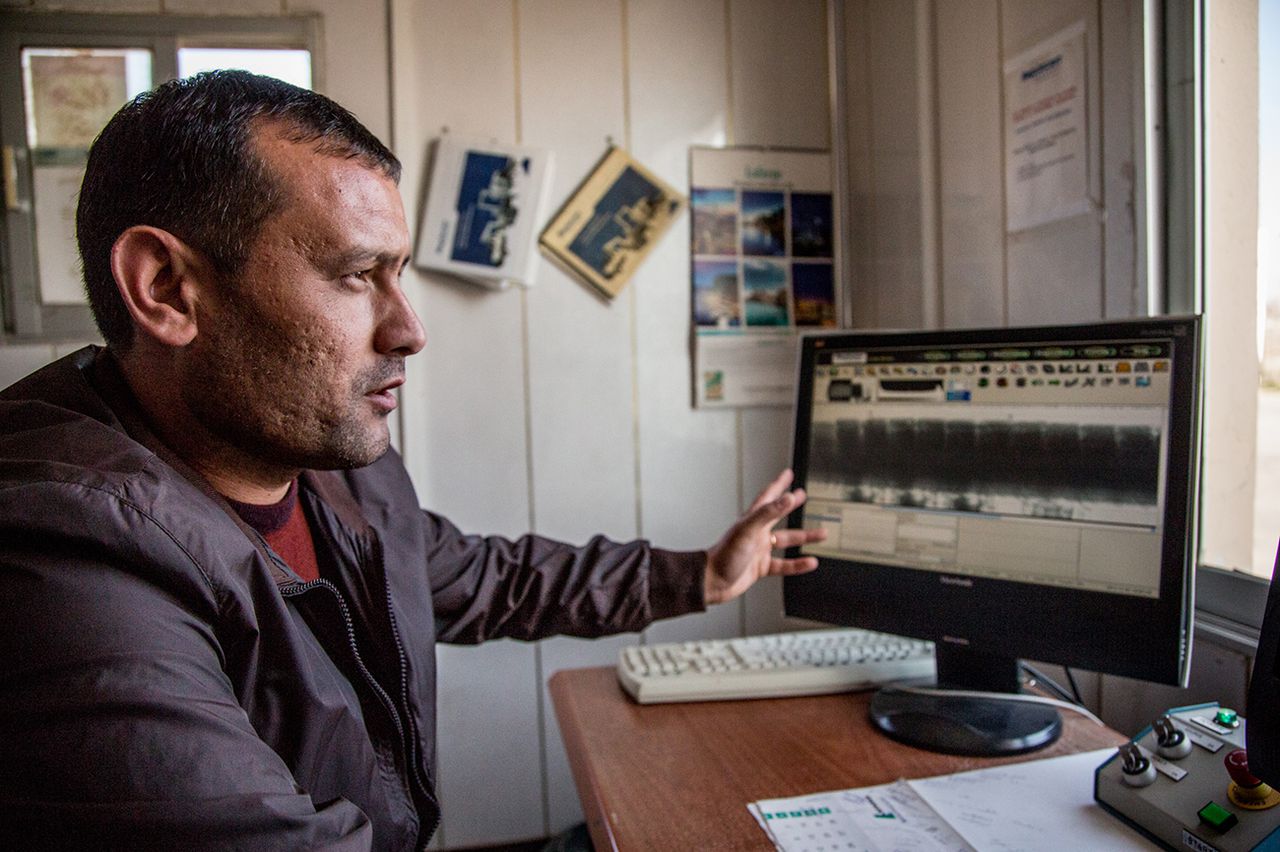
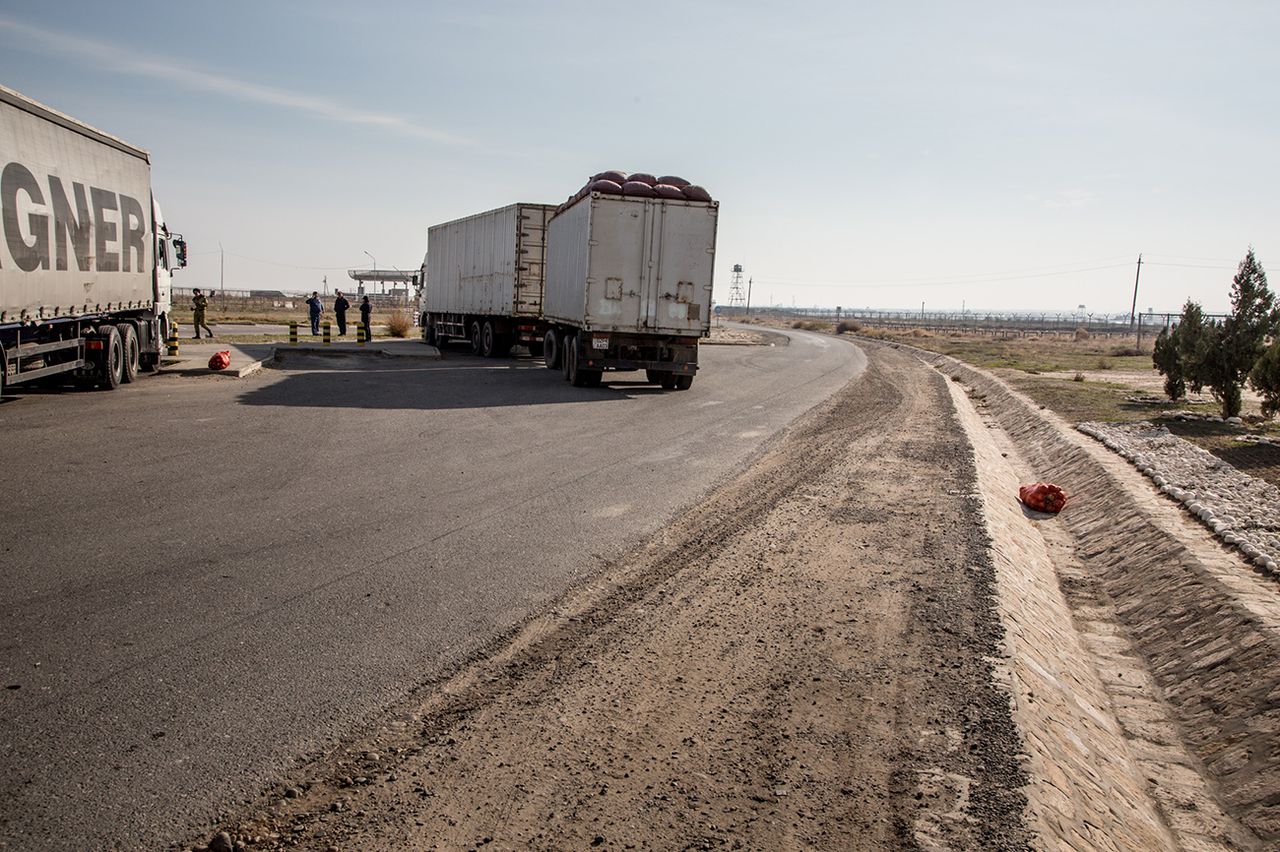
But no, albeit the most perfect, the technique will not be effective if the gap in the border can be pierced with a bribe. Even during our agreed visit to the border crossing of the Nizhny Pyanj from the trucks, as if nothing had happened, bags with fruits continued to “fall”.
In the storage of confiscated drugs, the Tajikistan drug control agency (AKN) of Tajikistan smells like marijuana, heroin and all their derivatives and precursors at the same time. The smell is so strong that even the agency’s officers who have seen the views are clearly uncomfortable. The agency’s website reports that in 2017, 4448 kg of narcotic drugs were seized from all law enforcement agencies and power structures of the republic.
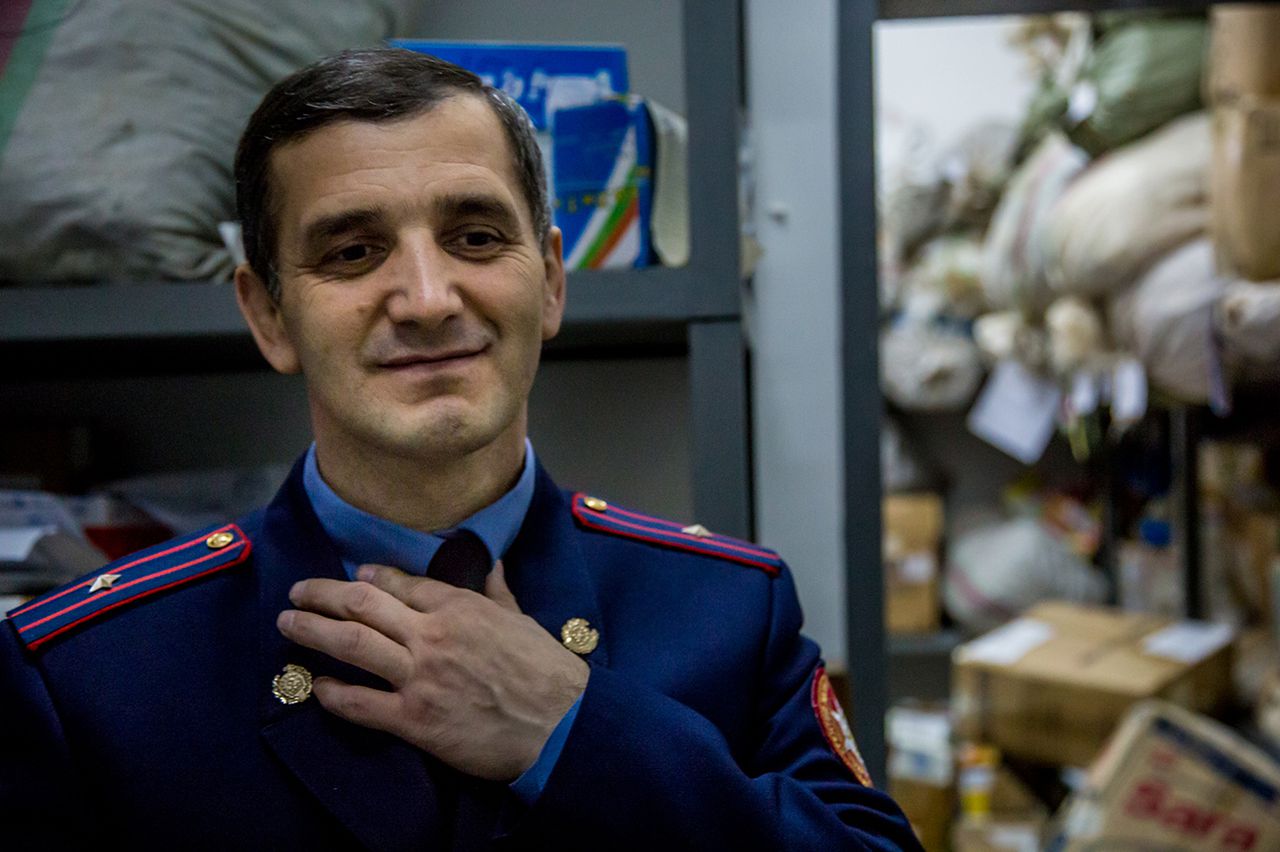
The seized drugs by court decision will be burned in a special furnace, and how many prohibited substances cannot be delayed, they prefer not to talk to us.
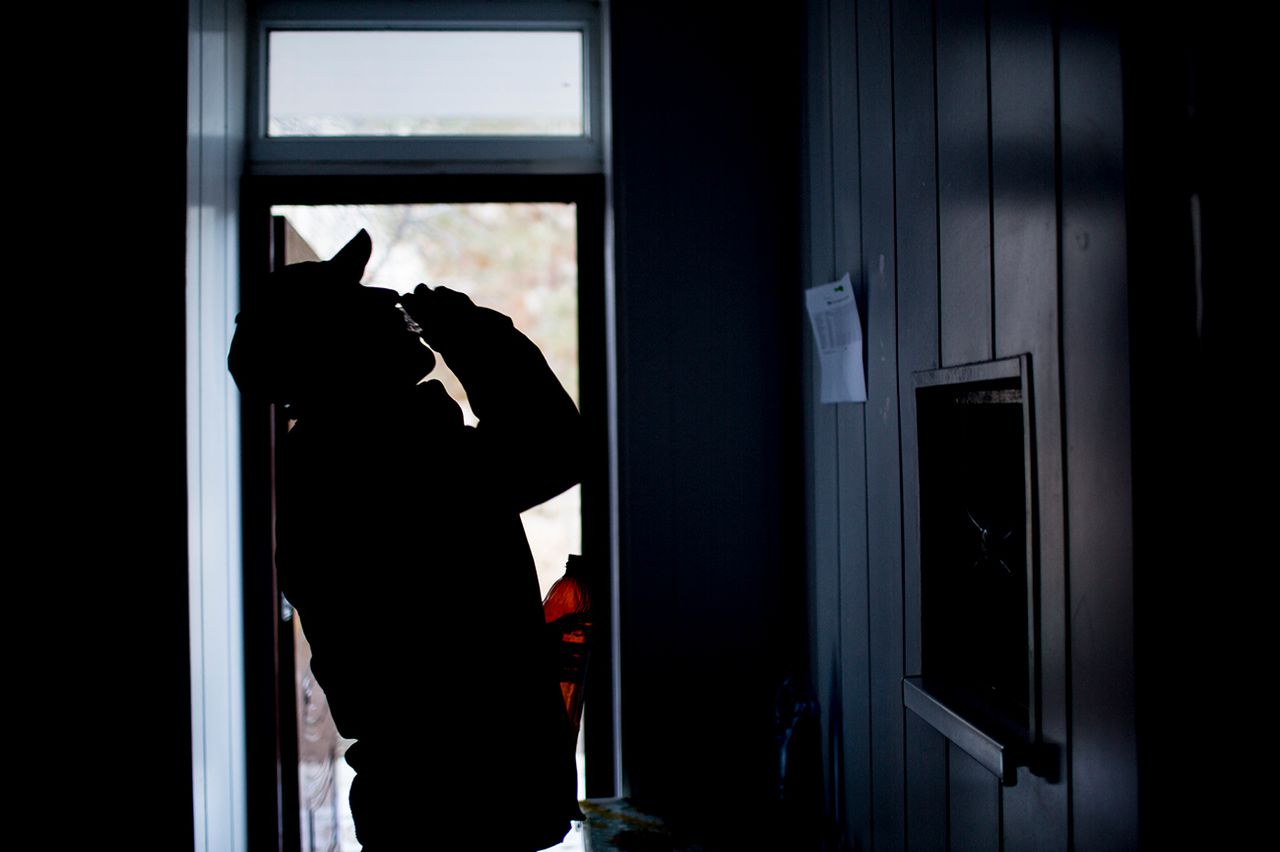
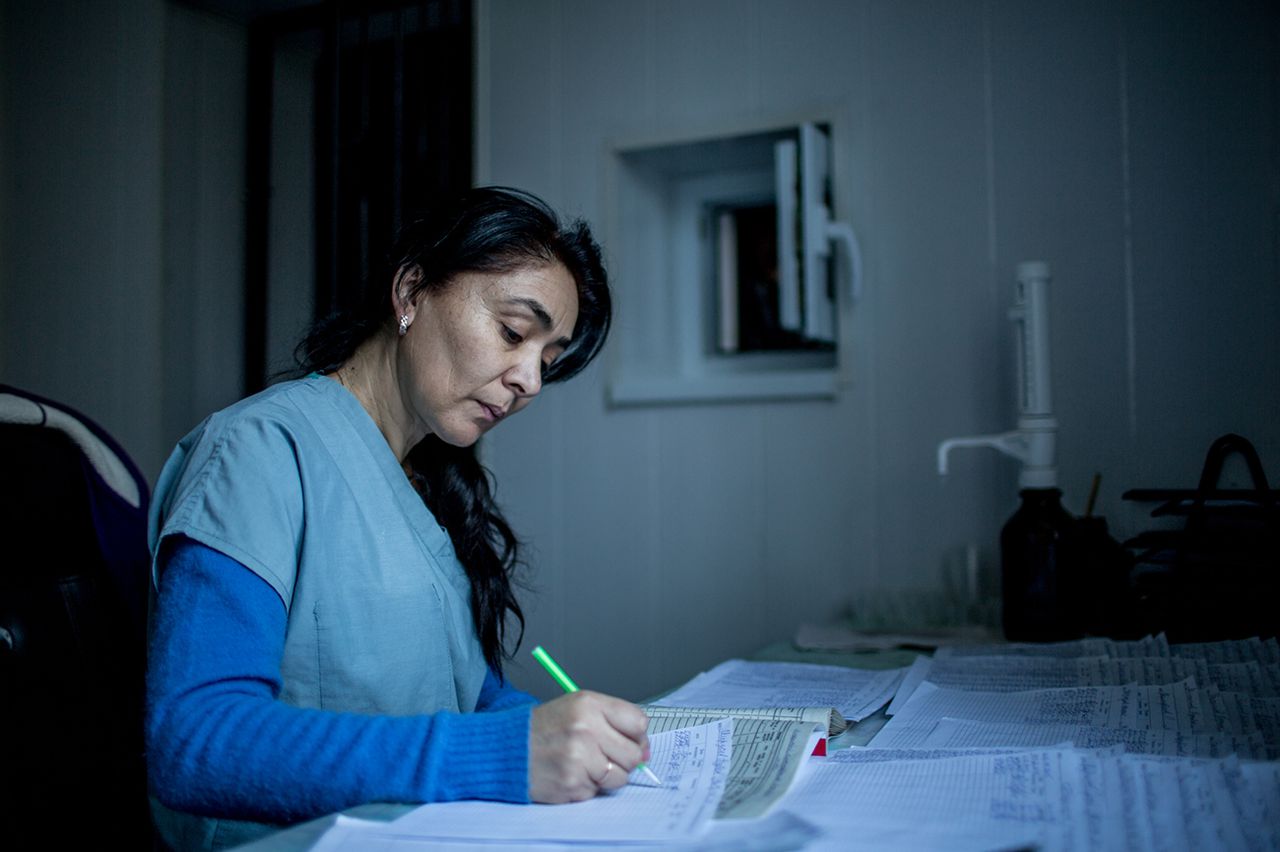
For twenty years now, Tajikistan has been a transit of Afghan drugs on the so-called northern route-through the countries of Central Asia to Russia and Europe. A gram of heroin in Khorog costs about seven dollars. According to the medical institutions of the republic, the number of drug addiction patients in 2017 amounted to 6,947 people, which is less than 1.7% less than 2016 (7067). Real data can be much higher, and we are talking about injectable drug addicts, most of which are sick with HIV. In Tajikistan, replacement therapy is used: under the supervision of a doctor, injection drug addicts every day receive a dose of a synthetic drug of metadon.
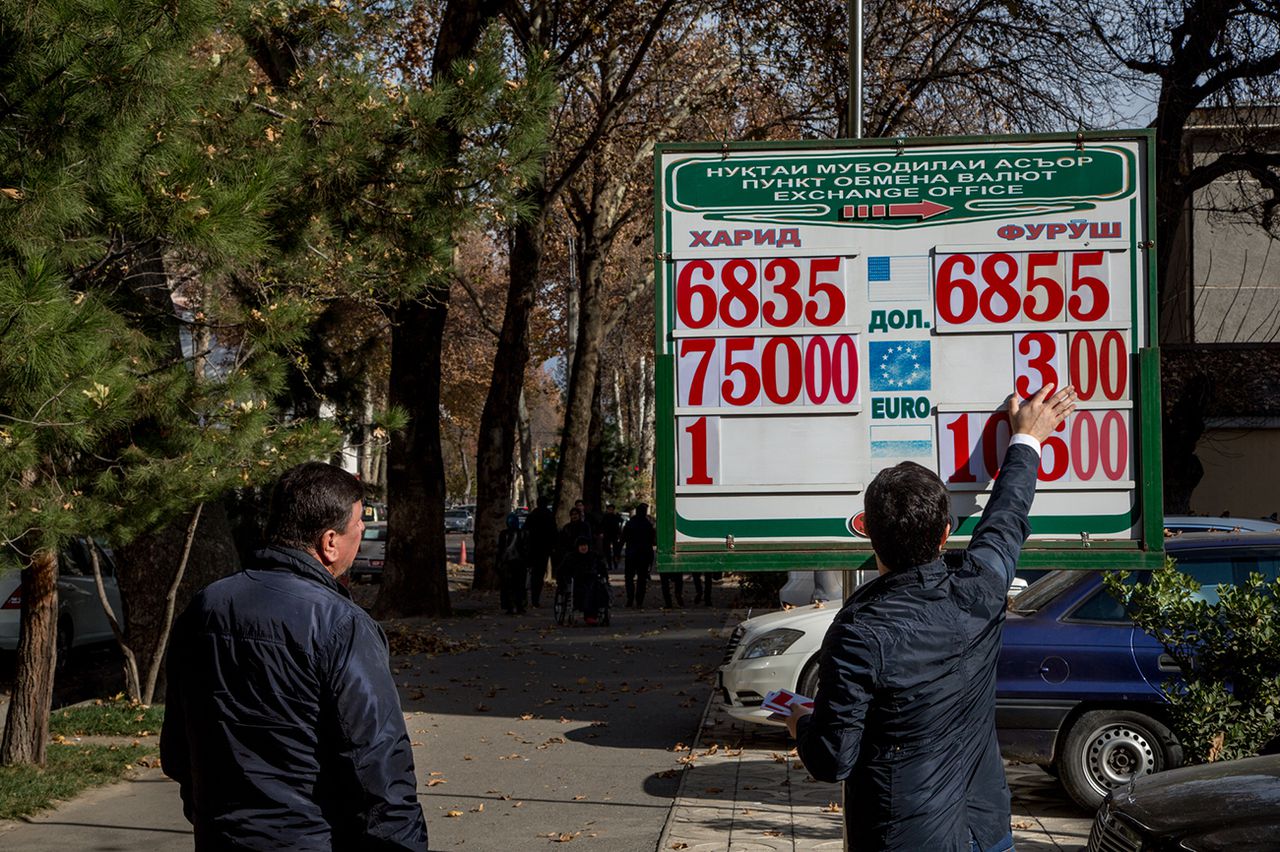
The depreciating national Tajik currency, the fall of the economy and the ongoing crisis in Russia lead to the fact that more and more citizens of Tajikistan are trying to earn on drug trafficking. Along with prosperous corruption at the border, this means that the flow of Afghan opiates on the Northern Route will only increase.