
Translated material
With hope for a gulag
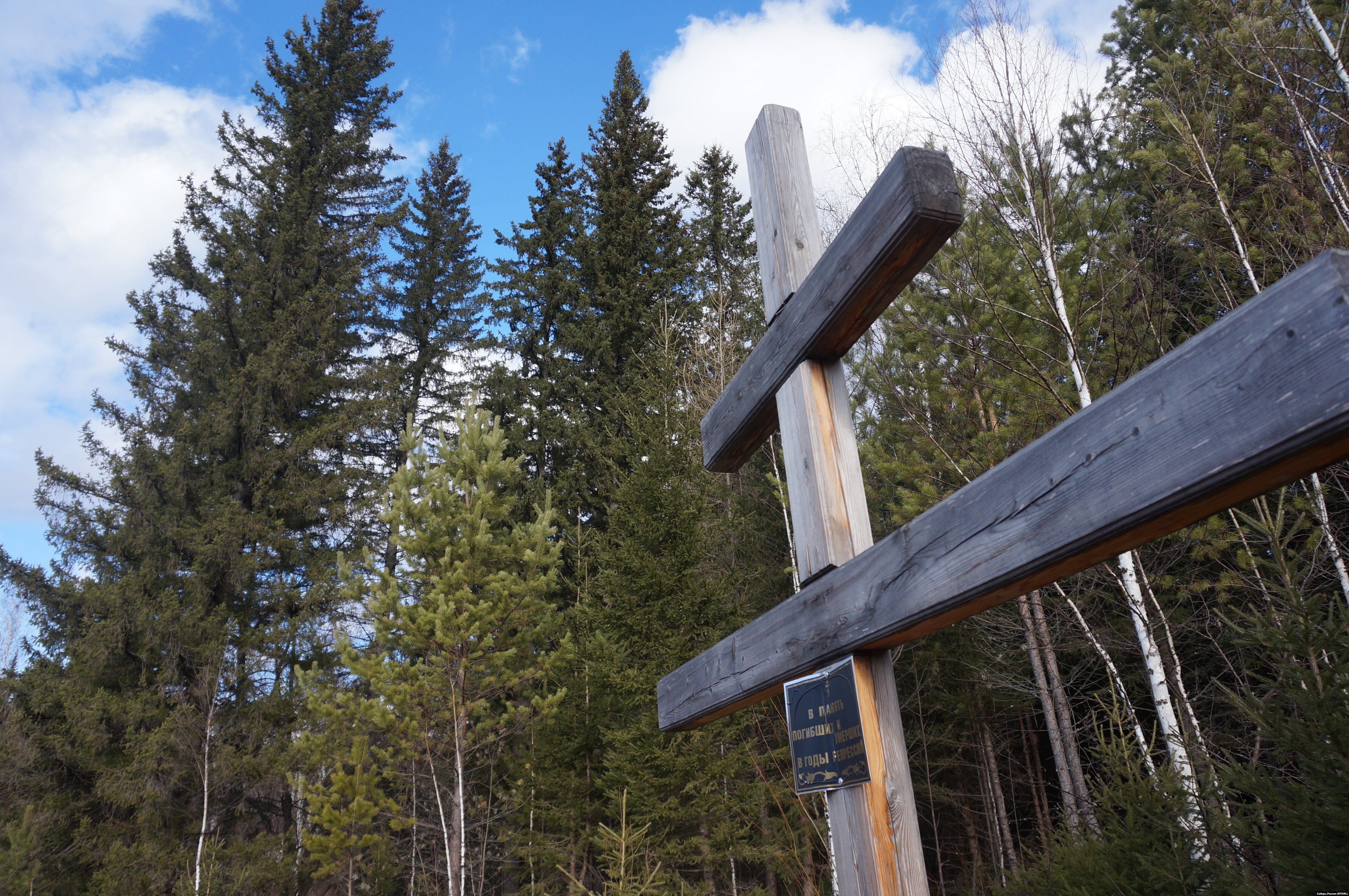
In the Siberian taiga, in the eastern Sayan, there is a Tugach village, whose inhabitants hope with hope about the Gulag. They are not Stalinists or supporters of tough power. They do not want a repetition of "big terror." It’s just that in the current situation, the village can only save their village. The history of "great terror" is connected with the day in the most direct way.
The fate of Tugach is characteristic of many Siberian villages. At the beginning of the twentieth century, immigrants went to Siberia in Siberia. Several families founded the village of Kapitonovo in the Eastern Sayan. Until the mid-30s, the whole village totaled less than ten yards. The immigrants drove the tar. But everything has changed with the advent of Kraslag. The population of the village sharply grew to two and a half thousand people.
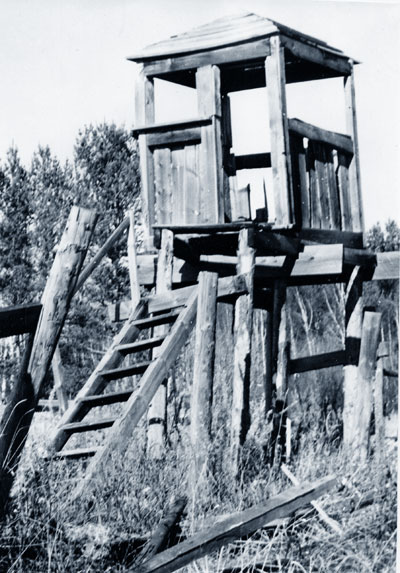
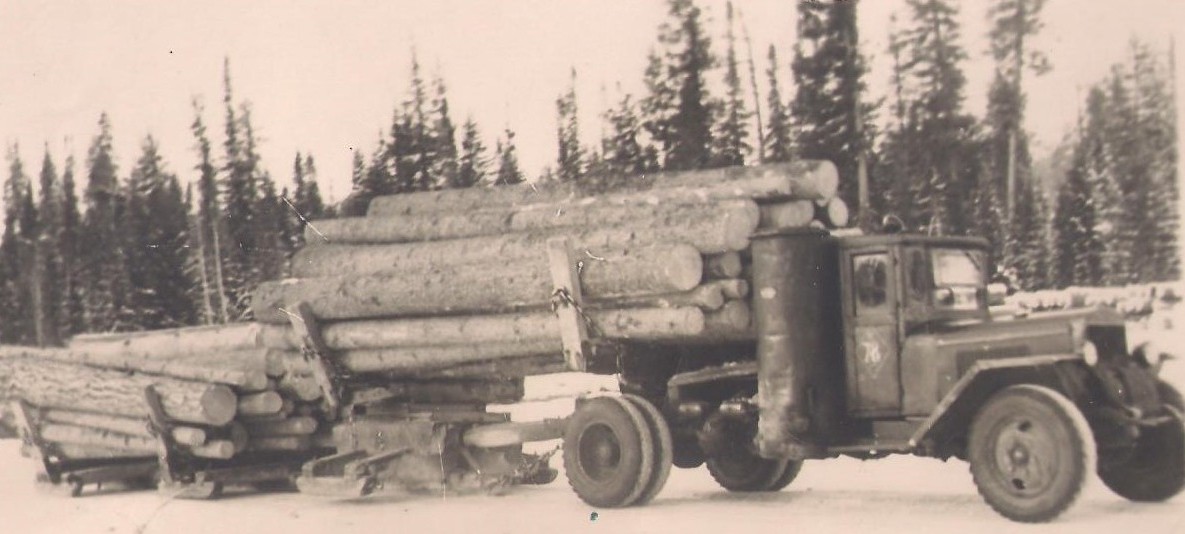
“Kraslag is a large camp system in the east of the Krasnoyarsk Territory,” says Alexei Babiy, head of the Krasnoyarsk branch of the Memorial Society. - This system today has been transformed into the Office of the Federal Penitentiary Service in the Krasnoyarsk Territory. The main task, which was then facing the redlax, is the harvesting of the forest, forestry. In addition, the convicts built a hydrolysis plant and a railway. At first, more than half of the prisoners were political. Tugachinsky separate camp point was part of the red system.
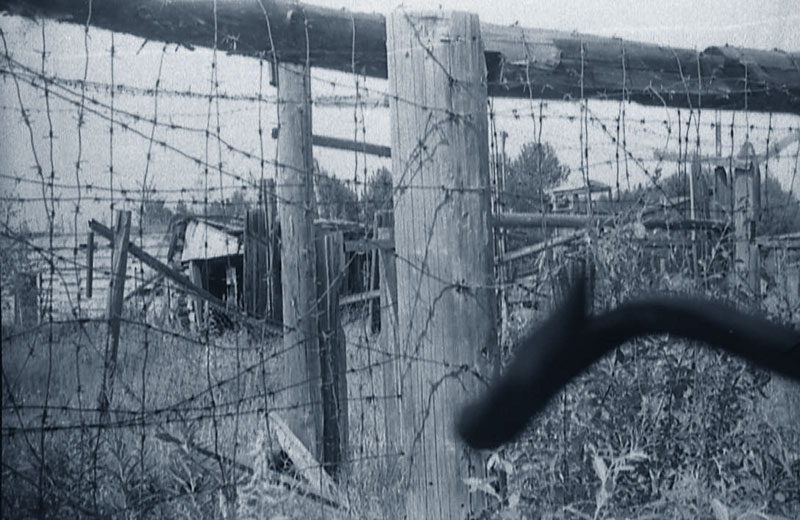
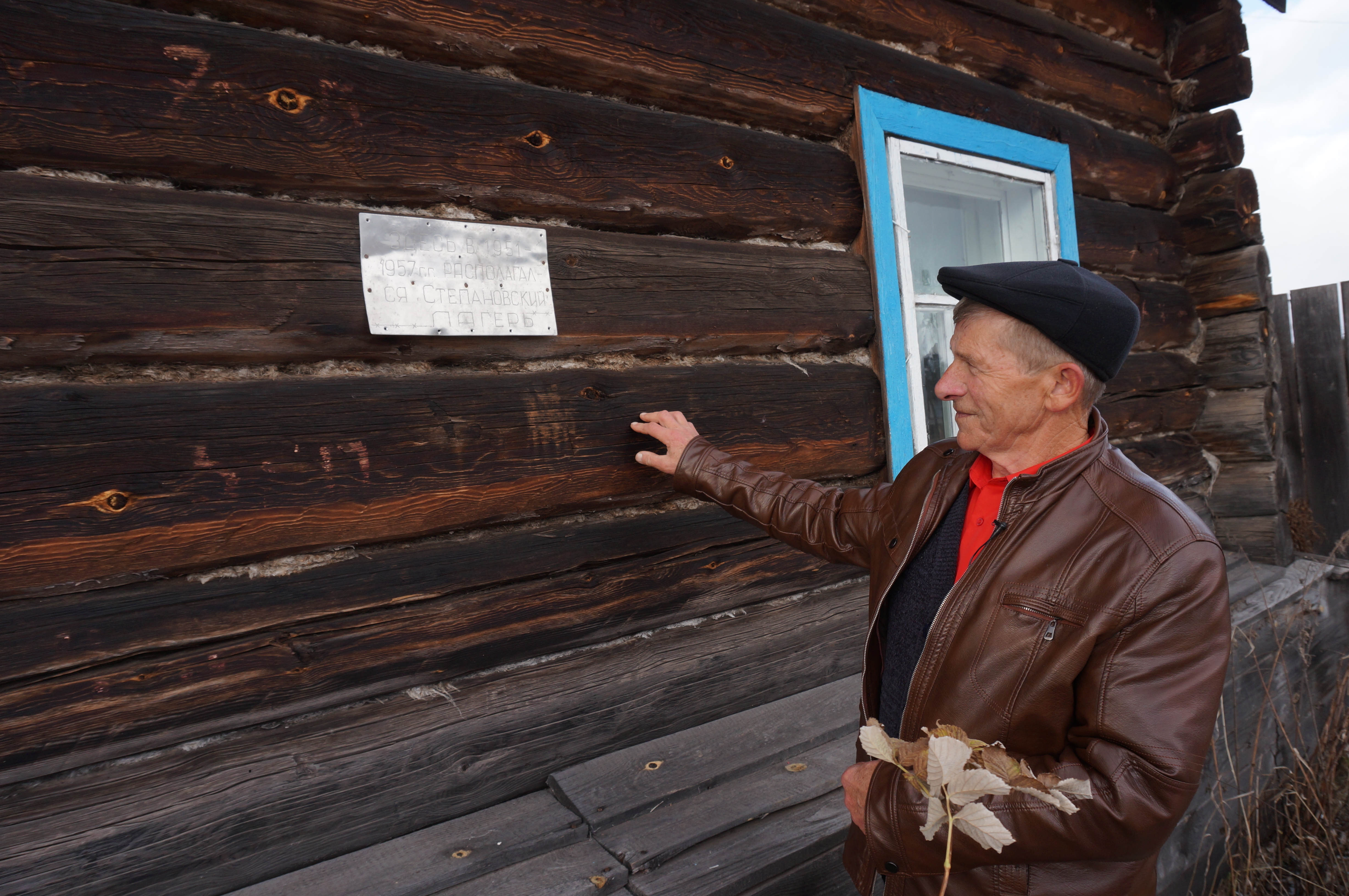
“Klin, Mamza, Zhedoba, Stepanovka, Maryin Klin, Samsonovka - all these were camps,” recalls the resident of Tugach Arnold Tagov , “there were only zones around our village.”
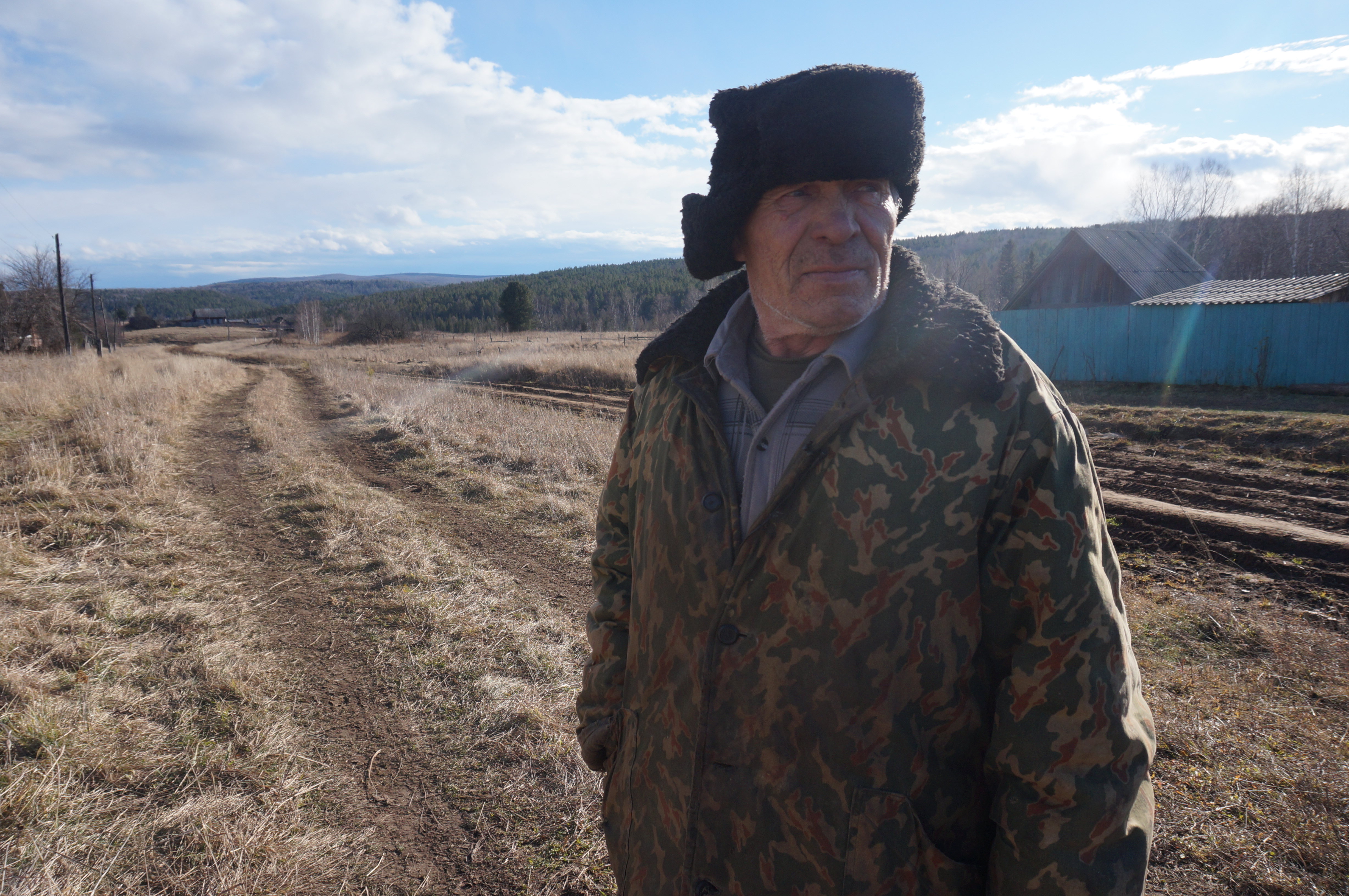
More than sixty years have passed since the separate camp point (OLP) was disbanded. But people still remember the events associated with the zone, as if it were only yesterday.
“Even the front -line soldiers, on whom I put forty years of my life: collected information, created an exposition in the museum - even they teased me,” recalls Viktor Oberman, the son and grandson of the Trudarmans, his father and grandfather were sent to Siberia only because they were Germans by nationality. - I remember one veteran called me: "Night."
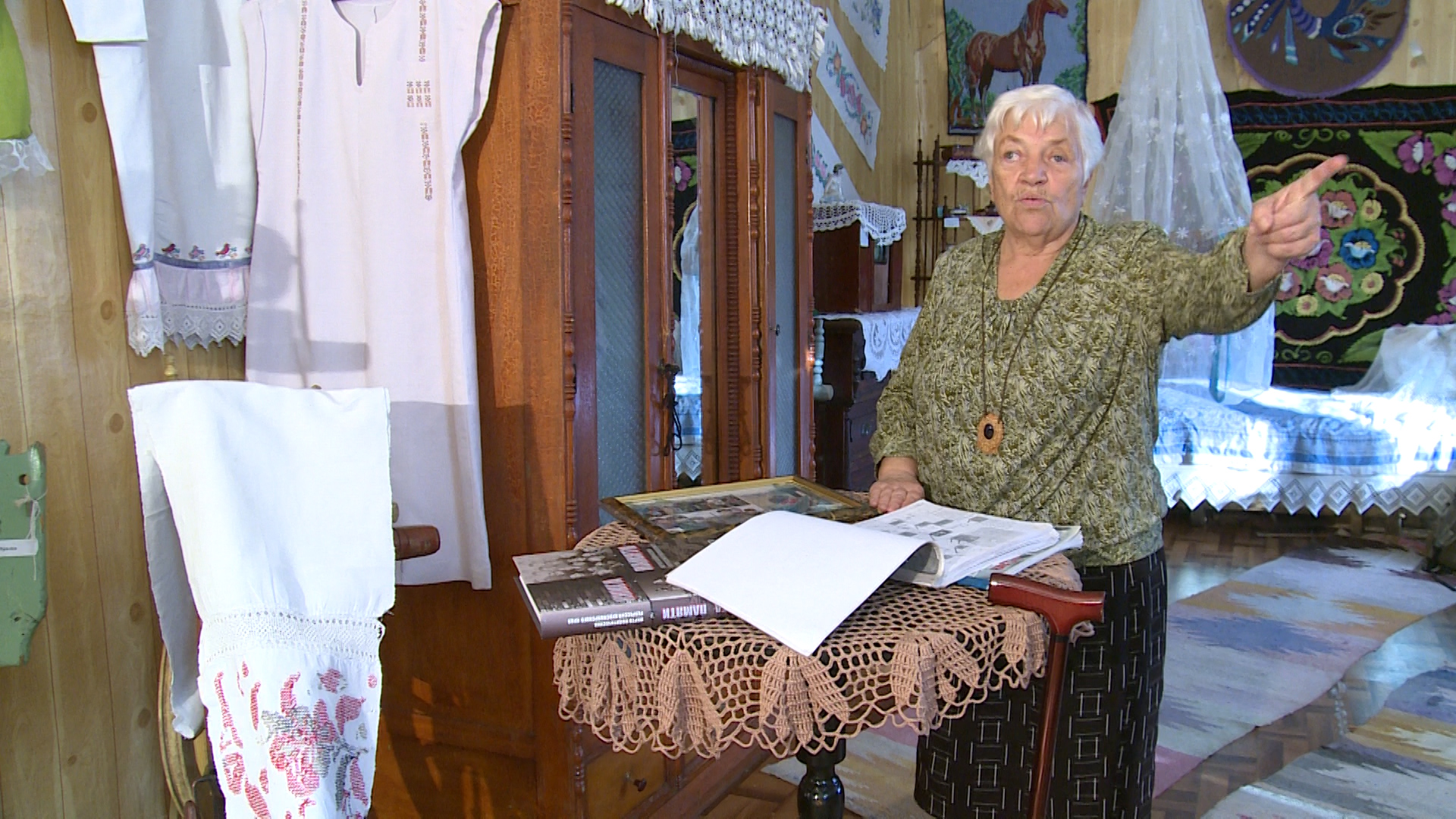
- In our camp there was a woman, a collective farmer from the collective farm "Victory". Her husband died at the front, and she was lurking hay for dogs alone on dogs, ”recalls Lyudmila Miller (Leontieva) . - And then he comes to the village of a military commissar to collect warm things for the front and says: "Women, bring something from someone: mittens, warm socks, skins to sew the screws to the pilots." And this woman says: "I have nothing, but I will bring a dog skin." And she stabbed her large dog and brought her skin. The next time this military commissar arrives again. And she says to him: "Listen, why do you have the skin of my dog on your back?" The fact is that the military man sewed a doha out of it. So this woman was immediately taken away and gave her ten years.
In the 50s of the last century, a separate camp point was disbanded, a timber industry was created on its base. Both former prisoners and former guards went to work there.
- On the one hand, a dog handler lived, Uncle Vanya, he guarded Zekov. And on the other hand, Uncle Lenya lived, served ten years, ”recalls the former chairman of the Tugachinsky village council, Nikolai Starikov. “I have never seen any excesses between them.” We have former prisoners left here. Someone was without the right to leave, someone had nowhere to go, someone did not want to. They were acquired by families and lived.
In those years, the rule "ten on the legs and five in horns" acted. Having served the deadlines, the former prisoners received another five years of defeat. With such a "wolf ticket" it was difficult to find a good job.
“After all, everyone knew each other here,” continues Nikolai Starikov. - Nobody would have to reproach, they say, you were sitting, which means that you are not trustworthy. Here everyone understood what a zone was. And when instead of the zone they created a forestry industry, people have a good job. We had our own ORS (work supply department). Three zila every day drove products and goods here. Although people used to complain about life, each in the refrigerator had a sausage. They went to us from the district center.
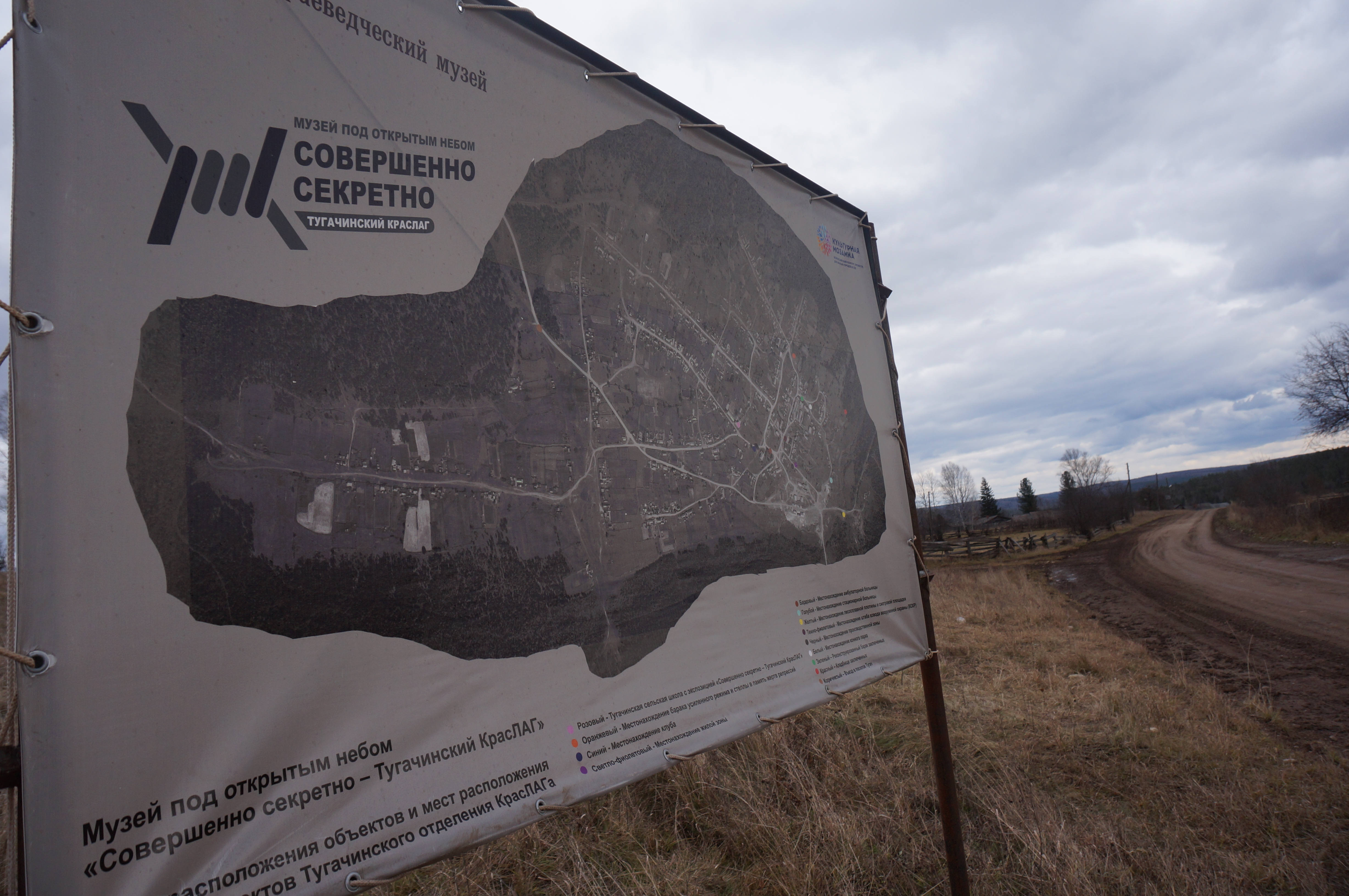
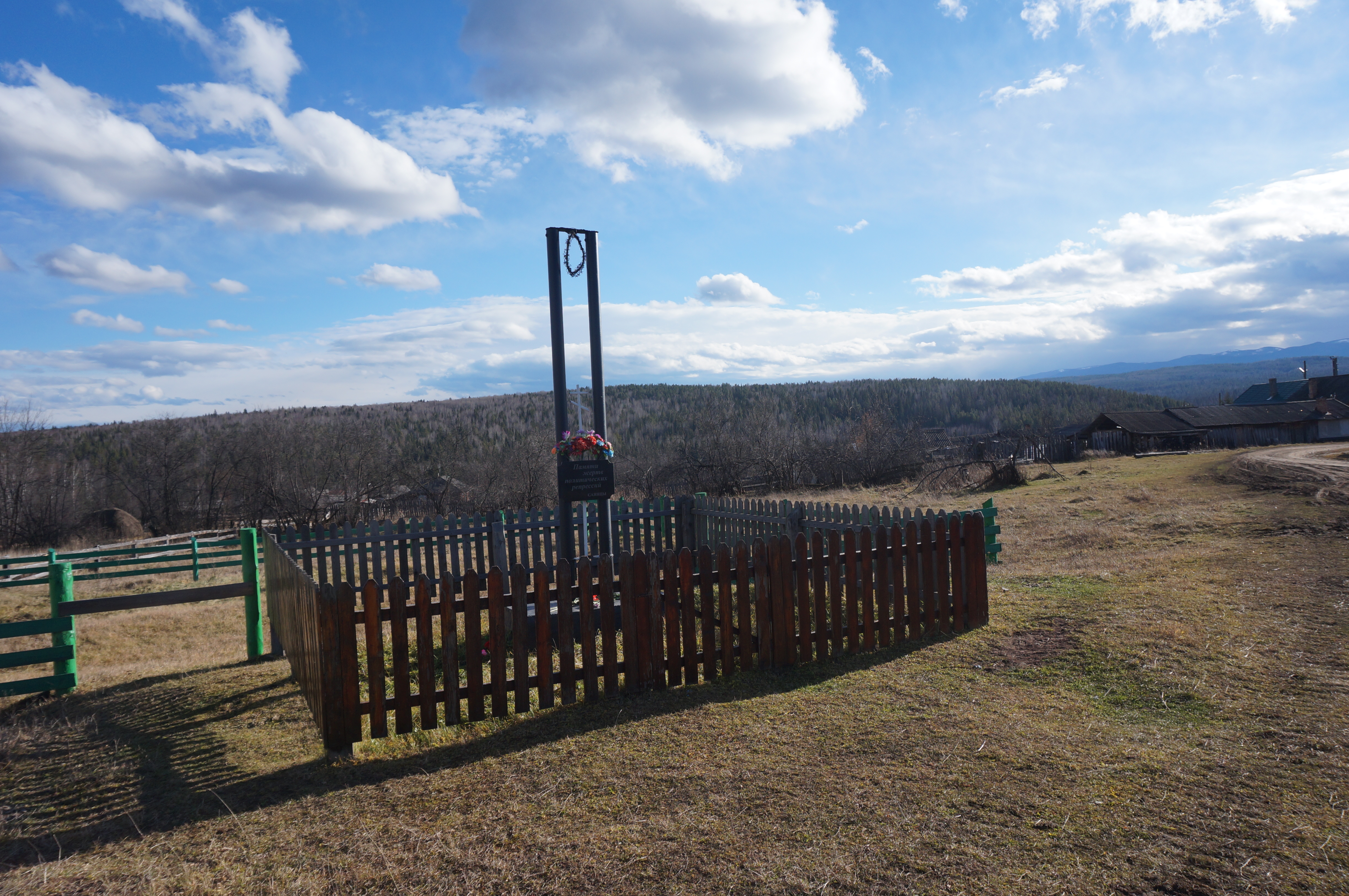
After the collapse of the timber industry, the village fell into decay. Now he is on the verge of extinction. Trying to save Tugach, local residents decided to turn to the Gulag past the village and create a memorial complex "Tugamy - Tugachinsky Kraslag" here.
- When I first got into a tugach, you know what stuck to me? - says one of the initiators of the project, a tourism specialist, Elena Kozlova . - One of the residents of Tugach says: "I remember, we were small, and when they drove the prisoners, the whole village was freezing and only the barking of dogs stood." My hair stood on end. I came home, I could not sleep. I thought how to help me these women. I did not understand then that tugach could be a point of tourist attraction. I only thought that something should be done for the village, so as not to lose this story.
Locals have already developed excursion routes and opened permanent exhibitions. Exhibits for them were collected by the whole village. The card of the Tugachinsky OLP was found at the bottom of the old chest. Hats-earns and bowls with the names of the convicts found in abandoned warehouses. These warehouses went to the work supply department in the inheritance from the zone. The layout of the zone itself was made in labor lessons by the students of the Tugachin secondary school.
-Do you understand that not everyone will support you when you say that you want to make the Gulag page a business project?
- Well, yes, I agree. This is a business project. But today it is impossible differently. I want my homeland to live, that every family develop here, that children be born here, ” says one of the initiators of the project, the former head of the rural settlement of Tamara Petrov a.
“Maybe the village will at least a little breath of the second life,” says Pavel Kuzmich, the current head of the Tugachinsky rural settlement. - Maybe the second impetus will be given. The first was in the thirties of the last century, when the camp was opened. And here is the second - now. In a circle passed and returned to its place. Maybe the Gulag will do something good again for Tugach.
Read more about the attempts to create a memorial complex in Tugach in our film "With the Hope for the Gulag".
Wed on YouTube Wed to Yandex.Zen