
Translated material
Back in USSR, or Davil
"Dau" is a song about the homeland. On the great planes and insignificant value of life
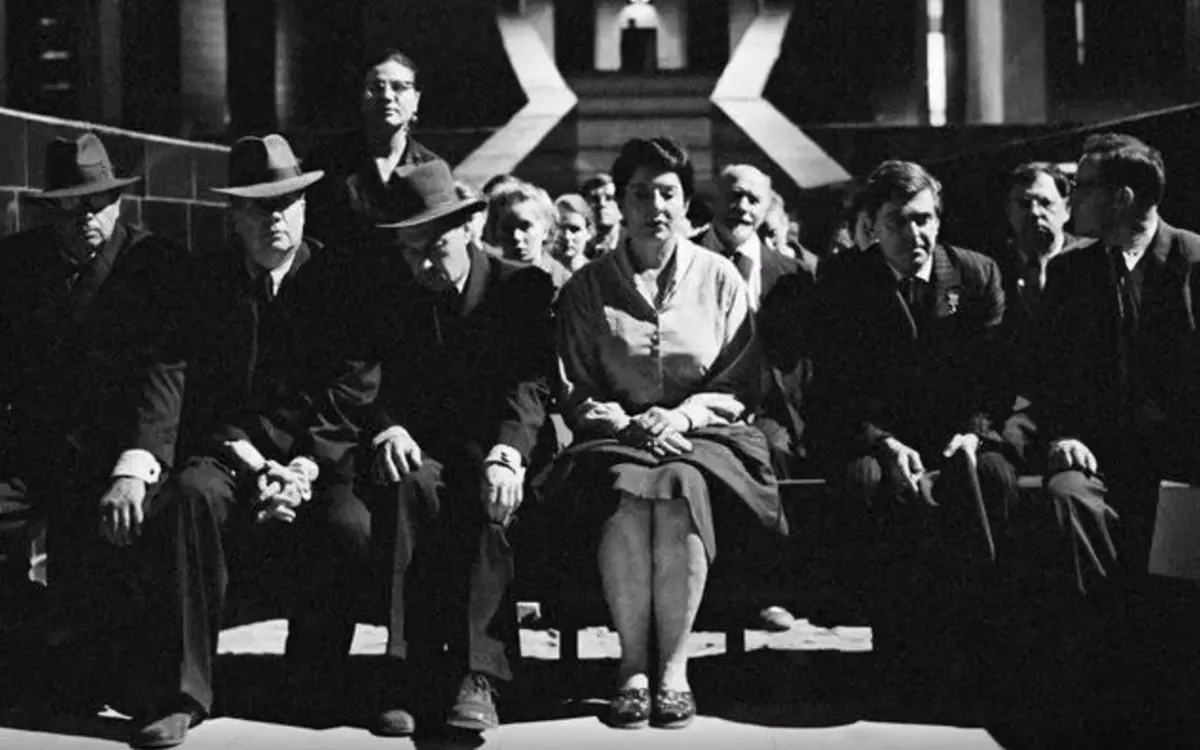
From January 24 to February 17, Paris showed the project of Ilya Khrzhanovsky “Dau” overgrown with rumors and disputes. 700 hours of footage, several mounted films and TV shows, conferences, installations, exhibitions, concerts, psychotherapeutic sessions and shamanic practices.
Evening. Cold. At the entrance to one of the largest Parisian theaters, a crowd of people who want to go inside, many with inviting ones. Not everyone manages to get through the shuttle of security. Even greater chaos and the accumulation of the people in a kiosk opposite, where they give out visas in Dauland - the parareetia space erected in the theaters of de la Vill, the shawl and in the center of Pompidu.
The DAU project, which fell in Berlin (the instance was not allowed to the director Ilya Khrzhanovsky to establish a mock -up of the Berlin wall, necessary for action), was supposed to start on January 24 on the birthday of Lev Landau. But the Commission of the Prefecture of Paris found that not all security measures comply with the rules. It seemed that this breakdown and the rapid indignation that he called was also part of the performance. The recommendations were taken into account, the 26th DAU festival-a length of a month-was launched, and in the sky above the French capital, shaking the demonstrations, a red avant-garde triangle caught fire, connecting the three main sites of multimedia installation.
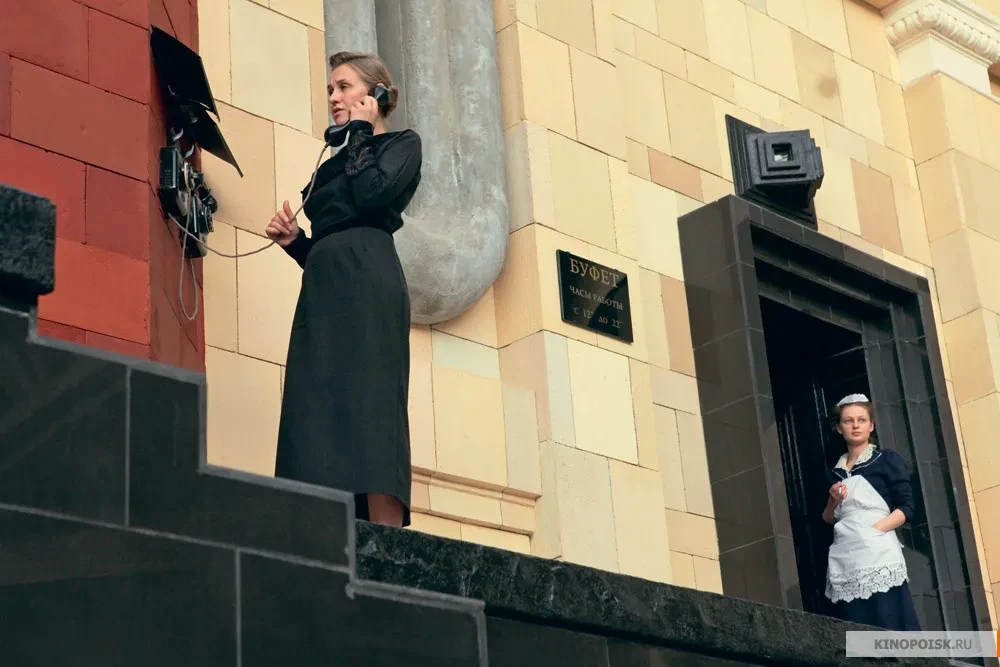
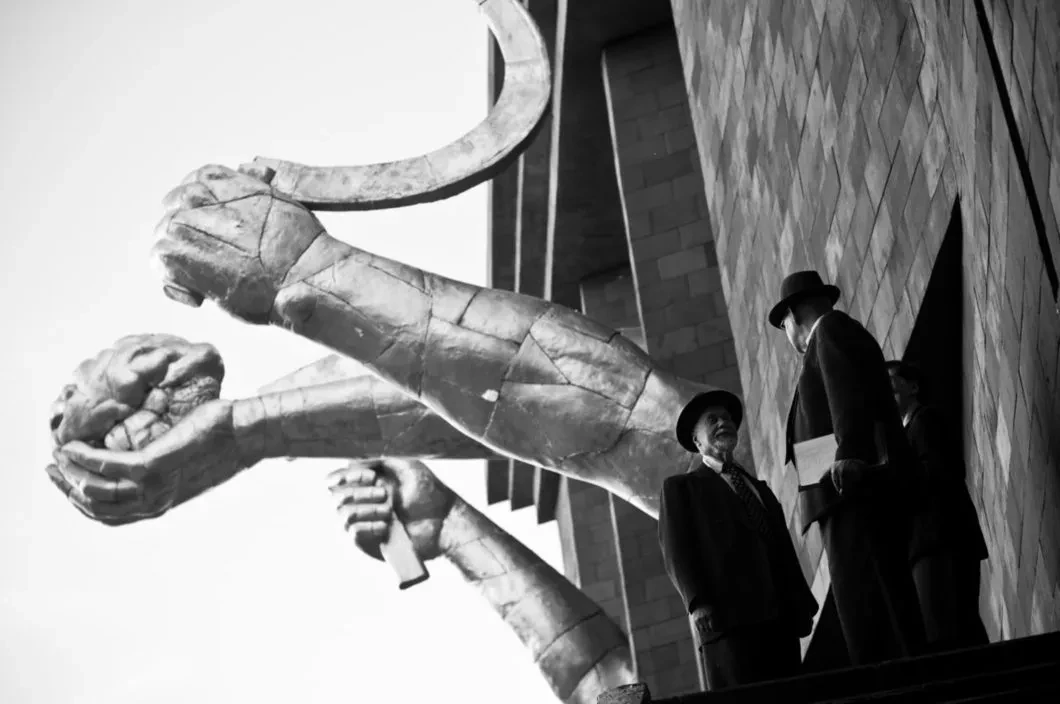
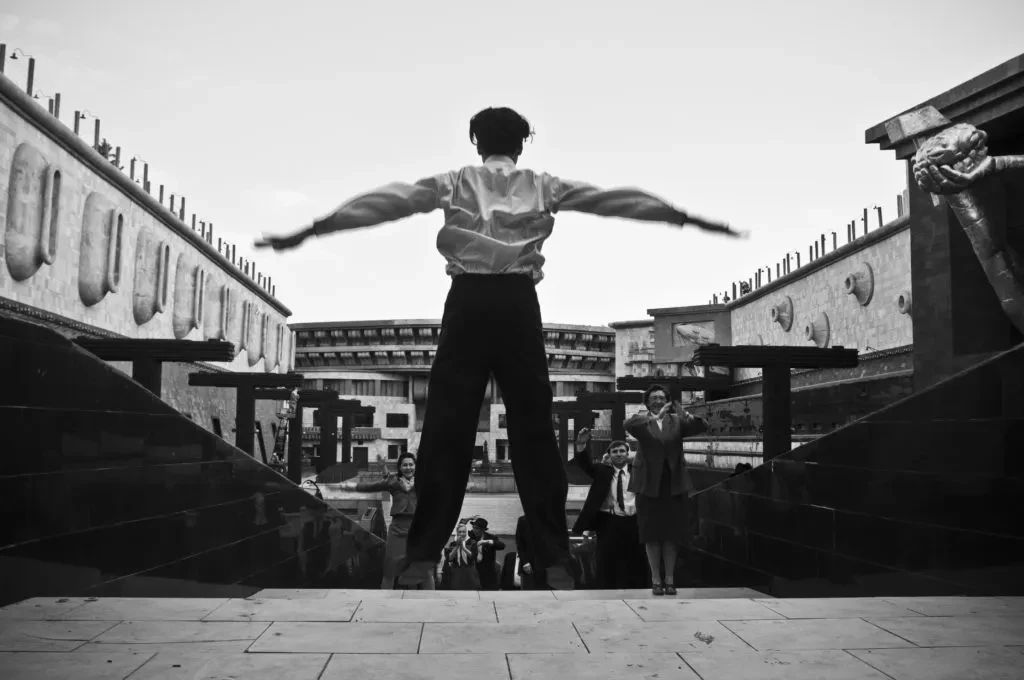
“Dau” is a layer of interdisciplinary art project, which was formed for almost 13 years. The reference point was the idea of the Bayopic of the young director Ilya Khrzhanovsky about the brilliant physics of Landau, the Nobel Prize laureate. In Kharkov, a secret facility was built - the building of the Institute of Physics, a kind of “Soviet Park”. The Stalinist Empire, decorated with huge metal hands holding a sickle, a hammer and the human brain. Volunteers who agreed to feel, so to speak, with skin, the lungs of totalitarian time, were populated on the object. "New" already wrote about this three -year experiment, in which 400 people took part. Years passed. The border between the fiction associated with the life of real people of the past and the present turned out to be blurry. People in the failure of time began to live their own life.
The project was nicknamed the most crazy filming of the century. Ilya Khrzhanovsky from the director turned into the author of the invisible social, anthropological experiment, in which real scientists, artists, workers, musicians, homeless people who wished to become inhabitants of the built space were involved.
The core of the project is 13 films, three series and a lot of disparate cinema.
There is probably a performance around-in theaters of video cans, cinema halls, installations, slide screens, audio. In the "Brodita" along the tent and de la Vill you can look into the communal services (one of them-with illuminators-in the center of Pompidu). Talk to a psychologist, priests, shaman, theologian, philosopher. Visit a conference on quantum physics, a performance of eminent guests. A rehearsal or concert of an orchestra under the control of Kurentsis, who played Dau. Chamber performances by Leonid Fedorov, British Brine Ino. Among the listeners are mannequins: accurate portraits of the film made from which-m-imperishable material. Next to me in deep thought, director Anatoly Vasiliev in a scarf, more precisely, his copy.
In the early days, a terrible confusion was happening here, the “visits” simply did not know where what was happening. According to the organizers, chaos is part of the installation. Dauland works 24 hours a day. For whom-this is a circus, a waste of money, for someone a laboratory, an attempt to self-identification.
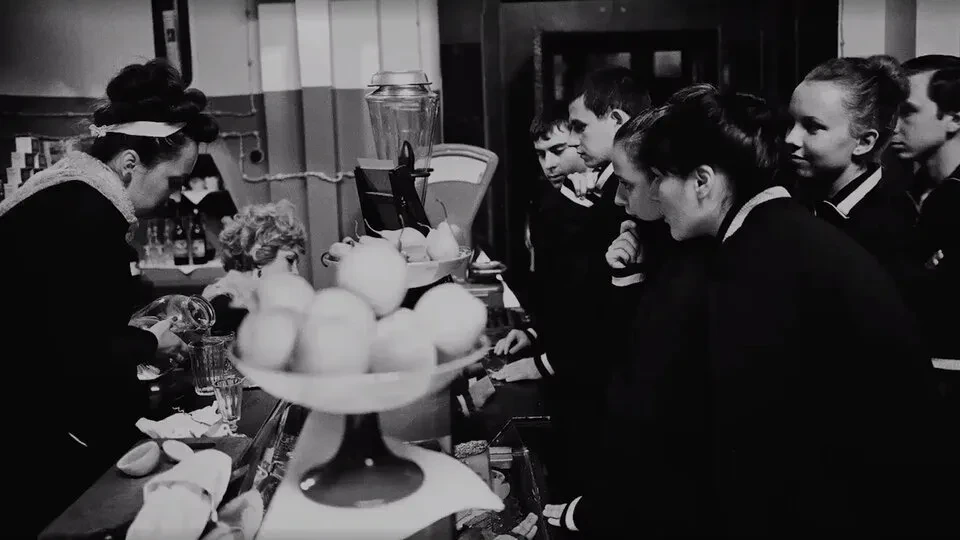
Movie
You can watch the incomplete, as if sketching paintings, torn from the “Site” of reality “Pieces” taken on a film in any order. Thus, the assembly of the whole is made by the viewer. From the fragments of what he saw, he mounts heom in his head (with all the ranging, the installation here is accurate and thought out).
These deceptively shapeless plots themselves are an illustration of the choice between life and art, an art object and physical truth, a work and being of a person. The first of the questions that you ask yourself: who is now on the screen - the real scientist Losev, Kaledin or someone else, “becoming a creation”? The most curious how the screen character solves this issue for himself.
How everything works
The method is almost like in a documentary movie, the camera does not build a picture, but fixes what is happening. “Almost” is a keyword. The performers are not “entered the image”, but the circumstances spontaneous or proposed or proposed by the director live. In the roles of scientists - for the most part scientists, Chekists - albeit former, but Chekists, pogroms - real pogromers - Tesac and his gang.
The construction of an artificial society in the project rhymes the construction of the same artificial socialist society in reality.
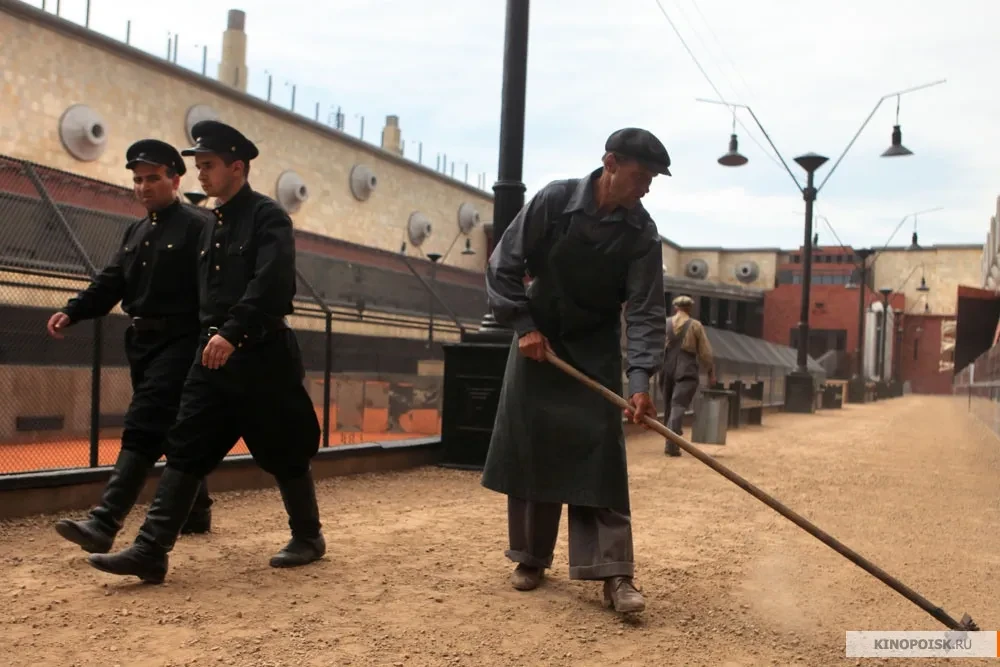
Director and editors (films are mounted by different people, for example, a novel with Anatoly Vasiliev, who became a paraphrase of the capea on the screen, he gathered himself) stretch out of hundreds of hours of the hero’s material and his history: an eminent or unknown scientist, their wives, director Stepanovna, Sasha’s janitor, Natasha and Oli Bufetchitchiks and Oli ... but instead Spin-offs-inductive game, improvisation-the text is created by the participants themselves in the process of the performance or filming.
Khrzhanovsky is one of the few authors today, passionate about the creation of a cinema language. At the site of a logical plot - layers of invented and genuine situations, from real relationships, momentary states of people. Mix of personal stories, politics and metaphysics. Therefore, the degree of organicity of screen heroes is incredible. The scene is dictated by a well -known physical technique. Sakharov argued that the location of substances in a bomb in layers increases the strength of the explosion (the theoretical calculation of this "layer" of the atomic bomb made Landau). And Khrzhanovsky is passionate about the avant -garde “procedural art”, in which there is no secondary and main one. In this open space of multiple actions, fiction and reality are equivalent.
About what
“Dau”, with his immersion, as it were, in an archaic, is a greeting to postmodernism. The Dau Wednesday is not so much a journey in the era from 1938 to 1968 as a free game in the movement of times. The screen is turned into the surroundings of the USSR, the image of how much the past copies in all details - from glasses to stocking on elastic bands, so fantasizes. Before us open the door to another, thoughtfully distorted dimension: the USSR, which, as the director Ilya Khrzhanovsky says, was not there, but in some alternative reality it could be.
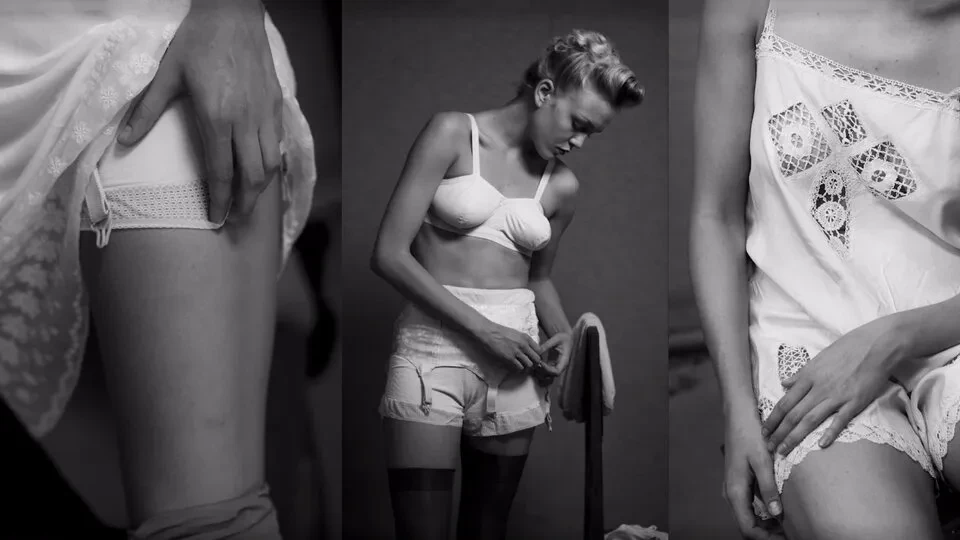
Nevertheless, “Dau” is a song about the homeland. About her great ideas and the insignificant value of life. Violence and pathological tolerance. About the choice - even when it is not - and its influence on the universe: each new opportunity is determined by the previous choice. This is a continuous game of probabilities with momentary attempts to grab the “tail” with a fleeting accident.
About people trying in a bunker of personal relations, personal problems are fenced off from the state, but this bunker has transparent walls. About the fatigue of the relationship (several short stories on this subject at once). About how mediocrity devours talent.
Between the ideas about the world and reality - "a distance of huge size."
The institute has a labyrinth with granite walls, scientists are raffling it, knowing for sure that there is a way out. But you look and see: there is no way out. And it will not.
The secret research is the house of “exemplary content”, a multi -storey building: from the “upper floors” of eminent academicians with orders to basements for experiments and interrogations with addiction. Science and denunciation, love and betrayal, betrayal, arrests, sex, borsch and dumplings, fights, booze, violence and science again - the circle of momentary and eternal. The border between researchers and the studied is gradually erased. A global experiment is put on the institute. One of his leaders is the new director of the scientific community, the eternal Chekist General Azhippo is a character of the Shakespearean barn, a ruthless monster, crawling into every apartment on soft paws, in every fate.
Brave people
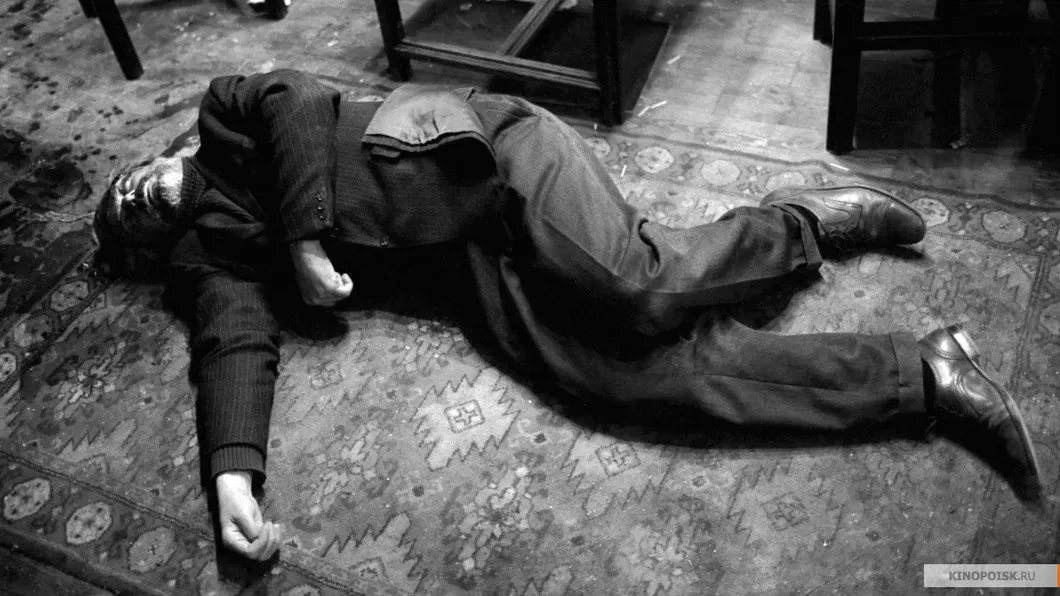
In theoretical physics, it is important not just to understand other people's worlds, but to enter someone else's space as in your own. This theory largely describes the relationship between project participants. Take, for example, the hero of one of the films, Andrei Semenovich Losev. The world-famous discoverer, doctor of sciences, expert on the theory of strings-studying the dynamics of the interaction of not some particles, but extended objects. But a specialist in experimental nuclear physics, a witty speaker, a paradoxical thinker ... There are not enough words for interrogation. Against the scrap of total evil, there is no reception of a sophisticated mind, logic, formulas, wit. Encavedeshniki in the project became former employees of the bodies - they are more than convincing. Therefore, both the shirt is soaked, and the fear in the eyes of the “smeared” on the wall of Losev’s physicist is genuine.
Scientists relate to the arrests approximately as an epidemic of the plague. And how can I not fall asleep in the evening with comrades, if you have to justify the next arrest, dismissal, humiliation carefully selected, if only not too fumal, words in the evening. Yes, to dare to pull the forbidden word "humanism". And it turns out that courage is the life itself, as if there is no total pressure (the chapter about Losev is called “Brave People”). We must live, trying to be happy at least for a moment. Already without calculation on any transformation.
“This is not about the crazy Dau,” said Vladimir Sorokin, who wrote the first scenario options, “he is about the crazy twentieth century.”
The institute has its own means of protection against Molokh. You can hide your head in the sand of the formulas, in the waters of experiments, disputes about the turbulence of pulses of electromagnetic waves. Alcohol is in abundance in the buffet and in communal services. Evening gatherings occur on all floors of the institute: from the directorship techniques of foreign guests with conversations about the eternal to the basement of Lumpen orgies ... An equally significant way of isolation, protecting their privacy is sex. In films, sex is not only an outlet, liberation, but also a variety of violence. And sometimes violence and passion are so confused - not to tear.
The short story “Sasha and Valera” about intercourse, the seduction of each other two lumpen is embedded in the well -known concept of the achievement of catharsis through “cruelty”. In the finale of a rough, long carnal scene - prayer. And through the air duct, the heavenly beam applies to the head of the sinner. All cinema - swing between heresy and divine, animal and spiritual.
I will not say that cinema are equivalent. But with each individual chapter of this multi -volume saga, a picture of a holistic universe is formed. In one of the best, thinnest films with the conditional name “Nora, mother”, a mother -in -law, mother of Nora come to the house of Dau. A short meeting is an electrified ball of passions and emotions. Their duel is the embrace on the field of pain - the mix of the Bergmanovskaya "Autumn Sonata" and Petrushevskaya. In the role of Nora’s mother, played by the Ukrainian actress Radmila Schegoleva, the real mother of Radmila. Follow both is a pure pleasure: two living oncoming stream of changeable passions. The mother is especially good, just a natural actress, she is all the time in the image ... even when she leaves the image. She habitually tries to manipulate an adult daughter until she falls into despair, hysteria, turning herself inside out. About such painful and bright, in the spirit of Albi, dialogues - and this is the pure improvisation of the heroines themselves - modern playwrights can dream. These relationships contain alienation and interdependence, intolerance, love and hatred, tenderness and suffering. And forgiveness.
In another short story, Nora returns from the “outer world” to a paradise sharashka, and in their luxurious two -story apartment with her husband - an extraordinary beauty of the Greek actress. Moreover, the sincere girlfriend of the youth of the genius. With humility, hospitality, female resourcefulness, Nora begins to tame a dangerous invasion. I spoke with Radmila Schegoleva, the only professional actress on the project. She talks about life and work at the institute as an exceptional experience of self -identification, the ability to raise questions from which you run in everyday troublesome life. I am interested in whether it was difficult to get out of this many years of immersion in someone else's life. Did she get freed from Nora? In her case, it turned out to be simple: she got married, gave birth to two boys, Dau melted like a dream.
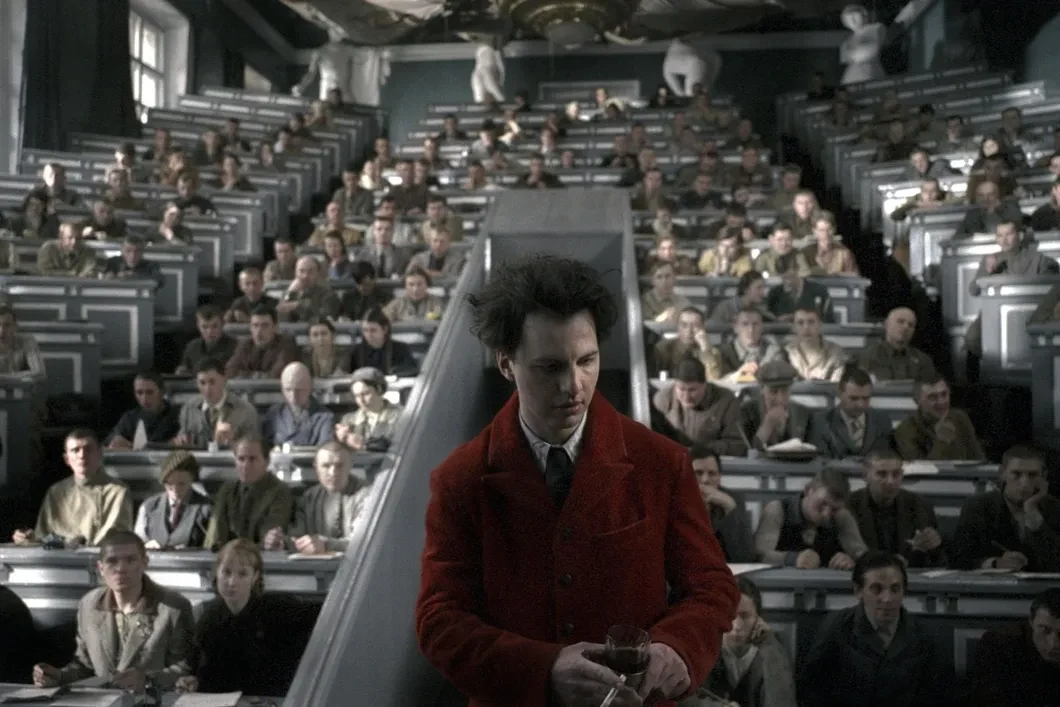
Dau, in whom the world -famous theodore Krentzis reincarnated, is not like a scientist. But the screen is important that it is inhumanly talented, not from this world. Music, like science, requires a renunciation, allows you to dream of invisible. By the way, during the art installation in the theater, De Vill Kurentzis conducted open rehearsals with his orchestra. On one of them they played the sixth, calling for death, Tchaikovsky's symphony. In the first strokes with a rumble of bass, Kurentzis as if he had collected a sound with his fondly hands, then, when the orchestra did not give emotions, the conductor rushed into the middle of the orchestra, his hands were called to the culmination, taking off, it seems, under the very ceiling.
Time
“Dau” is a portrait of the time that seems to move ... The leaders of the institute are changing, each personifies his era: from Kapitsa/grain to the major general of state security Vladimir Azhippo (in reality he was the head of the Kharkov prison). Scientists get gray, stuck. Everyone dreams of repeating themselves enthusiastic, yesterday. Gradually, the energy of hope expires of them, like blood from an experimental mouse. At the meetings, they are forced to act on the line of vigilance, justify the arrests, report on a complex international situation ... about the first amnesty ... about the invasion of Czechoslovakia. Is this about the past? No, this is our modernity in Soviet times, the matrices stuck together: slogans about vigilance, “enemies around”, hanging over the state of the state over a humiliated little man ... so this is not a presentation of the past. In the experimental space of the institute, the past and the present play gawing. The system works as a reliable press.
Two large films with the conditional names “Degeneration” and “Regeneration” are similar to the final. Both about destruction. At first, it’s not much, as with obvious weaklings (like a thawing post -Talin time in the yard), deal with a talented promising youth - they scare a little in the basement, cut “long patles”. After humiliation, they will simply disappear from the institute along with naive and crazy ideas, an intelligent flirting with girls, a Vizbor songs. The future will disappear. In his place will come in the muscle head Nazis led by the real Martsinkevich. Understanding the program of the construction of a new person as the idea of a superman: it is high time to get rid of ballast - drunks, asocial elements. The screen action will end with the massacre and destruction of the institute.
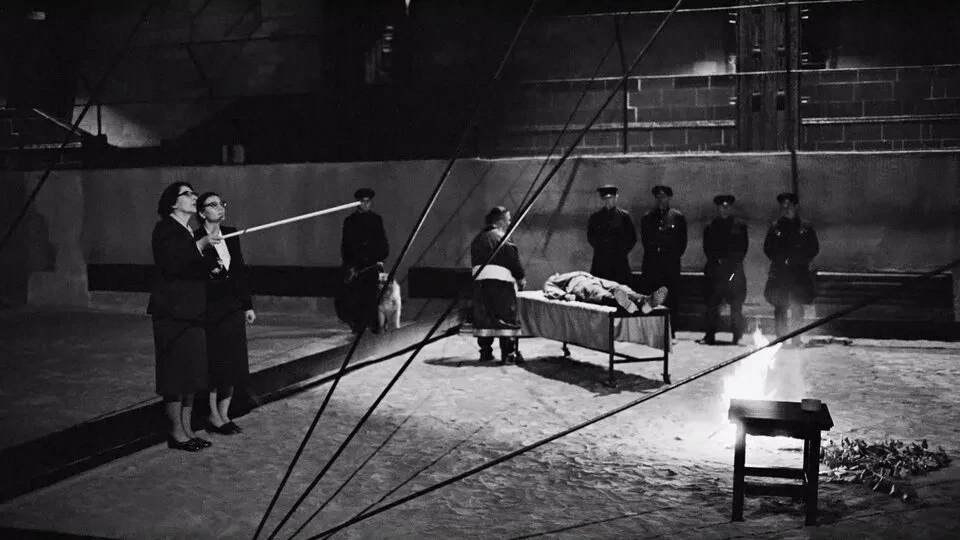
Although its destruction will begin long before the arrival of the barbarians. Apocalypse is born in the very environment of scientists. And only then it materializes in the new leadership, who invited neatly in appearance to Komsomol members. They do not sing a visor, in the morning they work out “techniques”, put institute girls without talking to bed. The global social experiment changes the search direction. Their leader Martsinkevich reflects on the trash of human material. In nationalism, the main thing is subordination to one idea, destructive by definition, requiring blood and casualties. Future decay with the accuracy of the mathematical formula is predicted by scientist Dmitry Kaledin. He is among the most interesting heroes of the project, changeable, like current. Kaledin is a wonderful mathematician, an intelligent person. She blindly loves his wife Laughter Olya, guessing that she was knocking on him. One of the most progressive people at the institute, Kaledin is decided with a chalk in his hands with complex calculations to explain the doom of the socialist system ... to the chief gabista Azhippo. Thus, it is he who will provoke the decision to destroy the institute - the crummy nursery and intellectual rot.
The institute is both a victim and a product of a totalitarian system, which, as it turned out, cannot be reformed. The symbol of the Apocalypse will be pigs, wandering through desert corridors stained with blood.
The fate of the DAU himself will rhyme the history of destruction. The system will curb an uncomfortable genius, he will not do what he dreamed about. After a car accident, he is a “living corpse”, the shadow of a great scientist who comes to worship pioneers and novice physicists. This is his personal apocalypse. The legendary idea of free marriage also suffers Fiasco: a freedom -loving scientist will be completely dependent on his wife.
History, or with what to compare
If we talk about the nonlinear through story that consists of fragments of other stories - it is about the scientific paradise inside the Molokh of totalitarianism. About the "life and fate" of the inhabitants of the Gulliver test tube - an exclusive sharashka. When you look at the “Dau” on the screen, out of habit, you feel for the tools to designate what you see. With each next film, the supports slip away. Even the genre definition is walking: a psychological thriller, thoroughly condensed to Gignol? Physiological essays? Political fantasy? Kafkian anti -utopia? psychedelic trip? Everything is not for sure.
Then we begin to compare. With an immersive theater? Partly immersive - "creating the effect of presence." Without helmets, you plunge into the Eden garden guarded around the perimeter, devoid of greenery, created by the party and the government for Soviet scientists, which pour the country's defense capabilities. Or recall the performances of the British group Punchdrunk, immersing the viewer into the atmosphere of paintings by Kubrick, Lynch. Absolutely on the surface of the parallel with the "Show Truman" Wira or "Sinecdokh, New York" Kaufman. All is not that. У Хржановского свои ценностные авторитеты. Например, Алексей Герман. Не только в приеме «подглядывания», хроникальности, проникновения внутрь сочиненного мира. В параноидальном желании в тщательно воспроизведенных подробностях обжить этот мир. Но прежде всего, в стремлении воссоздать воочию эпоху Средневековья. Которая никуда не уходила. Засела в мозгах и печени.
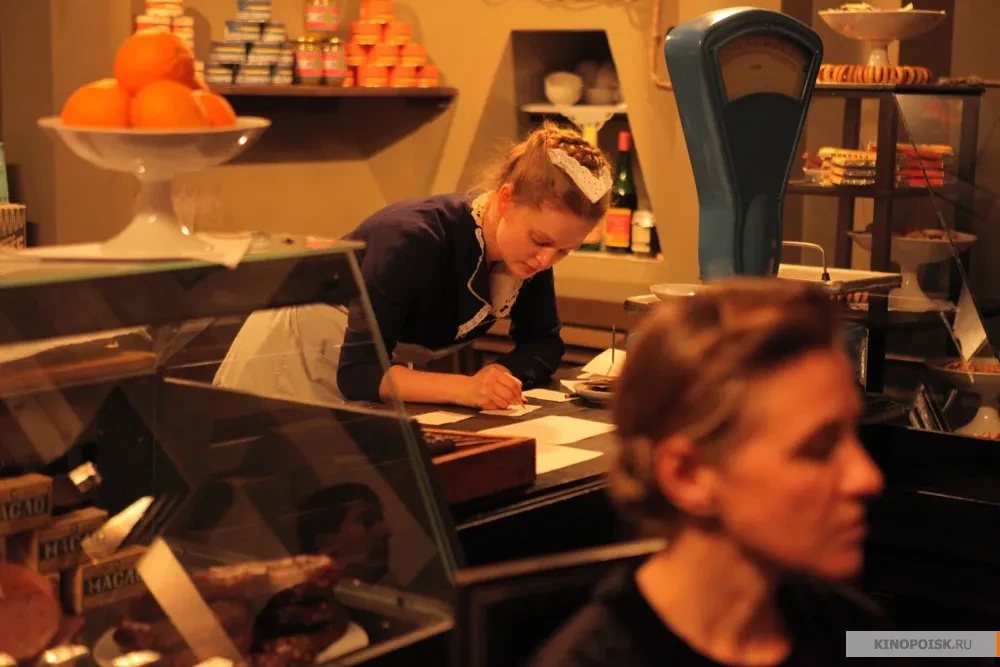
Присвоение чужих языков и стилистик и осмысление их в созданном мире — свойство современного искусства. По «Дау» носятся сквозняки эстетических проб и поисков ХХ века: от моделей Делеза до алхимических опытов Арто по испытанию человеческой природы. Когда сцена требует от импровизации включения природного естества. От игровых структур Анатолия Васильева до шоковых, провокационных элементов в демонстрации секса и насилия, высмотренных у Фассбиндера. Не случайно главным оператором стал Юрген Юргес, работавший с Фассбиндером, Вендерсом, Ханеке. Камера здесь, как и призывает Ханеке, — инструмент прочтения человека. Само изображение манифестирует показ скрытого, необъяснимое напряжение.
Впрочем, каждый зритель в восприятии этого гуляющего самого по себе кинотекста будет опираться на собственный опыт.
Disputes
Есть в этом «кино» опасная граница между откровенностью и эпатажем. Были невыносимые для меня сцены (хотелось, чтобы камера закрыла свой немигающий глаз: «Без этого точно можно было обойтись»). Видимо, в этом тоже был некий расчет: расшатывать нервы впечатлительному зрителю, готовому вполне справедливо и несправедливо осуждать авторов, преступивших этические границы.
«Дау» вызвал острые дискуссии о моральных аспектах проекта, о неоднозначной манипулятивности, превосходстве эстетических норм над этическими, «опытах» над людьми, которые по собственному желанию стали участниками этого эксперимента. Над животными, которые не давали подписки об участии. И вообще о гранях допустимого на экране. Но все эти вопросы вшиты в материю «Дау», каждый герой решает их по-своему. Кстати, и экранные персонажи на собраниях обсуждают вопросы этики и морали. Правда, там все переплавляется в идеологию. Говорят о неблаговидных деяниях и мыслях некоторых сотрудников, позорящих гордое звание советского человека. Здесь один из фундаментальных вопросов, на которые пытается ответить «Дау».
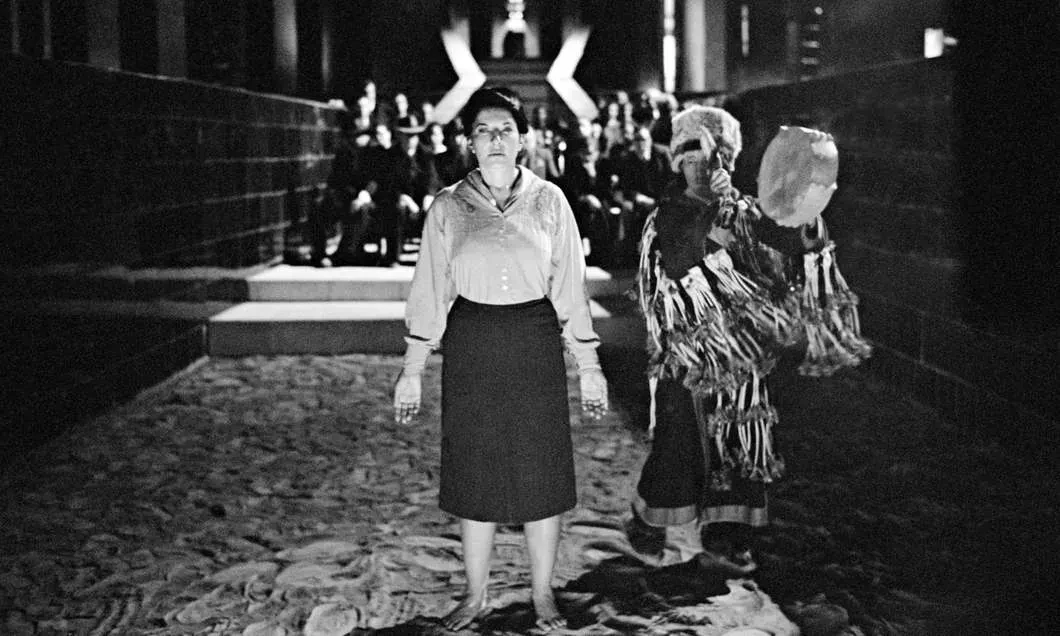
Этот проект — гигантский симулякр советской жизни, призванный сообщить: она не исчезает. Ведь про что эксперимент? Наши современники всех родов и сословий добровольно погрузились в советскую жизнь. Она прилипла к ним, молодым и старым, просвещенным и не очень, как родная. Хомо советикус, как «клоп» Маяковского, вечен, неистребим. «Строительство нового человека — условие успешного строительства коммунизма» — это выучило не одно поколение. Максим Горький уточнил: « …большевики во главе с Лениным производят жесточайший научный опыт над живым телом России, русского народа, русского пролетариата… цель «опыта»: переделка живой человеческой материи».
Проект неубиваемой модели «гомо советикуса» удался полностью. Как и строительство гигантской лаборатории СССР, в которой она была создана. Тоталитарно-патерналистское государство раскрошилось, претерпевает трансформации, но быстро регенерируется, отстраивается. Вместе с долгоиграющими идеями контроля над всеми сферами жизни человека, четким ленинским разделением на «мы» (мудрая партия, пламенные сердца бдительных воспитателей чекистов) и «они» (инфантилизированная масса народонаселения).
Метасюжет «Дау» показывает, как это происходит. В Институте все время проводят эксперименты: с водой, мышами, обезьянами. Потом закономерно переходят к людям. С ними работают с помощью собраний, допросов, соглядатаев. Но еще гипноза, шаманов, психотренинга: во сне можно рассмотреть уродство искаженного мира. Эксперимент над людьми осуществляется вплоть до его логического завершения — истребления всех рефлексирующих, мягкотелых, нежизнеспособных.
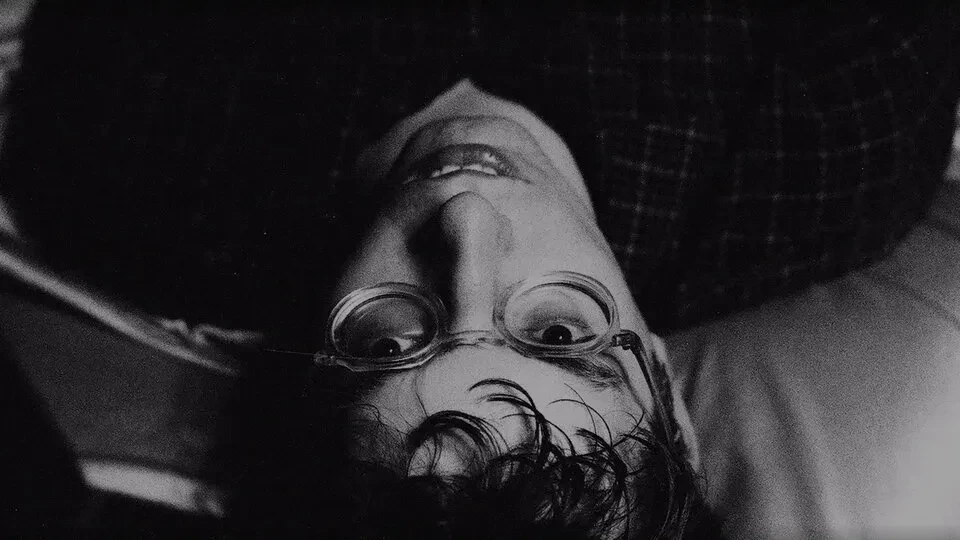
What is the problem
Проект «Дау» уже возбудил немало скандалов, слухов в разных странах. Как только его не именуют. Апокалипсисом кинематографа. Аферой века. В соцсетях возмущаются: «Мы так и думали, за шлейфом этого грандиозного хайпа ничего стоящего». Авторов упрекают в аморальности. Негодующих больше, чем поддержавших. Особенно среди тех, кто кино не видел. Жаль, что в Париже не получилось (во всяком случае пока) именно экран с перетекающими одна в другую главами «Дау» сделать главным событием: кино тонет в конфетти интертеймента.
К тому же в духе самого секретного Института создатели «Дау» слишком долго не подпускали к проекту журналистов, не давали комментариев. Отсюда домыслы. В парижском мире искусства и во французской прессе отношение к «Дау» скорее раздраженное, не будем исключать и ревности к чужаку, режиссеру-«выскочке», привлекшему столько внимания. Раздражает гигантомания, неразбериха, золотой дождь финансирования.
Конечно, к «Дау» можно относиться как угодно, но очевидно, что этот многолетний социопсихологический арт-проект не имеет аналогов. И дело не в масштабе, а в поиске киноязыка, в художественном результате, открывшем нам трехмерную бездонную пропасть, в которую продолжает падать сообщество строителей социализма.
PS
А я вот все думаю про этих двойников персонажей «Дау» — манекенов китайского пошива, нетленных пришельцев из СССР. Все умрут. А они останутся.