
Translated material
I see in the news the word "blackface." What does it mean?
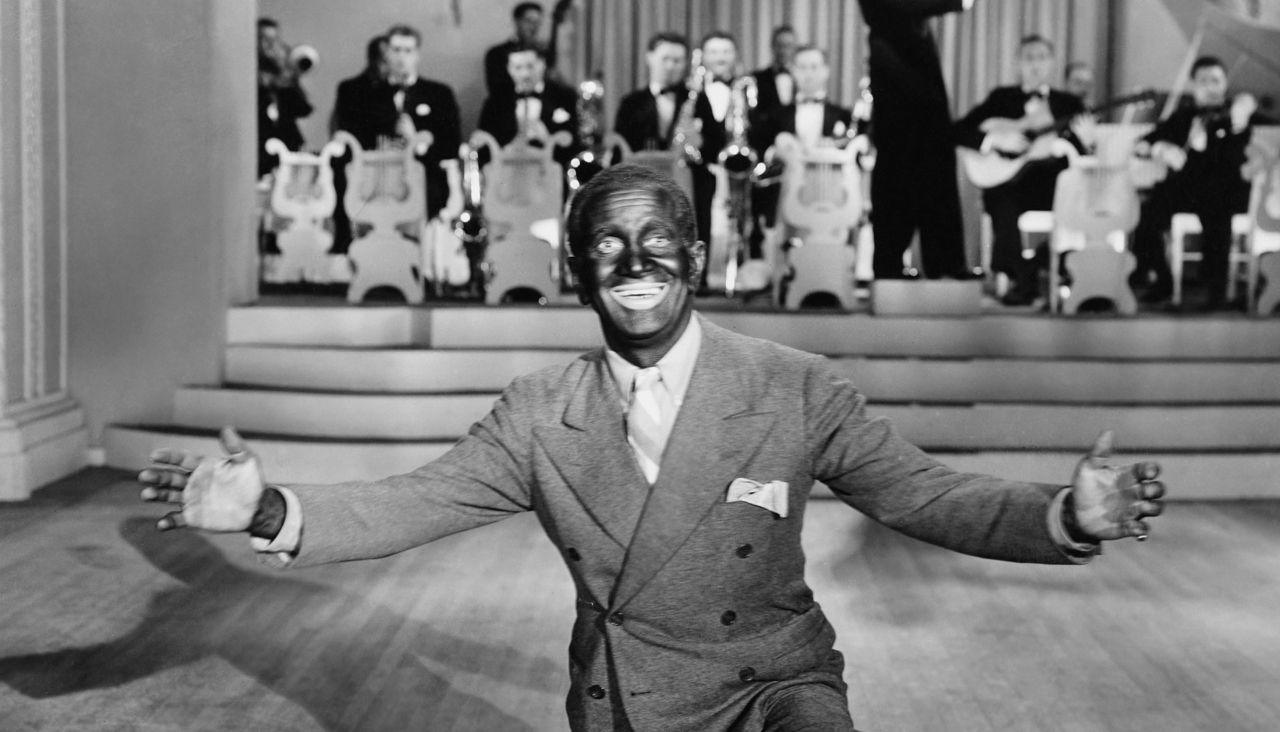
Blackfeis - from English BlackFace ("Black Face").
Short. The makeup that white people apply in order to portray blacks. This practice has spread in the USA in the 19th century, when there was slavery. In modern America (and not only America), he is considered a manifestation of racism in this way. In the media from time to time, scandals are discussed related to cases when someone uses BlackFsees.
Read more
Initially, Blackface is the theater makeup, which was covered by American actors to portray black people. The tradition of such a show, they were called the “Menstrels show”, arose in the USA at the beginning of the 19th century, and the very beginning of the African Americans were portrayed in them in emphasized caricature form, like people near and not very smart. The genre has become widespread in the UK. Researchers believe that this genre, which has existed for more than one and a half centuries, has very much influenced the formation of stereotypes about black people who are so far in society.
Broadway musicals with blackfeis remained very popular until the middle of the 20th century, and with the spread of television, such shows also appeared on the screens. Under the influence of the movement for racial equality, the Blackface gradually disappeared like a genre, but back in the late seventies in the United States, a “black and white show of minstrels” came out.
Now the word “blackface” is called any visual and costume parody of people with a dark skin color - especially if makeup is used for this.
What news are we talking about?
On February 7, Gucci Fashion House issued a statement that he had removed a sweater from the sale, the gate of which was reminiscent of Blackphesis. Representatives of the brand apologized to those who insulted such a design. In addition, the media discuss a photograph found in one of the student albums of the 1980s. In the picture, two people - one with a blackfeis, the other in a Kukluksklan suit. Journalists wrote that one of these people is the Governor of Virginia Ralph Northham. After the scandal arose, Northham apologized, but later stated that he was not taken in the photo. Nevertheless, he admitted that he participated in Blackplay another time when he parodied Michael Jackson. Later, Prosecutor General of Mark Herring said that he himself was engaged in blackface during the years of study at school.
Examples of using the word. “Gucci apologized for the production of balaclac divers in the form of“ blackface ”” ; "Why is Blackphesis on Halloween a bad idea?"
What is bad about changing in a black? Is it necessary to racism?
The main thesis of those who oppose all the use of Blackphesis sounds like this: unfortunately, the fact that a person did not want to offend anyone does not mean that his act will be really harmless. Often, people who were putting up under the blacks explained that they were not racists and did not see anything offensive in their outfit. But in the United States, Blackpheses left such a trace in culture that it is difficult to perceive it outside the history of the genre - and this story is associated with the humiliation and suffering of thousands of people. In other words, any dressing up and a make -up to a black person refers to those times when the actors thus exploited racist stereotypes to entertain white spectators.
In 2015, in the New York Metropolitan Ooper, they stopped using dark make-up for singers performing the Othello party, having come to the conclusion that in this way they focused on the hero’s race. Even if a person repainted in a dark color (or his hero, if this actor) does not commit any obviously humiliating actions, such a bright manifestation of one characteristic connects all his behavior with her, and this is the basis of racism.
Blackption rejection is also closely related to the concept of cultural appropriation. This is a situation in which representatives of the dominant culture use attributes, values and symbols of another culture in the past for selfish purposes - usually commercial and entertainment. Thus, the experience of oppression is depreciated twice-firstly, by the very fact of gaining benefit by assigning someone else’s, and secondly, ignoring the suffering, which were caused by the presence of certain distinctive features. In the case of blackface, the dark skin color almost automatically meant belonging to slaves, and in the future - racial inequality.
Dmitry Kartsev