
Translated material
And rye will not crack?
Grain exports bring billions of dollars. Searches in the country's largest agricultural holdings mean the start of the redistribution of the industry
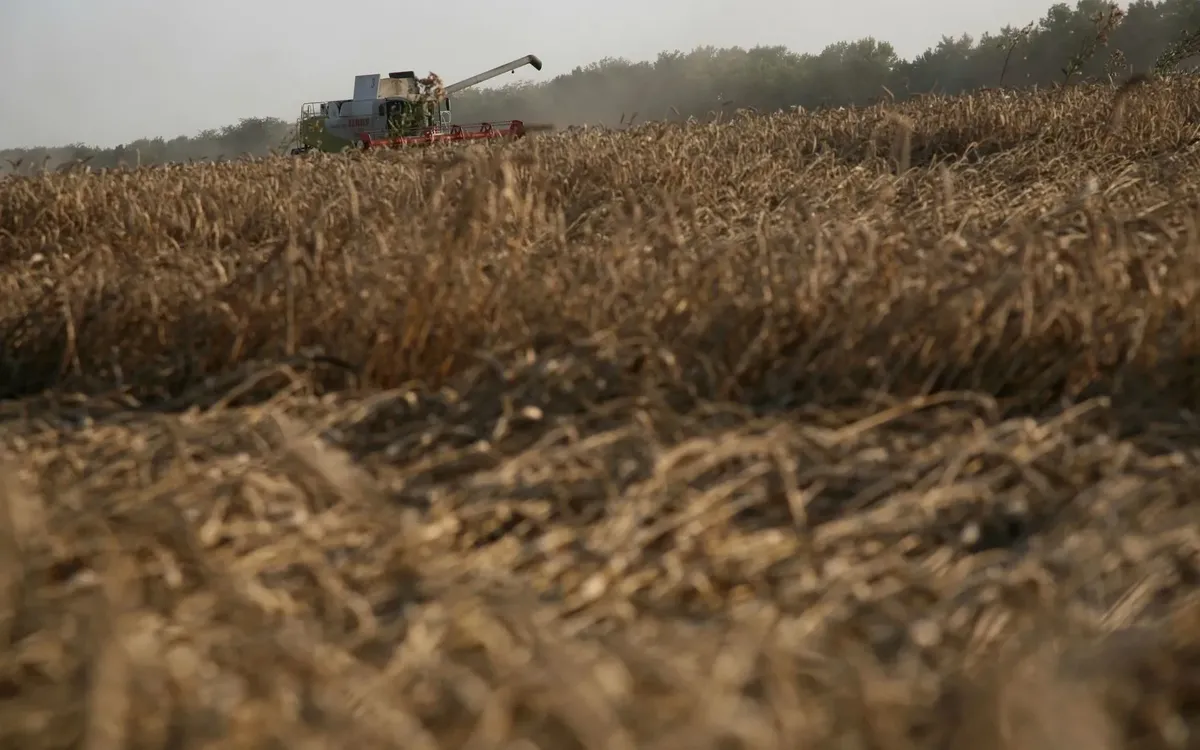
On Wednesday morning, employees of the Federal Security Service (FSB) and the Federal Tax Service (Federal Tax Service) were seized with documents at enterprises of large agro -industrial holdings. Joint measures, in which several hundred operatives of the Central apparatus of the FSB took part, were carried out on the territory of 13 subjects of the country and affected more than two dozen participants in the agro -export market, including giants such as the Cherkizovo and Rusagro group.
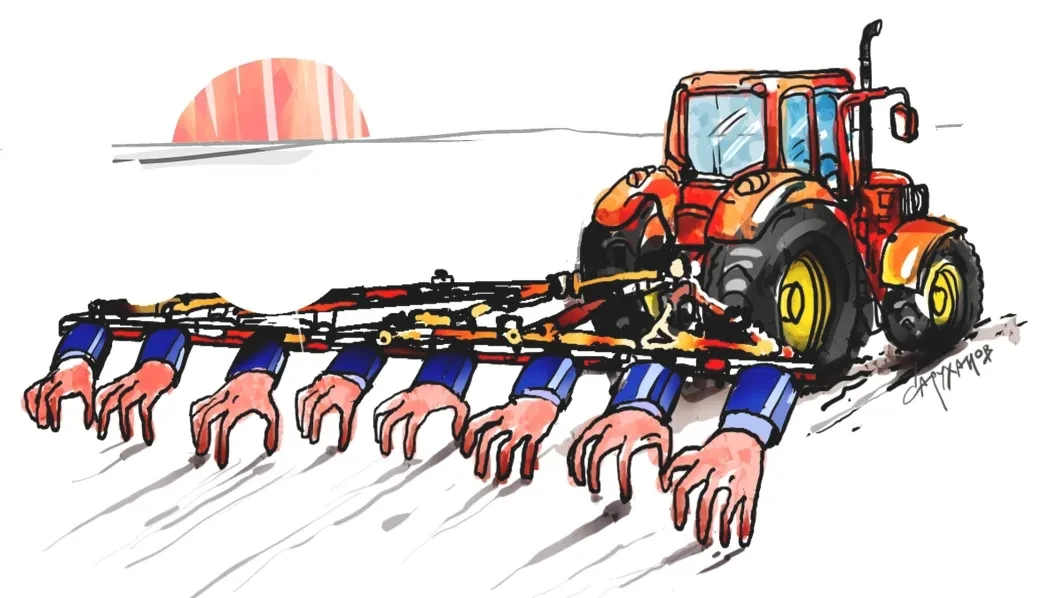
A formal reason for a large -scale in its geographical scope of the verification of agricultural holding was a violation of the agricultural complex (agro -industrial complex) of the Charter in the field of turnover of agricultural products, adopted in order to stop the schemes of unreasonable tax optimization, in particular, unreasonable compensation for VAT export of grains.
The Charter, which was signed by several thousand enterprises of the agricultural sector, provided for the simplification of fiscal control over grain exporters, subject to the purchase of products directly from manufacturers who pay the Unified Agricultural Revolutionary (UST), which excluded the subsequent possibility of offsetting or returning VAT.
However, during the check of compliance with the Charter, as explained in the press service of the Federal Tax Service, five of the largest sites of unscrupulous suppliers were identified,
"The activities of which are aimed at creating conditions for the legalization of VAT, claimed in tax deductions by processors of the grain market."
Bodan VTB with the Ministry of Agriculture
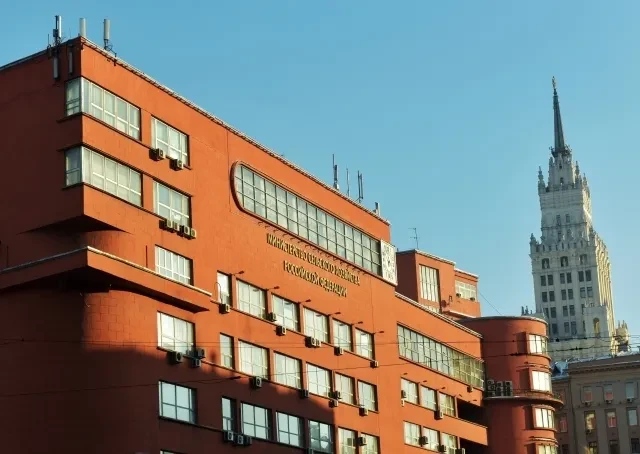
Exit inspections of the tax authorities with the support of the FSB took place simultaneously with the absorption of the United Grain Company (OZK) and the Novorossiysk Bakery Plant by the State VTB.
OZK was created more than ten years ago as a result of the transformation of the Federal Agency for Regulation of the Food Market, subordinate to the Ministry of Agency of the Food Market. The company was endowed with the powers of an exclusive state agent in grain interventions, with which it was planned to maintain high grain prices. After a couple of years, by decree of President Dmitry Medvedev, a significant package (50% “minus” 1 action) was transferred to the “Sum” group Magomeda and Ziyavudin Magomedovs, and the subordinate of the then assistant to President Arkady Dvorkovich Sergey Levin was appointed general director.
Largely thanks to Ozk Magomedov, it was possible to become the largest players in the field of export logistics of grain. In fact, they managed to create a vertically integrated holding for servicing the export of products: the transgrain operator, the Operator, was engaged in the storage and deliveries, and the transshipment, and the transshipment occurred through the Novorossiysk Bakery Products (NKHP).
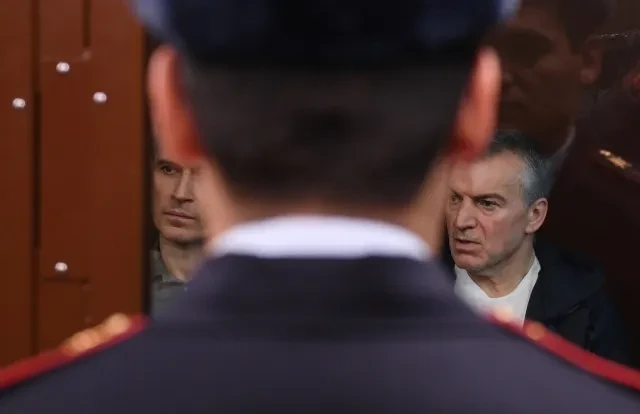
Last spring, the Magomedovs were arrested on charges of creating a criminal community and theft of budget funds, and their assets became the subject of interest of creditors and large financial and industrial groups.
Even in autumn, the share of the “sum” to the OZK and the NKHP actually moved away VTB, in the pledge of which there was a significant part of the brothers' assets. By that time, the State Bank already owned a Novorossiysk grain terminal (NZT), the second and last paragraph of the transshipment abroad, and the absorption of the NKHP, in fact, made its position in the monopoly market. Over the past year, the volume of grain exports through the Novorossiysk Sea Transport port amounted to 12-14 million tons, moreover, the cost of customs “cleaning” of the ton of grain reached $ 28 (for comparison: neighboring Ukraine transgress tons for $ 8-10).
However, the only owner of the “narrow neck” in Europe was not able to remain the State Bank.
Last spring, when the investigation began in relation to the Magomedovs, the head of the Rosselkhozbank Dmitry Patrushev was appointed Minister of Agriculture.
Pereshev to the chair of the federal minister, the son of the Secretary of the Council of Security of Russia for a long time achieved rotation in the leadership of the OZK.
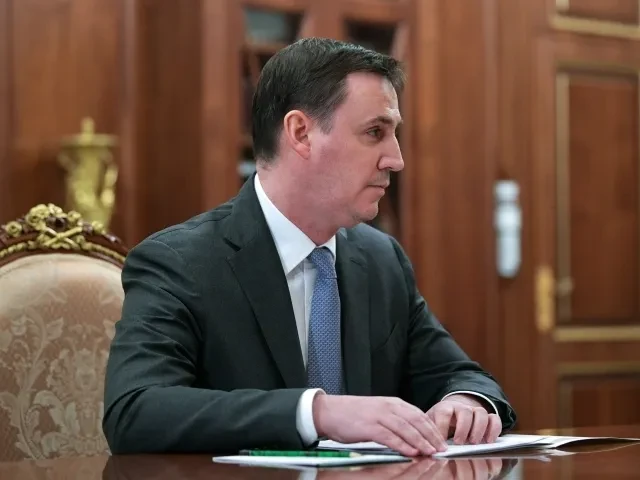
In October, OZK was left by the director Mikhail Kiyko, appointed several years ago thanks to the support of Ziyavudin Magomedov and ex-head of the FSKN Viktor Ivanov. However, the post of head of the company was occupied by the representative of VTB, and Patrushev Jr. managed to only introduce to the board of directors of his deputy Dmitry Sergeyev.
In early February of this year, VTB seemed to take the majority in the council, choosing four representatives led by President Andrei Kostin (two people were elected from the Ministry of Agriculture to the Council, another delegated by the Federal Property Management Agency), but Dmitry Sergeyev will soon be appointed general director - the government directive has already been prepared.
This purpose will allow you to balance the forces between the ministry and the bank, which has a dominant position in the joint -stock capital and the Council of Directors of the OZK, but the struggle for the program for the development of the enterprise and the transshipment of grain through Novorossiysk terminals will continue.
At stake is billions
Simultaneously with the start of the redistribution of infrastructure that ensures the transportation and export of grain, the Ministry of Agriculture was concerned about the restraint of order in the market of production and supply of agricultural products. So, at the end of last year, it was decided in the walls of the Ministry to create a new Union of manufacturers and exporters of grain, which should replace the current Russian grain union. Being a non -profit association, this union is an effective mechanism of artificial export regulation: it distributes quotas for transshipment, sets the conditions for fumigation (that is, cleaning of harmful insects) of export parties.
You can have any amount of grain, but if it has not passed phytosanitary control and you have not received a quota for a transshipment, you can sell it only on the domestic market. Of course - with a big discount.
When the methodological part of the establishment of a new vertical of grain realization was rebuilt, the state passed to a part of the practical one.
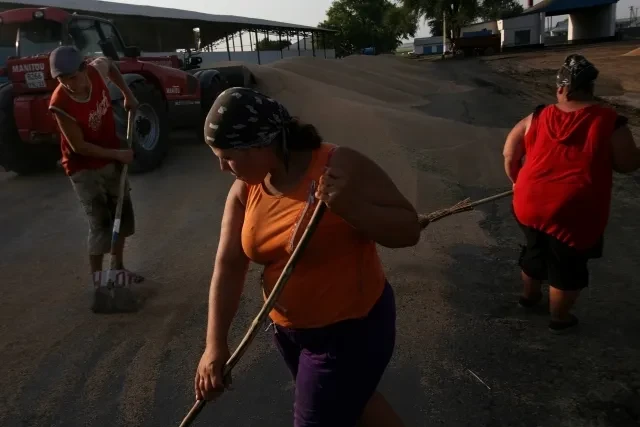
The same charter in the field of agricultural turnover, the non -compliance of which led to large -scale checks, in fact, is a declarative document, if not conceptual. Signed by agricultural holdings and adopted under pressure from the Federal Tax Service, she only recommends exporters to buy grain products directly from manufacturers without subsequent compensation or offset VAT (for which it seems to guarantee simplified fiscal control). In this regard, many market participants continued to purchase products from traders, announced VAT for offset or return.
This absolutely legitimate operation, from the point of view of the Tax Code, turned out to be doubtful from the point of view of the signed charter, allowing the regulatory authorities to find a formal occasion to conduct an audit.
It is noteworthy is the FSB unit, which is instructed to quickly accompany this tax raid. By virtue of internal instructions, the counterintelligence support at the enterprises of the agro-industrial complex is carried out by the 7th department of the PEB department of the FSB SEB, however, in the development of agro-manufacturers, the operational initiative belonged to the employees of the two departments of the SB FSB, which oversees tax inspectorates and the banking sector.
This is especially symbolic, taking into account the background of the current elite of the Ministry of Agriculture - the minister and his subordinates, up to the leaders of the departments, immigrants from the Rosselkhozbank. The bank, through which the projects of large agricultural holdings were subsidized, and, consequently, knowing the entire summary of their financial transactions.
The practice of recent years shows that any measures of state support in the form of direct subsidies or tax benefits allow the regulatory authorities to consider tax optimization or benefit as aft. And the owners of agricultural holdings, who for the most part are regional elites who, until recently, calmly built up protection through the Rosselkhoznadzor and Rospotrebnadzor and have a common language with the leadership of tax inspectorates, are worth being afraid of the consequences-now they are in the target of counterintelligence from the financial and credit sphere.
“Based on the results of these measures, an assessment of the degree of involvement of the largest flour-breeding, livestock, feed and other processors in the illegal scheme for minimizing tax liabilities and thereby obtaining an unreasonable competitive advantage over the other market participants who conduct transparent purchase activities without tax risks will be given.
The main question: what is the war for? The answer to him is obvious: for a lot of money. And in the currency.
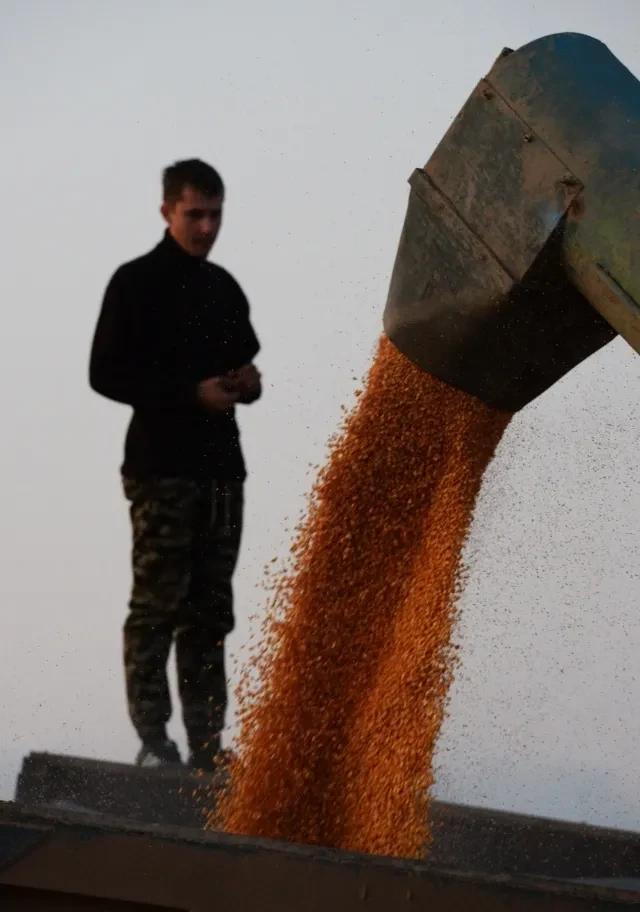
Grain becomes a more important source of export revenue than oil and gas. Here are the numbers: in 2019, with a total planned volume of agricultural export of $ 25 billion, 10 should give a grain directly and 7 more oil and fat products manufactured on its basis. That is, we are talking about 15-17 billion dollars a year - a lot of money by the standards of our besieged by the sanctions of the fortress.