Date
Author
Владимир Севриновский

Preserved copy
Translated material
How is the mechanics of the Caucasian conflict
It is believed that their laws are in force in the North Caucasus. But almost no one knows what and how they work. After decades of mass outcome from mountain villages to the city, local ethics changed deeply. A whole generation has grown, for which the realities of life in megacities, traditional rural morality, the laws of Sharia and the Criminal Code have formed a new set of rules of everyday life. At the request of Samizdat, journalist Vladimir Sevrinovsky investigated the mechanics of modern Caucasian conflicts and tried to understand what he controls them without unnecessary generalizations. Why come to a fight in a crowd, how the holes of Russian legality are poking, and the new Caucasian nationalism has to do with it and how social networks affect all this.
Source of friction
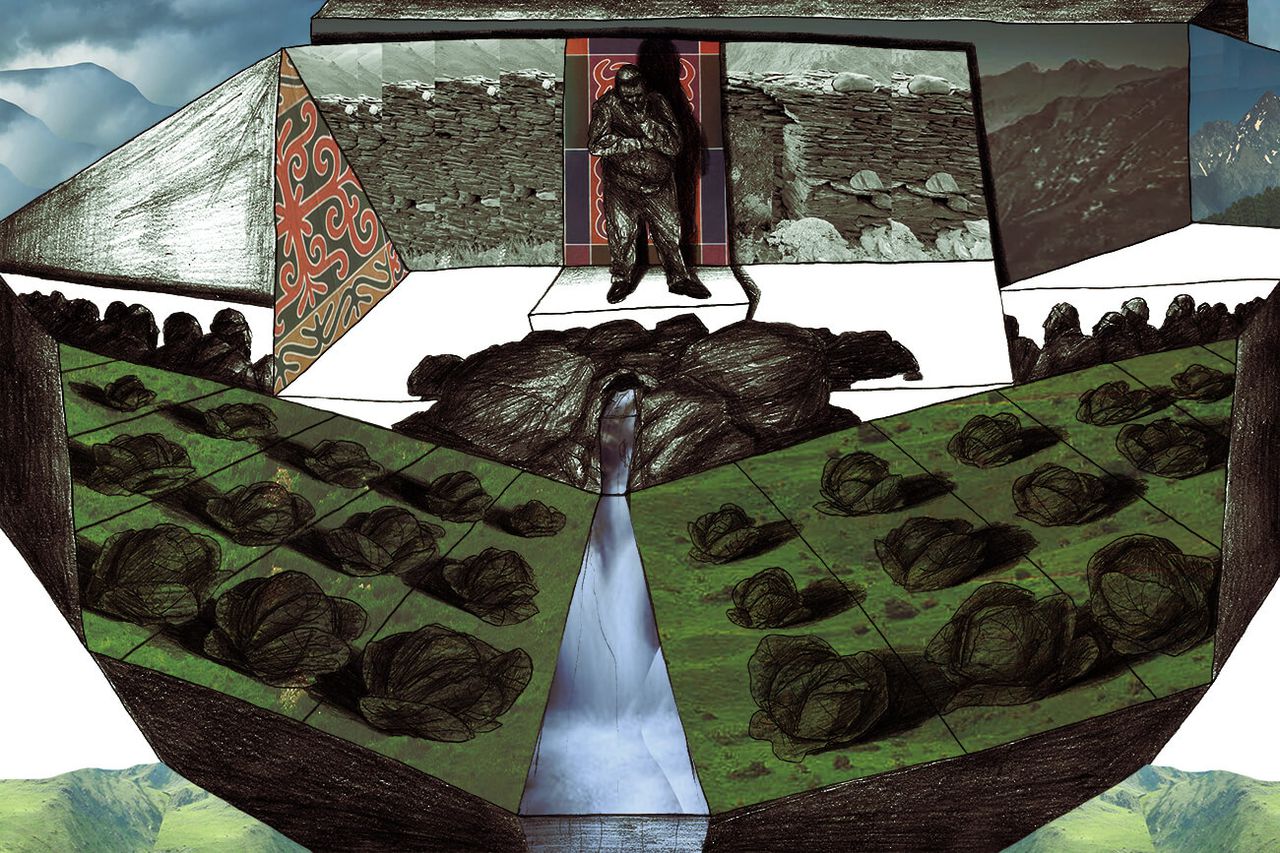
There is no kilometer between the villages of Chuni and Tsukhta in the Levashinsky district of Dagestan. Both there and there live peaceful farmers growing cabbage. They speak different languages - Avar and Dargin, but they are connected by many mixed marriages and friendly relations, and they always went to one spring for water. It is almost on the official border of the territories, but still a little closer to Chuni. However, the Tsukhtins are sure that this is the result of the cadastral error and in fact the water belongs to it.
In 2017, the conflict for the source of irrigation of cabbage fields reached the point that several dozen men went down along the slopes of the gorge dividing the villages and staged a mass fight, despite the preventive shots of the police detachment.
After long disputes, the republican authorities decided to build a dam and to send from it along the same pipe to each village. The Tsukhtin residents remained unhappy: there are twice as many of them than the inhabitants of the Chuni - and therefore they demanded more than one pipe, but two for the upper and lower Tsukhta. Going to interfere with construction until their requirements are met, a group of activists from the village organized duty at the source.
In addition to languages, Chuni and Tsukhta are distinguished by the attitude to the sale of alcohol. She was banned in Tsukht, and local lovers of drinking went to their neighbors. On the eighteenth of March 2018, one of them rattled too much and was exhibited from the village. This did not end. Young people from Chuni went to the spring and beat activists, although there was no culprit of the scandal among them. The next day, in the gorge with the spring, it was again truly massive-a fight, this time with the use of improvised means, logs and with the participation of supporters who were suddenly found among the villagers in social networks.
According to the head of the village of Tsukht Abdulkhalik Abdulkhalikov, Instagram played a significant role in the conflict. Information immediately scattered through nationalist publics. Following the flurry of comments from people who had hardly heard of these villages, and those who wanted to participate in a skirmish were found. The townspeople went to the mountains to “support their own” - and the usual quarrel grew into a mass clash that fell into the federal media. Representatives of the Islamic clergy came to light the villages. The mufti has achieved the termination of fights and the transition of the dispute into a legal plane, but the relationship between the villages is still tense.
The conflict, which unfolded against the backdrop of the cabbage fields of the Levashinsky district, surprisingly collected many scenarios and problems characteristic of the modern North Caucasus: the rural origins of local ethics and its mutations in large cities; quick mobilization of the warring parties and the sudden appearance of people from the commentary section; New nationalism, local identity and special place of the clergy, who participated in the resolution of the dispute along with officials and the police.
Together, this develops into the phenomenon of North Caucasian polyuridism - a situation of constant neighborhood and friction of many laws and norms, which has existed here for not the first century and is now experiencing another deep transformation.
Writing about the mechanisms of Caucasian conflicts is an ungrateful business. The Republic of the Caucasus is unlike each other, and any generalization will find counter examples. Many disputes have a second and third bottom. But the misunderstanding of the nature of this phenomenon turns into many years of consequences and human victims. Therefore, at least try to describe the general schemes.
What is polyureidism
The fact that the concept of legality in the North Caucasus is arranged differently than in Moscow, Yekaterinburg or Khabarovsk, you can’t call the news. Here, the Criminal Code of the Russian Federation competes the norms of Sharia, adats (non-islamic traditions) and the so-called “coalition clinchs”-not even the norm, but rather the tactics of resolving the conflict right on the spot, without the direct participation of any authorities. In some republics, local innovations are added to this list, which is especially manifested in Chechnya.
For example, the tradition of theft of brides contradicts both Sharia and criminal law. But article 126 of the Criminal Code of the Russian Federation says that the person who voluntarily freed the stolen is exempted from criminal liability. At the same time, the girl after the night at the kidnapper is considered disgraced - her chances to successfully get married sharply fall. Chechen authorities limited this custom with an “unofficial” law obliging the kidnapper to pay a million rubles of a fine. According to the same norm, a religious figure who consecrated such a marriage is losing his position. As a result, the theft of brides in Chechnya sharply declined, and later the similar system was used by Ingushetia.
This type of innovation that does not fit into any of the "official" norms, the legitimacy is gained, as it were, a post -fact. Many “customs of glorious ancestors” arose in the nineties or are born now, although they often contradict “real” (and in fact just slightly more old) traditions. Subscribers of the famous (and now blocked) Chechen public "Carthage" disgraced girls on the Internet who supposedly violating the mountain rules of decency. One and a half years ago, such “moralists” would lose their heads, because the Caucasian had no right to even make a remark to a woman in the absence of a male relative, not to mention the public denial of her name. However, hardly anyone would take seriously a person’s moralization without a papa: it was difficult to imagine more indecency.
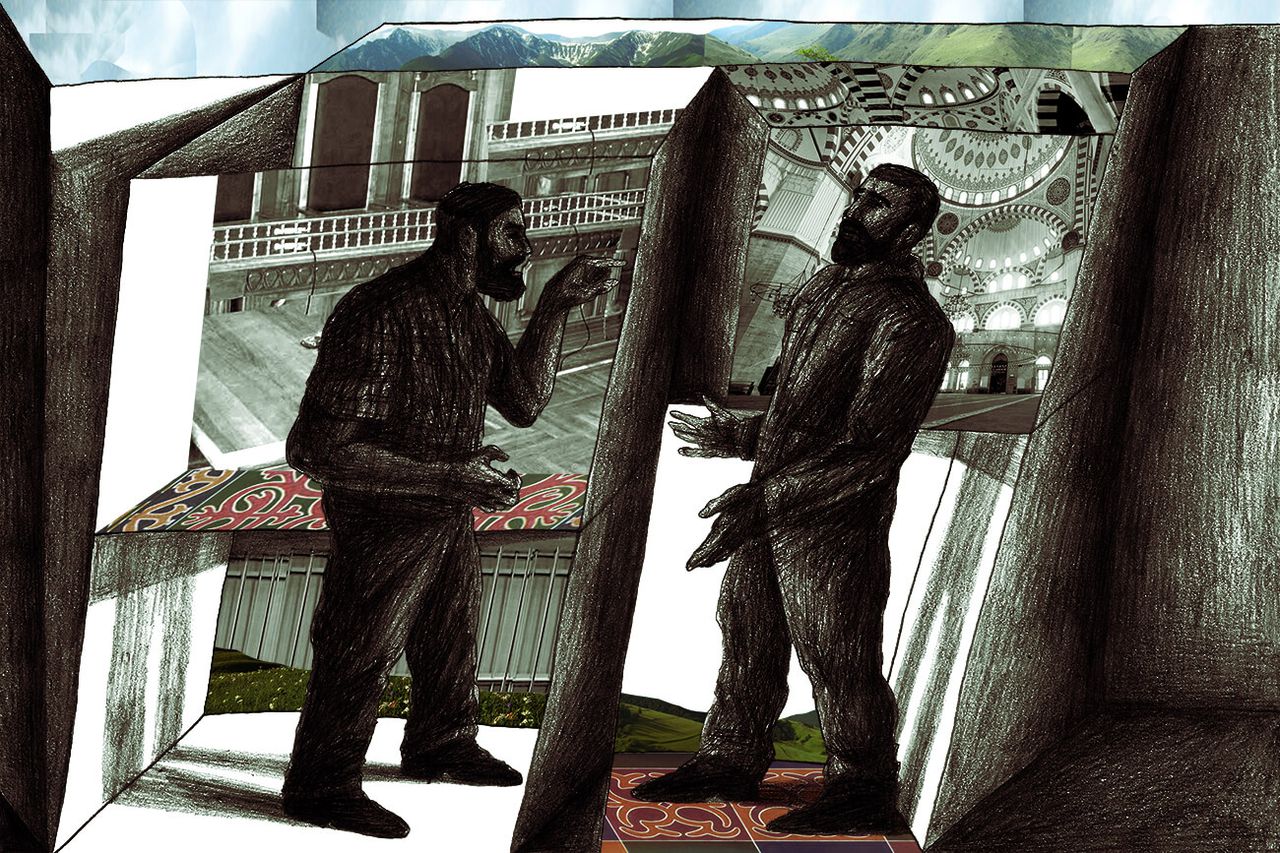
Polyuridism is often found in the colonies and on the outskirts of empires, where the culture of the metropolis is faced with the local one, and that is why all kinds of archaic is alien to. The situation of contact of cultures causes constant transformations of social norms, and polyuridism rather compensates for the imperfection of each individual system. In 1840, the authorities tried to introduce a Russian court in the Caucasus, but defeated, as their initiative "was gloating not agreed with local characteristics and customs." The combination of types of law worked better: in Dagestan, minor offenses and land disputes were considered according to adat, conflicts between family members - according to Sharia, and murders, riots, robberies and thefts were transferred to the military authorities.
In the Soviet period, Sharia temporarily lost its position in the North Caucasus due to persecution of religion, but many other mechanisms of local self-organization continued to work, no matter what. After the collapse of the USSR, rural gatherings quickly solved the problems that were excessive for officials: from the limitation of livestock to local self -defense against the invasion of Basayev, which unfolded in the border Dagestan villages at the beginning of the Second Chechen.
Like any system of laws, polyuridism is not perfect, but it is impossible to prohibit it with a stroke of the pen. According to statistics , Makhachkala youth trust the police and ships much less than their peers from Kazan, St. Petersburg and Ulyanovsk, and not without reason. When the organs of justice are used as levers of influence and punitive tools for disagreements, people prefer more reliable alternatives. The simplest and most deceptively familiar is to collect friends and supporters to crush the opponent with a number.
Why come in a crowd
In sociology, the conflict script with the involvement of a large support group is called a coalition clinch. The person who gathered the greatest coalition wins in him, and the matter is by no means always solved by a fight. On the contrary, coalitions in the Eastern Caucasus work more like a mechanism for containing physical violence, although the reason for their convening should be serious.
If the damage from the accident is small, the Dagestanis in most cases go peacefully so as not to disturb friends with trifles. Otherwise, both sides cause “support groups”, and then the crowd grows in a matter of minutes. If the forces are equal and no one retreats, they call older respected people for reconciliation, and only when it is not possible to get along no matter what, a fight begins. There is no point in looking for justice in court, since the judge himself may belong to one of the coalitions. After the fight, the incident is considered exhausted, if there were no serious injuries, insults or the loss of valuable things.
Coalitions are faced with all Russia - from a crowd of bearded men, forcing a blogger to apologize to the motorcade who went from Chechnya to the Ingush opposition during recent waves around the redistribution of the border between the republics. A huge crowd of Ingush met them in place, but it never reached power clashes, which, oddly enough, is quite characteristic of such a situation.
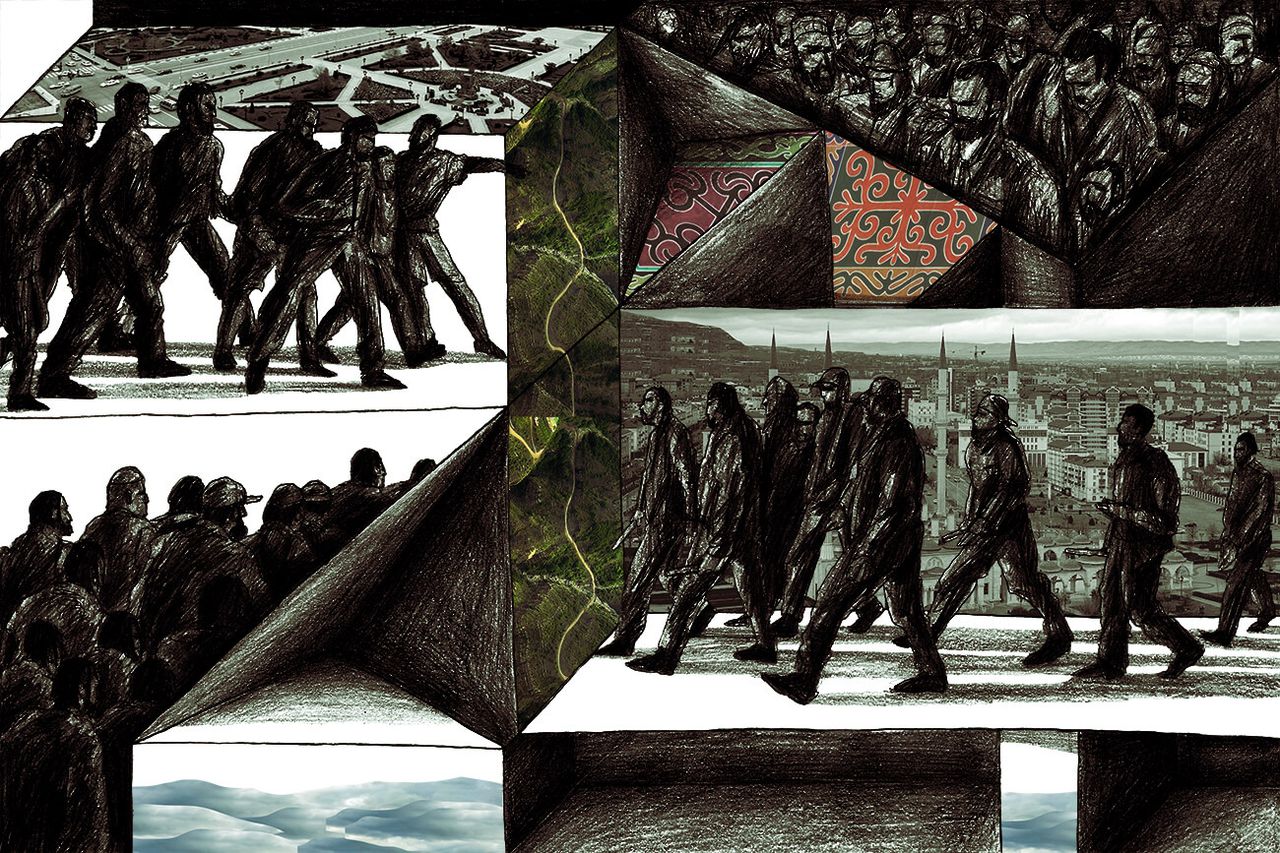
In the process of resolving the conflict, the rightness of the parties can be justified even by religion, even with customs, but in reality the crowd primarily embodies a potential threat. Sociologist Irina Starodubrovskaya says:
- Caucasian society - at a turning point. When in high -mountain villages conflicts for resources are resolved on the basis of adat and sharia, it almost always turns out that these resources are not very in demand from a market point of view. If the resource is really valuable, force often comes to the fore - gross physical or administrative. The head of one village showed me: “According to the law, this piece of land belongs to the neighboring district, and according to Sharia, we, and we graze the sheep here.” - "And the neighbors do not mind?" “So the road from here comes and is well shot from our skyscrapers.”
Coalitions give an advantage in disputes with those who do not have them. So, the Russians were kicked out of the houses in independent Ichkeria primarily because there was no one to intervene for them, and not because they were Russians. And at the same time, the Cossack, who had Kunakov among the Chechens, walked without any problems even at the commandant hour:
“In those days, everyone who has no protection suffered,” he recalls. - There are relatives - it means that everything is in order. I had friends. In addition, <...> if someone liked a good house, they could come, scare. There were even murders. And I never lived too richly.
In Dagestan, the strategy of the coalition solution of disputes worked for a long time even at the republican level and actually replaced the multi -party system. According to the secret rule, the heads of the republic and government were from different peoples, and not a single group had absolute power, as in a neighboring Chechnya. Largely thanks to this, Dagestan was perhaps the most free Republic of Russia. In every sense of the word: on the one hand, freedom turned around by anarchy, mountains of garbage and exorbitant corruption, on the other - entrepreneurial, little depending on the power of the population and magnificent journalism. Now the center is trying to build a standard vertical here, appointing Varangians to leading posts. What will turn into the balance of forces in the region - time will tell, but the vertical is clearly built contrary to the local system of checks and counterweights. In her heart, as well as in the ability to rapid mobilization, lies a special social structure that exists outside of nationalities. In anthropology, these hidden schemes of solidarity are often led to the system of local Caucasian "societies".
Rural societies of the Caucasus
Anthropologist Dave Hayton, who worked in the region for many years, said: “The Caucasus is a delicate dance of incredible hospitality and terrible xenophobia.” Having occupied a small, but its territory in the mountains, society (not necessarily monolithic ethnically) zealously guarded her from strangers. At the same time, due to the land deficit in the mountains, representatives of these companies often engaged in drove cattle breeding and went to work, passing through each other's territories.
In the mountains did not build inns, but in each house a wanderer found an overnight stay, and if necessary, and protection. A good guest could become a kunak-something like a friend with the powers of a business partner, but try to settle in a hospitable village, he would immediately explain the difference between tourism and emigration.
Around the territories on the boundaries of societies, conflicts constantly broke out - in the 19th century, such disputes were such a serious problem for the Russian administration that even the consultations were addressed even to the final imam Shamil. Nowadays, little has changed. The villages of Chuni and Tsukht need water from the border spring, but prestige plays no less role. Similar conflicts arose around the wasteland.
The small people of the Terechemens are known for a peculiar fishing: they have long dug up artificial lakes on the path of seasonal migration of wild ducks. It was worth sitting there a large pack, the hunter pulled the rope - and the lake covered the network, which allowed to catch hundreds of birds at once. Once a family of immigrants living in Derbent from the village of Padar found out that the former neighbor declared their old trap on ducks, which he had previously leased.
"The Caucasus is a delicate dance of incredible hospitality and terrible xenophobia"“Everyone knew that we are now urban and would not return to the village,” recalls the participant in the conflict. - Here is the tenant and let the rumor that this was his trap, although he brought tribute to my father. I had to go for a showdown. The great -grandfather bought our share for a buffalo, but how to prove it if the seller died for a long time? We went to the elders. One confirmed: yes, it was. We are in the forest, to the trap, and the rivals followed. We are a father with a son, and they too. They did not solve each other a little. The old people were ashamed of both families. They said that the trap is large, there were a lot of places, they asked to be divided in a good way. But we were not inferior. Lost these ducks, the main thing is our rights to defend. To respect. They did not calm down until they achieved their own.
And concludes solemnly:
- Our trap was considered the best in the forest. It was worth fighting for her. We won, returned to Derbent and never caught ourselves again. Neither my father, nor I, nor my children. Three years ago I came to Padar and could not even find her ...
The intermediaries are usually reconciled. The offended can come to Kunaka from the village of Offender and go to the village council or mosque with him to resolve a dispute, and Kunak will be a kind of lawyer defending the interests of a friend in front of the villagers. With a mass conflict, a mediator can be any authoritative person - imam, chairman of the village council, guest, dear old man or an outstanding athlete. So, the many years of dispute of the villages of Gagatley and Rickwani around the spring was allowed by the boxing champion Alisultan Nadirbegov. The Gagatlinians gained access to the water, and the local deputy in gratitude arranged jumps in the Rickwani. Much more fun than a brawl with logs at the ready. Alas, the dispute of the inhabitants of Chuni and Tsukhta complicated the belonging of neighbors to different nations.
National factor
Oddly enough, most of the conflicts in the North Caucasus do not have a direct national component, and even in mass fights of the coalition, they are not formed according to the ethnic principle. This is explained by the fact that, according to many anthropologists, until the end of the 19th century, nations in the modern sense of the word in the region simply did not exist. “They determined themselves mainly by belonging to a particular rural society, <...> the microdistrict (union of communities) or the district (ethnographic, but not ethnic region), - write by Yu. Yu. L. Kapustin in the work of the Highlanders after the mountains. - At the same time, no one dared and could not forget that his (as well as the neighboring) community is the supreme owner of the land, “its“ territory ”.
“The reason for the interethnic world in the past and the present lies in the fact that in Dagestan they were not known, emphasized,“ ethnic territories ”, the root cause of interethnic conflicts,” said the ethnographer Mamaykhan Alarov. Various societies lived side by side, traded, exchanged legends and technologies. To make sure of this, it is enough to compare the Ingush and Ossetian towers, read the versions of the Nart epic of different nations. It is not just impossible to disconnect the interconnected crops by attributing the specific achievements of one nation - the formulation of the question itself is incorrect. Nevertheless, Caucasian nationalists are stubbornly trying to do this, proving the antiquity of their people and the superiority of their culture.
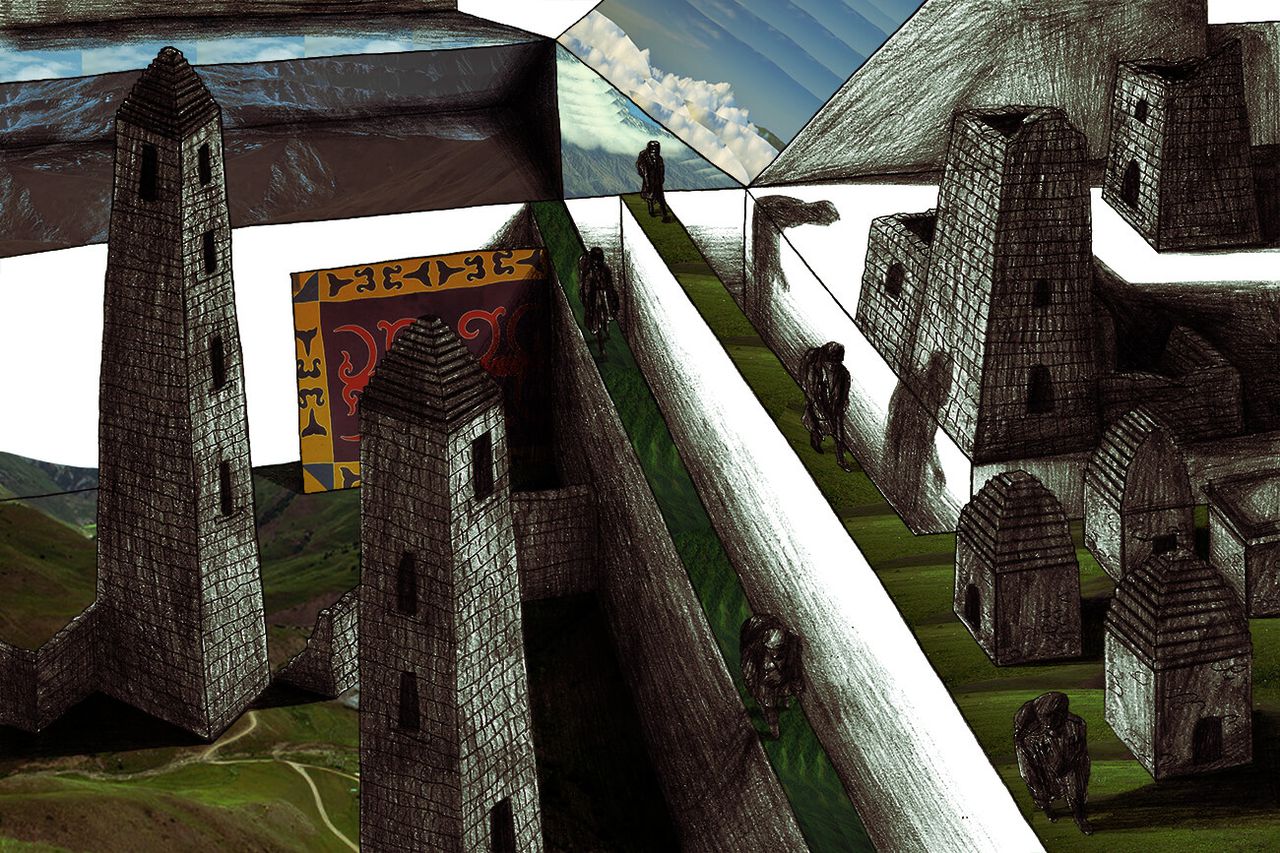
The formation of the peoples of the North Caucasus has already ended in Russia. The decisive role was played by the Soviet division of the region into national republics with sometimes very arbitrary borders. The ethnic group of Circassians was distributed immediately into three territories, dividing the Adyghe, Kabardins and Circassians. In two republics they were united with the Turkic peoples of Karachais and Balkars. Soon, the deportations of 1943-1944 and the resettlement (sometimes forced) representatives of other peoples to the empty lands of the neighbors were added to this. Всё это сломало традиционный баланс взаимоотношений кавказских обществ и породило множество конфликтов, которые сегодня принято называть межэтническими. К примеру, передача плодородных земель Пригородного района ЧИАССР Северной Осетии заложила мину, взорвавшуюся в 1992 году кровавым осетино-ингушским конфликтом.
После распада СССР по всему пространству бывшего Союза обострились национализм и тоска по Золотому веку, когда великие предки справедливо повелевали огромными территориями. Вспыхивали межнациональные распри, и Кавказ не стал исключением. Положение усугубила миграция сотен тысяч горцев на равнины и в города, где система ценностей, построенная вокруг взаимоотношений конкретных сёл, оказалась почти неприменимой к повседневной жизни.
Сразу четыре народа, принадлежащие к трем языковым семьям (осетины, ингуши и карачаевцы с балкарцами), объявили себя наследниками алан — скифо-сарматских племён, до XIV века контролировавших равнины Западного Кавказа. Чеченские историки писали книги о существовавшем со времён Ноева ковчега (недавно якобы найденного в республике) едином народе вайнахов, к которому относили, помимо себя, все родственные нации, и прежде всего ингушей. О том, что термин «вейнах» был предложен в качестве этнонима советским лингвистом Н. Ф. Яковлевым на волне планировавшегося в 1920-х объединения двух родственных народов, при них лучше было не упоминать. Ингуши при этом понимают, что объединение, по сути, означает их ассимиляцию чеченцами. А потому предпочитают разыгрывать аланскую карту, добавляющую легитимности территориальным претензиям к Северной Осетии. Так появилась новая столица Магас, названная в честь легендарной аланской столицы.
В конфликте селений Чуни и Цухты национальный фактор был не столь важен, особенно поначалу. Аварцы из Чуни издавна жили в районе, населённом преимущественно даргинцами, многие владели даргинским языком. С той же вероятностью спор вокруг родника мог возникнуть между представителями одного народа. Однако цухтинцы считали, что решения государственных органов в пользу соседей объяснялись тем, что республику возглавлял аварец Рамазан Абдулатипов, поставивший на ключевые места соплеменников. И если в общем случае малочисленные жители Чуни не имели шансов в коалиционном клинче против Цухты, современные средства коммуникации быстро вовлекли в ситуацию горожан и завели клинч в довольно опасный тупик.
Городской ислам
Молодое поколение кавказцев гораздо набожнее, чем воспитанные в советском обществе отцы и деды. В местных национальных республиках, за вычетом Северной Осетии, преобладает ислам, но и его однородным не назовёшь.
Главный религиозный конфликт последних десятилетий на Северном Кавказе разворачивается между салафитами (фундаменталистами) и суфиями (исламскими мистиками). Первые упрекают вторых в недопустимых нововведениях, получая в ответ обвинения в неуважении к традициям предков. Средний возраст салафитов при этом гораздо ниже, так что на доктринальные противоречия здесь накладывается и конфликт поколений. Это противостояние со множеством жертв из-за терактов и беспредела силовиков длится довольно долго и не имеет ясной перспективы разрешения, хотя в последние годы количество погибших снижается. Причём одно и то же направление ислама в одной республике может быть аффилированным с властью, а в другой — гонимым. Так, в Чечне суфизм — по сути, официальная религия, быть салафитом смертельно опасно. А на Западном Кавказе без суда и следствия исчезают уже суфии, тогда как представители власти симпатизируют салафитам.
В сёлах шариат и адаты так переплетены, что жители обычно не видят разницы, но в городах ситуация иная. Усиливающиеся исламские институты успешно конкурируют с другими юрисдикциями. При духовных управлениях мусульман работают комиссии по примирению кровников. С 1999 по 2000 год шариатский суд Ингушетии и вовсе считался официальным органом судебной власти, хотя потом его статус понизили до консультативного. Порой конфликтующие предпочитают религиозный путь коалиционному клинчу. Для этого не обязательно быть набожным, главное — найти имама, которому все доверяют.
Социологи Евгений Варшавер и Екатерина Круглова пишут: «К. рассказал, как он на дороге повздорил с молодым парнем. Была небольшая авария, они выскочили из машин, подрались, и К. выбил ему зуб. Потом приехали группы поддержки с обеих сторон. Затем, несмотря на то, что его противник был джахилем (ведущим неисламский образ жизни. — Прим. авт.), К. предложил ему поехать в мечеть и сделать так, как скажет имам. He agreed. Why? Потому что он нормальный мусульманин, но просто „особо не соблюдает“. И там имам решил, что каждый останется при своём». Довольны обе стороны: обошлось без лишних синяков и даже в случае проигрыша решение спора по шариату — богоугодный поступок, который зачтётся в Судный день. Если же кто-то против обращения к имаму, его можно «убедить» прямым вопросом: «Ты — мусульманин?»
В городской деловой среде исламские структуры нередко заменяют арбитражные суды. Как говорил один из опрошенных, они «однозначно оперативнее легальных судов, где ты не застрахован от вымогательства или идиотов». Вдобавок, туда может обращаться и теневой бизнес. Появляются «халяльные» сообщества бизнесменов, курсы делового шариата. Есть даже исламские аналоги службы судебных приставов. Зачастую этим занимаются ушедшие в религию бывшие вышибатели долгов. Ставка делается не на силу, а на порчу репутации:
«Договор об оказании услуги, в принципе, полностью соответствует российскому законодательству, просто мы отмечаем, что в случае неисполнения одной из сторон обязательств мы оставляем за собой право <…> предать огласке детали договора. <…> Пропал парень. Ловим-ловим — нету. Пишем в соцсетях, что мы — третья сторона — присутствовали при заключении договора об оказании… Просто предупреждаем вас, ребята, что с таким-то и таким-то не надо иметь отношения. Моментальный эффект. Он звонит: „Ээ, ну что вы делаете?! Я же был в отъезде, я то-сё-третье-пятое“. Приходит, сразу ставит деньги и ещё пятьдесят ставит сверху».
Этикет конфликта
При всём многообразии конфликтных ситуаций, в которых может оказаться кавказец как напрямую, так и в качестве участника коалиции, сдержанность для него и его окружения остаётся одним из самых одобряемых качеств. В споре с равным полагается следить за языком, в коалиционном клинче драка допустима, а оскорбления — нет. Раньше за них во многих обществах полагался штраф, а за отказ извиниться можно было поплатиться жизнью. Эта традиция трансформировалась в знаменитые кадыровские извинения, постепенно входящие в моду и в соседних республиках.
Особый вес, который в традиционным обществе имеют слова, связан прежде всего со страхом потерять лицо — прослыть трусом, быть униженным или ославленным публично. В погоне за сохранением лица дагестанские горожане всерьёз бьются за ненужную им ловушку для уток в горах, и самые обыкновенные перепалки получают непредсказуемые последствия. На семейном уровне коллективный страх потери лица порождает так называемые «убийства чести», когда мужчина убивает дочь или сестру, «опозорившую род», — порой просто на основании слухов. Оскорбившего общину мог убить любой из её членов. В последние годы этот страх проявился уже на республиканском уровне в убийствах чеченских геев.
— Молодой конфликтующий ударил старшего оппонента, — свидетельствует этнолог Юрий Карданов, рассказывая о ситуации, сложившейся в 2014 году в одном абазинском селении. — Тогда сын пострадавшего (сам отсутствовавший на месте конфликта) вернулся со службы домой, взял карабин и с нескольких выстрелов хлопнул обидчика отца прямо на футбольном поле в присутствии как минимум двух десятков свидетелей. Получил двенадцать лет строгого режима. <…> Это не придурки. И не от безнаказанности. Просто у нас прощать такое не принято.
Показательна мотивация мстителя:
— А что в таком случае предпринять? В суд подавать бесполезно: во-первых, предъявить нечего, во-вторых, обидчик — депутат. Драться полезть — так жертва была известным спортсменом. Не факт, что победишь. Жить с таким позором младший Евгамуков не захотел. Мог, конечно, киллеров нанять, но такой вид мести репутацию не очистил бы.
Поскольку убийца следовал неписаному кодексу чести, кровной мести не последовало:
— Семье даже предъявить было нечего. Стрелок поступил так, как обязан был поступить.
С учётом количества непоправимых последствий, кровная месть в клановых обществах — это в первую очередь тяжёлая обязанность, причём работает она без связки с религией. У кавказских евреев, к примеру, по свидетельству И. Ш. Анисимова, «каждая капля крови должна быть отомщена, и покойник до тех пор не <…> будет принят к престолу Всевышнего, пока не будет взята кровь за кровь».
Эти правила трещат по швам из-за новой силы, перекроившей кавказские коалиции, — соцсетей. Они одновременно позволяют набирать сторонников за считанные минуты и оскорблять оппонентов анонимно, чем активно пользуется большинство кавказских троллей. Особенно это затронуло городскую среду.
Виртуальный имамат
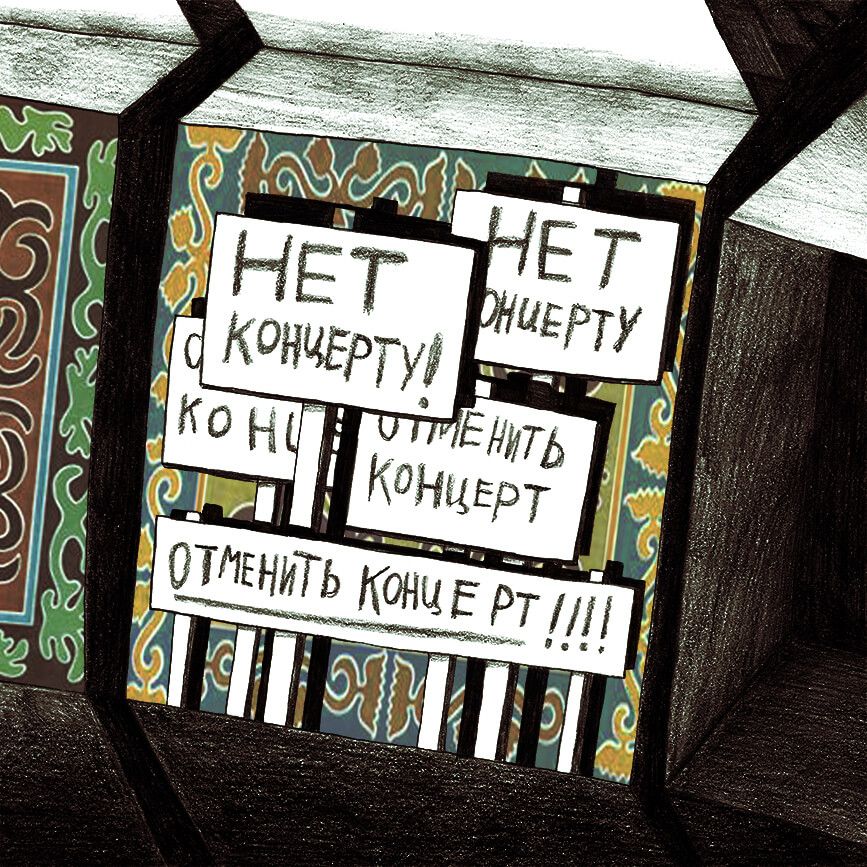
Летом 2016 года в Махачкале планировался Фестиваль красок. Он уже проходил здесь годом раньше: подростки кидались красками, как и в десятках стран, остальные об этом даже не знали. Благо в столице Дагестана, как в горах, разные культуры соседствовали, не мешая друг другу. Прихожане молились в мечети, в нескольких сотнях метров тусовщики плясали в клубе — и все были довольны. But not this time. Чиновник Министерства по делам молодёжи выложил в соцсети обращение, где назвал фестиваль «реально позорным явлением». В последовавшей истерике анонимов детям угрожали избиением и даже кислотой в лицо. Фестиваль отменили.
Гастроли коллектива Flos Florum вызвали скандал скорее по недоразумению: запретители перепутали готическую средневековую музыку с субкультурой готов и сорвали концерт группы в Махачкале, кажется, не посмотрев ни одного клипа группы. Публичная травля чего-то «чуждого Дагестану» происходит постоянно. В последние месяцы были сорваны фестиваль аниме «АниДаг» (проводившийся до того шесть раз) и показ фильма о корейской поп-группе BTS, подверглись угрозам организаторы студенческой постановки по роману Булгакова «Мастер и Маргарита». В комментариях призывали «засадить им по самые гланды», одновременно возмущаясь: «Кто такие Мастер и Маргарита? И откуда это всё? Разве они были мусульманами?»
Сценарий травли всегда один. Сперва — вброс информации популярным блогером или через паблики, затем — истерия в соцсетях и сбор коалиции сторонников запрета. Символ у «чуждой» культуры тоже один: о чём бы ни шла речь, обязательно прозвучит беспроигрышное «Сегодня это, завтра — гей-парад».
Кавказская гомофобия достигла такого уровня, что, по сути, превратилась в национальную идею. Если по закону Годвина в большинстве стран любой спор рано или поздно приводит к сравнению с нацистами, на Кавказе их заменяют геи. В регионе, где фраза «Ты не мужчина!» издавна была тягчайшим оскорблением, даже самое скотское обращение с гомосексуалами или приравненными к ним общество не осудит. Можно унижать, измываться — и выглядеть поборником морали.
Дополнительную легитимность травле и запретам придаёт поддержка авторитетов — таких, как боец UFC Хабиб Нурмагомедов или кавээнщик Эльдар Иразиев. Хотя их действия обычно не выходят за рамки закона, сам факт одобрения подстёгивает волну угроз. В соцсетях среди ролевых моделей почти нет религиозных деятелей, даже радикальных. Невзирая на отсылки к адатам и на слово «имамат» в названиях пабликов, движение это, по сути, светское, городское и общероссийское — чтобы прекратить прокатившуюся по стране волну срывов концертов, потребовалось вмешательство Путина. Суть происходящего что на Кавказе, что на Урале одна: агрессивное самоутверждение за счёт слабого под предлогом защиты морали.
Но представлять этот механизм абсолютным злом неверно. Осенью 2018 года инстаграм-паблики поддержали массовую акцию на центральной площади Махачкалы в знак солидарности с Муртазали Гасангусейновым, требующим справедливого расследования гибели сыновей, убитых силовиками. «Моралисты» и «либералы» стояли тогда плечом к плечу. Перекос в сторону охоты на неформалов объясняется просто:
— Местная молодёжь лишена политических, экономических и социальных прав, а потому пытается делать общество справедливым так, как может, — констатирует дагестанский активист, пожелавший остаться неизвестным. — Заявишь о правах мусульман — поставят на учёт как экстремиста или пособника террористов, можешь даже погибнуть. Остаётся действовать там, где нет интересов государства.
Кавказский полиюридизм за пределами Кавказа
«Нормы традиционной культуры поведения предписывали ему (дагестанцу. — Прим. авт.) не выказывать особого удивления, недоумения по поводу тех или иных местных обычаев, противоречащих его представлениям о хорошем и плохом, допустимом и неприемлемом, и невозмутимо воспринимать происходящее как должное», — писал этнограф Сергей Лугуев. К тому же современная городская культура универсальна, и сегодня сходств между Махачкалой и Москвой куда больше, чем различий, тем более на уровне местной интеллигенции.
Однако при огромных масштабах миграции локальные столкновения неизбежны. Знакомый автора Алексей П. рассказывает, как в юности ходил поддержать приятеля на разборке, последовавшей за небольшой дракой: «Когда мы впятером прибыли к месту встречи (мне было лет пятнадцать), там стояла огромная кавалькада машин, каких до этого я и не видал даже. Из одной вышел представительный дядя лет пятидесяти. Этот аксакал спросил: парни, вы на стрелку? Мы с вызовом, но с дрожью в голосе сказали да. Бородач побеседовал со своей армией, машины начали разъезжаться. Вернулся к нам и очень по-доброму сказал: идите домой; те, кого вы отлупили, — чеченцы, я тоже чеченец, не нужно больше ходить на стрелки с чеченцами, вас могут неправильно понять».
Этот случай показывает типичный путь мирного разрешения конфликта. Достаточно найти авторитетного представителя общины. Как правило, серьёзные люди не заинтересованы в лишних разборках и быстро их прекращают.
«Не нужно больше ходить на стрелки с чеченцами, вас могут неправильно понять»В крупных городах координационные советы общин и другие этнические организации выступают посредниками во всех видах конфликтов — от студенческих до деловых. Однажды в машину москвички въехал чеченец. Умолял не вызывать гаишников, обещал компенсировать, а когда она пошла навстречу, выведя ситуацию из правового поля, перешёл на угрозы. Бывший деятель независимой Ичкерии посоветовал ей обратиться в Представительство Чечни при Президенте РФ. Даже будучи давним противником нынешней республиканской власти, он понимал, что здесь кадыровцы — лучший выбор.
Конфликты с участием кавказцев нередко раздуваются СМИ, обрастают фантастическими подробностями. Показателен случай 2016 года, когда дагестанский борец Саид Омаров ударил статую Будды в Элисте. Официальные представители республики привычно извинялись, не пытаясь разобраться, тогда как отец спортсмена вышел на диаспору в Санкт-Петербурге. Те мобилизовали Кавказский правозащитный центр. Адвокат быстро выяснил, что самое суровое обвинение — в том, что борец якобы справил нужду на святыню, — ложно, а скандальная фотография удара, перепечатанная десятками изданий, не имеет отношения к инциденту. Омаров получил два года условно.
Эпическую баталию капустоводов из селений Чуни и Цухты удалось прекратить в самом начале. There were no casualties. Раненые вышли из больницы, дамба достроена. В ближайшие годы федеральная программа в изобилии снабдит водой весь район. Но конфликт между сёлами едва ли закончится. Жители почти не общаются друг с другом, не ходят в гости. Глава Цухты готовит обращение в суд, чтобы передвинуть границу на считанные метры и возвратить родник. Ситуация вернулась в русло российской законности. Но удерживают её там тонкие нити религии и адатов.
Автор благодарит Расула Абдулхаликова, Евгения Варшавера и Ирину Стародубровскую за помощь в подготовке этой статьи.