
Translated material
Moss and oil
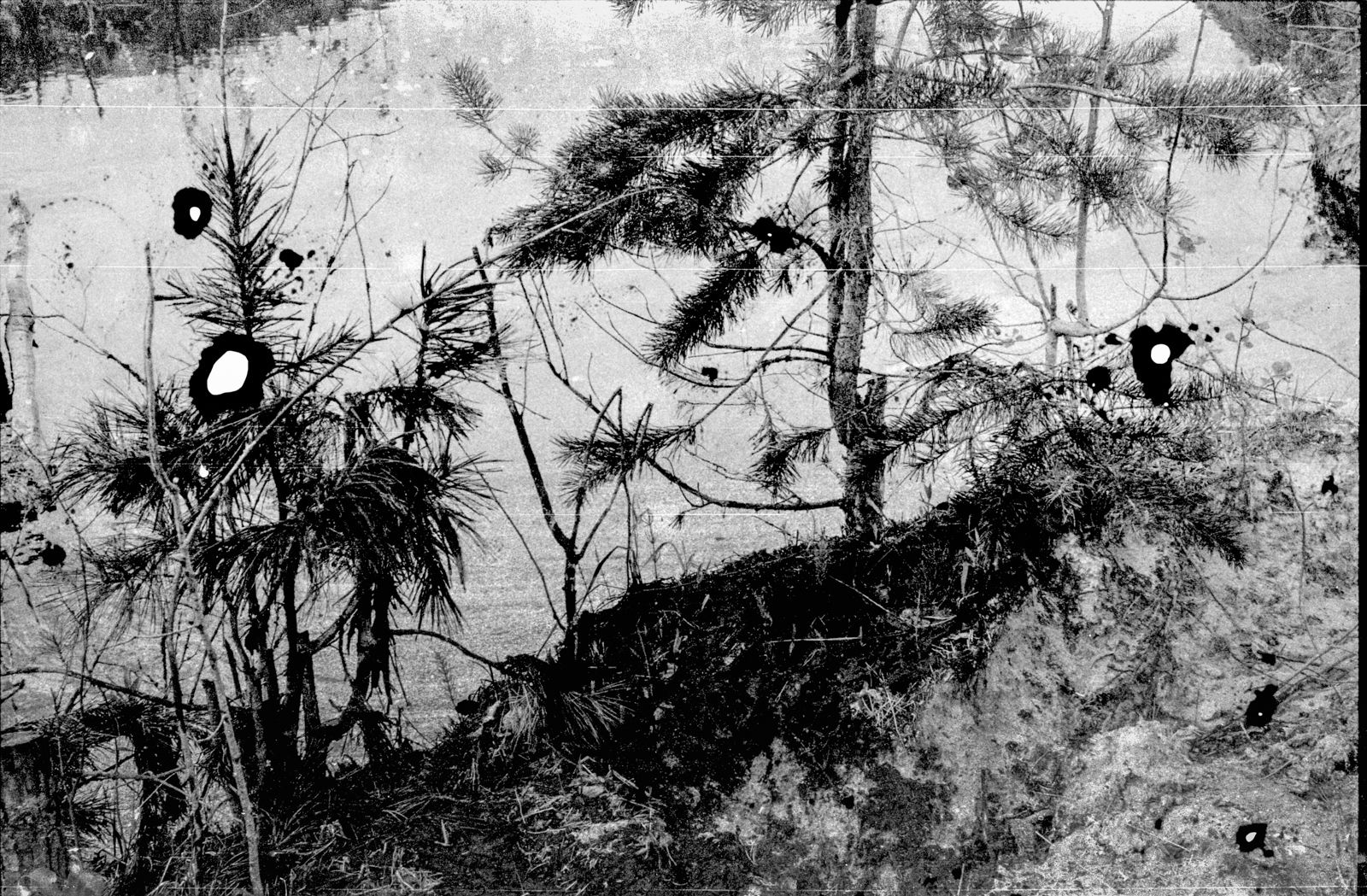
Spilled oil destroys everything: from photographic film to the environment and life of the indigenous peoples of the North. How this happens and what can lead to - in the project of the photographer Igor Tereshkov "Moh and Oil"
More than 18 thousand accidents leading to oil spills occurs annually in Russia. As a result, about 1.5 million tons of oil enters the environment, this figure is about twice the volume of the spill during one of the largest technogenic disasters in the Gulf of Mexico in 2010 on the Deepwater Horizon platform.
The main causes of oil spills in Russia are the total wear of pipelines and corrosion: the age of some pipes exceeds 30 years, although their warranty period is 10-20 years.
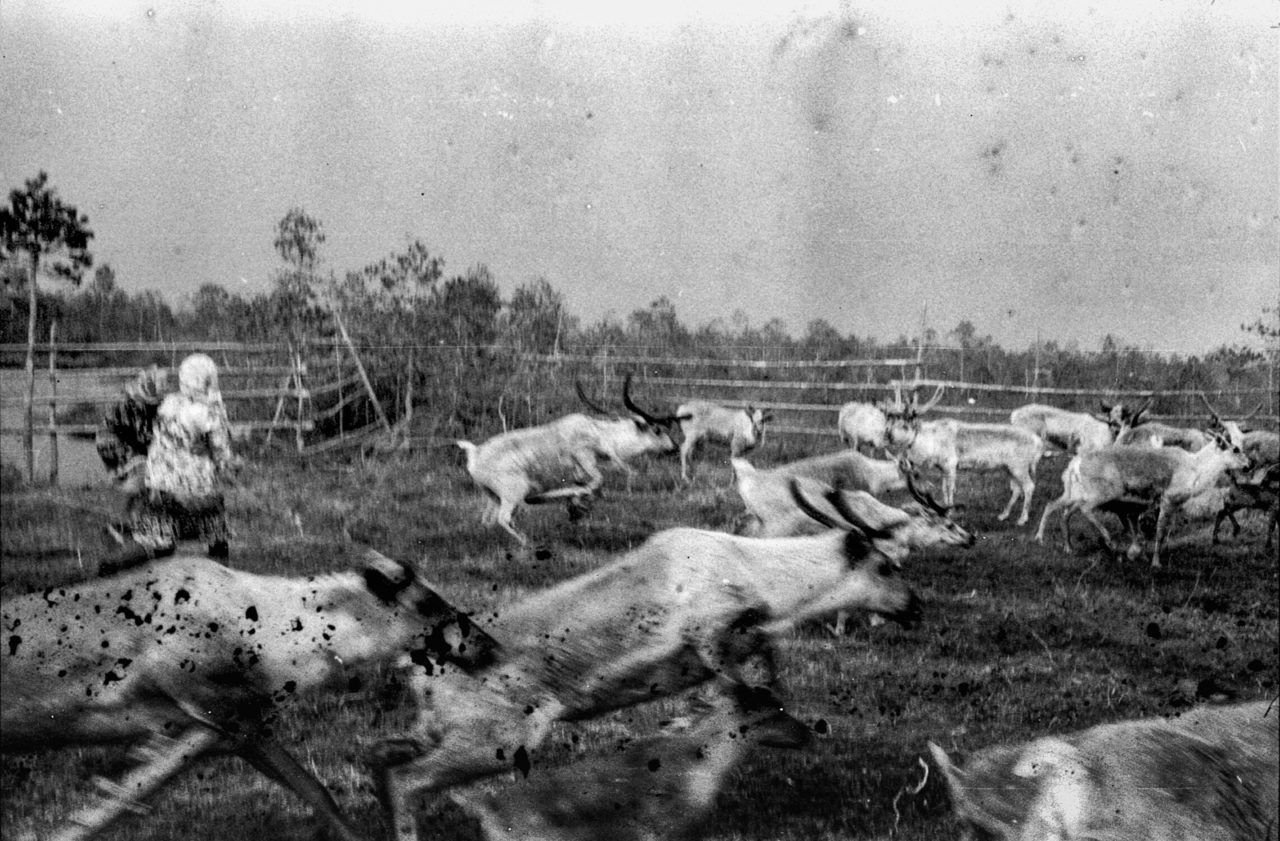 The northern deer run away from the Arcana, the summer parking lot of the Talins, Khanty -Mansi Autonomous Okrug Photo: Igor Tereshkov
In the summer of 2018, with the support of the volunteer movement #Nerlivaymnet, Greenpeace of Russia and the 7 × 7 project “Horizontal Russia” I went to the Khanty-Mansi Autonomous Okrug to remove the consequences of oil generations.
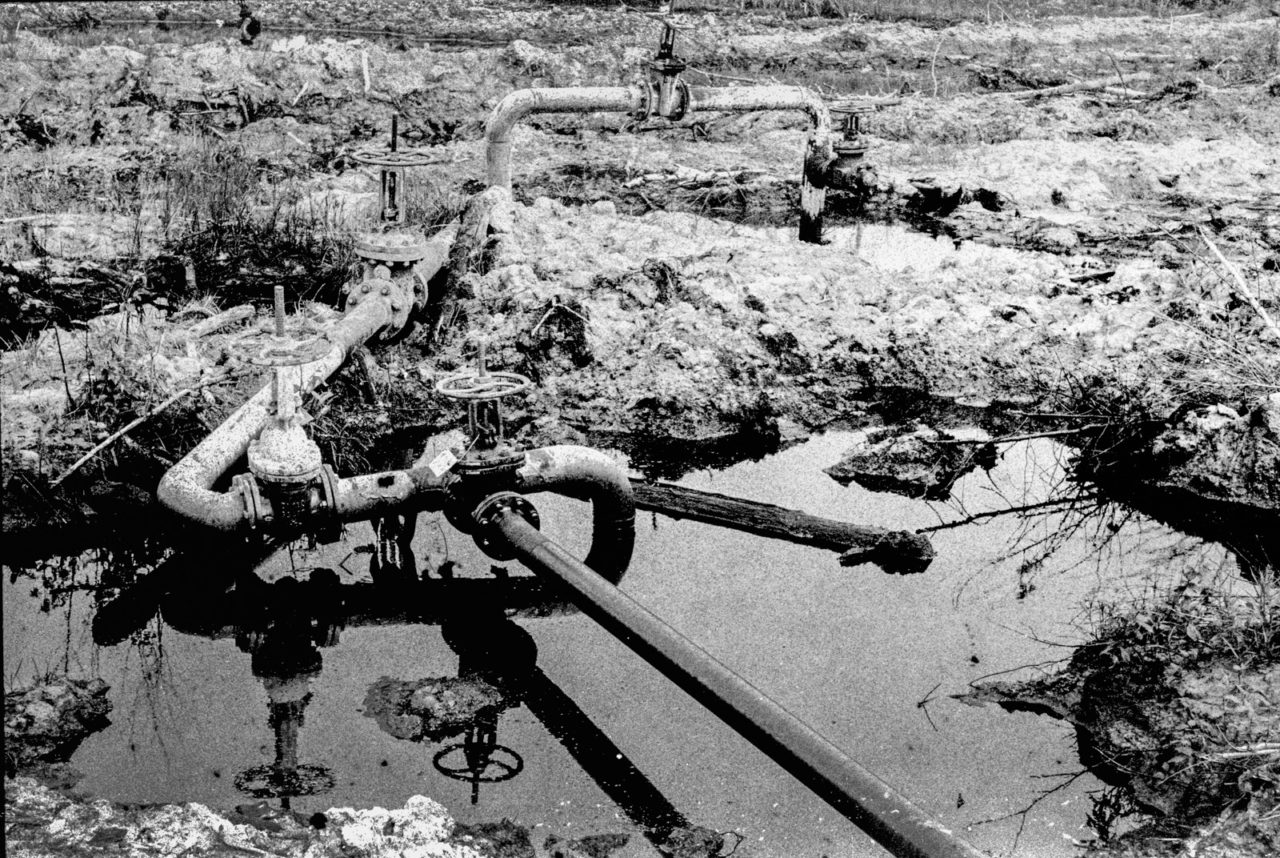 Oil pipelines sprinkled with sand, Mamontovskoye field, Khanty -Mansi Autonomous Okrug Photo: Igor Tereshkov
Such accidents affect the entire environment, and also jeopardize the life of indigenous peoples. Not far from Surgut, in the rural settlement of Rossinskaya, Antonina Taulin from the Khanty people lives. Her parents still lead a traditional nomadic lifestyle and graze deer in their birth territory. In total, the family has about 600 hectares, which, by local standards, is considered a solid area. According to Antonina, in her childhood, her parents kept about a couple of hundred deer, now, along with young people, no more than 60 individuals would be recruited.
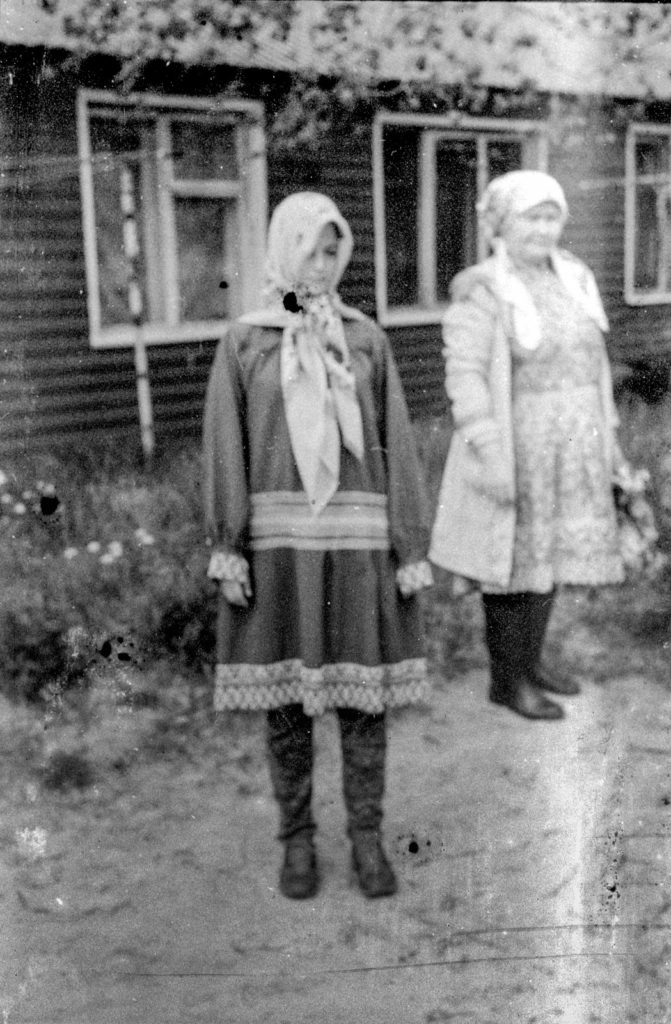 Women in traditional robes of Khanty, s/n russian, Khanty -Mansi Autonomous Okrug Photo: Igor Tereshkov
In total, about 50 percent of Russian oil is produced in the Khanty -Mansi Autonomous Okrug, and commercial plots often coincide with the residence of the indigenous peoples. Local oil workers joke that the whole district is one large licensed area. Now the path to the tribal territories of the TEVs runs through the checkpoint. To bring guests, the locals sometimes go to the trick, changing them into traditional clothes. If you are not on the chop lists, then you will have to go around the checkpoint several kilometers through the seconds and swamps. Further - about an hour on a car on internal roads not marked on maps, and about 10 kilometers on foot among the dwarf trees, on the wounds, where you fall to the waist, lagel and other moss, which, like a trampoline, spring under your feet.
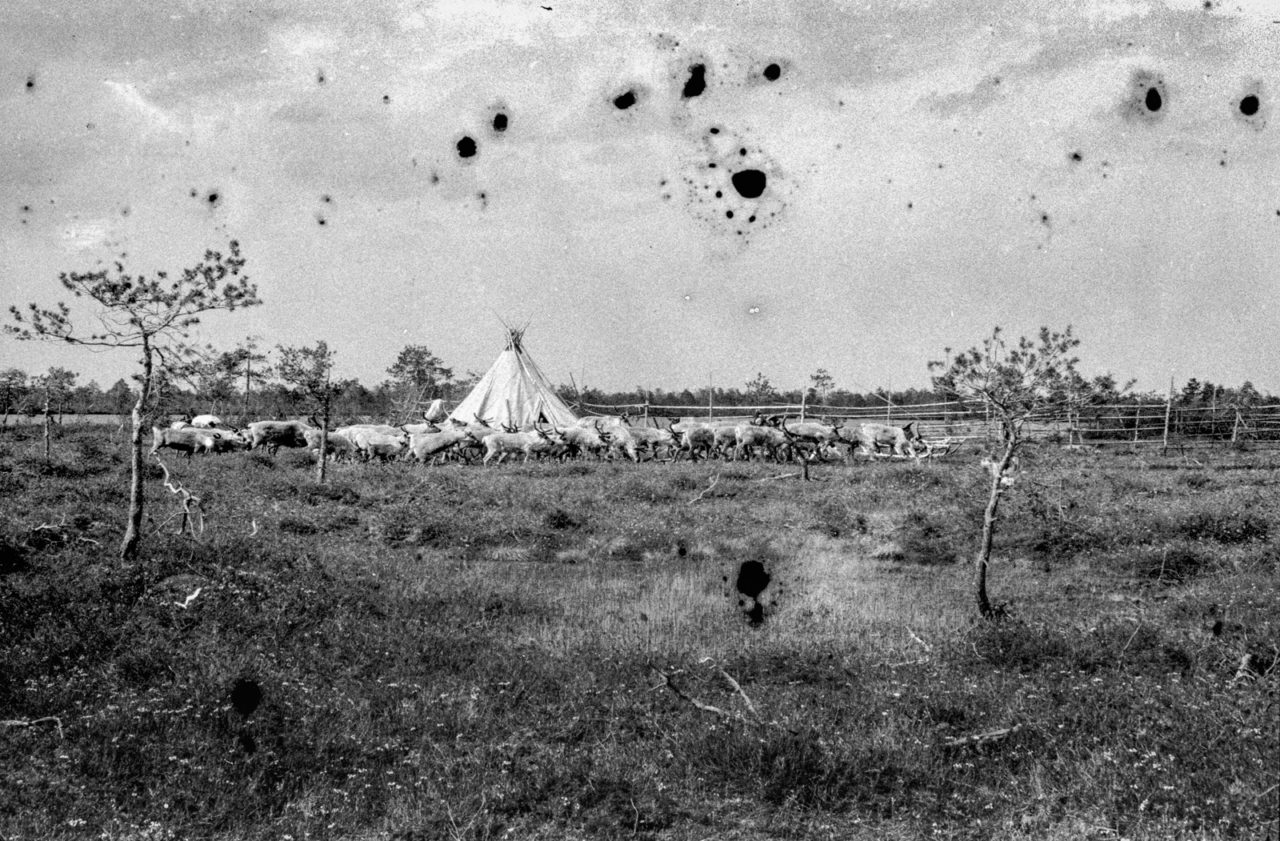 Plague and a herd of deer, summer tulled parking lot, khanty -hal .
Antonina Taulina says: "Yagel is like bread for a deer, and if something happens - 30 years are restored." Water pollution and the destruction of the ecosystem leads to the death of deer and jeopardizes the traditional way of life of nomads.
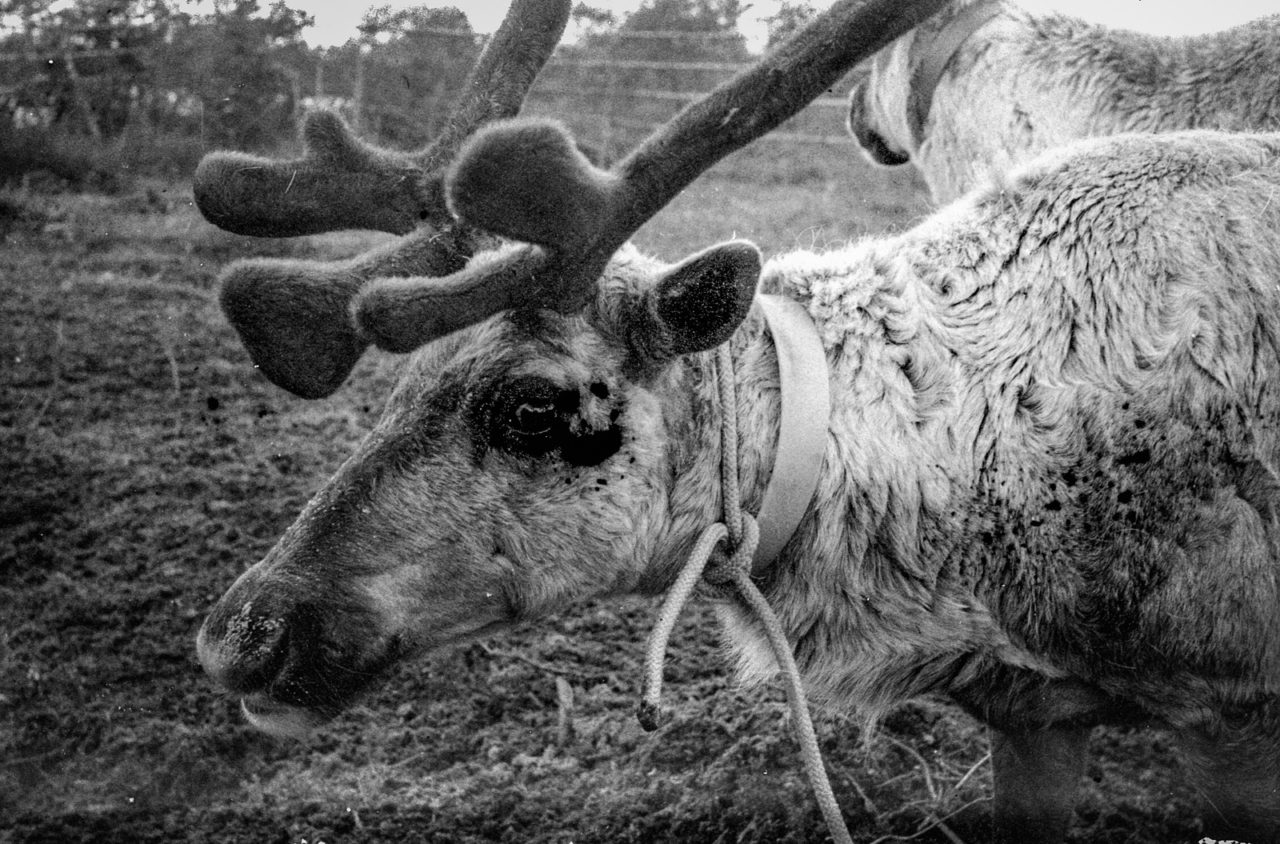 Young deer with pantas, Summer Teslin parking, Khanty -Mansi Autonomous Okrug Photo: Igor Tereshkov
Photos for the MOX and Oil project were shot on a black and white film, designed before manifesting in oil-containing liquid from spills in Khanty-Mansi Autonomous Okrug. For all its “organicism”, oil acts on the gelatin layer of the film, as well as the environment - invading, burning and fragmenting it.
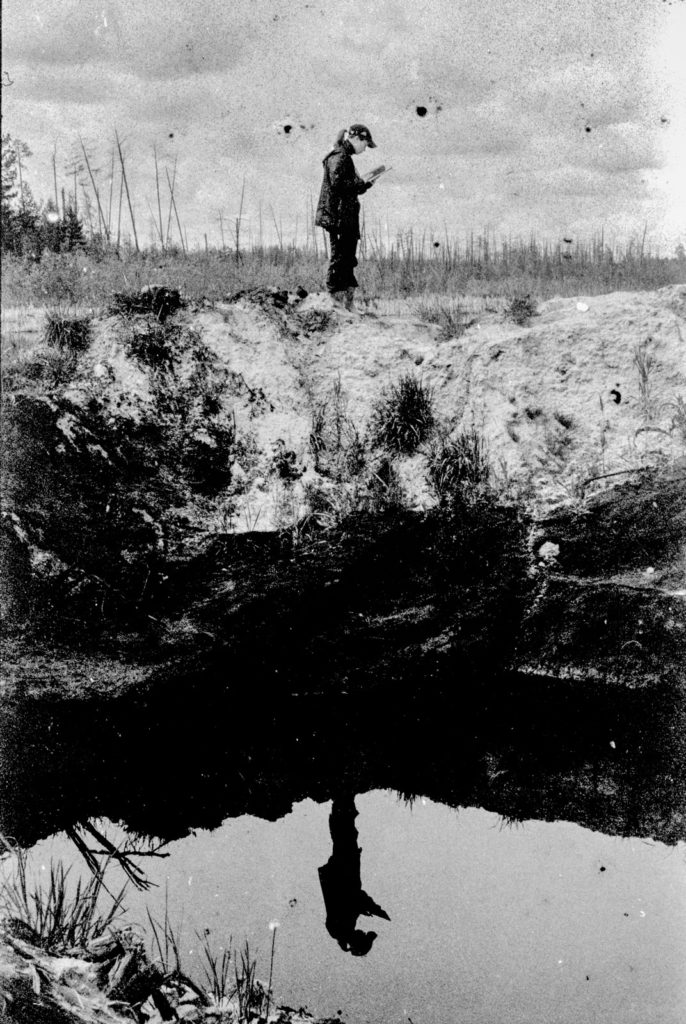 Ecologist near Shlamannik with oil, Mamontovskoye field, Khanty -Mansi Autonomous Okrug Photo: Igor Tereshkov
 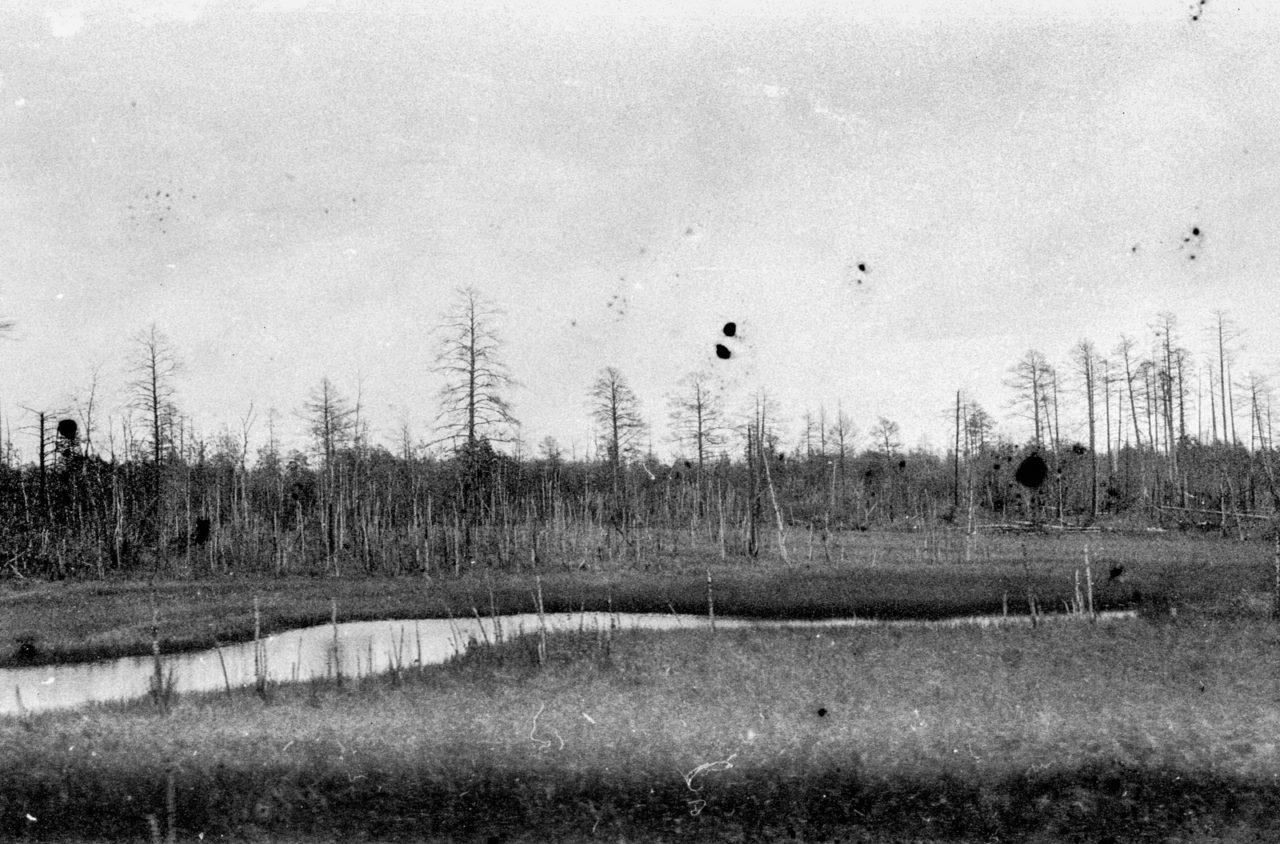 "Scorched" forest near oil excesses, Khanty -Mansi Autonomous Okrug Photo: Igor Tereshkov
 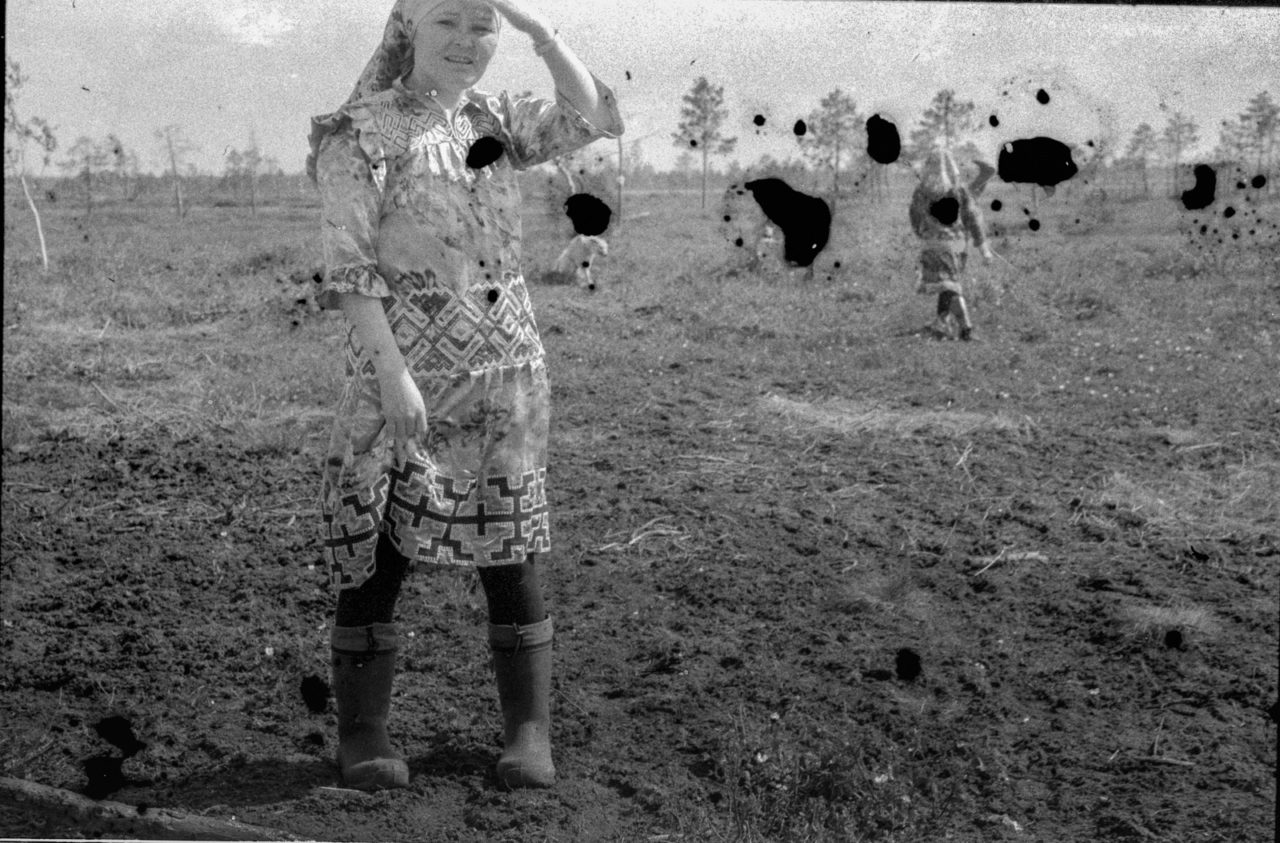 Antonina Taulina, Khanty -Mansi Autonomous Okrug Photo: Igor Tereshkov
 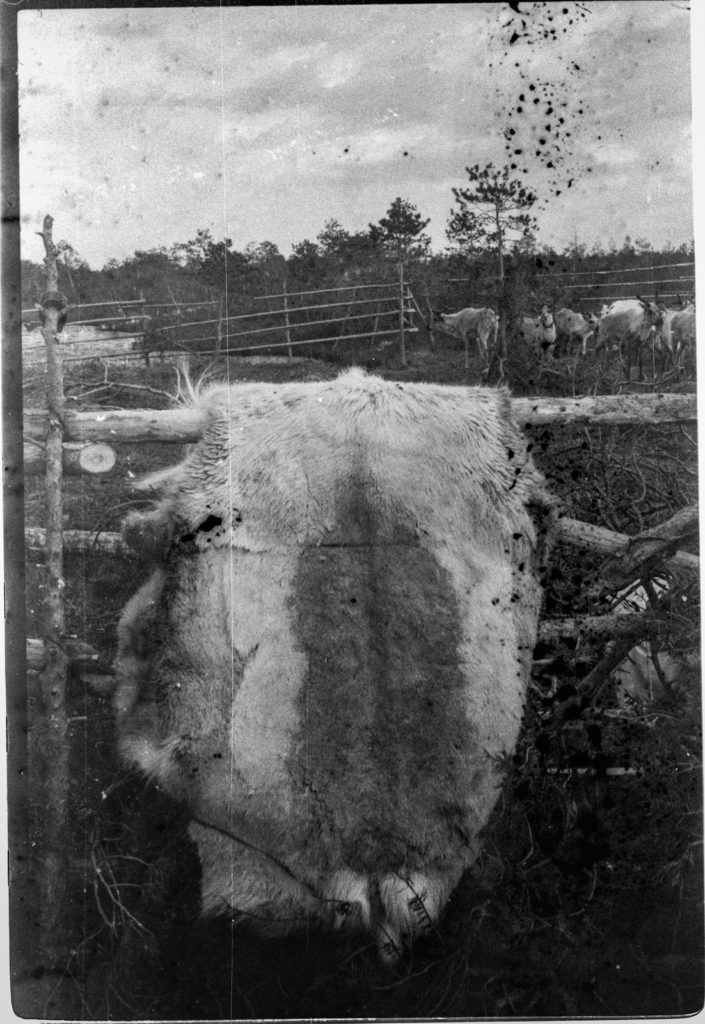 The skin of the northern deer. For Hunts, deer is everything: this is a friend, this is transport, this is food. Summer Teslin parking, Khanty -Mansi Autonomous Okrug Photo: Igor Tereshkov
 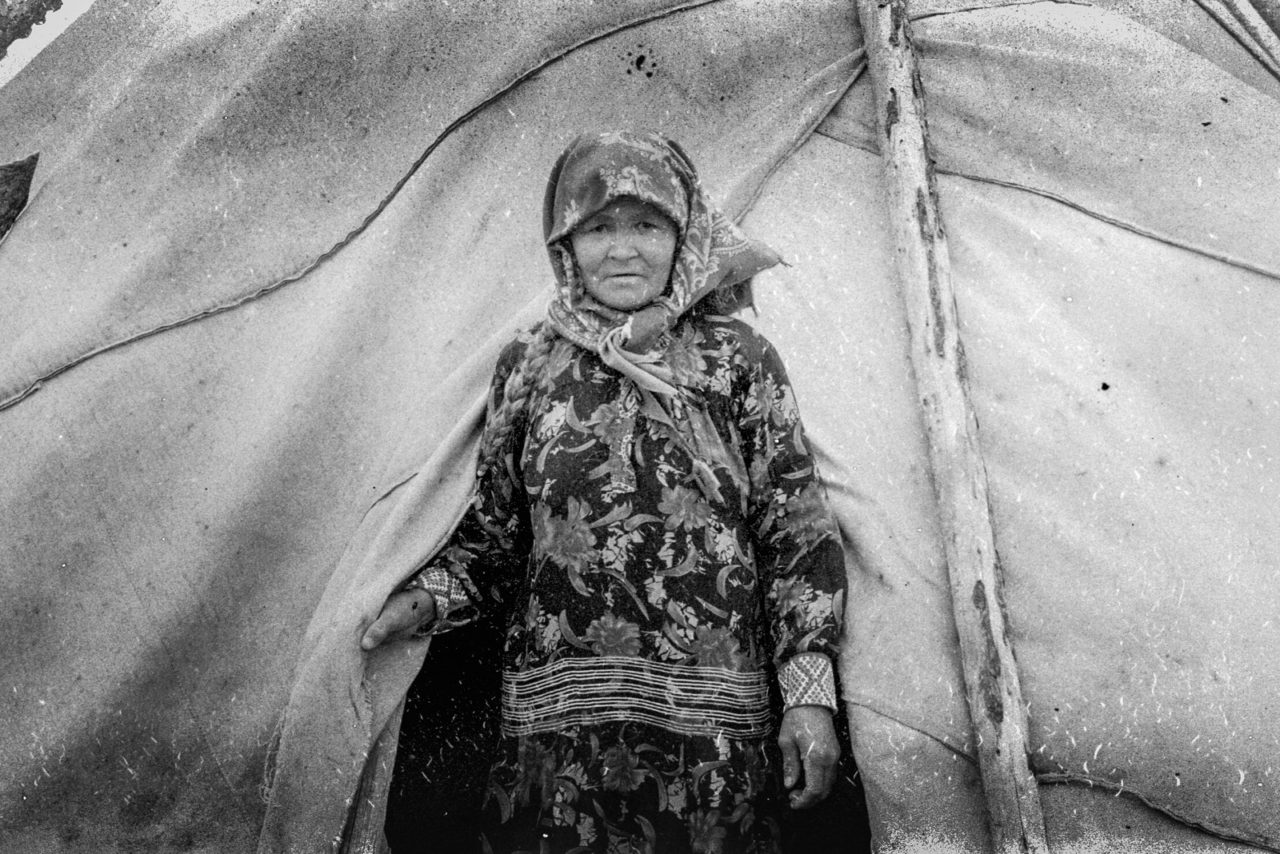 Svetlana Stanislavovna Tavelina near her plague. Summer Teslin parking, Khanty -Mansi Autonomous Okrug Photo: Igor Tereshkov
 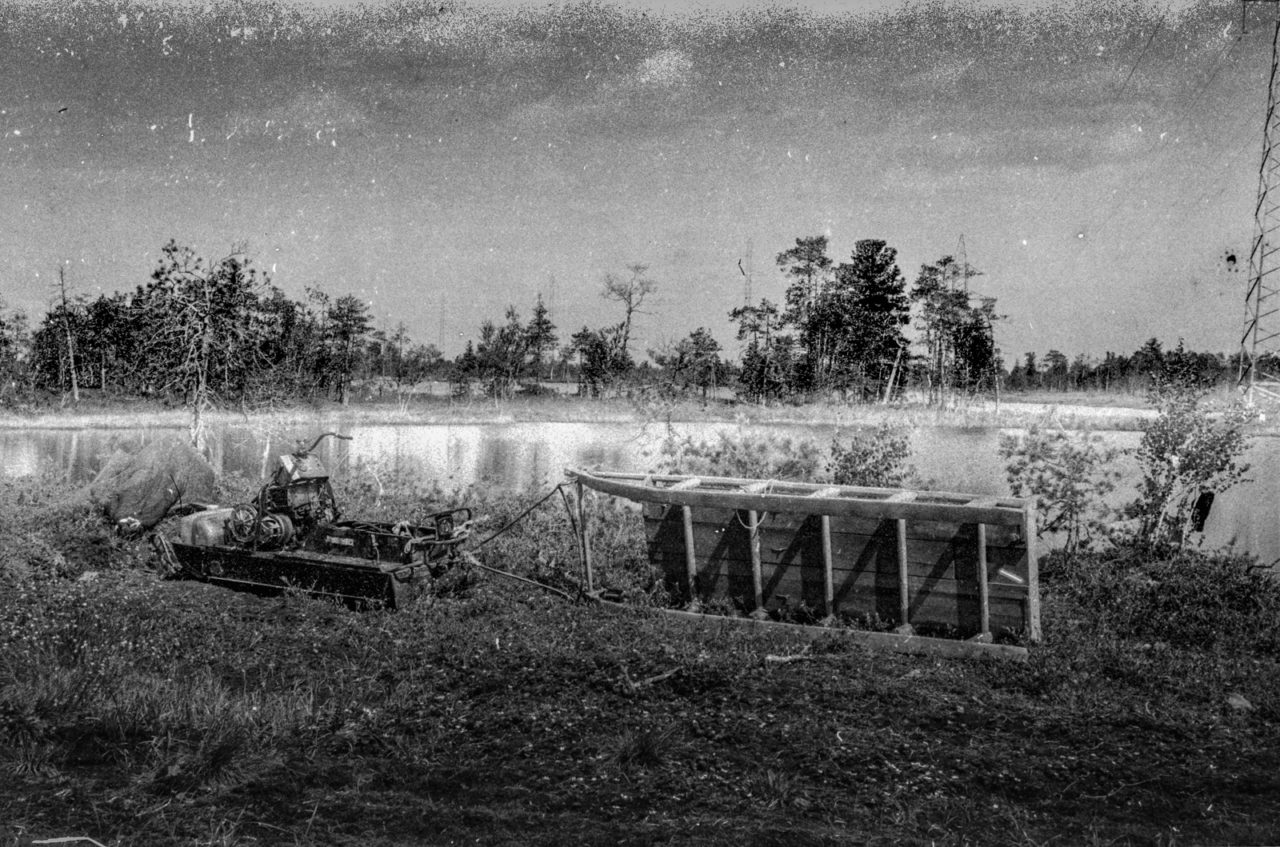 “Buran” is used by the khants in the same summer, in emergency cases, you can quickly move around it along swamps and mugs, khanty -as Khanty -Mansi Autonomous Okrug Photo: Igor Tereshkov
 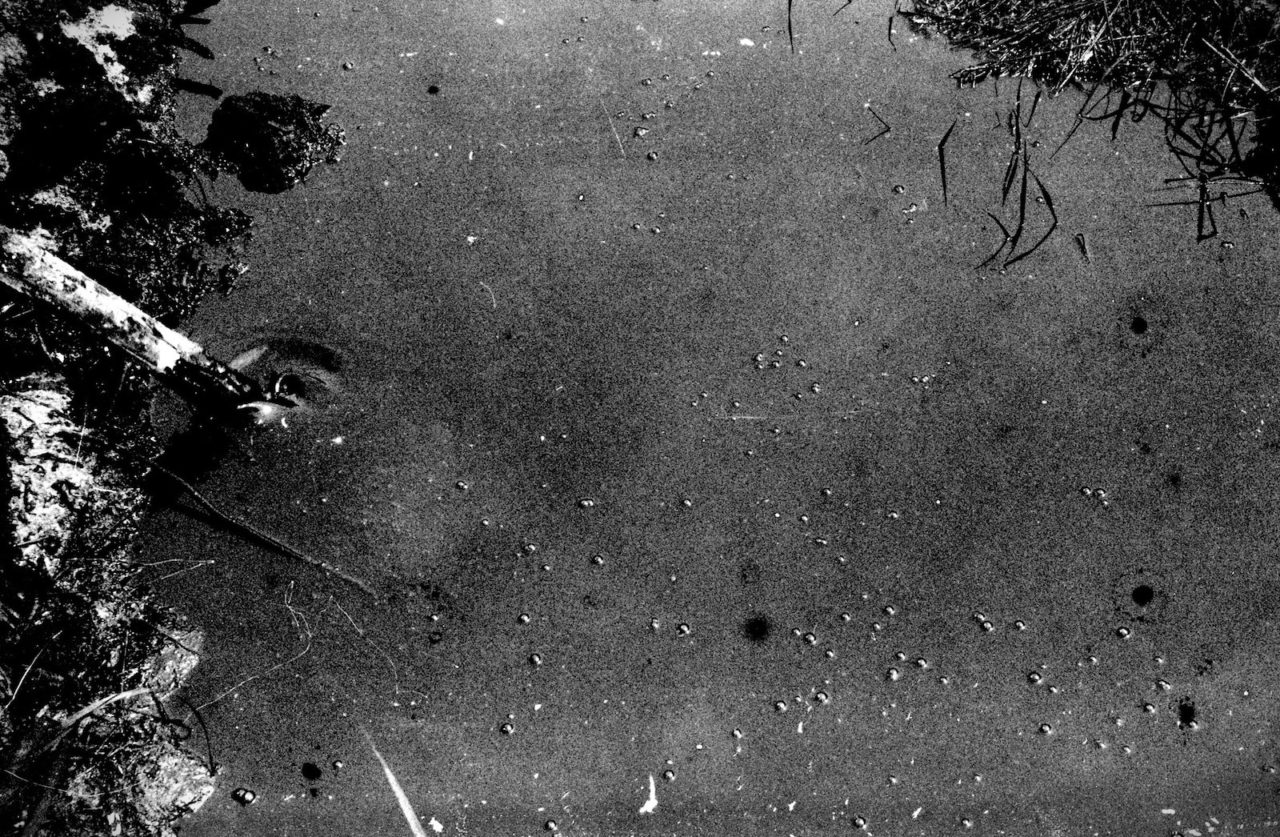 Oil spill, Mamontovskoye field photo: Igor Tereshkov
 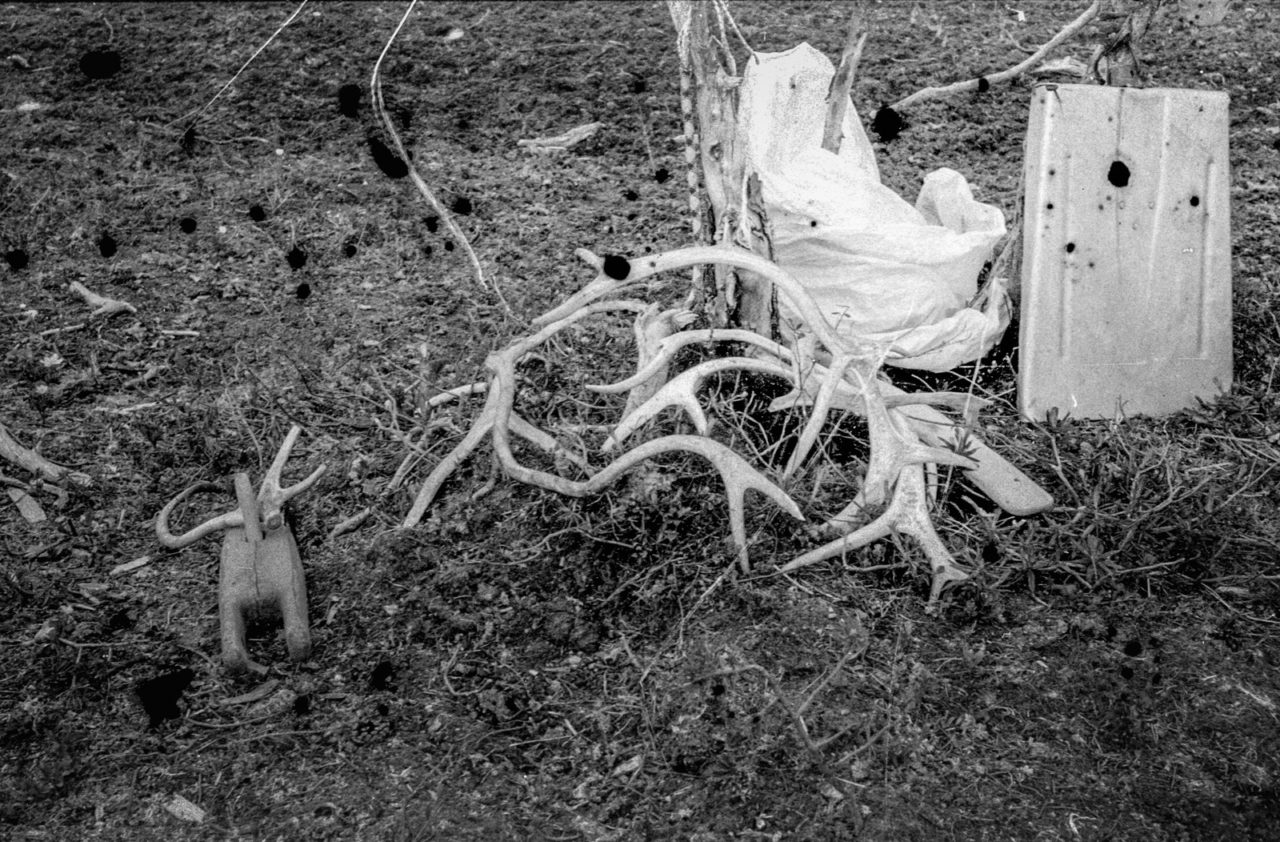 The horns of the northern deer are used in the everyday life of the khants for the manufacture of clothes and even the teams of the photo: Igor Tereshkov
 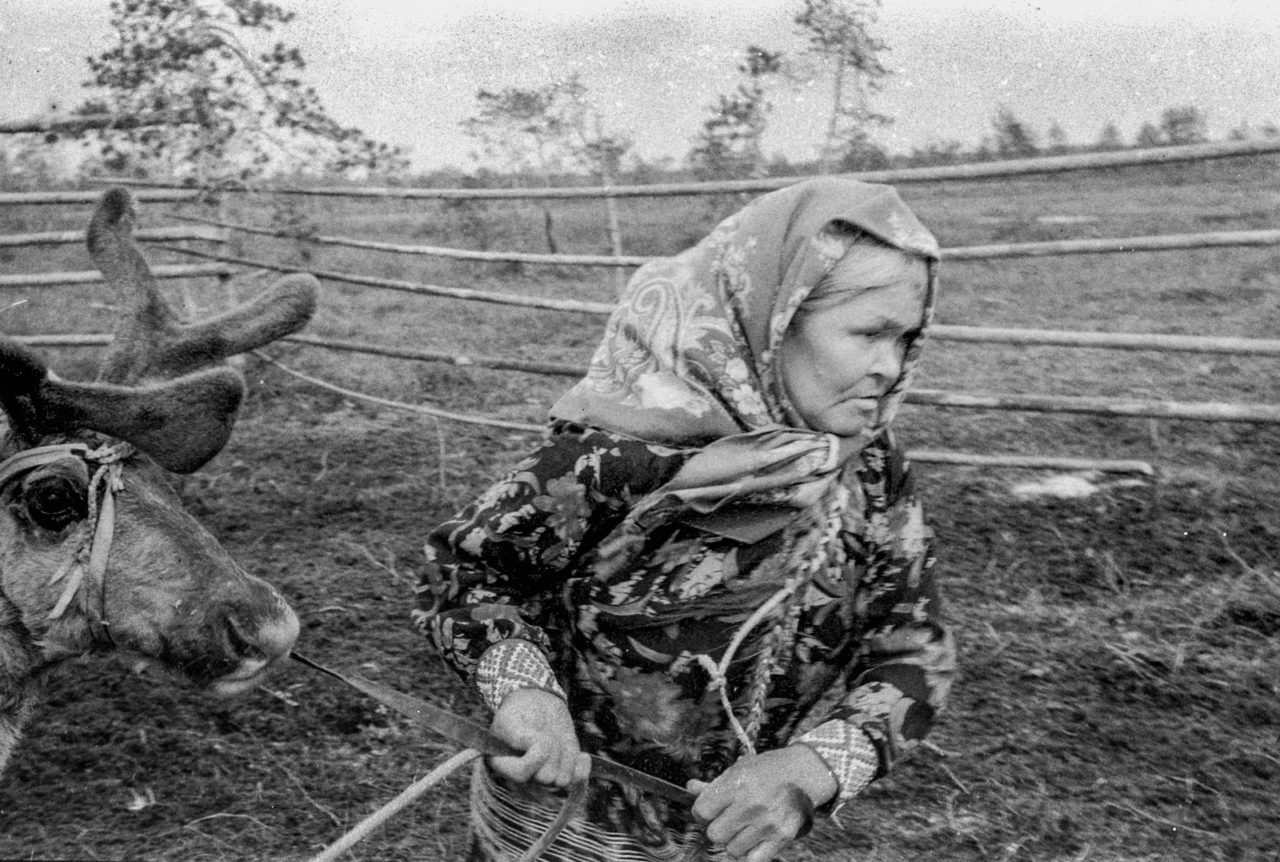 Svetlana Stanislavovna Tavelina Photo: Igor Tereshkov
 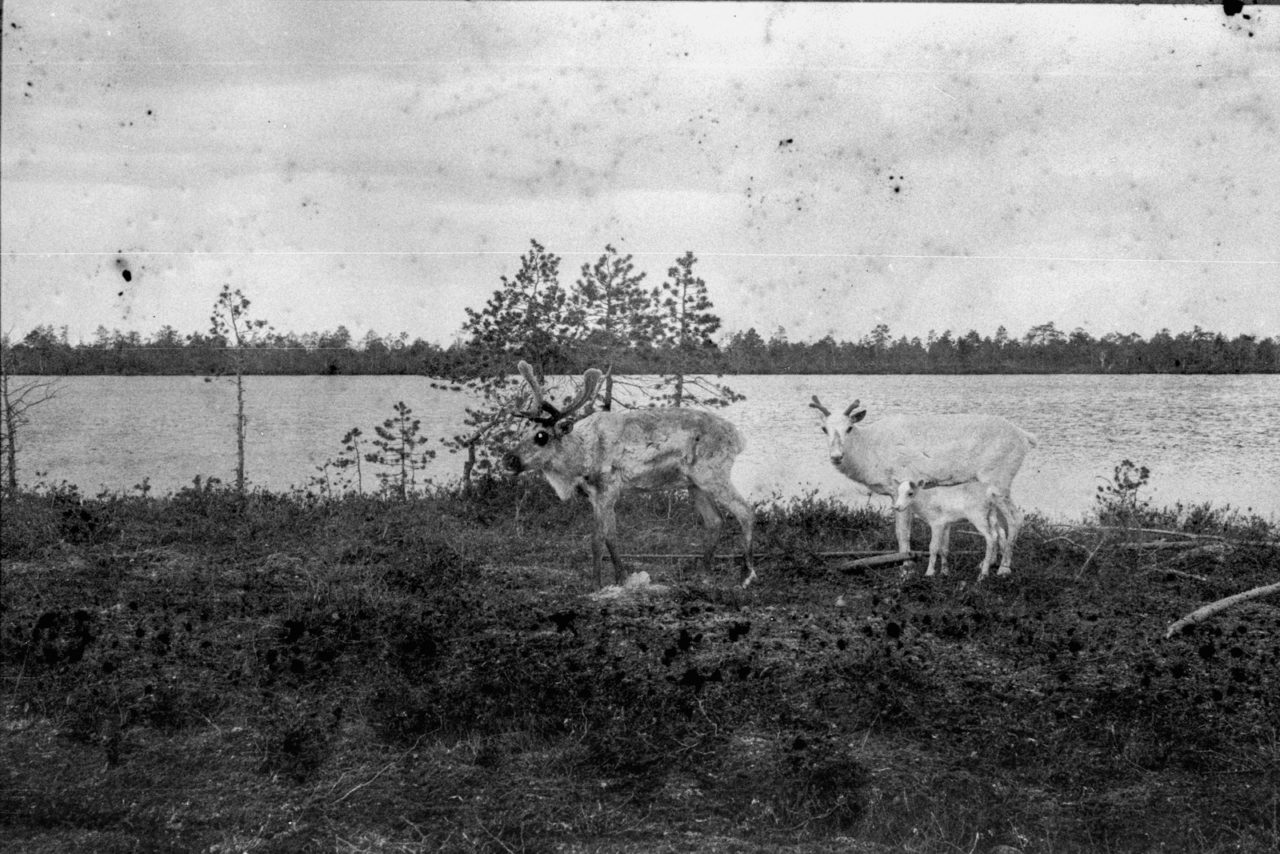 Young deer near Lake Sanny-Lor Photo: Igor Tereshkov Greenpeace Environmental Environments Environment Oilwoman Russia Photo Story Ecology