
Translated material
His doctor
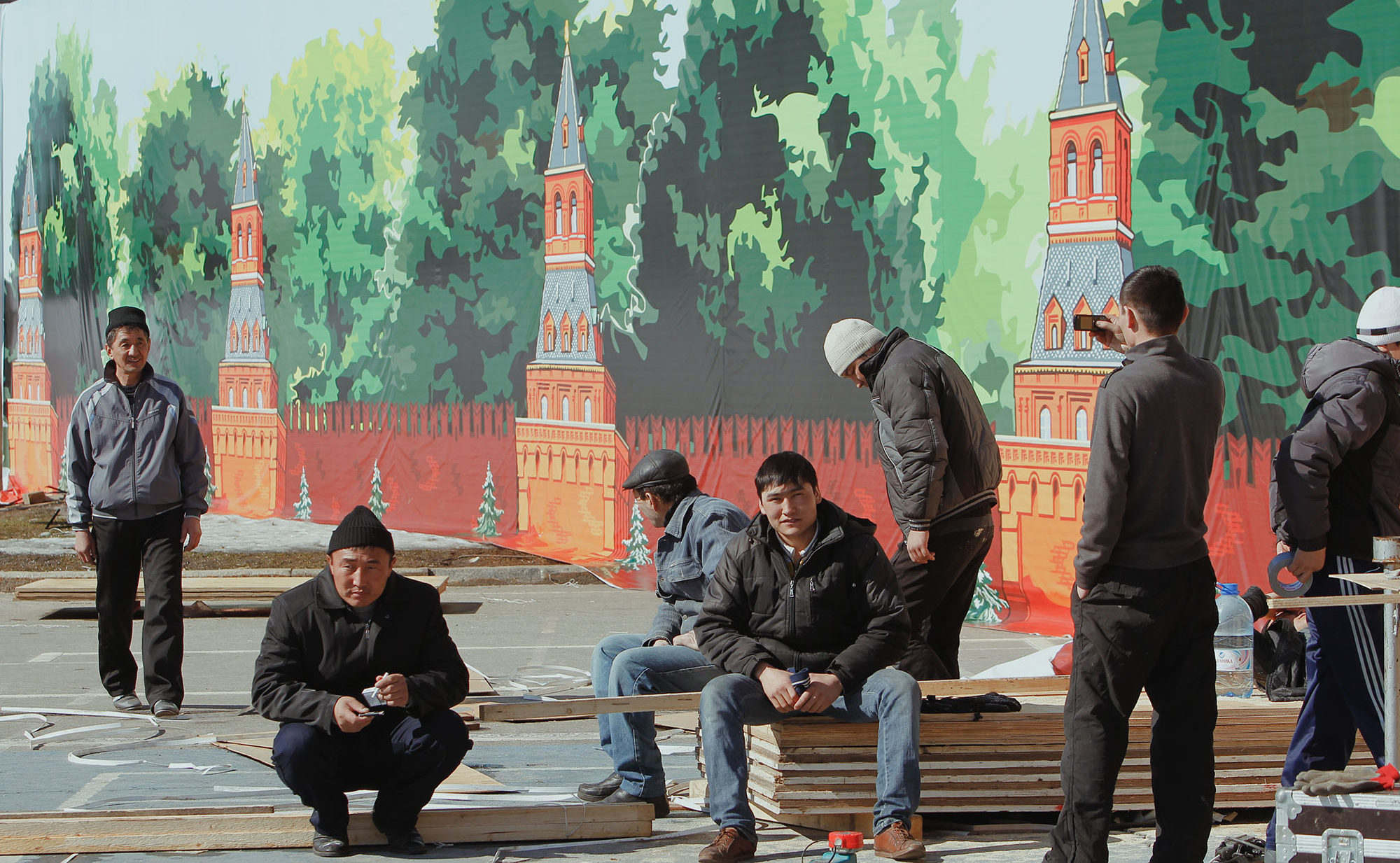
In Moscow, there is a whole migrant infrastructure, in particular clinics, opened by immigrants from Kyrgyzstan “for their own”. Why do migrants prefer to treat compatriots? And why sometimes they do not even trust them?
At the end of July 2018, a citizen of Kyrgyzstan Zhazgul Sarbagusheva arrived at the Asklepius Medical Center near the Kuznetskiy Most metro station. The doctor, who was supposed to make a jazgul intimate plastic, began to prepare the patient for surgery. But during the introduction of Lidocaine, the heart of Zhazgul stopped. The examination later found that the woman died of anaphylactic shock. The absence of a number of documents at the clinic gave a reason to different media to talk about “underground abortions for migrants” and “illegal hospitals” throughout Moscow. But in reality, everything turned out to be different.
“Our migrants - they suffer to the last,” explains Zamir Shatmanova, head physician of the Kyrgyz clinic “Muras”. - I don’t know what other people know how to endure. Somehow they brought us a boy with burns of 3-4 degrees, a third of the body is amazed, about 14 to a guy. And he was lying at home until he began to scream very much - then they brought to us. Without a single piece of paper, without a passport. When we asked about this, they wanted to run away, barely stopped: the guy had the kidney on the verge of refusal. Hospitalized. A day later, the district police officer called - he says, he escaped from the hospital. ”
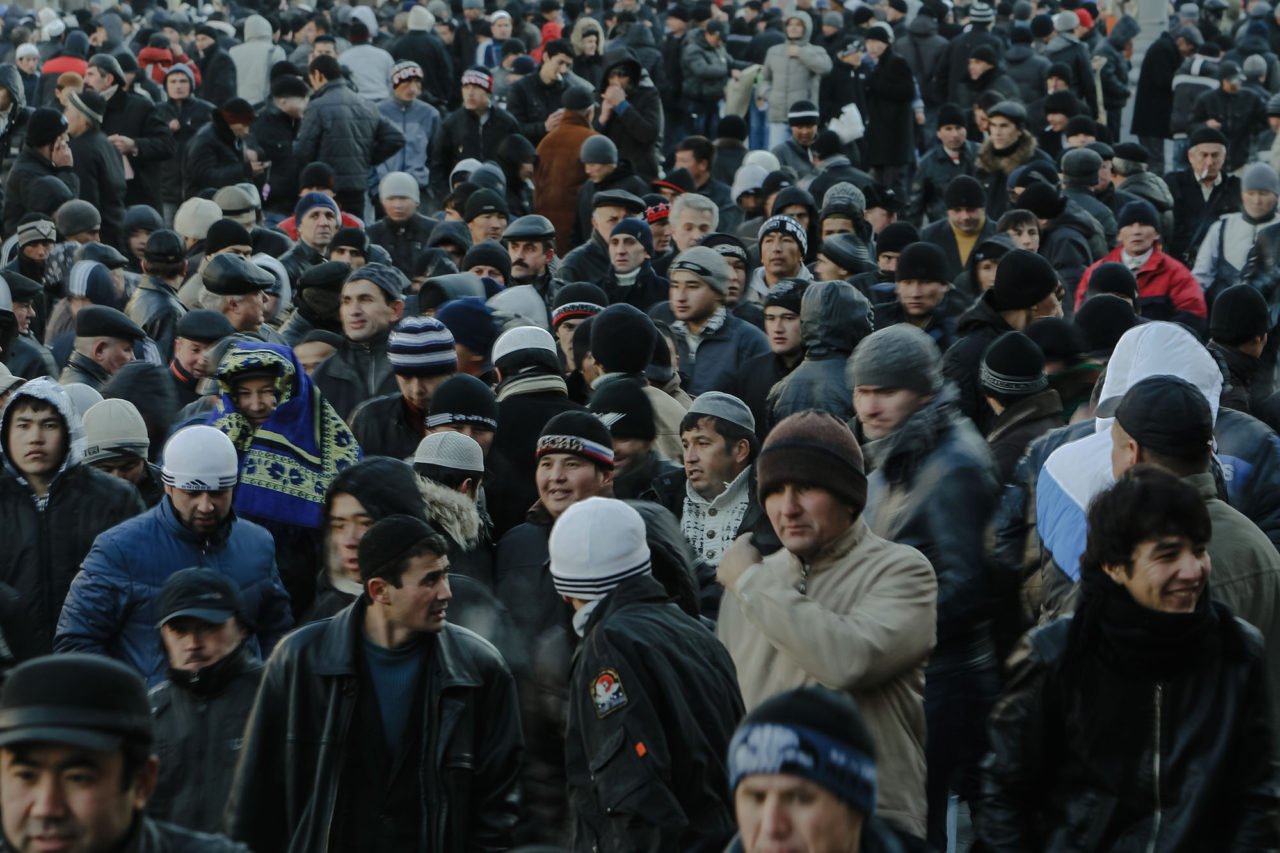 Migrants and immigrants from Central Asia gather for Friday prayer in the Moscow Cathedral Mosque photo: From the Denis Sinyakov project about migrants
Why do migrants prefer to be treated with their compatriots? And why sometimes they do not even trust them?
"Their"
The Kyrgyz clinic "Druzhba" at VDNH is one of about three dozen in Moscow: here everyone can receive dental help, make an appointment with a gynecologist or therapist. You can’t notice the medical center from the street, there are no signs outside the former factory complex - only near the front door there are already signs and advertising in the windows.
Indira Kasymbekova meets me at the entrance: she is a co -owner of the clinic, but at the same time she sits at the reception. The room is clean, pretty: soft sofas, plain green walls. There are few current offices: Indira and her companion just decided to expand the business and some specialists were redistributed to the new clinic.
“I have been in Moscow for 17 years, and from the north of Kyrgyzstan. For four years I worked here as an administrator, and then I had the opportunity - and my husband and I bought a share, ”said Indira. -Now we have several specialists: a urban surgeon, dentists, an obstetrician-gynecologist, a general practitioner, there were a neurologist and cardiologist, but now they are in a new branch. People find us primarily through word of mouth, and not only ours come, but completely different: both Russians, and from the Caucasus guys, and Uzbeks, and Tajiks. The Chinese come with translators, and recently an Hindu has been enrolled in a dentist. ”
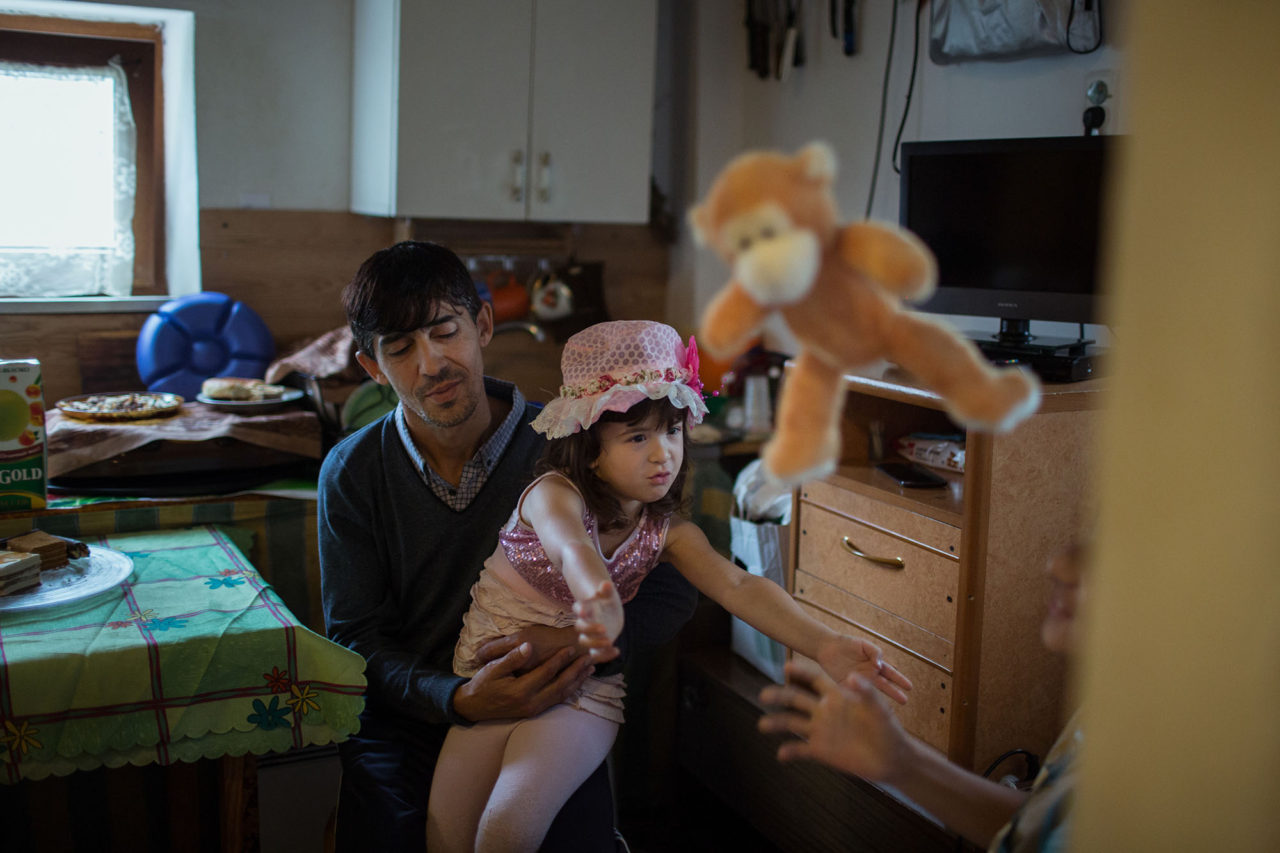 Migrant from Tajikistan Said Musafir with daughter Sumai. In the family in the Moscow Region, Said and his wife are looking after the household and cattle, make minor repairs, remove the photo: from the Denis Sinyakov project about migrants
In the conversation of Indira, like other heroes of this material, he calls the Kyrgyz "his" or "ours." The main reasons why people turn to her clinic, and not to ordinary clinics or private centers, Indira considers the religion, the language and desire of people to save a little.
Read also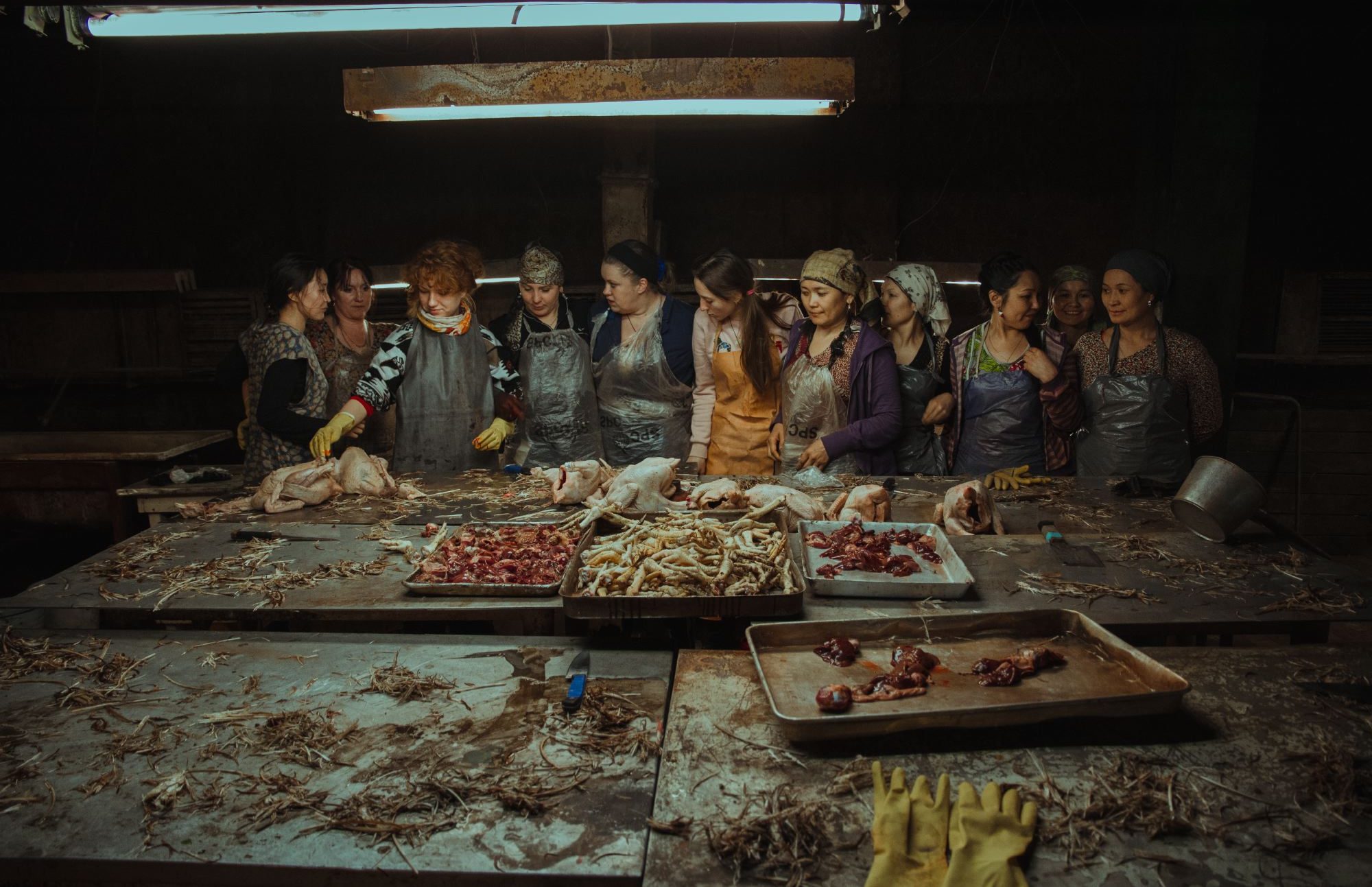 One in the big city are waiters, wipers, washers of cars - we encounter all of them every day and not once. But do we think about how they live when they do not work by serving us? Where did you come to Moscow from?
“Many women are very believers who come with husbands and first ask if there is a gynecologist-woman. Sometimes a dentist is only asked by a woman. It's not even about Islam: our women are closed, closed. The language is also an important factor, but the point is not that migrants do not know the language: we have many Russian -speaking ones and speak well, and they probably understand well. But when a person comes to the Russian clinic, it is still difficult for him to explain everything exactly, and the mentality is completely different. It happens, they complain about discrimination: a woman who was said to us in the clinic: “Here, come, why come to us?” But the main reason is the high cost: the day in a hospital in Moscow costs about 5 thousand rubles, and when we had a day hospital, we took only 1.5 thousand a day with three meals a day. ”
Reception of a specialist in the Druzhba clinic costs a thousand rubles, a second consultation-500. Ultrasound-from 0.7 to 1.5 thousand for a complete ultrasound of the abdominal cavity. In paid Moscow clinics, a similar study will cost 2.1-2.7 thousand rubles.
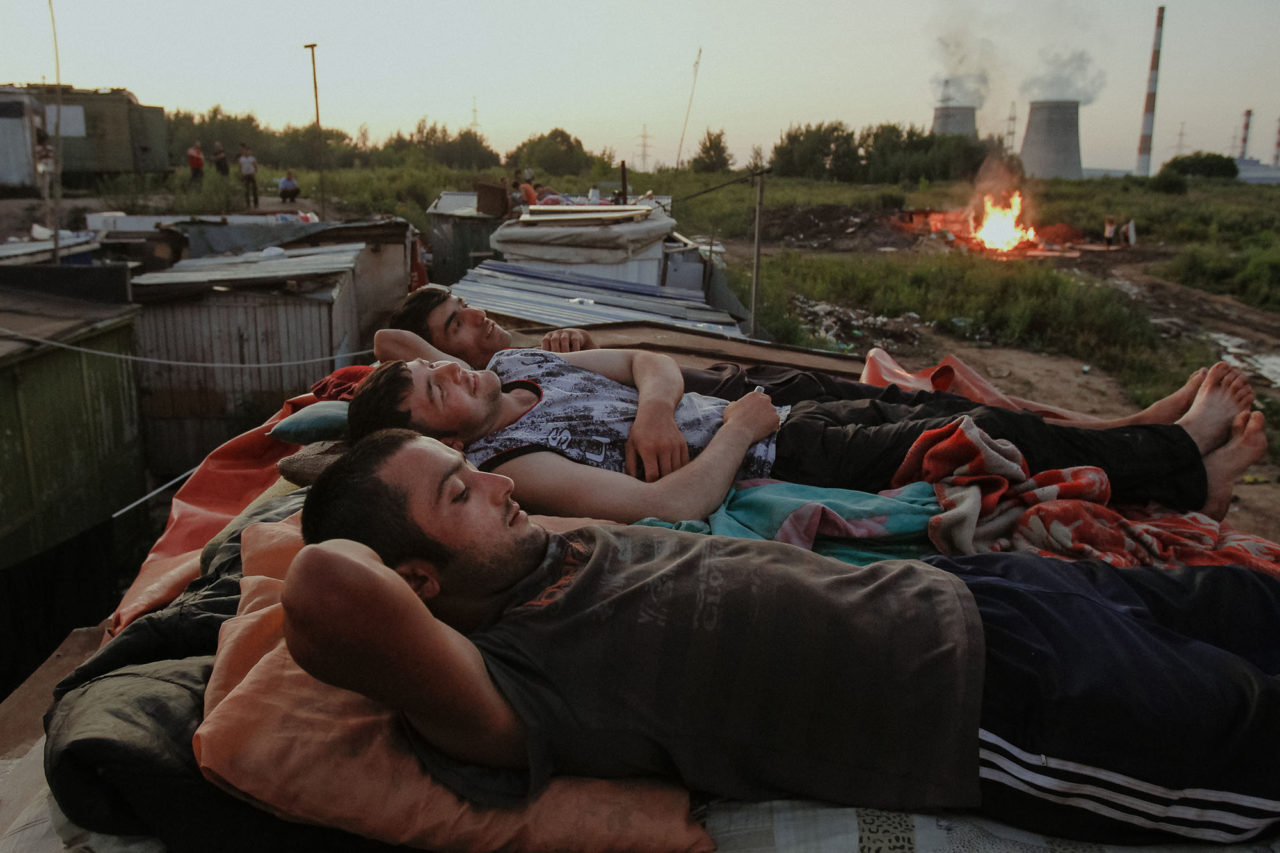 Rest of labor migrants. For six months they work at a nearby Mytishchi fair, and for the winter they leave home photo: from the Denis Sinyakov project about migrants
The operation, which the deceased Sarbagusheva was going to do, calls Indira typical: Central Asian women who often give birth, at the insistence of partners, often make intimate plastic. “They often turn to the restoration of virginity, hymenoplasty: the girls come, work, feel freedom - and then you still need to marry, you are sung without you, and that’s all. And getting married without virginity is a shame. Not everyone does it, but so many. ”
We go through the corridors: four dentists are occupied by customers, viewing rooms are practically empty: the experts left, but soon new ones should appear. Previously, at VDNH, the clinic was a powerful competitor: the Kyrgyzstan pavilion, where among other things was a popular medical center. But in 2014, the center stopped working, and in 2015, the VVC broke off relations with the tenant. Now the pavilion is being repaired. But the total number of Kyrgyz clinics in Moscow is growing: according to Kasimbekova, if earlier the medical business was extremely profitable, now the competition is higher and higher.
While preparing the material, the Druzhba clinic closed at VDNH, but Indira soon opens a new one.
"Like them"
Unlike European or Latin American capitals, in Moscow there are no separate geographically migrant quarters. At the same time, there are a lot of labor migrants themselves: according to the Ministry of Internal Affairs, at the end of 2017, about 8.5 million citizens of the CIS countries were in Russia. This led to the emergence of the “internal thyan town”-systems of services and institutions opened by migrants for migrants. The conventional network was studied by Russian sociologists: at first, the Center for Research of Migration and Ethnicity of the RANEPA issued a study by the migrant infrastructure in Moscow, and in 2018, the head of the Center for Quality Research of Social Policy of the NIU SSE Ekaterina Demintsev and her colleague, researcher Daniil Kashnitsky, published a separate work dedicated to the role of Kyrgyz clinics in life in life in life Central Asian migrants in Moscow.
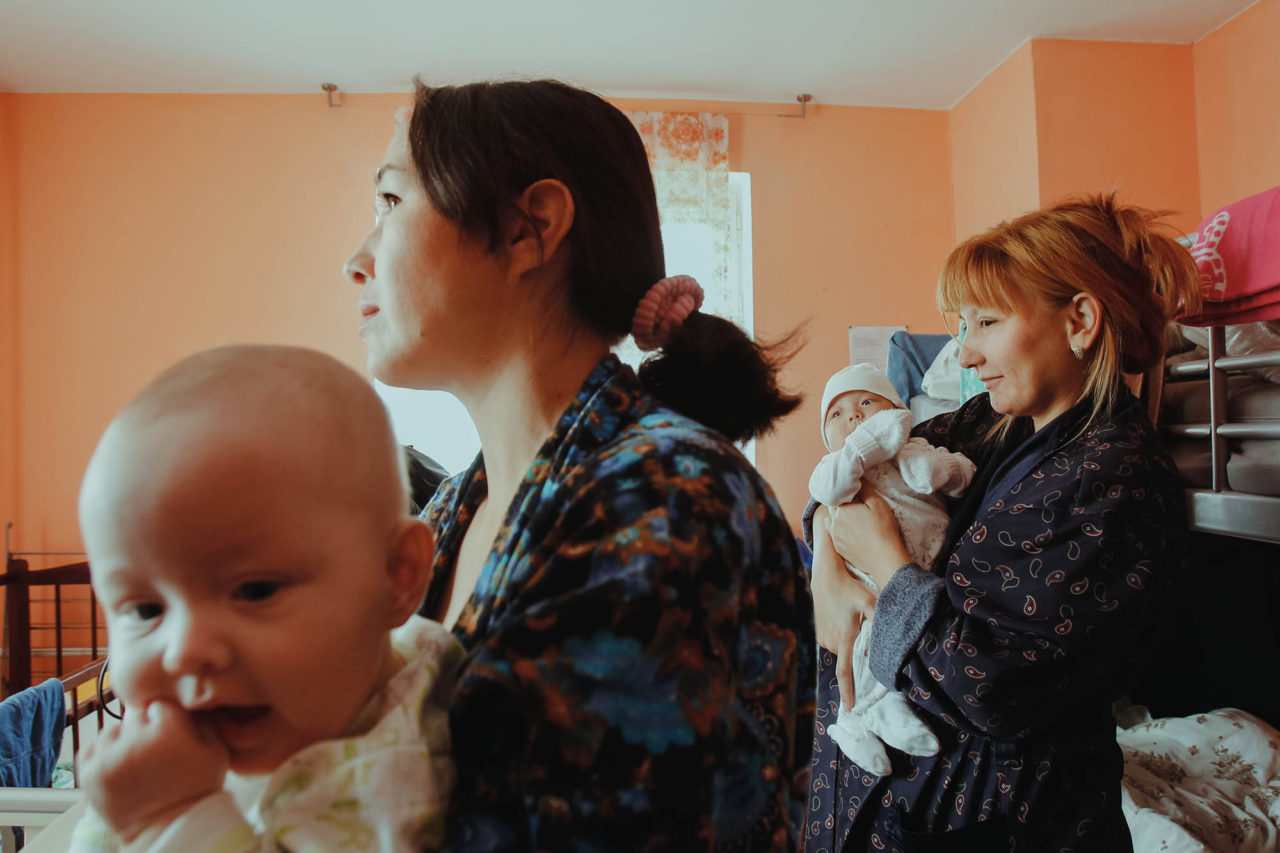 Lone mothers with children in a private shelter for women who fell into a difficult life situation photo: from the Denis Sinyakov project about migrants
In the study, the Higher School of High School told the history of the appearance of clinics in Moscow, examined the barriers that migrants face in search of medical care, and analyzed the reasons why they prefer to contact the Kyrgyz clinics.
“According to our data, in Moscow today 28 clinics - before they grew like mushrooms. Now the process has slowed down. These medical centers are usually legal Russian enterprises, but they belong to ethnic Kyrgyz, ”Kashnitsky explained. - This is due to the simplified receipt of Russian citizenship for citizens of Kyrgyzstan: even before the Customs Union, in 2006-2012, citizenship could be obtained according to a simplified scheme for several months with a minimum package of documents. As a result, half a million residents of five millionth Kyrgyzstan are Russian citizens. At the same time, migrants from Kyrgyzstan received access to compulsory medical insurance only in January 2017 and not everyone has policies. Of course, Kyrgyz clinics are cheaper, but not only this is important: people go there because they know: they are waiting for people like them. There will be no aggression, doctors will find a cheap analogue of the desired medicine, and taking it until late or even around the clock. At the same time, clinics do not practice methods of folk or religious medicine. ”
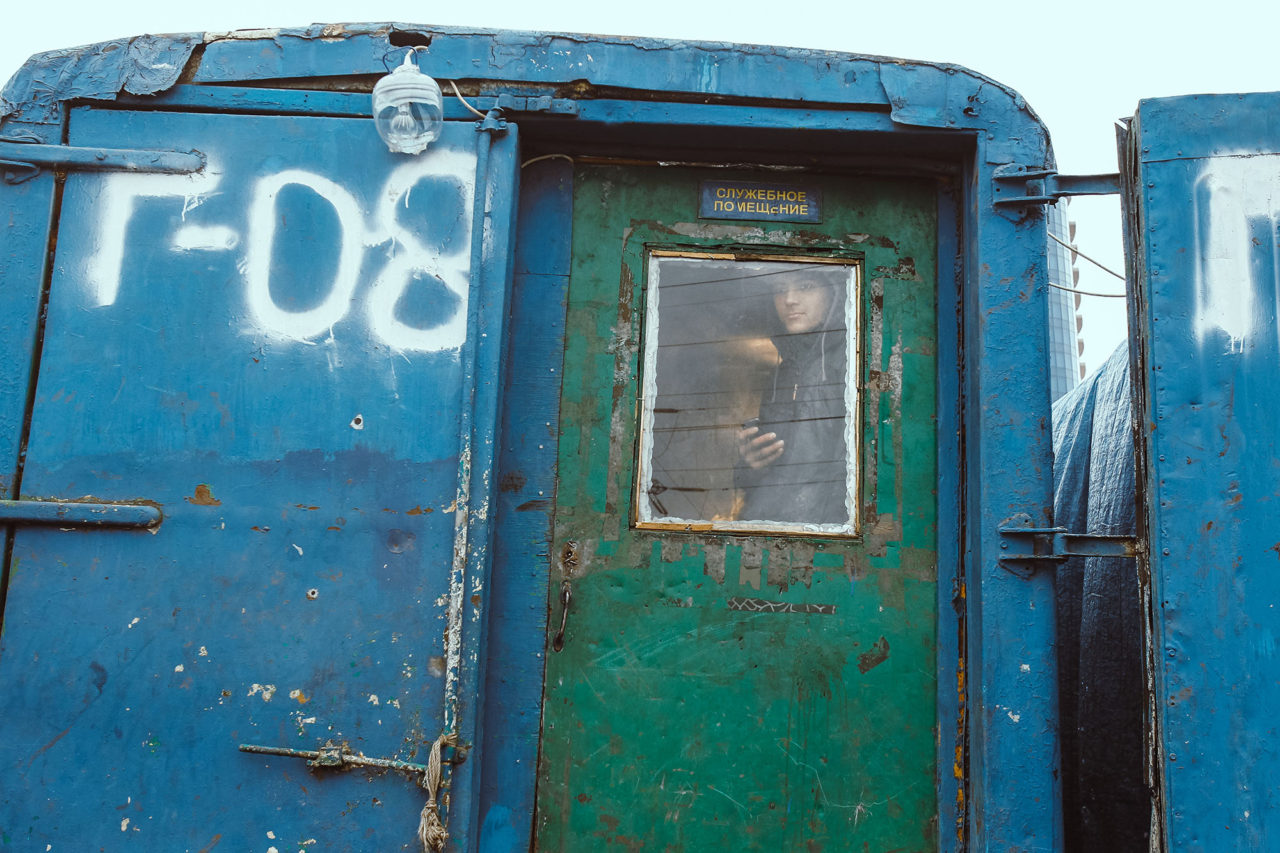 Migrant from Central Asia in her household photo: From the Denis Sinyakov project about migrants
In order to get a license of a medical institution, the clinic needs to register a legal entity and comply with all the requirements described in the government of the Government “On Licensing of Medical Activities ”. In particular, the requirements for the building of the clinic and premises, medical devices and equipment, medical education of the heads of the institution, the qualifications of employees and working conditions were recorded there. On the other hand, sanctions for work without a license are not very significant: the maximum punishment that the organization can receive is a fine of up to 200 thousand rubles and suspension of activities for up to three months.
“It is very difficult to get a license to carry out medical activities,” Shatmanova explained. - To do this, from the very beginning, select the room, make repairs, put the equipment and purchase tools, collect all the documents. Then the SES comes and checks everything according to the standards. With their conclusion, we are already applying for licensing. After that, the commission arrives and checks everything again, literally to the smallest detail - if they find a discrepancy, they do not give a license. But we were lucky: we passed the first time. "
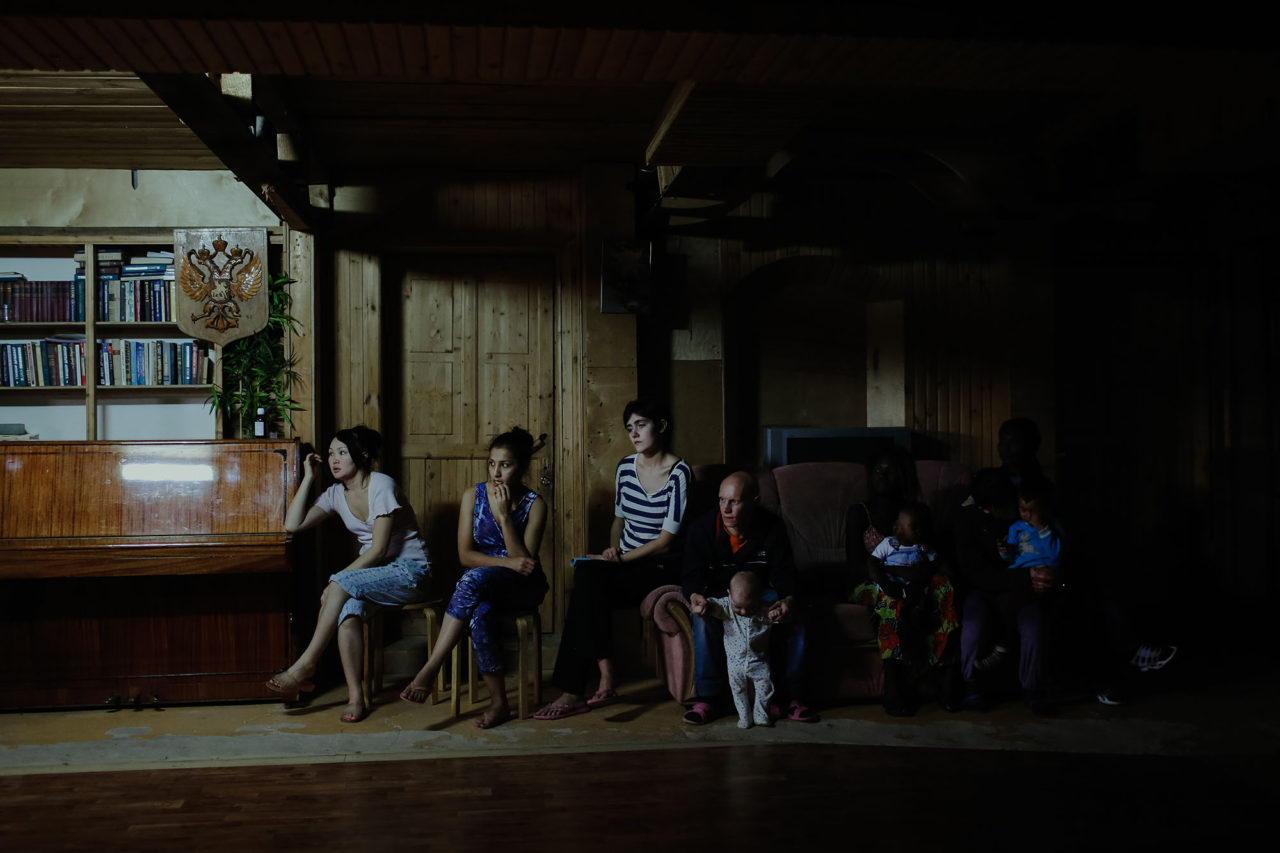 Lone women with children in a private shelter for women who fell into a difficult life situation photo: from the Denis Sinyakov project about migrants
It is in the license that all types of medical activities that the clinic can engage in. As a rule, this is primary health care in obstetrics and gynecology, gastroenterology, cardiology, neurology, oncology and various types of dentistry.
“I often encounter labor migrants, many even have a VHI,” said Anna Larionova, a general practitioner of the GKB 31 reception department. - According to standards without a policy, a person has the right to be treated for free for 72 hours, which we have. I did not face the fact that one of the doctors was not familiar with these standards, I have not seen discrimination on a national basis. ”
Kashnitsky also believes that xenophobia was declining: “Previously, even the wipers caused a negative reaction, but now people seem to be just used to it. Recently, I talked with a girl who had just given birth, and she was treated in the hospital in the same way as other women in labor. When we interviewed Russian doctors, they said that they were doing the language barrier: either migrants come with a translator, or know the language quite well. ”
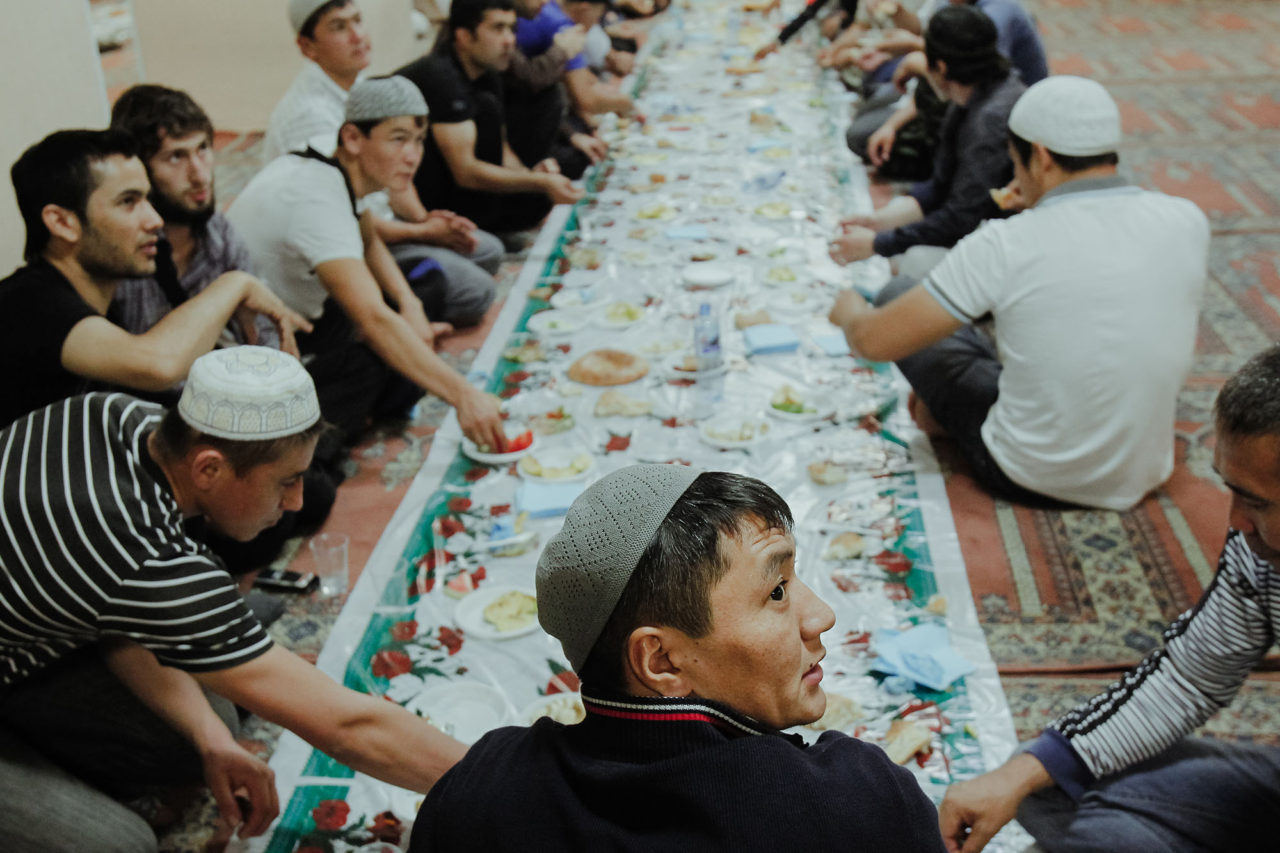 Migrants from Central Asia have dinner after prayer during the Kurban-Bayram holiday in the Moscow Cathedral Mosque photo: From the Denis Sinyakov project about migrants
Migrants have to contact hospitals in any case, because only basic services provide Kyrgyz clinics in Kyrgyz clinics. “Most of the patients of such clinics are Kyrgyz, there are Uzbeks and Tajiks, there are other migrants and some part of the Russians,” said Evgeny Varshaver, director of the Migration and Ethnicity Center for the RANEPA. - That is, if you are Ivan Ivanovich Ivanov, you will not be kicked out either, but Ivan Ivanovich does not trust the Kyrgyz doctors and simply will not go to them. In addition, he can live in a neighboring house and not know about the clinic. Because the main method of notification is sundress radio and Kyrgyz forums and sites “ Borsok ” and “ Zherdesh ”. ”
Save and endure
“I came from the city of Osh. During Osh events, I worked in the Uzbek private clinic by a doctor. Her clinic was burned. Did they come and asked: the Kyrgyz clinic or Uzbek? My husband and I stood and said that Kyrgyz, do not touch. But on the second day she was still set on fire. There was a massacre in the city, my girlfriend was brutally killed. But after a week, all the doctors were forced to go to work. In a terrible, empty city every day I went alone to work. I still dream of it. And I arrived in Moscow when this clinic opened - last year. ”
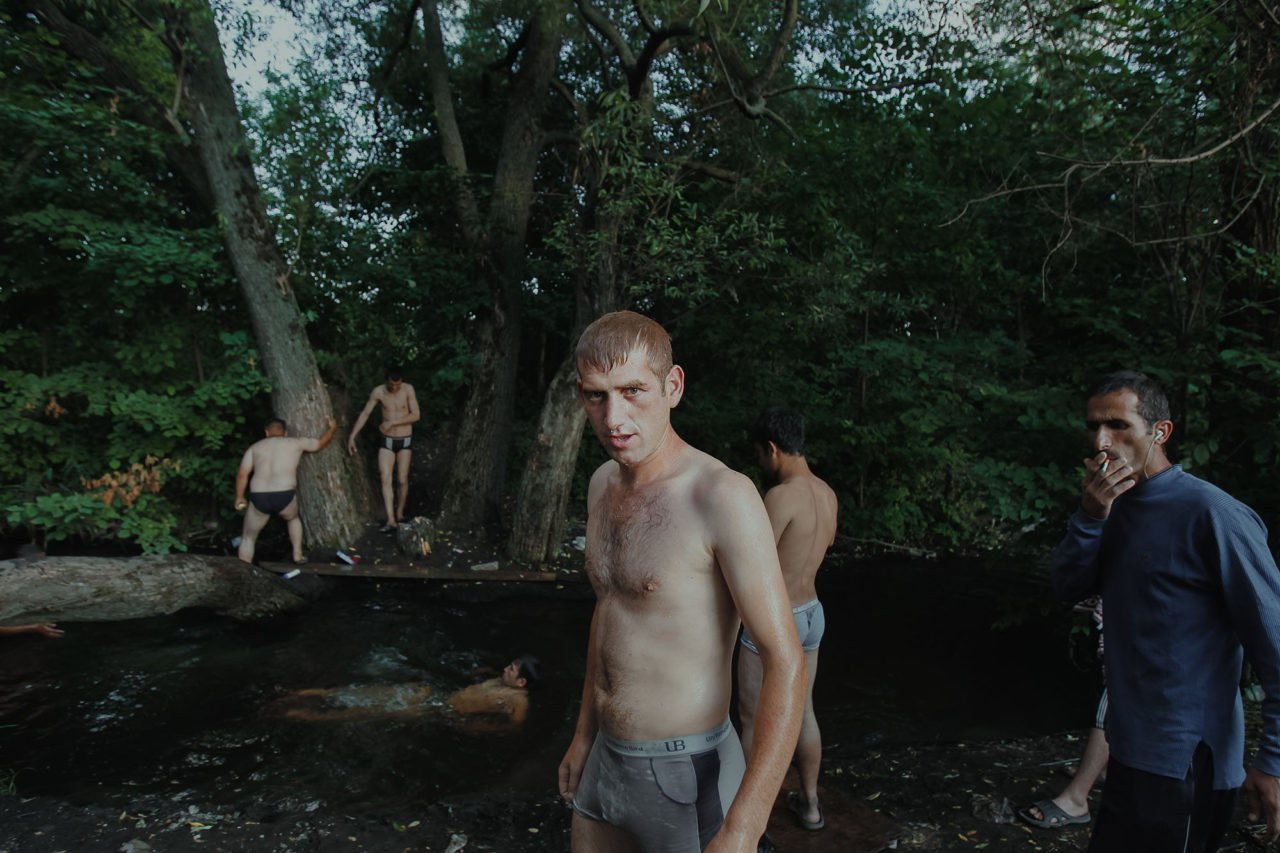 Labor migrants wash in Yauz photo: From the Denis Sinyakov project about migrants
Zamir Shatmanova - chief physician of the Muras clinic on Ilyich Square, a dentist from a family of doctors. She received her first education in Russia, in Orenburg, the second in Bishkek. There are a lot of patients in Murasa: the therapist’s primary consultation costs only 700 rubles here, and six specialists are reception in dentistry.
“We always go to our clinics and are very glad that this one has opened - we live here, not far away. It is much cheaper here than in ordinary dentists, and we like the doctors, ”says Sanssbek Aliya Mohammed, who brought an accent to the dentist of a seven -year -old son.
Read also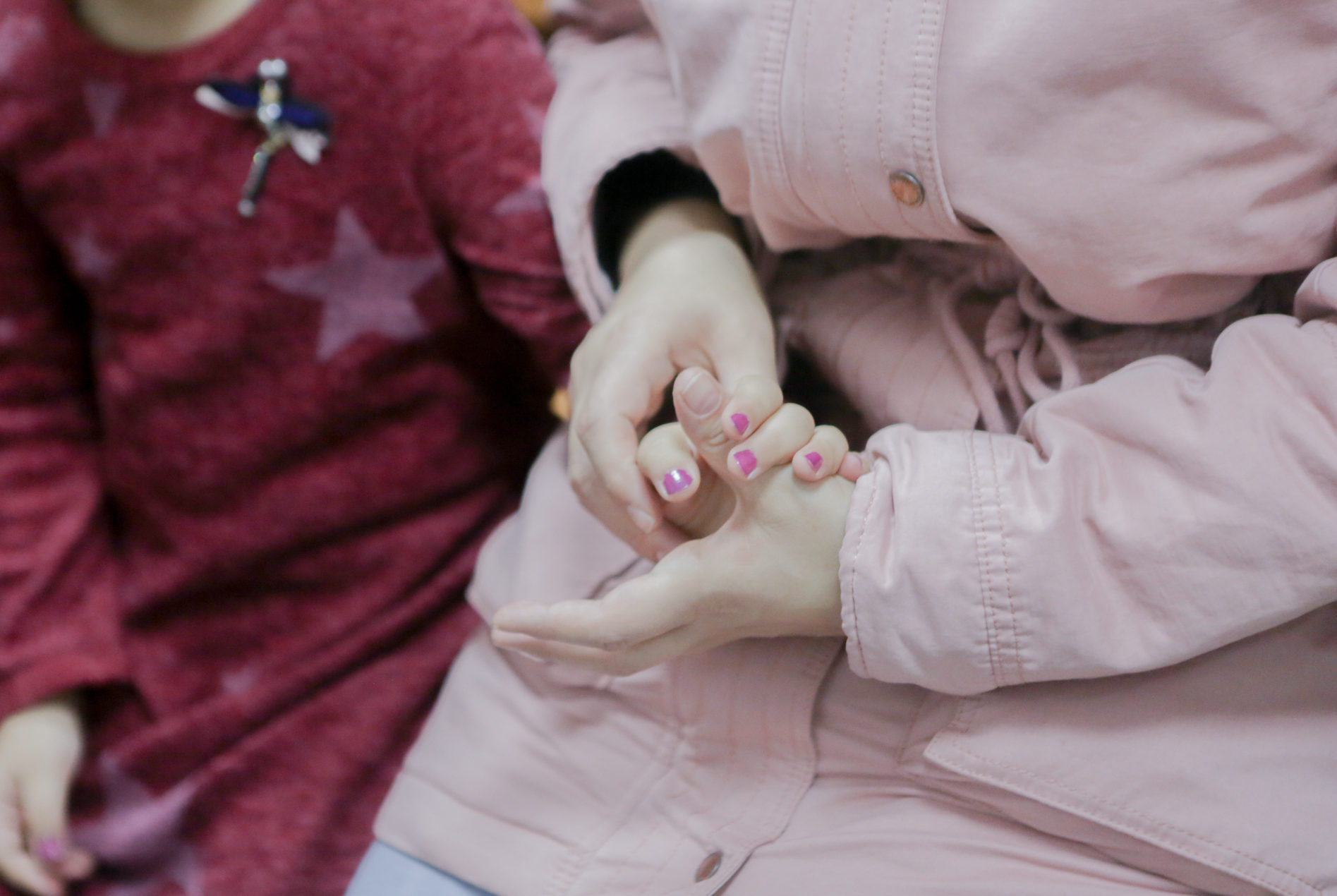 I would like to talk for eight years, Syrian Zahra in Russia has been living. “Thank you”, “pasta”, “normal”-these are almost all the words that she can say in Russian
“It seems to me that the main thing is why they come to us is a language barrier,” says Zamir. -Still, it is difficult for people in Russian to explain correctly. Sometimes they come completely without money, ask to provide primary assistance before the salary. And there was no such thing that they did not return. Our chef also gave us this opportunity: if a person has nothing to pay, we treat him anyway - we are doctors, we must help. Here was a woman, worked either a janitor or a cleaner, came with back pain - he was cured from Pielonephritis. A man with diabetes has come in critical condition - it was accepted by the endocrinologist, prescribed treatment. It happens that the child will put a button in the ear. They are escorted to me, I call the boss - I don’t remember that he refused. ”
“Muras” is an outpatient clinic, specialists are reception, there is a fence of analyzes, but they are sent to the Invitro laboratory. There is a day hospital, an ultrasound apparatus, a cosmetologist’s office. But for a full examination, you have to contact other private clinics: in Muras there is no X -ray, nor MRI, nor narrow specialists.
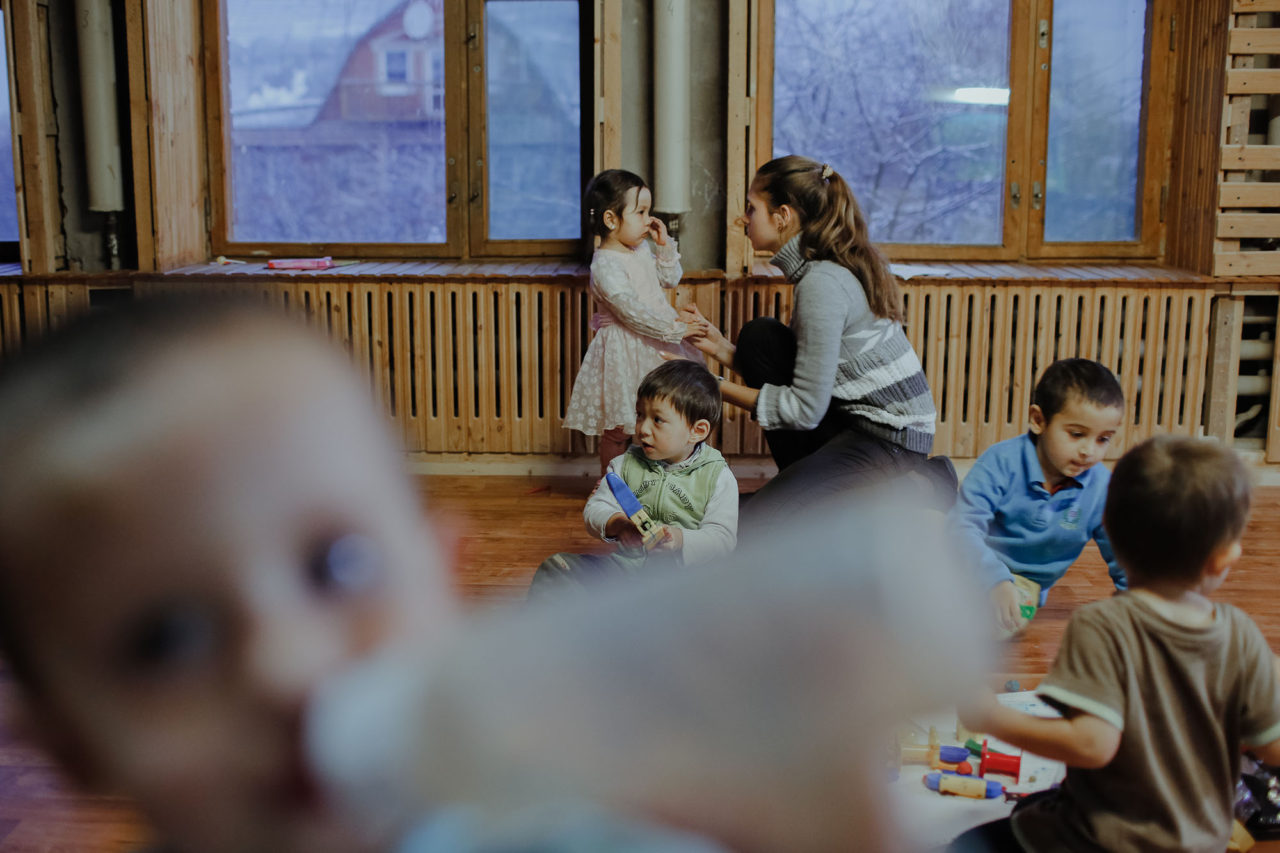 Children of migrants in a private shelter for women who have fallen in a difficult life situation. A volunteer photo is engaged with them: from the Denis Sinyakov project about migrants
At the same time, people are indignant that the consultation price does not include tests, which for additional examinations also needs to be paid. “Literally today they told me:“ And you are still called Kyrgyz! You are our fellow countrymen, you could see for free! ” I explain to them: “We have rent, we have a salary. Why do you come - to work - to work. Here we are, too, the state does not pay us”. ” Not everyone has confidence in “their” doctors - so, according to Zamira, Kyrgyz women sometimes prefer to undergo several examinations as much as possible or immediately contact Russian clinics.
"Healthy migrant"
“My familiar with high temperature was once taken to our such clinic at“ Bratislavskaya ”. They said that this is an inflammation of the fallopian tubes, three injections and droppers were prescribed, everything was done at the same time, the injection site was swollen and the beginning of cropping. She went to the manager - and he was shocked, asked why the nurses were not following this. It all ended badly: already in the Russian clinic I had to operate and remove the pipe. They spent a lot of money, it would be better to immediately go to the Russian hospital. But all our people go there. To be understood. One girlfriend went to the Russian clinic, 3-4 thousand for an ultrasound, 15 thousand by a dropper, her husband did not know the Russian language-it was difficult for them. ”
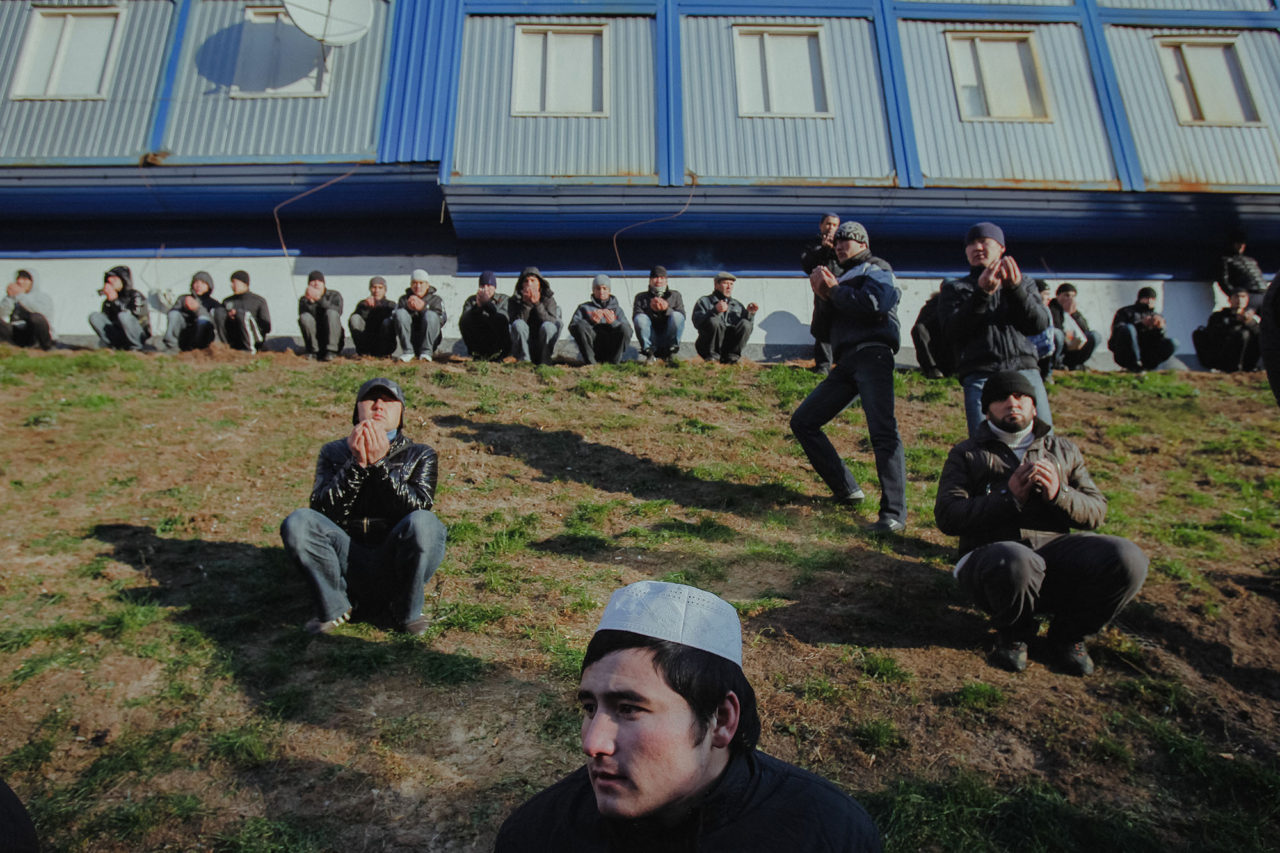 Migrants from Central Asia during prayer in Kurban-Bayram at the Moscow Cathedral Mosque photo: From the Denis Sinyakov project about migrants
My interlocutor is the name of Aizat Dykantanbaeva, she is about 25, and she works as a cashier seller at Mendeleevskaya. Aizat Kyrgyz clinics does not trust: “I would not dare to go there. It seems to me that doctors should improve their qualifications every six months, and I'm not sure that they are doing it. But inexpensive, this is true: a medical abortion is 5 thousand, put a spiral - from 3 thousand, a reception - from 500. You can often agree to be accepted for free or in debt - in Kyrgyzstan they always do this, it is in culture. ”
The HSE study mentions the phenomenon of a healthy migrant: “Scientific works aimed at studying the health of migrants in different countries: Canada, USA, Germany, France show that, as a rule, migrants who have recently arrived in the country have good health. However, over time, due to poor living, nutrition, constant stress, hard work, migrants become less healthy people. Migrants earn less than citizens of the host company, and often have limited access to the medical care system, so treatment for them becomes more expensive and they prefer to postpone visits to the doctor later. ” Very often, such deposits end deplorable.
“The administrator has at my work,” Aizat continued, “breast cancer. It is very difficult for her to breathe. She has a 11 -year -old daughter, there is no one to leave her with. Waiting for a replacement at work to leave for Kyrgyzstan. She told me herself, cried. It was treated with herbs-someone prompted her, did not help: the bump continued to grow. " According to Aizat, traditional methods are often treated-someone from hopelessness, someone is trying to show himself that he did not give up. Встречается и так называемое лечение по Сунне — хиджама, кровопускание. Часто его делают с помощью пиявок.
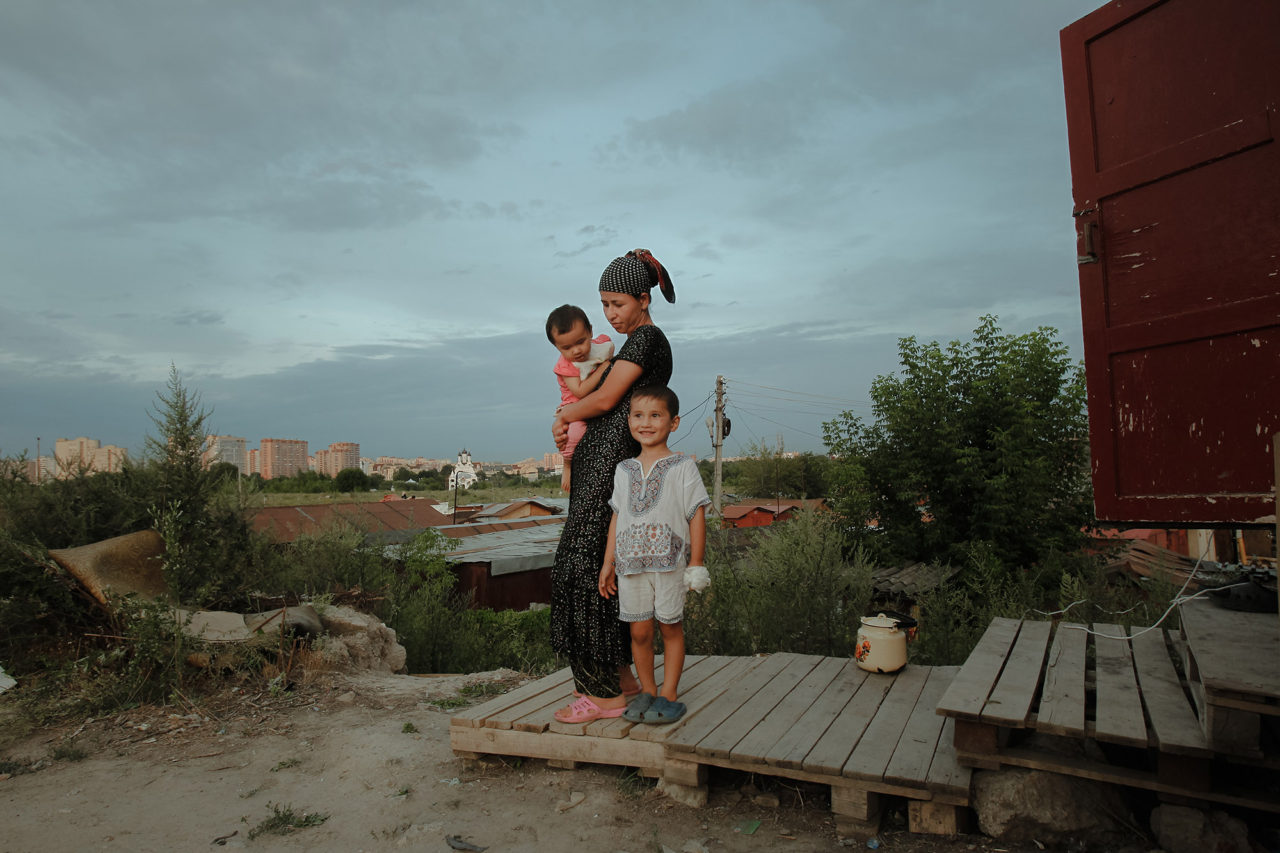 Сезонные мигранты по полгода живут в Москве в бараках, сколоченных из фанеры и кусков железа, а на зиму уезжают домой Фото: из проекта Дениса Синякова о мигрантах
«Есть гигиена, которая четко прописана в Сунне: так делал пророк, — поясняет Варшавер. — Например, мусульмане вместо зубной щетки могут иногда использовать деревянные палочки. Опять же, когда писали Коран, вилок не было и все ели руками. Так же выглядит и медицина по Сунне — это практики VII века”. Действительно, во многих хадисах встречаются слова пророка, посвященные этому способу лечения: “Воистину, наилучшим лекарством для вас является кровопускание» («Фатх аль-бари фи шарх сахих аль-бухари»). Надрезы, как правило, производят на затылке или между лопаток.
Тем не менее эти способы лечения не слишком популярны — из 402 медицинских объявлений на сайте «Жердеш» только 21 посвящено хиджаме или подобным практикам, о лечении травами на сайте и вовсе не удалось найти информации: видимо, рецепты просто переходят из рук в руки, в то время как основная масса людей предпочитает обращаться к обычным докторам или не лечиться вообще.
Автор и редакция благодарят комитет «Гражданское содействие» за помощь в подготовке материала.
В тексте использованы фотографии Дениса Синякова из проекта о мигрантах.
клиники для мигрантов медицина мигранты трудовые мигранты