
Translated material
Non -residential hotels
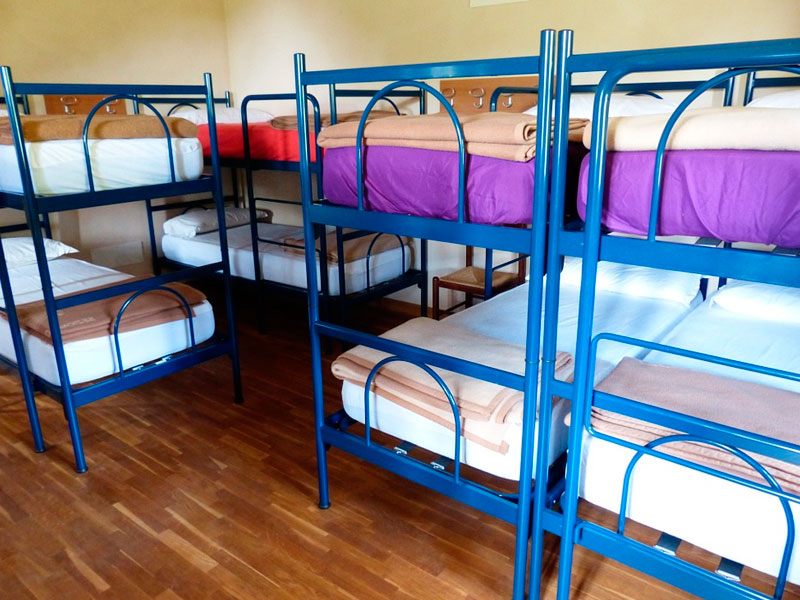
The Housing Policy Committee supported a tough version of amendments in the LCD, which involves the transfer of hostels in apartment buildings in the category of non -residential premises. Experts are afraid that in case of their adoption, this part of the business will go into the shadow. Today the initiative is the second reading. The first took place in October 2015, after which there were debate for three years.
A year ago, one of the authors of the law, the chairman of the Duma Committee on Housing Policy and a member of the Just Russia party, Galina Khovanskaya said that the apartment in the houses where the hostel appears was cheaper by 30% and reported about complaints coming from citizens. The deputy, known for his irreconcilable position on this issue, argues it by the fact that the dwelling gives tax relief and allows you to issue benefits for utilities, unreasonable in the case when square meters are used for business.
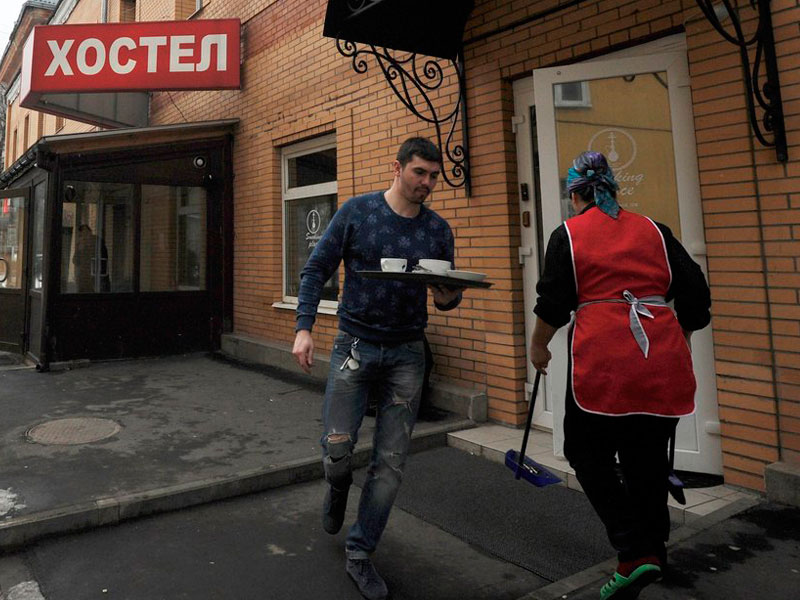 Work of the hostel / mskagency.ru
“ In residential premises, you can register not on the same day as in a hotel, but after a certain time. We will not know who is in these residential premises , ”Khovanskaya added , expressing concern to security during the 2018 mundial and predicted that the amendments would begin to operate on October 1. According to her, the residents of Moscow and St. Petersburg express the most discontent from the neighborhood with mini-horses.
At the same time, immediately after the introduction of the bill to the State Duma, lawyers noted that the opening of hostels in residential premises in fact is now illegal, since it conflicts with the civil and housing codes that prescribe services to provide services only after the transfer of residential premises to a non -residential fund. At the same time, the law does not prohibit the transfer of ordinary apartments located in apartment buildings from residential premises into non-residential premises, after which they can be turned into hostels, guesthouses and mini-hotels, subject to certain conditions.
Three years ago, the lower house of the Russian parliament unanimously-as part of 416 deputies, supported the Khovanskaya project, but in 2017, the United Russia Alexander Sidyakin and Pavel Kachkaev from the State Duma committee on housing and communal services proposed to mitigate them, allowing the hostels in residential buildings in case of the consent of their residents. In this case, to open such a business, you will need to get the consent of two -thirds of the inhabitants of the entrance and half of the residents of the house. According to deputies, the right to organize a hotel should have residents of adjacent premises. Last spring, a group of deputies, including Khovanskaya, made amendments to the law on tourism, prohibiting organizing mini-hotels in residential premises.
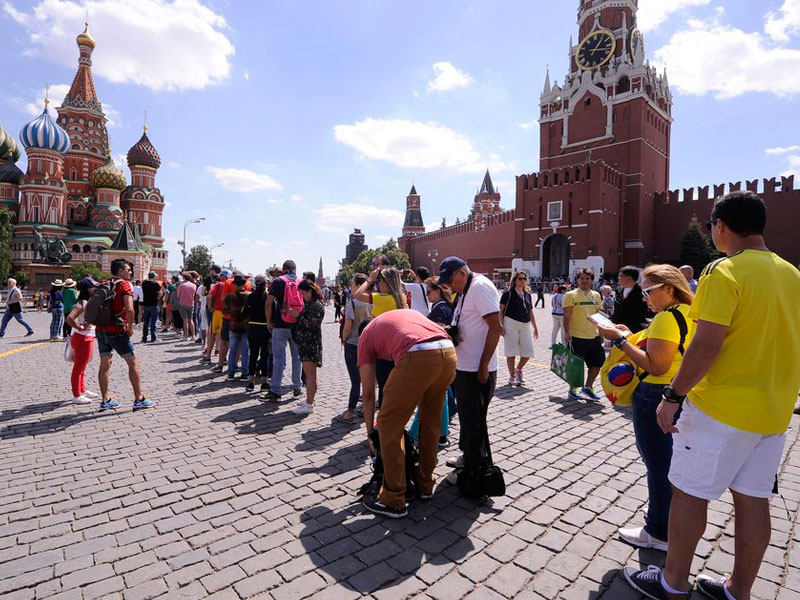 Tourists in line / AGN "Moscow" / Photo: Avilov Alexander
Today, the Duma returned to the consideration of the early initiative of Khovanskaya. The status of non -residential premises involves, in particular, a separate entrance. For this reason, if it is approved, the hostel can only be opened on the ground floor of an apartment building. But according to the lawyer and a member of the board of the "League of the hostels" Natalya Petrovskaya, the rugal hostels "will not close and go into the shadow" she also believes that the law will negatively affect not only business in high -rise buildings, but also those citizens who pass part of their individual housing for the summer during the vacations.
Recall that yesterday, speaking with the annual message to the Federal Assembly, Russian President Vladimir Putin said that a conscientious business should not “constantly go under the article”, that is, to feel the risk of criminal or administrative punishment.
At the beginning of this month in one of the Moscow hostels there was a flash of measles. In relation to its owners, a protocol on an administrative offense was drawn up.
In December, Deputy Prime Minister Dmitry Medvedev handed Galina Khovanskaya Medal Stolypin P.A. II degree.