
Translated material
Taken by "Landromat"
In Russia, it is more convenient to investigate the case of a foreign ruling politician. Especially if he is not "our son"
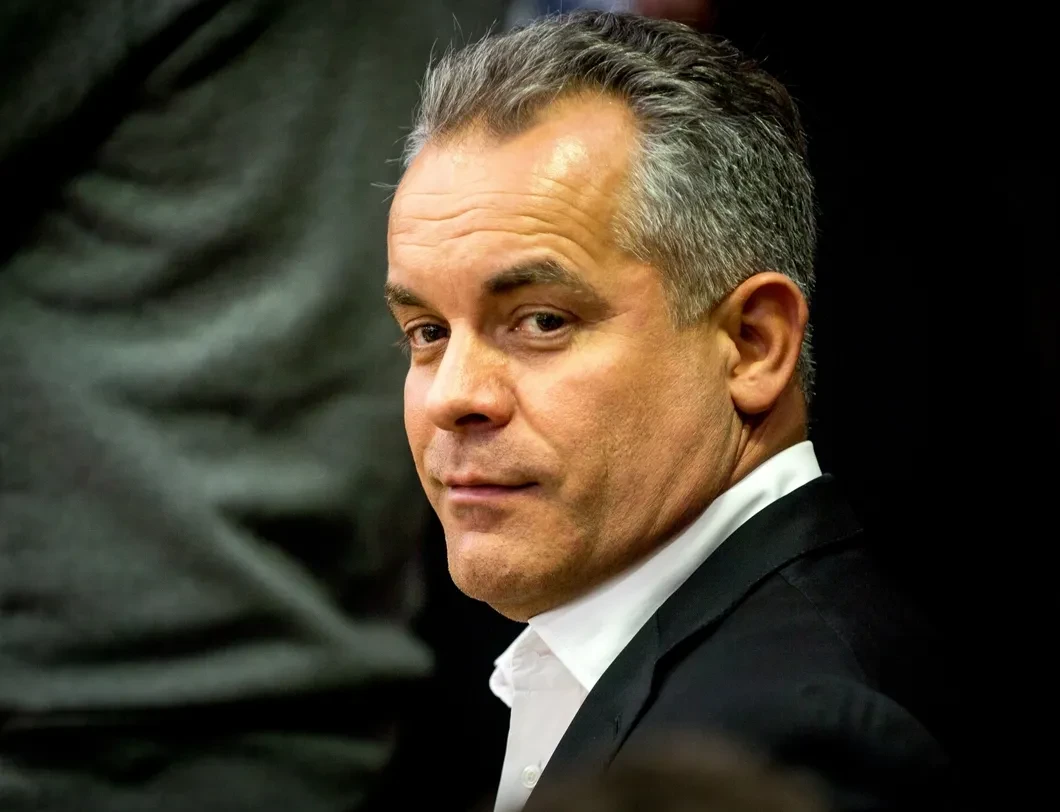
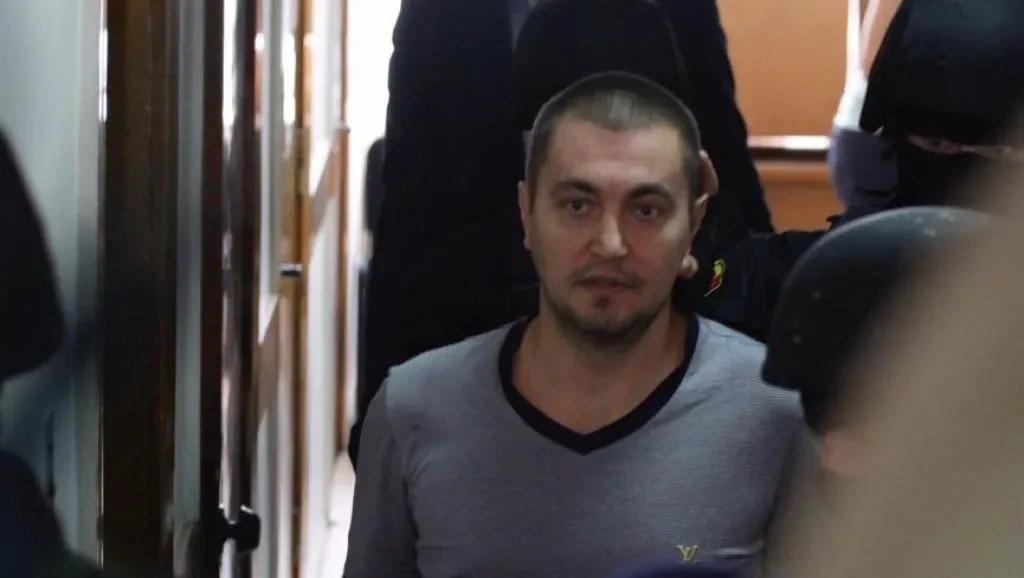
Russian law enforcement agencies accused Moldovan entrepreneurs and politicians Vladimir Plahotniuk and Vyacheslav Platon of creating a criminal community that led more than 37 billion rubles from Russia. Both that and the other really were related to a large -scale scheme of money laundering. But Plato has been sitting in the Moldavian prison for a long time.
And Plakhotnyuk is considered the most influential person in Moldova and leads the Democratic Party, which occupies most places in the country's parliament.
For several years, a large washing scheme is known. But Russia has charged a couple of days before the Moldovan parliamentary elections. At the same time, Plakhotnyuk is a pro -European politician, his party advocates rapprochement with the European Union, and he himself has repeatedly talked about the Russian threat.
So, it seems that our security forces begin to master criminal proceedings with the foreign policy effect. What Russian statesmen have repeatedly accused the United States and European countries when they hunted for our politicians or leaders of Russian criminal groups with ties at the highest level.
Why not act ours, as an American Ministry of Justice or European prosecutors who are engaged in immigrants from other countries, regardless of their social and political situation?
The problem is that in Russia there are a lot of its own Platons and Plahotnukov, whom no domestic investigator has distinguished. And in order to engage in investigations regarding status foreigners and maintain at least the appearance of objectivity, it is advisable not to forget about no less status compatriots.
Without such a balance, everything looks like a clumsy setting and a circus. For example, the criminal case of financier Bill Broud will not be taken seriously without a criminal case against investigators, tax authorities and their leaders, thanks to which billions of rubles were withdrawn from the Russian budget.
And the accusation of Plahotniuk in washing billions from Russia looks ridiculous if there is not a single high -ranking domestic official who was supposed to be responsible for this scheme from the Russian side in the dock.
After all, we are talking about a system through which not 37 billion passed, but about 700 billion rubles.
About how this scheme, the “New Gazeta” and the Center for the Study of Corruption and Organizational Procedure (OCCRP) were told in 2014, calling it “Landromat” - the laundry of world scale to launder funds. Plakhotnyuk, inherited, "inherited" the Moldavian part of this laundry from Plato, which received 18 years in prison after publication and criminal investigation in several countries.
Billions passed through 18 Russian banks and a large number of dummy companies. And the peculiarity of the scheme was that the justification for transferring the money was the decisions of Moldovan ships in which the dummy companies deliberately lost to each other in fictitious loans, and the guarantors paid the “loss”. This pump worked uninterruptedly for several years, pumping funds into European banks, which also did not really think about their origin.
And although most Russian banks who participated in the scheme had licenses revoked, none of the Russian high -ranking officials were injured.