
Translated material
Elections in Ukraine: who is behind Zelensky, what to expect from Tymoshenko and who plays for Russia
A month before the first round of the presidential elections in Ukraine, not only their result remains unpredictable, but also the prospects of Moscow in relations with the future president. The exception is unless Petro Poroshenko, with whom the Kremlin has a stable bad relationship, of which both sides, however, learned to extract some mutual benefits .
Until January-February 2019, it seemed that Poroshenko had the worst prospects from the first three candidates. But the administrative resource and other possibilities of the post of current president are doing their job - in recent polls, Poroshenko went to second place, ahead of Yulia Tymoshenko.
But while all three candidates retain the chances of the final victory, and the most unpredictable - Zelensky, which is considered the creature of billionaire Igor Kolomoisky, leads in polls. “Zelensky’s rating is purely media, he rarely expresses his position,” says Ukrainian political scientist Georgy Chizhov: if he will win, a more convenient president for Russia than Poroshenko, is generally incomprehensible.
Only one pro -Russian candidate is frankly - the former ally of Viktor Yanukovych Yuri Boyko, behind whom the chief ally of Vladimir Putin in Ukraine Viktor Medvedchuk. Boyko has no chance of winning (his electorate in the south and east of Ukraine was taken away by Vladimir Zelensky). But its result can be a back of pro-Russian forces in the parliamentary elections in the fall of 2019 and the subject of political bargaining-as well as the result of other candidates from the top 5.

22.95%
Vladimir Zelensky
41 years old.
“If in the east and in Crimea people want to speak Russian-unhurried, leave me alone, legally let them speak Russian.”
Status
Ukrainian showman, actor, head of the Kvartal 95 studio.
Who supports
The “servant of the people”, named after the series of the same name, is nominated from his own party, where Zelensky played the role of the President of Ukraine. Zelensky gathered the election headquarters from his colleagues on quarter 95. According to the generally accepted opinion, Zelensky is supported by billionaire Igor Kolomoisky, on the control of the 1+1 channel, projects of the comedian and his studio are released. According to Ukrainian Pravda, the candidate uses the oligarch's capabilities in his election campaign - for example, political scientist Viktor Andrusiv and lawyer Andrei Bogdan, close to Kolomoisky, work for him. Zelensky announced his nomination to the presidency precisely on “1+1”.
The main points of the program
Zelensky invited his voters to participate in writing the program and offer his own option for the candidate. Plans to return Crimea and Donbass. Refuse to join NATO.
Relations with Russia
Zelensky repeats the program of Tymoshenko and hopes that as a result of the new round of negotiations, it will be possible not only to return the occupied territories, but also to recover compensation from Russia for the damage.
Forecast
The most likely candidate for getting into the second round. Zelensky’s results will greatly depend on the general appearance and turnout in the Russian -speaking regions of Ukraine. If his electorate, mainly young and apolitical, will come to the sites, then he will certainly go on the second round and may win there. Zelensky does not have such a high anti-rating as that of Poroshenko and Tymoshenko, so he can defeat both of them one on one, since the second round is often a vote on the principle of “against someone”, and not “for”.
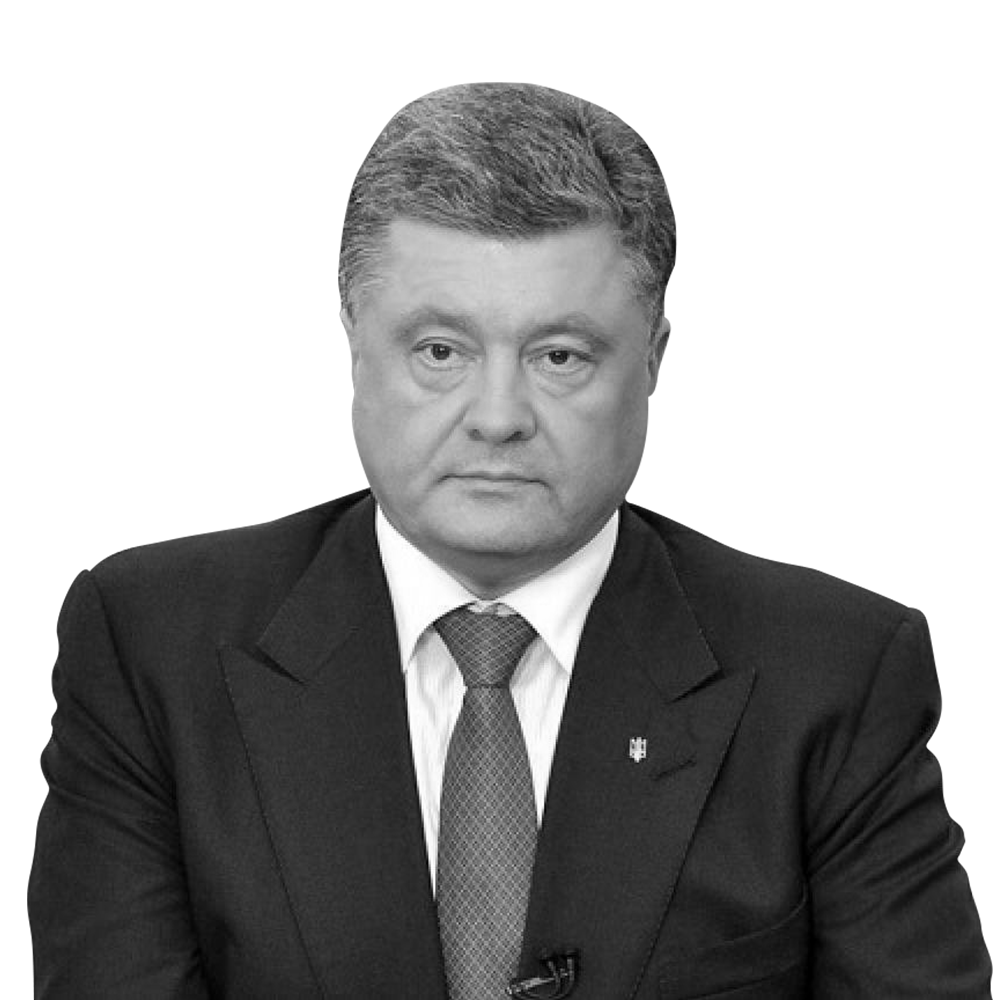
17.25%
Petro Poroshenko
53 years.
“Of course, we need peace with Russia. Cold, but the world. "
Status
The current president of Ukraine, a businessman, owns the Roshen confectionery factory; Former Secretary of the National Security Council (2004–2005), Minister of Foreign Affairs (2009–2010), Minister of Economic Development and Trade (2012); People's Deputy of Ukraine since 1998.
Who supports
Goes to the election by a self -nominee.
The main points of the program
The return of the territories occupied by Russia, the entry of Ukraine to the EU and NATO.
Relations with Russia
Poroshenko intends to restore Ukraine's application for the entrance to the EU and the NATO military alliance. It plans to return the occupied territories of the East of Ukraine and Crimea to the country.
Forecast
The results of the current president will depend on two factors: whether his nuclear electorate will support in the west of Ukraine and how high the utility bills will be in March. In the first case, much depends on the appearance of labor migrants that make up a significant part of the population in the west of the country. In the second round, the highest anti -rating can play against the current president - 40-50% of voters.

14.8%
Yulia Tymoshenko
58 years.
“You will never know who is behind the president, for the politician.”
Status
Former Deputy Prime Minister (2005) and Prime Minister (2007–2010) of Ukraine. The deputy of the Verkhovna Rada of Ukraine since 1997, the leader of the Fatherland party.
Who supports
In addition to its own party, he has the support of the Ukrainian oligarchs Igor Kolomoisky and Dmitry Firtash, the Ukrainian media wrote .
The main points of the program
Revision of Minsk agreements, the adoption of a new Constitution of Ukraine, the creation of a parliamentary state.
Relations with Russia
Tymoshenko in his program proposes to invite representatives of the signatures of the 1994 Budapest Memorandum of the Budapest Memorandum and conclude a new agreement with them. The candidate calls him “Budapest Plus”, this agreement must replace the Minsk agreements. Tymoshenko also advocates to return the Lugansk and Donetsk regions to Ukraine, and proposes to strengthen sanctions pressure on Moscow in connection with the occupation of Crimea. After the return of the territories to the country, Tymoshenko proposes to recover compensation for aggression from Russia.
In the end, Tymoshenko has the same anti -Russian rhetoric as that of Poroshenko, but her opponents accuse her of the fact that she was an agent of the Kremlin: she was supported by Putin in 2009, then she signed a gas contract, unprofitable to Ukraine.
Forecast
Tymoshenko’s nuclear electorate is over 50 years old, they usually go to the polls disciplined. With a common low appearance, Tymoshenko has good chances for the second round. There, a heavy rivalry with Poroshenko or - even more difficult - with Zelensky is already waiting for her. In the first case, Tymoshenko’s chances can grow if the vote turns into a “referendum against Poroshenko”. Tymoshenko knows how to negotiate, so it will be easy for her to gather opposition voters around her.
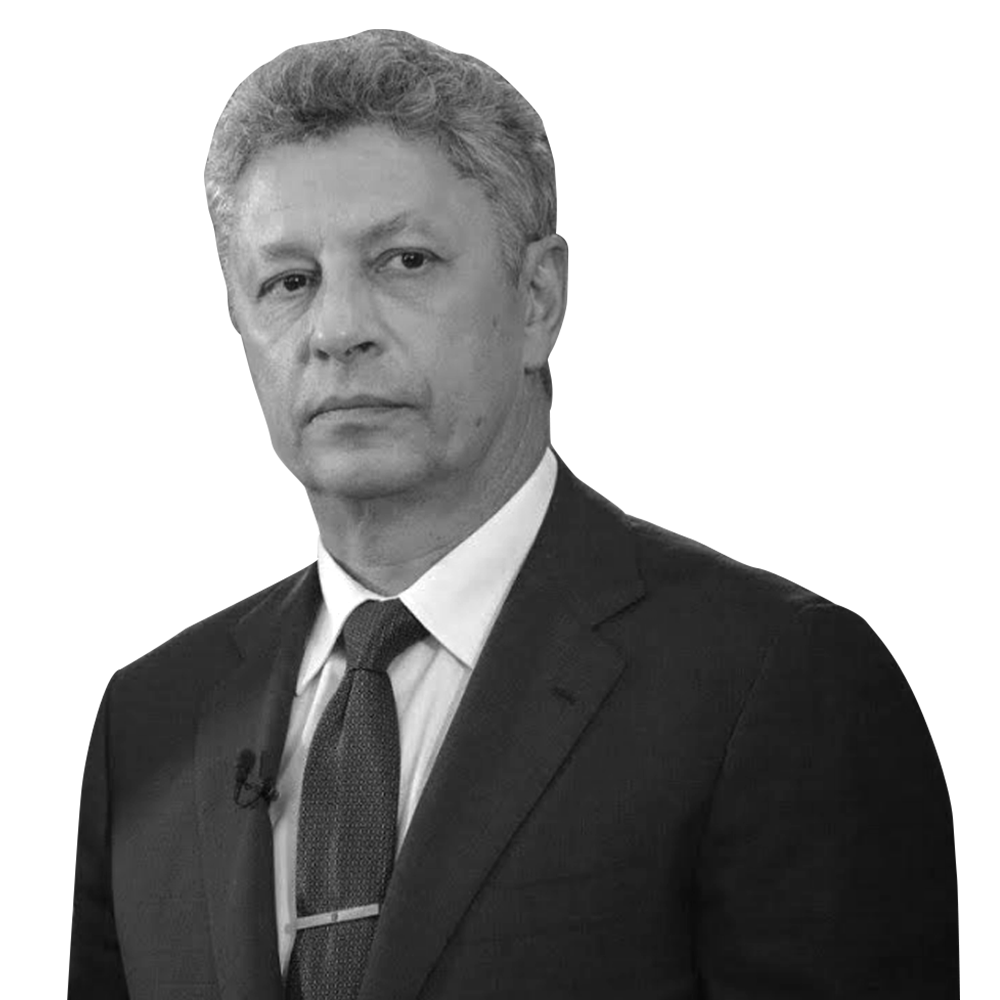
8.45%
Yuri Boyko
60 years.
“We propose to carry out direct negotiations between the parties to the conflict with reliable mediation in pursuance of the agreements reached. We believe that there is no other way. Today we need an honest and open dialogue with society. 70% of Ukrainian citizens want the end of the war and the establishment of peace. ”
Status
Former People’s Deputy from the Party of Regions, the ex-head of the Opposition Bloc party formed on its fragments. He held the positions of the Minister of Fuel and Energy (2006–2007, 2010), Minister of Energy and Coal Industry (2010–2012) and Deputy Prime Minister of Ukraine (2012–2014).
Who supports
Boyko advanced from the joint party of the Opposition Bloc and “for Life!”, Which was called “The opposition platform - for life!”. For the formation of a new batch, Boyko was expelled from the Opposition Bloc. The candidate’s sponsors are called “Kuma Putin” by Viktor Medvedchuk and the ex-head of the administration of Viktor Yanukovych businessman Sergei Levochkin.
The main points of the program
The implementation of the Minsk agreements in the political part and the restoration of peace in the east of Ukraine; Improving social benefits.
Relations with Russia
Boyko advocates the resumption of economic relations with Russia and for direct negotiations with the regimes of self -proclaimed republics.
Forecast
Boyko could enter the three leaders of the race, but for this he must do something extraordinary.
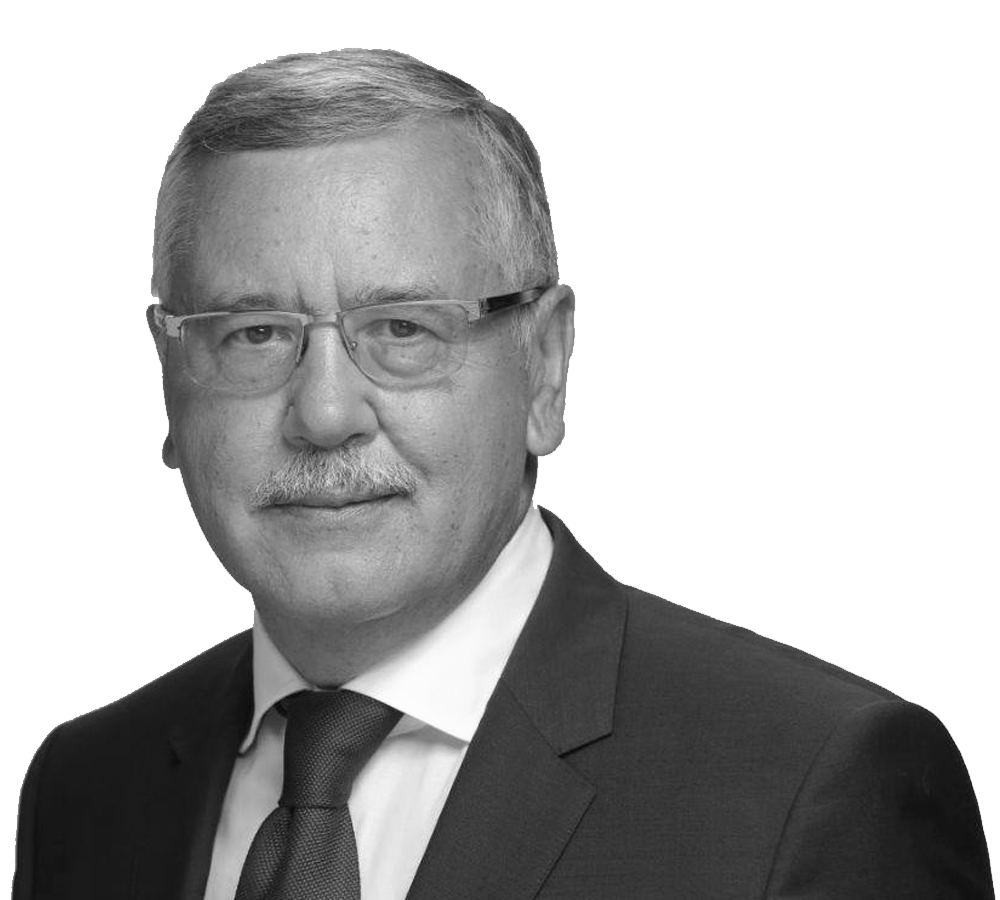
6.7%
Anatoly Gritsenko
61 years old.
“The current government is impotent. In all manifestations. Both in professional and moral, first of all. ”
Status
The head of the Civil Position party, ex-Minister of Defense of Ukraine (2005–2007), People's Deputy since 2007.
Who supports
Around the Minister of Defense of the Orange Revolution, other former associates of Viktor Yushchenko are grouped. The Ukrainian media wrote that an influential People’s Deputy, ex-head of the Yushchenko administration Viktor Baloga, will play a leading role in his election campaign. The contribution for Gritsenko as a presidential candidate was made by his Civil Platform party.
The main points of the program
Reform of the tax system, cancellation of VAT; The deprivation of the President and deputies of the Verkhovna Rada of inviolability, the fight against corruption.
Relations with Russia
Gritsenko was one of the first deputies to call Russia a hostile country, in 2014 he called for Russian aircraft in eastern Ukraine; In 2017, a criminal case was brought against Gritsenko in Russia because of his public calls to “blow up cars in Moscow”.
Forecast
Gritsenko can also join the first three candidates, but a political miracle should happen for this.
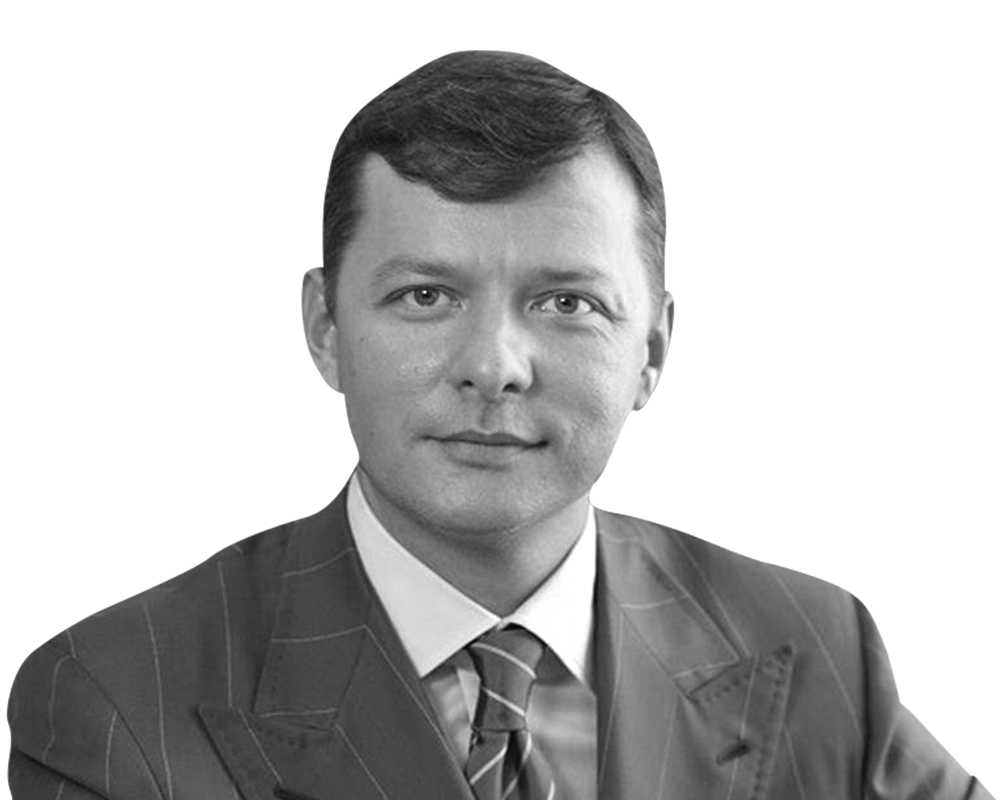
5.7%
Oleg Lyashko
46 years.
“Someone calls me a Nazi, a fascist, but I have been married to my wife for 17 years. All my life I have been talking in Ukrainian, it all my life is in Russian, and this does not prevent us from understanding each other. ”
Status
The leader of the Radical Party Oleg Lyashko, People’s Deputy since 2006; journalist.
Who supports
The Ukrainian media was repeatedly called the sponsor of the Radical Party and Lyashko himself Rinat Akhmetov, the founder of the Capital Management Systems company. The source of The Bell, familiar with the situation in Akhmetov’s holding, confirms this.
The main points of the program
Lyashko advocates the support of agriculture and industry, promises benefits and subsidies in these industries; In addition, the candidate plans to liquidate the position of prime minister, reduce the number of deputies and ministries.
Relations with Russia
In Russia, a criminal case has been opened against Lyashko in 2015, the deputy is accused of abduction of a person; is included in the Russian sanctions list; The deputy has repeatedly advocated restricting relations with Russia - including initiating a law on the ban on touring for Russian artists in Ukraine.
Forecast
Lyashko has no chance of even approaching the first three. Its task is to show the maximum result that can be converted into deputy mandates for the party in the next elections to the Verkhovna Rada.
Anton Baev
The ratings of candidates are given according to the latest surveys of the Kyiv International Institute of Sociology (January 31 - February 10) and the Razumkov Center (February 7 - February 14)
The article uses comments by political scientists Vladimir Fesenko (Center for Applied Political Studies "Penta", Kyiv) and George Chizhov (Center for Assistance to Reforms, Kyiv)