
Translated material
One at home
Why Bashar Assad does not want the return of the Syrian refugees to his homeland, although Russia insists on this
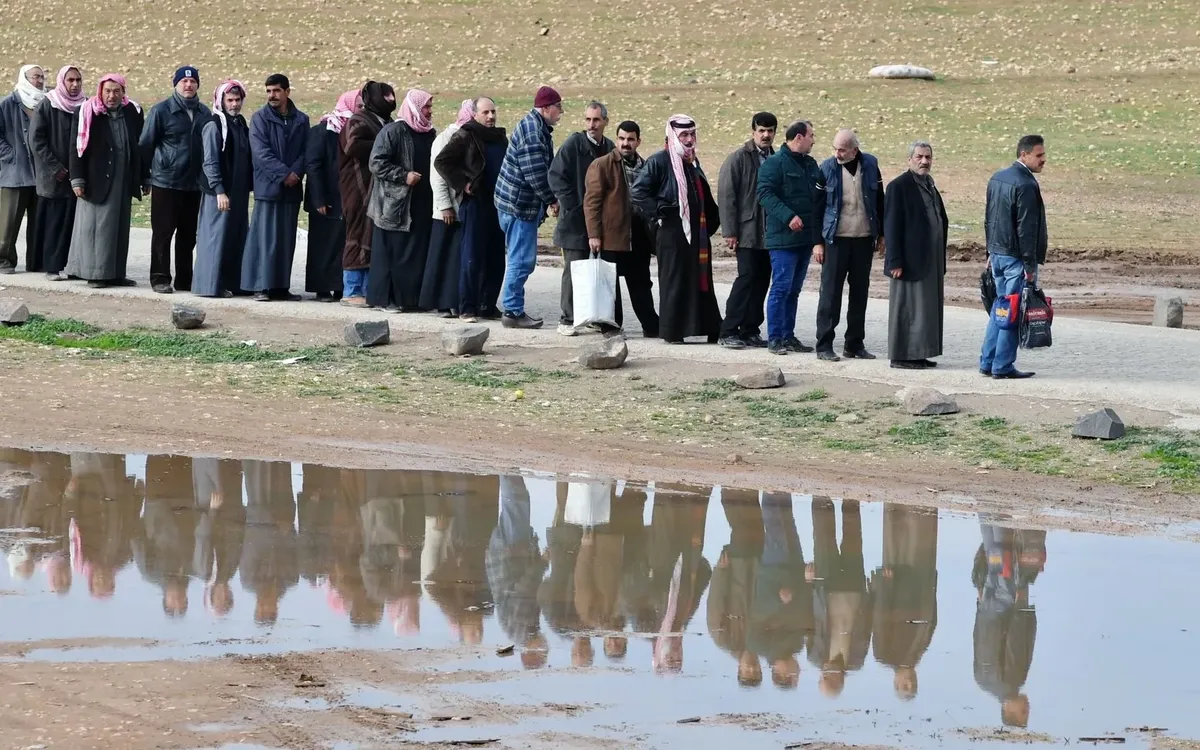
Russia actively entered the Syrian war in 2015. Up to this point, the Russian special services used the situation in Syria to squeeze out the Caucasian militants and the radicals sympathetic to the “sacred war for the Islamic Caliphate” - himeric slogans, under which the Islamic State Terrorist organization prohibited in Russia widely unfolded. Well, then, under the pretext of fighting international terrorism, we entered Syria. Another substantiation of our participation was international obligations under a friendship and cooperation agreement between Syria and the USSR, concluded back in 1980.
Russia's intervention has become critical for the survival of the regime of President Bashar al -Assad and led to the fact that
Three years later, almost the entire territory of Syria was again in the power of a man who is called a “bloody dictator” in the West.
The price of this largely Russian military victory is extremely high: the Syrian conflict is recognized as the largest humanitarian tragedy, which caused the largest for the Second World War of the forced movement of people. More than 6 million people turned out to be internal immigrants, over 6 million (according to official figures) became refugees. This is at 20 million inhabitants in pre -war Syria. Nobody can definitely calculate the losses among civilians in the Syrian war. The UN stopped counting the victims back in 2014, stopping at the figure “more than 100,000 people”.
After the military intervention of Russia, traditionally dismissively related to victims among the civilians, the figure of losses crossed the half -million threshold.
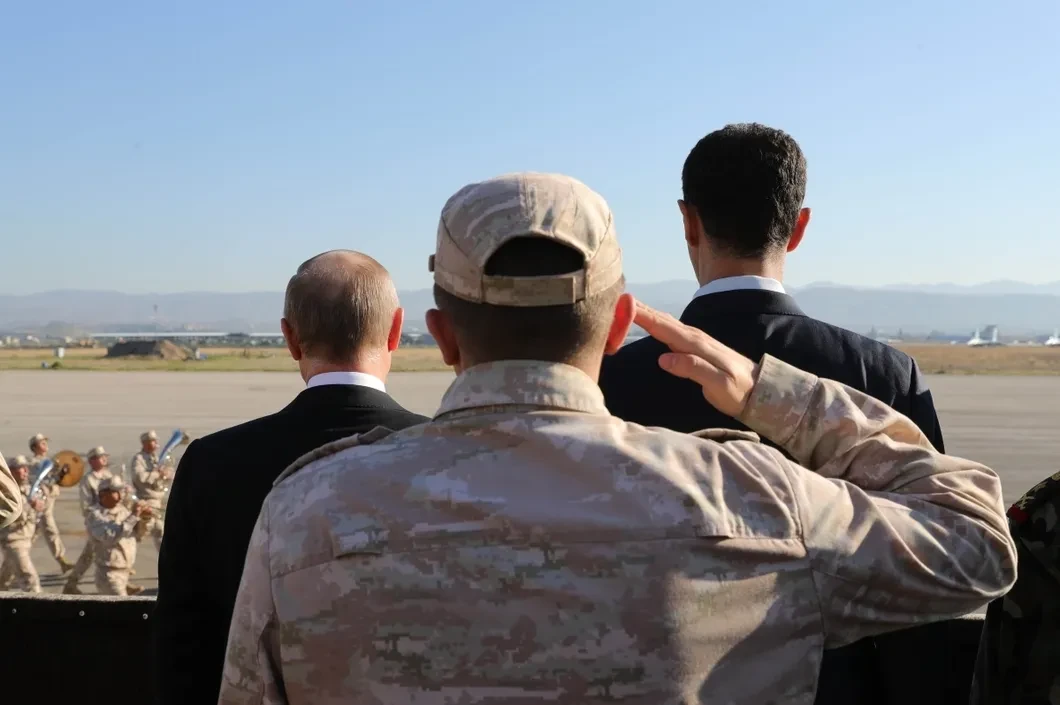
By 2018, when Bashar Assad, with the help of Iran and Russia, again gained control of his country, Syria was, in fact, a territory without people. Therefore, the issue of returning refugees was the first in relevance, and the Ministry of Defense of Russia spoke in the language of international law.
Judging by the activity that all Russian ministries developed over the past year - from the Ministry of Defense and the Ministry of Defense to the Ministry of Economic Development, which financially ensures the work of the secretariats of numerous international commissions in the humanitarian and political settlement of the Syrian crisis, Russia is extremely interested in resolving this issue. The closest neighbors of Syria - Jordan and Lebanon, who were forced to accept the millionth streams of Syrians running from the war over the years are also sincerely interested in this. Turkey, on the territory of which, according to official figures, is more than 3 million Syrian refugees, talks a lot about their return, but this country received significant assistance from the European Union to arrange refugees on its territory - up to 6 billion euros. She received this money under promises to close her borders and impede the mass transition of refugees to Europe.
The European countries, which, according to the official figures of the Ministry of Defense of the Russian Federation, have accepted up to a million Syrian refugees in total, refuse to cooperate with Russia about their return. Like the UN, the position of the European Union in this matter is clear: while the Assad clan is preserved in Syria, there is no talk of any participation in the state’s restoration (both in the infrastructure and human dimension). Russia has not yet been able to shake this position, as well as to attract the rich members of the League of the Arab states to the active restoration of Syria.
Moreover, the absence of a real consensus on the assignment of the country and the nearest, seemingly allies of Russia - Iran and ... Syria itself, is becoming increasingly obvious.
While Russia appeals to the humanity of the European Union, the USA and the UN, the authorities of Lebanon and Jordan directly turn to the regimes of Iran and Syria with a request not to prevent the return of the Syrian refugees home.
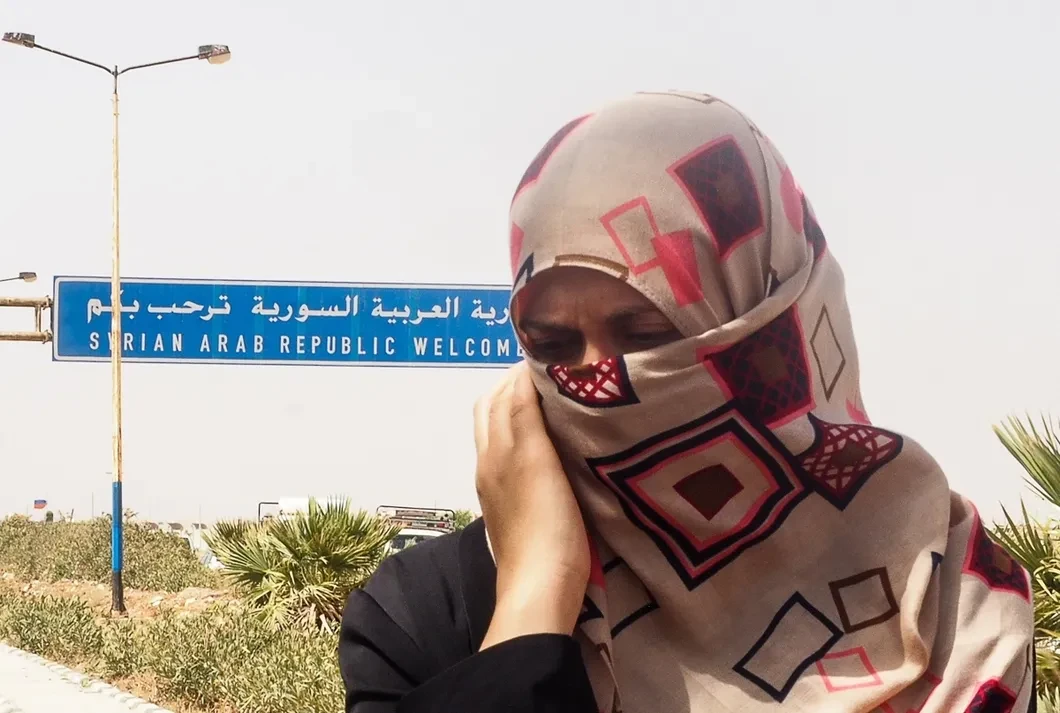
The country-transit
According to the Ministry of Defense of the Russian Federation, the Lebanese Republic - a tiny state with a population of 4 million people - sheltered almost a million Syrian refugees. But these are only those people who moved from Syria until 2015 and were able to get the official refugee status. Since 2015 (namely, in Syria, large-scale military operations began with the active participation of Russian aviation) The local unit of the UN UN, under pressure from the Lebanese authorities, has stopped registering refugees. Local human rights organizations indicate that in Lebanon there may be up to 2 million refugees, and in some areas their number reaches the proportions of one to one with the local population.
Lebanon is a very specific country in the Middle East, for many decades for the cost of huge victims (including a 15-year civil war) retaining a fragile religious and ethnic balance between Christians and Muslims, and in the Muslim environment between Shiites and Sunnis.
The vast majority of Syrian refugees are Sunnis, and this fact violates the balance and pose a threat to the basic principle of the coexistence of Lebanos.
In addition, for thirty years the Palestinian refugees camps have been on the territory of Lebanon, the absolute independence of which from the state became a real problem for the country and served as the reason for the start of the very civil war, the wounds from which are still fresh in the memory of every Lebanese.
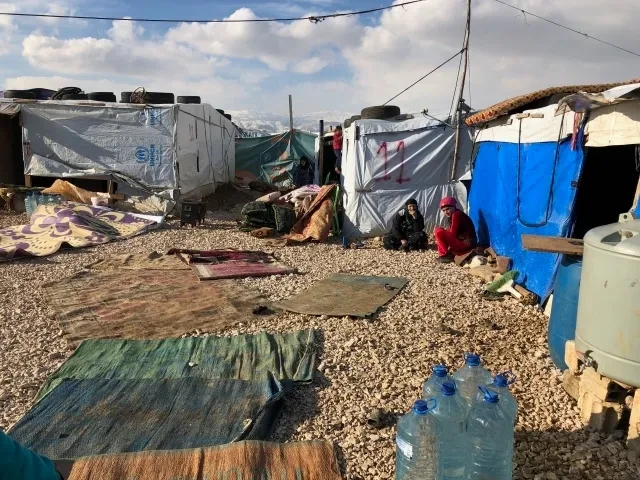
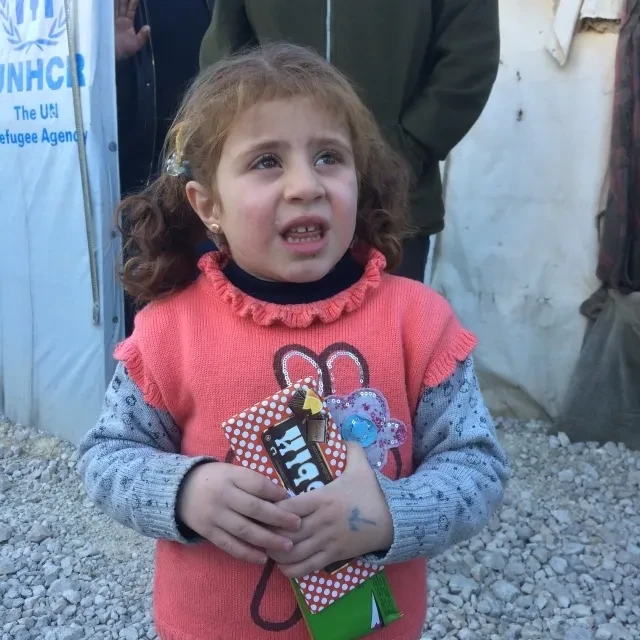
It was on the basis of this sad historical experience that Lebanive refused to create the official camps supported by the state (that is, free for Syrian refugees), offering, in fact, people themselves solve their problems. And many Syrians really decided them themselves. They rented from the Lebanese who could afford - apartments, garages, sheds ... Some landowners rented lands on which tents from non -trained boards, covered with plastic material with the UNHCR logo (UN UN), set up tents for refugees. But the Syrian war flared up, there were more and more refugees, they have less money. And as a result, everything came to the same forms of compact resettlement of refugees in camps, for which, however, they are forced to pay rent (about $ 30 a month).
These camps were mainly located in the most poor areas of the country - in the Northern Lebanon and the Bekaa Valley, populated by Shiites and largely controlled by the famous Lebanese Hezbollah (an organization that is considered terrorist in the West, and in Russia as an ally in the fight against terrorists).
Since 2015, Lebanon began to tighten migration policy against refugees and closed his border with Syria. It became very difficult to renew the previously issued residence permit, under the pressure of the Lebanese authorities, the registration of new refugees was stopped, and they could no longer count on the aid of UN UNKB. Last year, this manual without explanation began to deprive those who received it. They began to detain refugees without documents at checkpoints, they were put under arrest from 3 to 10 days, and then they were released with the order to immediately leave the country. All this led to the fact that people stopped going somewhere and sat in their tents (they traveled, as a rule, in search of earnings-officially refugees in Lebanon are allowed to work in the agricultural sector, construction, in the “ecological sector”-in other words, remove garbage). And in the camps, inspections conducted by the forces of the Lebanese army to identify the fighters of IS, the Jabhat-An-Nusra and other terrorist organizations prohibited in Russia were more frequent. It is known that the terrorists really took refuge in the camps and used them for attacks on the Lebanese military. But today in the camps the number of fighters of these groups, according to the military, is small. Nevertheless, during the raids for checking documents, several hundred people are delayed and then, as they check, as a rule, everyone is released.
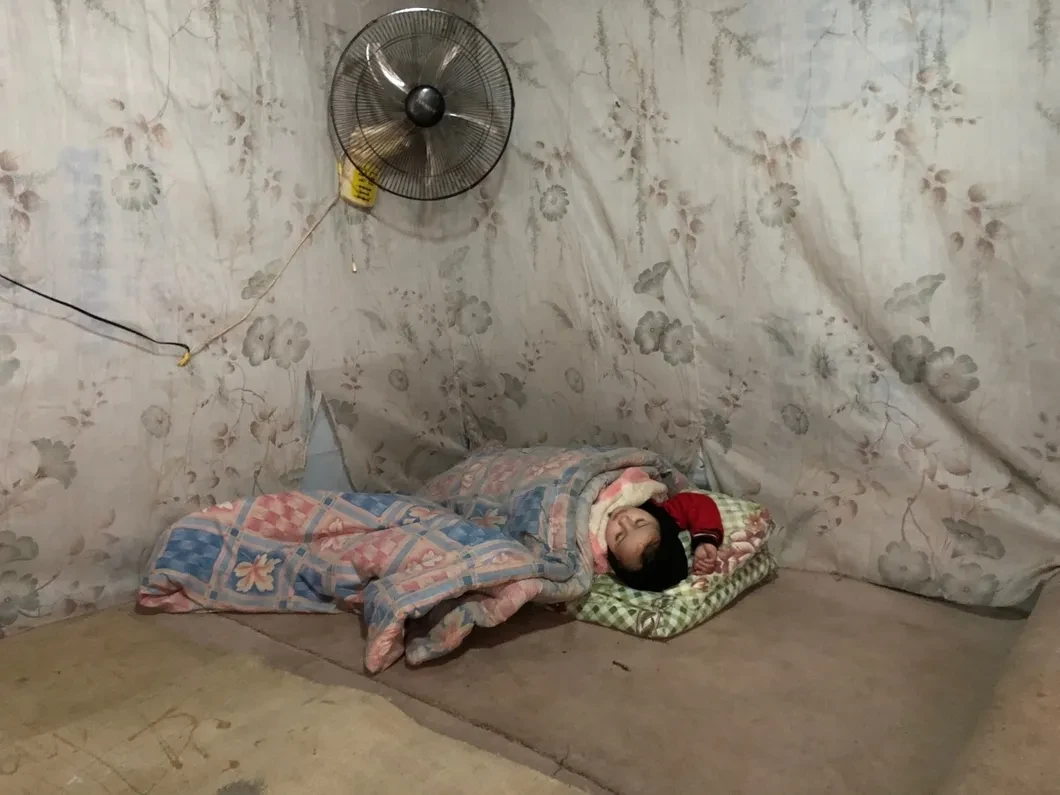
The Lebanese authorities impede all kinds of attempts to integrate refugees into Lebanese society. One of the volunteer organizations in Northern Lebanon managed to achieve the right to go to public Lebanese schools for Syrian children only in the third year of refugee stay in the country. It must be understood that these tough steps became a forced measure and corresponded to the initial installation of Lebanon-to become for refugees only temporary asylum, a transit country, from where refugees will go to other countries ready to accept them. Moreover, according to the Ministry of Defense, in nine months (from July 2018), only 55,978 people returned to Syria, and women who are suppressing the number of women. (16 925) and children (28 567).
That is, there is no need to talk about the mass relay, despite all the efforts of Russia, the declarations of Syria and the active position of Lebanon.
Why?
We decided to follow the call of General Mezentsev, the head of the National Center for the Defense of the Russian Federation and at the same time the head of the interdepartmental coordination headquarters to return refugees in Syria, and ask the refugees themselves about it.
The first Russians
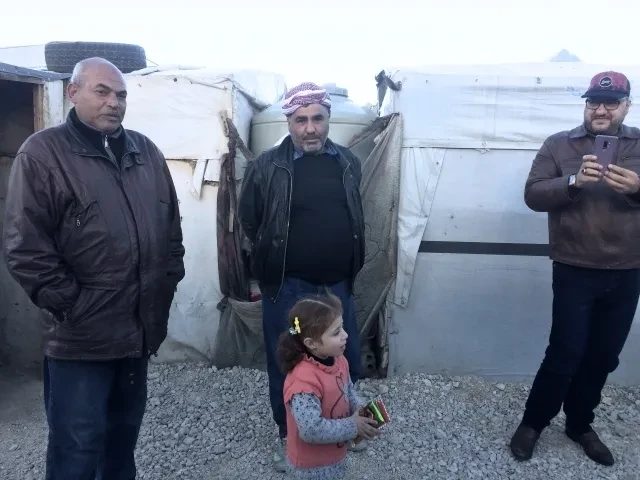
“You are the first Russians who came to us in all this time,” Ziyad Zhad, who worked before the war and even during the war, the engineer of the oil company Shell, told reporters. Ziyad is the father of six children, two of whom were born here in Lebanon, in the tent town of refugees in the vicinity of the Lebanese town of Arsel.
Around Arsel with a population of 30 thousand people over the past years, more than a hundred tent camps appeared, until recently, about 120 thousand people lived in them, now this figure is gradually declining.
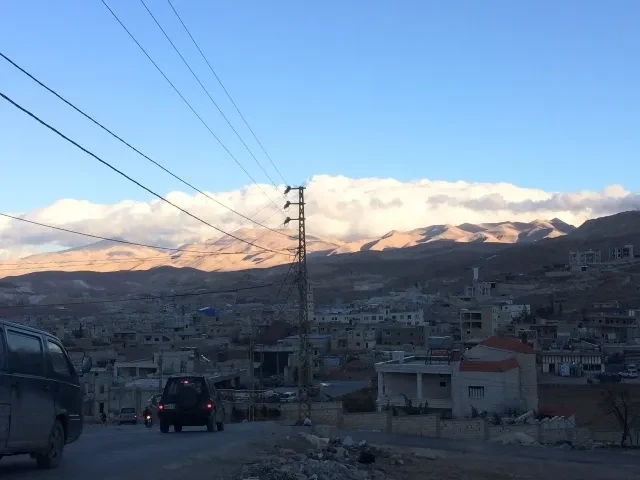
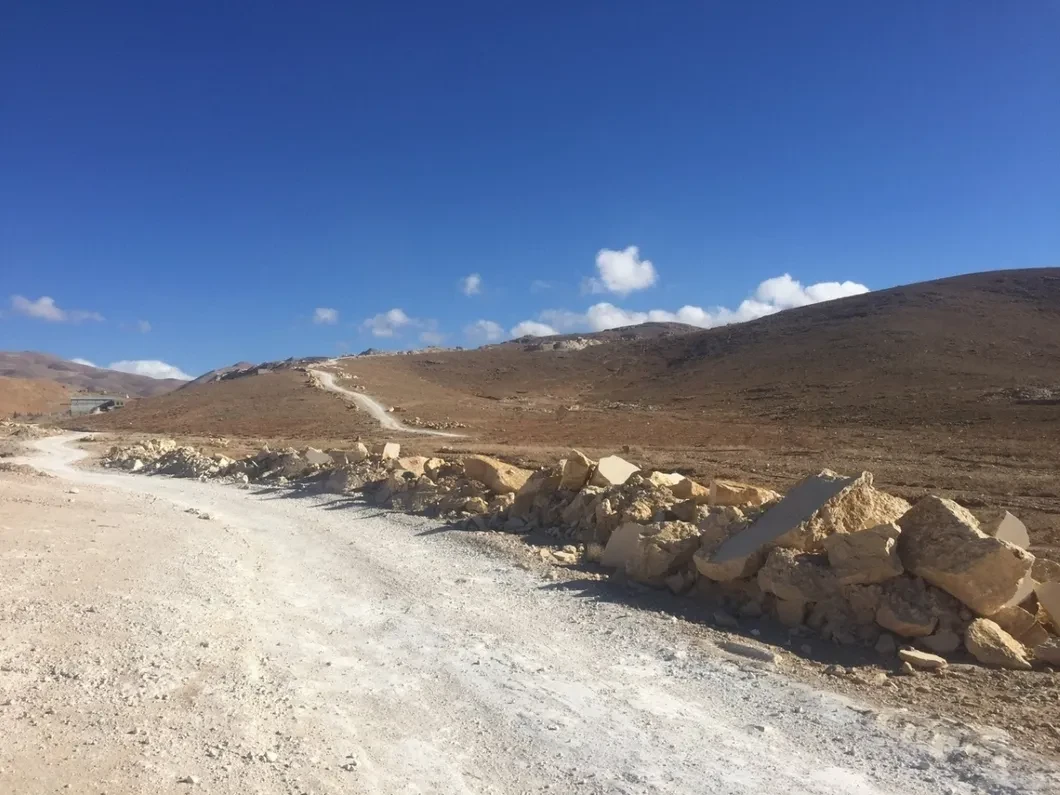
Arsel is in the foothill. A little further behind the dusty, rocky ridge of antilivan, Syria begins-the once densely populated Syrian province of Homs, devastated and destroyed by the war. If you look from above, from the mountains, then the Arsel camp is an endless silver-gray space cut into uneven rectangles. Soon after our departure, all this space will cover almost the meter cover of snow, then the snow will blow, and the tents will be knee -deep in the water. Mountains are not the best place for people's lives when, except for fragile tents, there is no roof over your head.
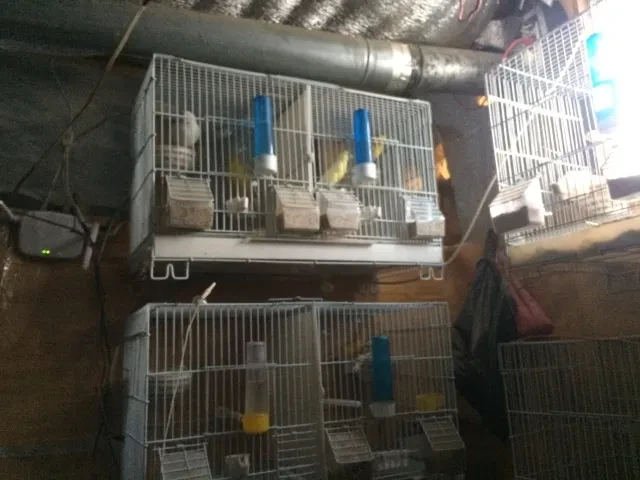
The Ziyad family lives in two such tents, in one we sit down near the hot bourgeoisie, and in the second, where the parents of Ziyad live, his wife makes some kind of dish from the dough. Canaries chirp in the corner. Dozens of cells with multi -colored noisy paradise birds ... Ziyad grows canaries for sale, so that at least a penny is earned by a meager Oon manual (while his family receives this benefit). But this fact does not cancel his almost childish delight when he shows us his bird market.
Ziyad tells his story, other refugees are gradually stuffing into the tent, and it turns out that this is the story of all families that live in this camp. All of them are from the small border Syrian town of Kuseyr of the province of Homs.
Almost everything is the Syrian middle class. Here, engineers, teachers, and doctors ... They cannot work in Lebanon by profession - they can be fined and even arrest for this.
But what they could do was to create something like a commune in their camp: they treat themselves, teach children themselves, try not to sink. Canaries are from there, from the desire to preserve human in ineffective conditions.
Before the war, only 50 thousand people lived in Kuseyra. In 2011, the city supported the revolution, and the opposition Free Syrian Army (SSA) was entrenched in it. In 2012, Assad’s troops, together with the Hezbollah detachments, began to attack the Kuseyr and fire from artillery guns. And then the city ran. Ziyad, however, was holding to the last, he hoped for something. For some time the city was divided into two parts: he and his family lived on the side controlled by the SSA, and went to the government half. He had a special pass that he presented to the checkpoint. In the half of the city that was under the control of Assad’s regime, Shabiha actively traded - a pro -government gang, through terror, imposing fear and awe in front of the regime.
“Every day when I went to work, I saw dead people on the road,” says Ziyad. - And then ... I just stopped going to work, because at any moment for no reason on this terrible road they could kill me ... "
One of the days of 2012, Ziyad decided to leave Kuseyr - first in the neighboring Nebelk, who was under the control of Assad forces, and then through the mountains to Lebanon. His family went with him: his wife, four children, elderly parents. Since then - for more than 6 years - they live in a refugee camp. At their disposal, the pinkish “refugee cards”, blankets and mattresses issued at the rate of 4 pieces per tent, humanitarian aid from UN UN UNKB - $ 27 per person per month. This money goes to the card, which can be paid only in a few stores.
Previously, 35 more of dollars from Qatari charitable foundations came, but
A year ago, under pressure from Saudi Arabia, Qatar turned all his humanitarian programs in Lebanon. For Syrian refugees, this has become a real disaster.
Ziyad told us about the last army raids, which, fortunately, his tents did not touch. (In general, for the entire life of his life in the camp, an army check came to him only once.) Army units then immediately surrounded 20 camps scattered around the district, and held mass detentions. In the camp where Ziyad and his family lives, 80 people were detained. True, everyone was released after 2 hours. We ask: “Why is it? Why delayed then? "
“Many namesakes with those who are considered terrorists and who the army is looking for,” Ziyad replies and adds: “But we have no complaints about the army, we all understand.”
There are really many people who are not taken into account as refugees in the camps. When, in 2015, the UN UN UN, at the request of the local government, stopped registering them, they did not stop fleeing the war in Syria.
Well, here are wars, they say to them, no more. Do they want to return?
“We all want to go home,” says Ziyad, and men nod him together. - We have no other way. My wife and I could leave for Europe. I am an engineer, my wife taught English literature. But their parents will not be accepted: mother 74, father 78. We all who live in this camp signed up for the lists for returning to the local department the Main Department of General Security ( it is this department that is responsible for the migration policy of Lebanon . - Ed. ). They sent lists to Damascus, and from there the answer came: no one was allowed to return home! People returned from Kalamun, they returned from Nesra. And about the Kuseyir tell us that this is the "red line". Why so?
Declarations and reality
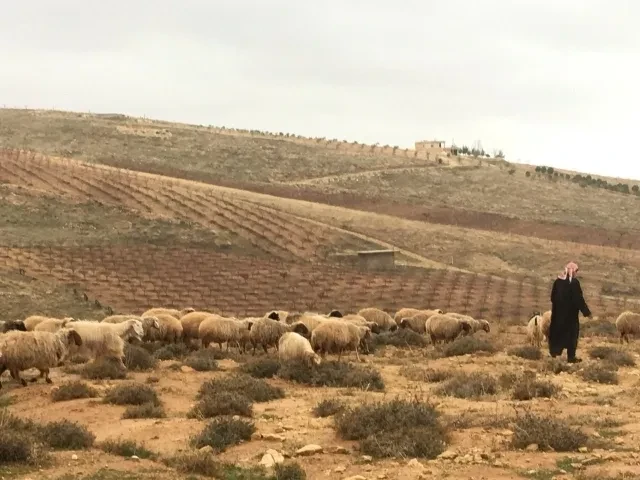
This question is directly answered by a local resident, Lebanese, the commandant of the camp. (This person collects a rent from refugees, he is also responsible for garbage collection and public order, holds in touch with the local branch of the Lebanese Army, which practices practically the role of the police).
- It's all about Hezbollah!
Named and financed by Iran, this Lebanese Shiite Party from the very beginning of the Syrian war has its own policy of active participation in the conflict on the side of Assad - exactly across the position of Livan himself, who chose the tactics of non -interference. Since the capture of Kuseyra, who was subjected to very serious destruction, Hezbollah began to build a fortified military base there. And he is not going to leave Kuseyr. Therefore, the locals are not to do with her.
For the sake of the interests of his allies, Syria does not allow these people to return.
Bashar Assad says: “To return, any day is acceptable, and there are no obstacles, the authorities are making and will make maximum efforts to help the return of refugees both inside Syria and beyond.”
Meanwhile, reality is actually far from the declarations, and the actions of the Syrian authorities so far prove only one thing: they are not very waiting for refugees at home.
Thus, the Syrian regime introduced an indispensable condition for refugees - male recruiting age - six months after the return of all of them (except for the disabled) are required to appear in the army units and serve in the government army during the year. This law is very frightened by people, and that is why, if you look at the statistics of those who returned to Syria, it will become clear why three quarters of them are women and children.
But with children everything is not easy. More recently, the UN Committee on Children's Rights said that families are fined in Syria who could not register children born during the war (because their parents became forced immigrants or refugees). Observers from the UN called on the Syrian authorities to terminate the discrimination and grant full rights to all Syrian children, since without official Syrian documents children do not have access to healthcare, education and social services.
Международные правозащитные организации неоднократно обращали внимание на скандальный закон № 10 о недвижимости, принятый сирийским правительством год назад. Из-за него миллионы сирийцев могут остаться без крыши над головой, так как сирийское правительство ввело ультимативно короткий срок для предоставления подтверждающих право на собственность документов.
Вредоносность этого закона, который позволяет лишить собственности как политических противников сирийской власти (людей, которые воевали против режима), так и заселить стратегические важные регионы Сирии лояльным населением (например шиитами из Ирака), признали даже российские власти. В первую очередь потому, что этот
закон прямо ущемляет именно интересы беженцев, которым просто некуда возвращаться.
Но самой главной проблемой возвращения является полное отсутствие гарантий безопасности. Все люди, с которыми мы встречались, говорили о том, что вернулись бы, если были бы веские гарантии безопасности, данные режимом или лучше третьей стороной, каковой могла бы выступить и Россия. Потому что в «гарантии» сирийского режима никто не верит.
В ноябре прошлого года ливанский министр по делам беженцев Муин Мерехби на специально созванной пресс-конференции заявил о том, что ему известно как минимум о 20 случаях убийств сирийских беженцев, вернувшихся в родную страну из Ливана. При этом министр подчеркнул, что в реальности жертв может быть и больше. Он привел конкретный случай, когда высокопоставленный офицер сирийской армии в деревне Баруха близ Хомса публично убил отца и двух его сыновей —13 и 14 лет, недавно прибывших из Ливана.
Свидетели случившегося сняли казни на фото и видео, и эта съемка дошла до министра.
Сирийская обсерватория прав человека, базирующаяся в Великобритании, приводит свои цифры. Так, только в октябре 2018 года ими было задокументировано около 700 арестов людей из числа вернувшихся. Волонтерская организация, работающая в Северном Ливане, рассказала нам об аресте двух вернувшихся месяц назад беженцев, которых они курировали и с которыми поддерживали связь. Но цифры эти — крохи реальности.
Ни одна из международных организаций не имеет доступа на территорию Сирии с тем, чтобы контролировать безопасность возвращающихся беженцев. ООН уклонилась от этой своей важнейшей миссии в силу политических причин. Никто толком не знает, что происходит с людьми после того, как они переходят границу. Несмотря на все официальные заявления о прекращении войны и наступлении мира, Сирия по-прежнему черная дыра.
Путь в Идлиб
Все это время только один маршрут был полностью обеспечен со стороны сирийских властей реально действующими гарантиями безопасности — путь в Идлиб.
Вследствие победоносного шествия Сирийской правительственной армии (при поддержке российских вооруженных сил) на территории воюющей страны оказались ликвидированы практически все очаги сопротивления. При этом людям, воевавшим против режима, зачастую предоставляли безопасный коридор на северо-запад, в Идлиб: на этот счет существовала отдельная договоренность между российскими военными и полевыми командирами из различных запрещенных в России организаций.
В Сети, например, ходит много роликов, демонстрирующих, как бородатые люди с женщинами и детьми грузятся в автобусы, которые сопровождают по всему маршруту полицейские машины с мигалками.
В итоге такой политики в идлибском котле оказались самые разномастные участники вооруженного конфликта и их семьи: и светская Свободная сирийская армия, и остатки ИГИЛа, и ан-Нусра, и Ахрар аш-Шам (запрещенные в России организации)…
Недавние политические заявления, сделанные сразу после саммита России, Турции и Ирана по поводу последнего «оппозиционного анклава» в Сирии, говорят о том, что этих террористов использовали в роли «отложенной мишени», и Идлиб совсем скоро может разделить судьбу Алеппо или Ракки, на фоне которых можно снимать очередной фильм о Сталинградской битве. При этом никто не говорит, что последние годы Идлиб заполняли не только боевиками, но и мирными сирийцами, которым по разным, часто и политическим причинам отказывали в праве на возращение в родные места. Отнюдь не все 3 миллиона человек, которые сейчас замерли в ожидании своей судьбы в идлибском котле, — террористы. Но многие из них могут стать «побочными жертвами» в очередной грядущей битве с международным терроризмом.
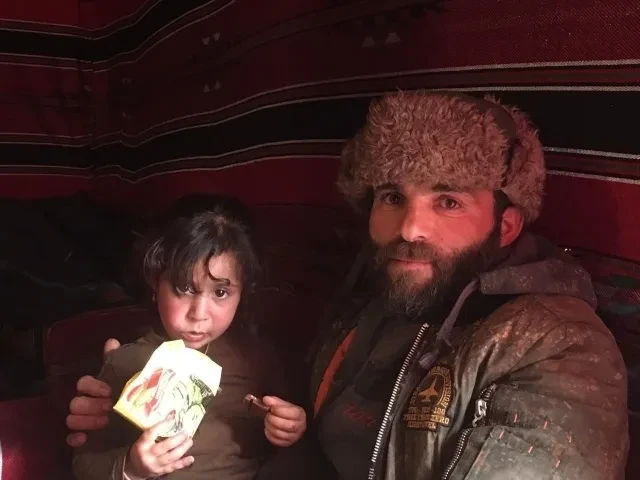
…Вот и Зияду, его жене — учительнице английского языка, шестерым детям, престарелым родителям и вообще всему «кусейровскому» лагерю беженцев было предложено беспрепятственно, безопасно и даже с комфортом переехать в Идлиб. Люди отказались от этого лукавого предложения и остались в своих нищенских палатках. И только когда мы, «первые русские», уже уходили, Зияд попросил.
— Расскажите о нас вашему послу. Может быть, он донесет нашу беду до российского руководства. Может быть, хоть Россия поможет нам вернуться домой.