Easy people say that when you lose your vision, the whole world narrows to a small circle with a radius of a meter, inside which you can reach your hands. Without special assistance, it is almost impossible to go beyond this circle.
For the blind in Russia, only three special centers work, in which they are actually taught disabled people with vision. The oldest of rehabilitation institutions is located in the city of Biysk in Altai. It accepts vision from all over Siberia - from the Urals to the Far East. Reporting "present time".
The Biysk Center opened in 1953 and was originally called a school of restoration of the blindness of the blind. It was founded by Mikhail Naumov, a front -line soldier, who lost his vision in 1943 in the battle of Kursk. He did not put up with his blindness and headed the center, which he led 40 years. Naumov found the meaning of life himself and helped thousands of blind people from all over the country.
Every year, 160-180 invisible pass through the Biysk Center. The courses are divided into two parts:
Social rehabilitation, where they teach vital skills: how to cook food, wash and iron clothes, navigate in the city,
Professional training for possible employment.
EmbedShareEmbedShare The text of the copy WidthPXHeightPX The url has been copied to your clipboard
No Media Source Currently Available
0:000:02:210:00
Four times a year, groups of several dozen people come here. The training is conducted by classes of five to six people. Men and women are engaged in separately: teachers say that no one is distracted in the classroom and knowledge is better absorbed. One training course is designed for two and a half months.
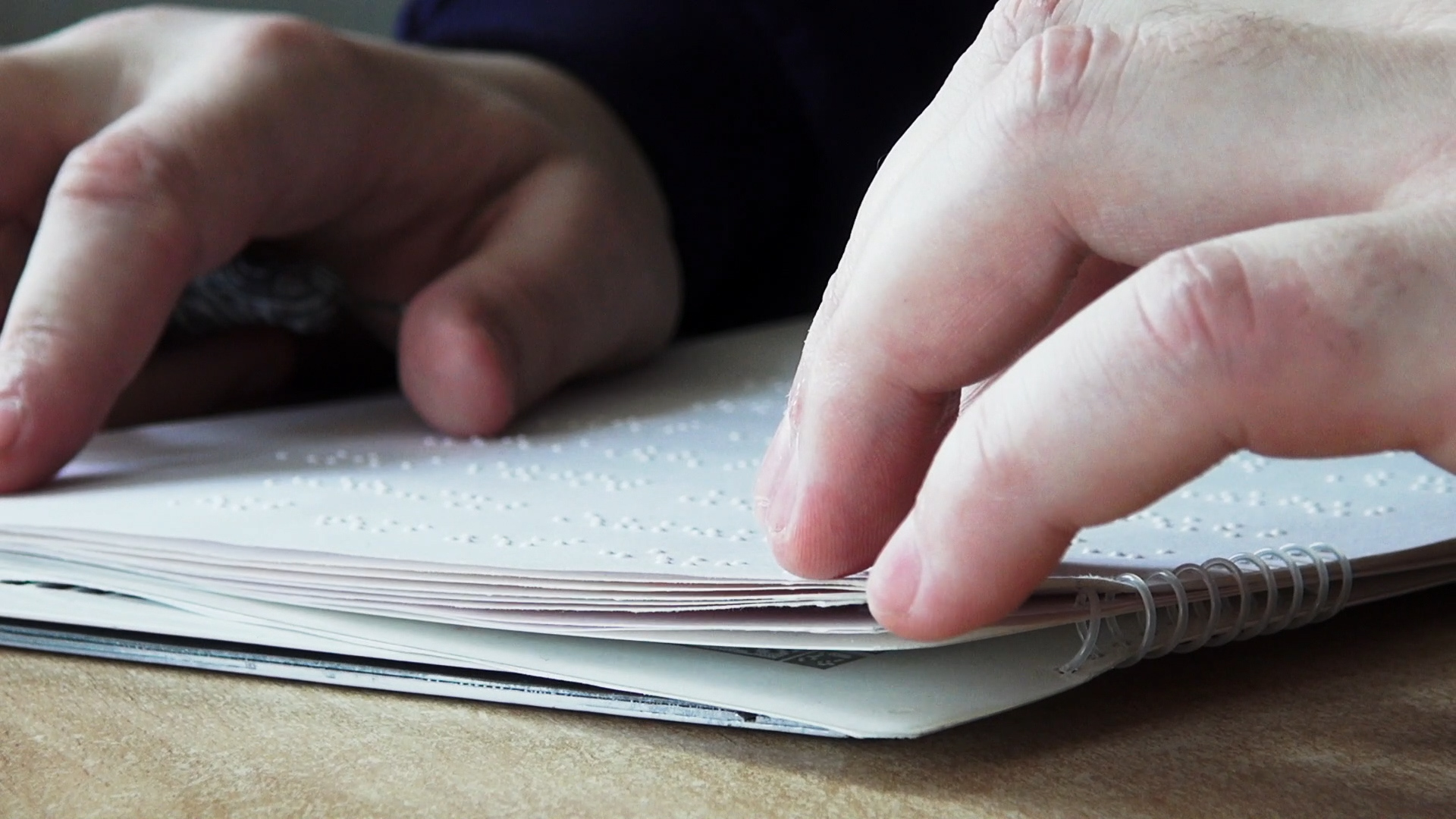
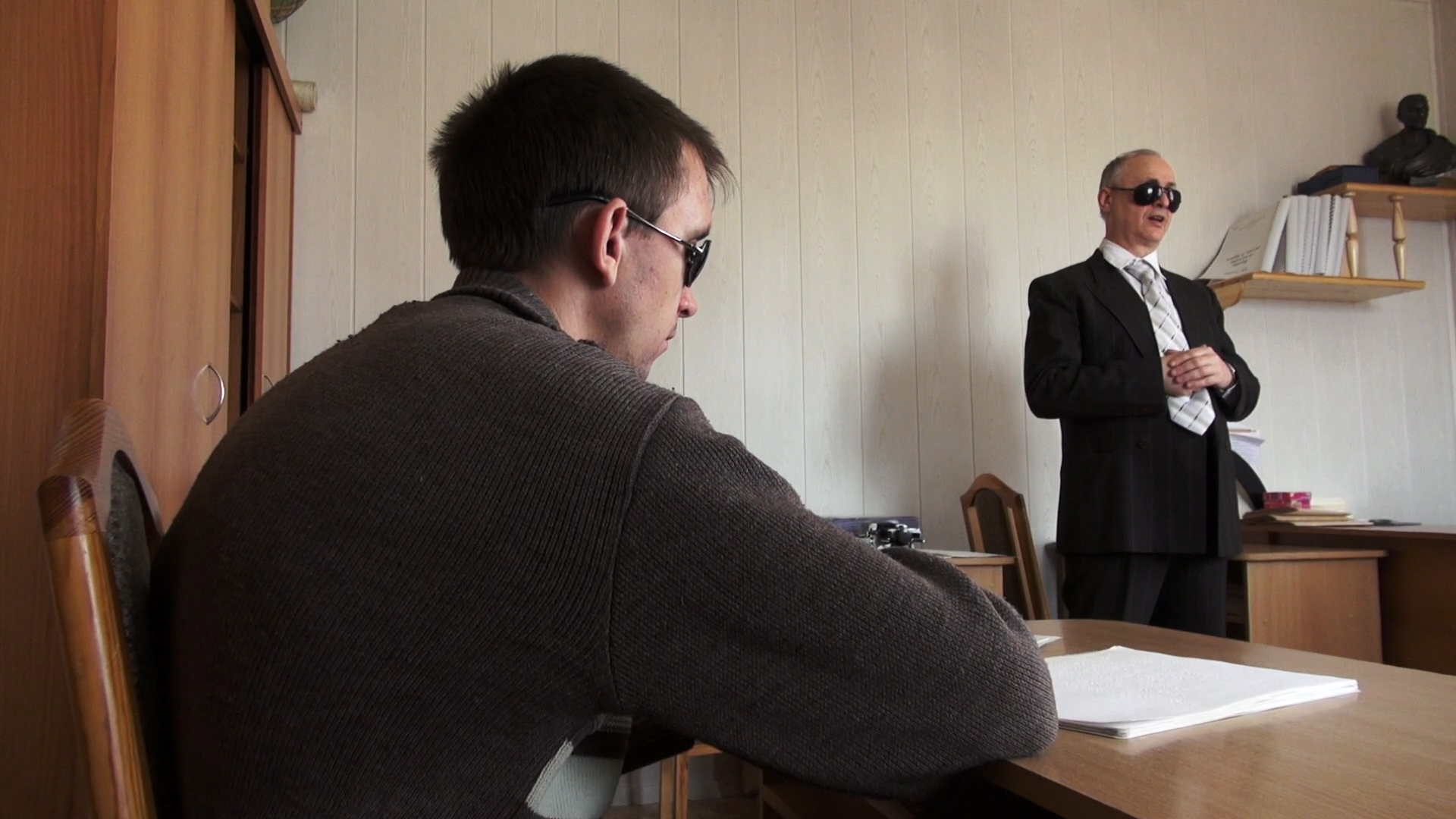
But the very first thing that everyone who gets into the center learn is to read and write according to the Louis Braille system. Brill are released with the font of books and magazines, the names of drugs on packages and information signs in institutions are written.
Lecturer Viktor Filippovich 35 years ago was trained in this center, stayed here and began to teach others Bryl and music. "If you count everyone I taught something: the Braille system, the game on the guitar, singing-it probably turns out thousands of two and a half or three!" - he says proudly.
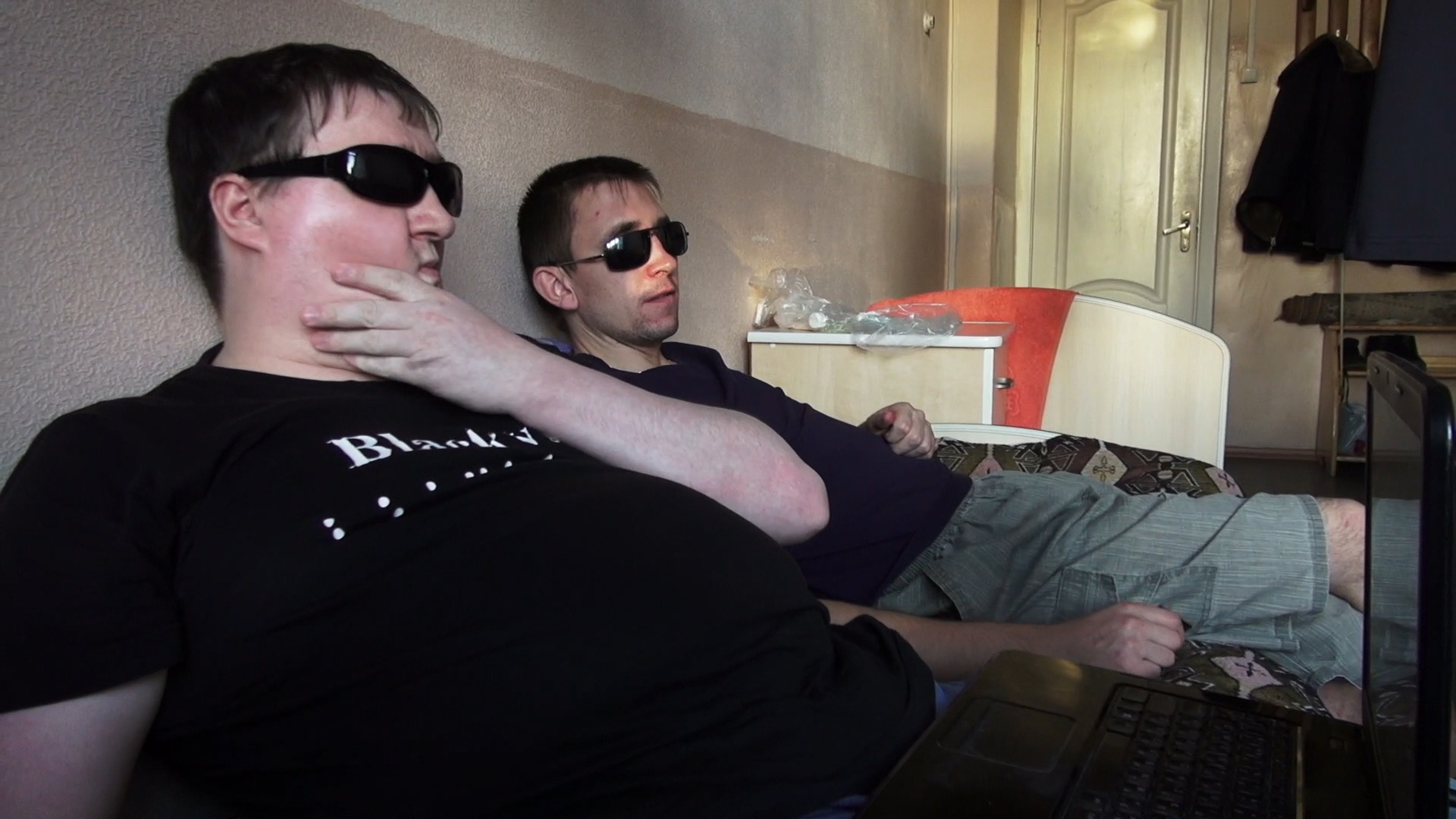
In the morning, students have classes, and then packets and homework. At the training center there is a hostel, to it from a building with classes less than a hundred steps. But for most blind ones, especially those who have lost their vision recently, this is a serious problem.
Pupils of the center say that when you lose your vision, the whole world taps to you to a small circle with a radius of a meter - that is, to the space that you can find with your hands. And in order to go beyond this circle, you need to actually learn to live again.
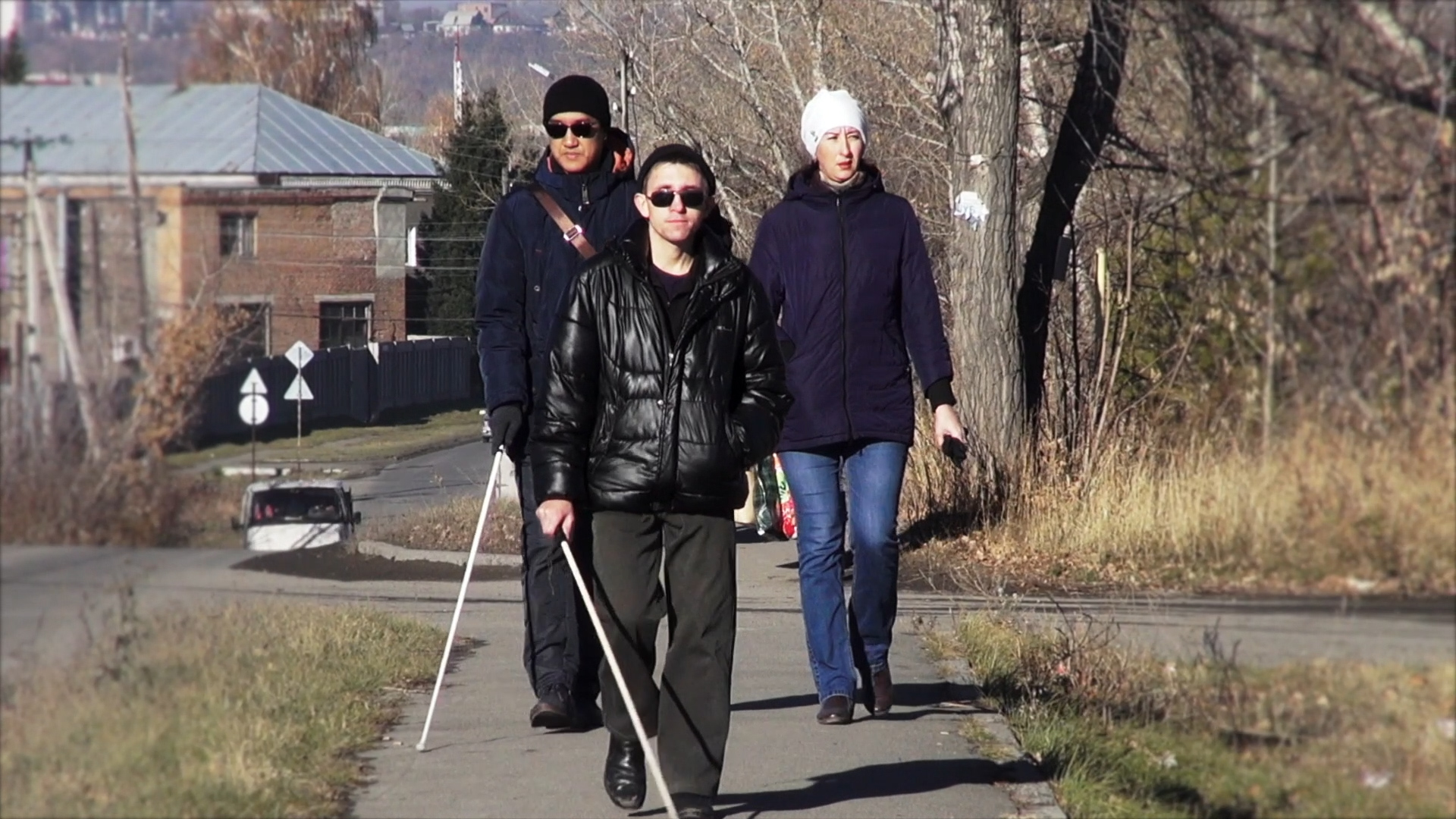
In order for blind students to learn how to walk on their own, go to shops and even go to work, teachers conduct special classes on spatial orientation for them. Typically, at these lessons, teachers work in pairs: one - a sighted one - studies the situation, and the other - the blind - shows an example.
The ethnic Korean from Yuzhno-Sakhalinsk seems to Pasha, although his name is Dun Gir. Until recently, he was an ordinary successful young man and lived an interesting rich life.
“I earned very well, traveled a lot. And now, accordingly, so on the time - and life has changed sharply in one click,” says Kim Dun Gir.
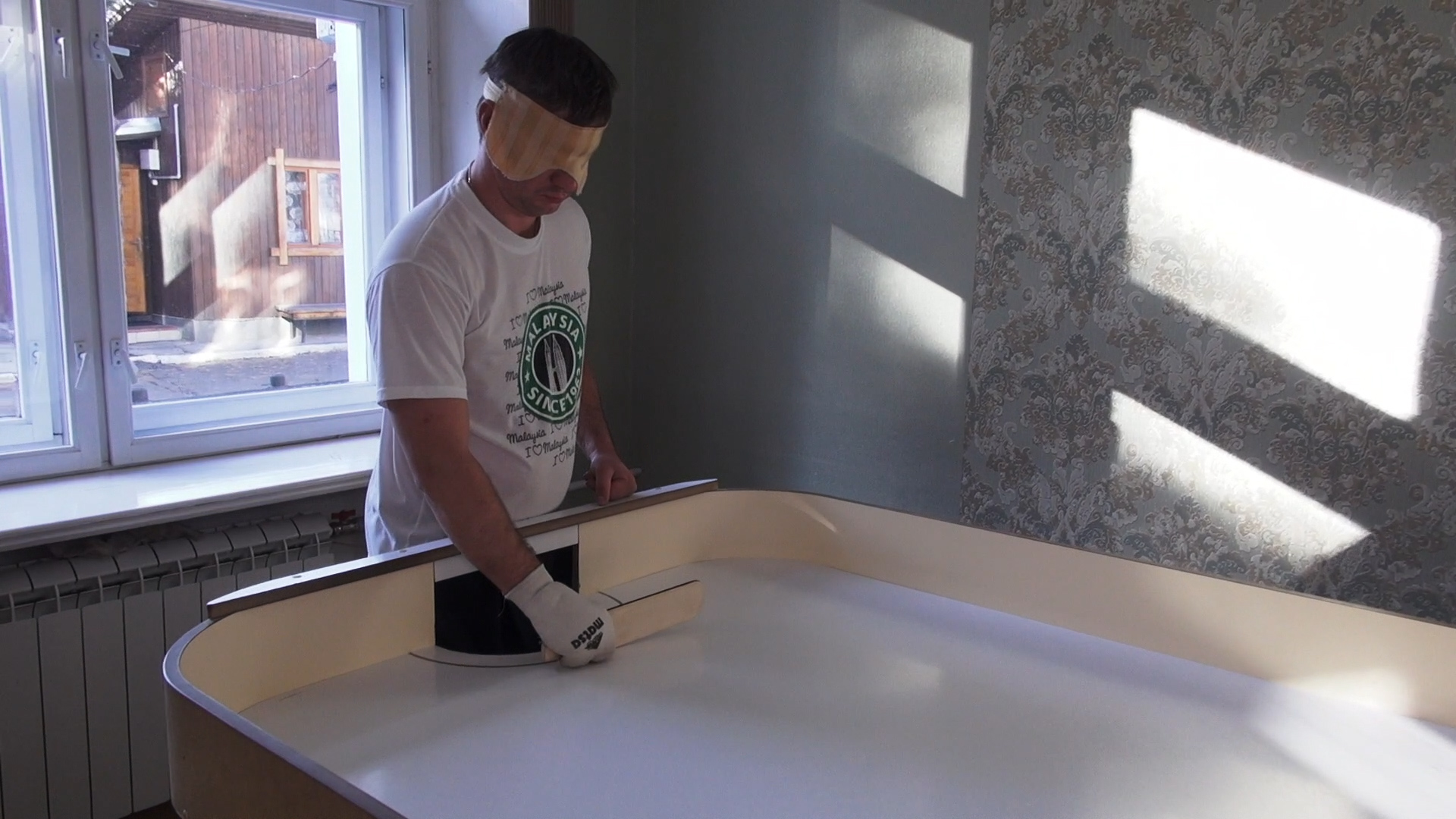
Most of the blind in Russia live on a small state pension. But many, especially young ones, do not lose hope of finding a job using skills obtained in the center: work on a computer, carpentry and others. In the carpentry workshop, blind students touch, score nails and strict, and after several months of classes they even make copent furniture, about which you will never say that it was made by the blind.
But employers in Russia, as a rule, still prefer sighted employees.
“Business will always go along a simple path: it will not work with complex categories, it is definitely,” says Artem Astanan, the current director of the Biysk Center. He is the son of the previous director, who was blind and spent his whole life among the blind.
Employment of graduates is not the only problem that is facing the school.
“The state understands that there is such a problem. It understands that it is necessary to work in this direction. But the state may not have enough knowledge, and the state,” Artem believes, ”the All -Russian Society of the Blind, and the management apparatus prove the need for the work that we are conducting social rehabilitation and professional training of visual disabilities. Every year we must substantiate the need to allocate funds. This It’s hard, because we work for a year and understand that the next year is not guaranteed for us in our work. ”
Mir with a radius of a meter • Siberia.Realities • RIMA — Russian Independent Media Archive