
Translated material
Gorbachev time
At the critical moment of the history of the country, the Brezhnev patriarchs were able to give way to a man of a new style
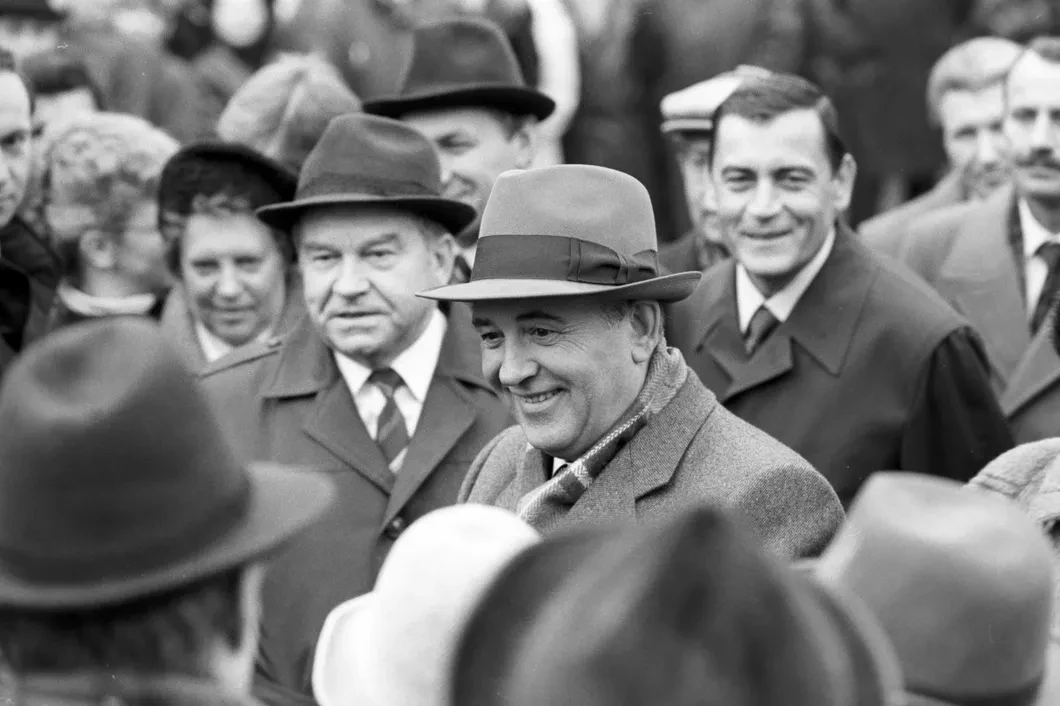
Anatoly Chernyaev, an employee of the International Department of the CPSU Central Committee, has been a diary from the beginning of the 70s, in which the Soviet leaders lived and made decisions. By the last years of Brezhnev’s reign, Chernyaev plunges into despair: the clouds of the country were thickened.
In the Kremlin, the elders are sitting, whose average age exceeded seventy. The Politburo sometimes cannot get together physically, because almost all participants in the meetings are sick. Against this background, the Kremlin authorities are interested in alternative medicine, psychics are in fashion, for example, Juna. While in party receptions, members of the CPSU show expensive foreign clothes, ordinary people stand in lines for any goods. Anti -corruption cases, including against the leadership of the Ministry of Internal Affairs, are not given a move. On TV, ritual meetings are shown almost daily, at which the highest persons of the state reward each other with orders. The decision -making system in the state depends entirely on the omnipotent referents that control the “access to the body”. During these years, the USSR introduces troops to Afghanistan, relations with the United States and NATO after a short discharge period are rolled to the times of the Caribbean crisis.
After the death of Secretary General Chernenko, five years later, something inexplicable by the logic of stagnation occurs. To the highest position in the country, bypassing the Minister of Foreign Affairs Andrei Gromyko, in which many saw the successor of the previous course, the youngest member of the Politburo Mikhail Gorbachev is elected. The awards on TV are urgently stopping, the new Secretary General himself is holding meetings of the Politburo, party documents are corresponded for the nearest congress: it can no longer continue.
At the critical moment of the history of the country, the Brezhnev patriarchs were able to give way to a man of another generation and a fundamentally different style. This is how real transit of power in the conditions of totalitarianism looks.
The situation that is not easy to explain to political science, but in which there is a considerable lesson for us today.
After 1985, Russia has a chance for a normal life, or, as it is called by those who very soon begin to cancel censorship and introduce market elements, on “socialism with a human face”. In the West they rejoice, Gorbachev has a very good reputation after his visit to Italy and a meeting with Margaret Thatcher. He is the first leader of the Soviet state, not involved in Stalinism. Chernyaev becomes an assistant to Gorbachev in international affairs and, knowing that he is participating in history, continues to keep his notes.
Gorbachev demonstrates further life that politics becomes a dirty business only for those who carry dirt into it. At the First Congress of People's Deputies in 1989, people's deputies were in the face of the Secretary General of the Secretary of General said everything that they were thinking about the situation in the country, and criticized the head of the state, and he listened. Gorbachev could deprive his career and the opportunity to speak out publicly in the Brezhnev style, first of all, Yeltsin, first of all, but never did this. Gorbachev could fight for personal power and call for a civil war, but preferred another way. His example suggests that you can pass the test of higher power and withstand it without divided.
On March 2, Mikhail Gorbachev, the head of Russia, who did not declare war, but stopped them, turned 88 years old. We still live in his historical time - when Russia says goodbye to its 20th century.