
Translated material
"Prussianness is no longer such a problem"
How the parliamentary elections in Estonia went, where nationalists and opposition won
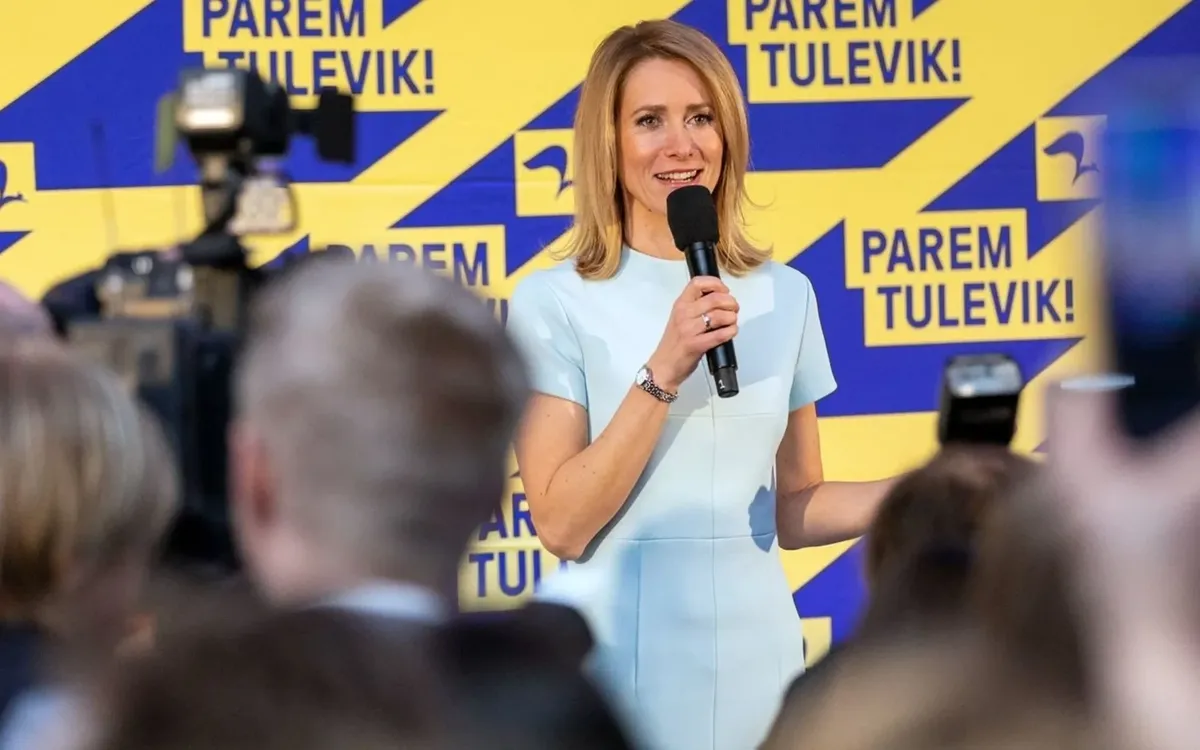
In Estonia this Sunday, parliamentary elections were held. The Central Party traditionally protecting the interests of the Russian -speaking population, which before that for two and a half years occupied the majority of places in parliament and government and determined the country's policy, took second place, losing only one mandate of the Liberal Party of Reforms. Suddenly a high result was shown by the conservative folk party EKRE, which acts with sharp nationalist slogans and opposing European integration - it took third place.
Winners and losers
One of the leaders of the centrists electoral list, the chairman of the city assembly of Tallinn, Mikhail Kylvart, called the second place “technical defeat” - according to him, the high ratings of the party convinced her supporters of the inevitable victory, so some voters simply did not reach the plots. Indeed, in those regions where the most Russian-speaking population traditionally lives-first of all, this is the eastern Ida-Viruma region-this time the turnout was lower than in previous elections.
According to the political scientist, Peeter Time, the defeat of the centrists is explained not only by the low turnout, but also by their policy for two and a half years, primarily the “tax chaos” that they created.
“They pursued a policy of constantly raising excise taxes,” said the Time of Novaya Gazeta. - Estonia in the last few years is a world leader in rising prices for almost everything.
Compared to Norway, which has always been an expensive country, prices in Estonia no longer seem high. ”
At the same time, according to the political scientist, the fact that the party lost only one mandate, and not more, compared to previous elections, is the merit of Russian -speaking voters.
The Center Party positions itself as the only defender of the interests of the Russian -speaking minority,
Therefore, the Russians, even being dissatisfied with its economic and tax policy, still vote of this party.
The ethnic factor is generally strong when voting in all Baltic countries. By the way, she made a bet on him - but unsuccessful - the new Estonia 200 party, formed before the elections. In January, posters appeared at one of the stops in the center of Tallinn. On the one hand, the posters read the “only Russians here”, on the other, “only Estonians are here.” Thus, Estonia 200 decided to raise the issue of segregation in society, but the electorate did not appreciate this approach: the party’s rating fell from 10%, and on the voting day it gained 4.5% and could not go to parliament.
The party changes the image
At the same time, the attitude in Estonia to the main "pro -Russian" party is very different from the neighboring Latvia. In the last elections to the Latvian parliament in October last year, the “pro -Russian” “consent” won, but all other parties immediately stated that they were not ready for cooperation and would not join him in the coalition. As a result, the “consent” once again won the elections, but remained in the opposition.
The centers in Estonia do not have the status of “outcasts”. Negotiations on creating the coalition will last the coming days, but the "Party of Reforms" does not exclude that it will create a coalition with centrists. The "Reform Party" said that the only taboo for them is cooperation with the nationalist Ekre.
The image of the Center Party has changed a lot in recent years. Since 2016, its leader is the current Prime Minister Yuri Ratas, an economist by education, a forty-year-old ethnic Estonian who has a better state language than Russians. Before Ratas, a party for 25 years in a row, since its founding, was led by Edgar Savisaar, the first Prime Minister of Estonia after the restoration of independence. In the early 90s, he held the position of vice-speaker of the parliament, but after the scandal with his participation on the illegal recording of private conversations of politicians, he was forced to resign.
Since then, Savisaar, mainly, has been engaged in politics at the Tallinn level, worked for several terms as the mayor of the city. At the same time, he regularly found himself in the center of scandals -
So, in 2010, he was accused of using the funds received from Russia to finance his election campaign.
In 2016, the Estonian prosecutor’s office opened a criminal case against Savisaar, accusing him of receiving bribes and embezzlement of budget funds. At the end of last year, however, the court terminated the criminal case due to the inability of Savisaar for health reasons (several years ago the former mayor amputated the leg due to the infectious disease).
“While the centrists were led by Savisaar, they were completely excluded from coalition negotiations,” says Peeter Time. - As soon as Savisaara was shifted, the party became a handshake. Prussianness is no longer such a problem. ”
"Russian questions"
At the same time, the political scientist recognizes: for the Russian -speaking population, the second place of the centrists is a bad signal. The winning “Reform Party” before the elections raised the question of translating all schools into Estonian - a similar reform is now taking place in Latvia.
The recently, President of the country of Keresti Kalyulay, also spoke in defense of the transfer of education to Estonian. According to her, this path "will ensure the protection of independence, language and culture of Estonia and create equal opportunities to all residents."
In fact, the only ones who still advocated the preservation of education in Russian - and even then, with reservations - there were centrists.
Now, especially if the centrists remain in the opposition, nothing prevents the reform from the reform.
Choose a parliament on the Internet
If you distract from politics, another interesting detail of the Estonian elections is a gradual replacement of traditional URN with ballots for electronic voting.
In this sense, Estonia Pioneer-she was the first in the world to create a national election system via the Internet, the first online voting took place in 2005.
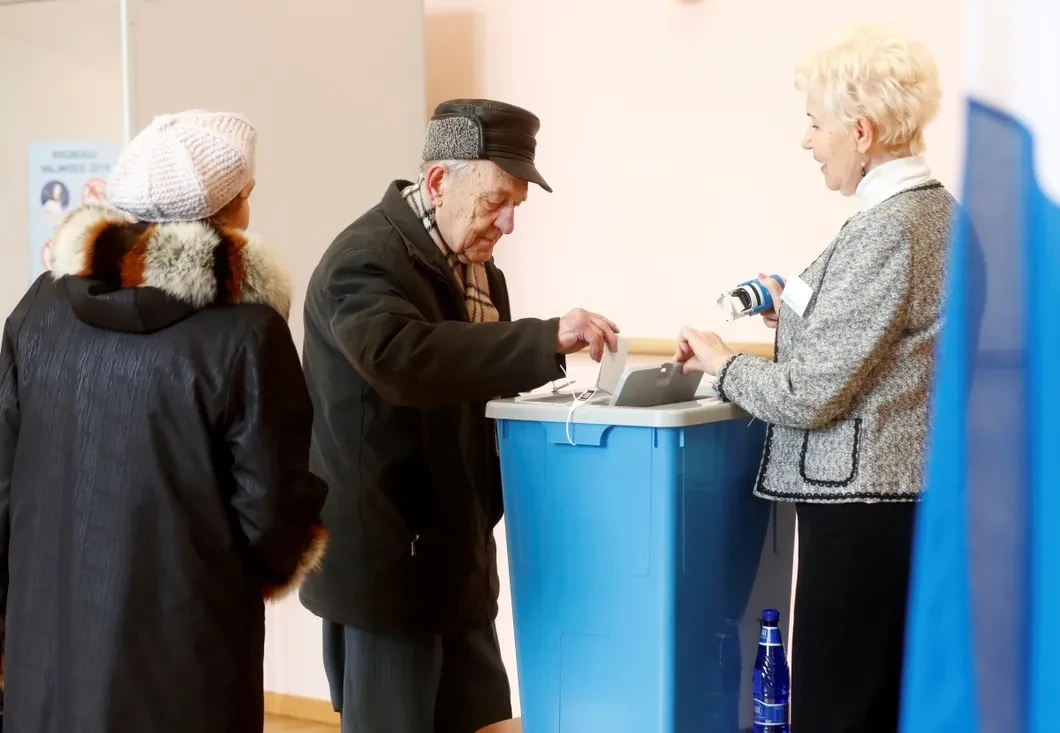
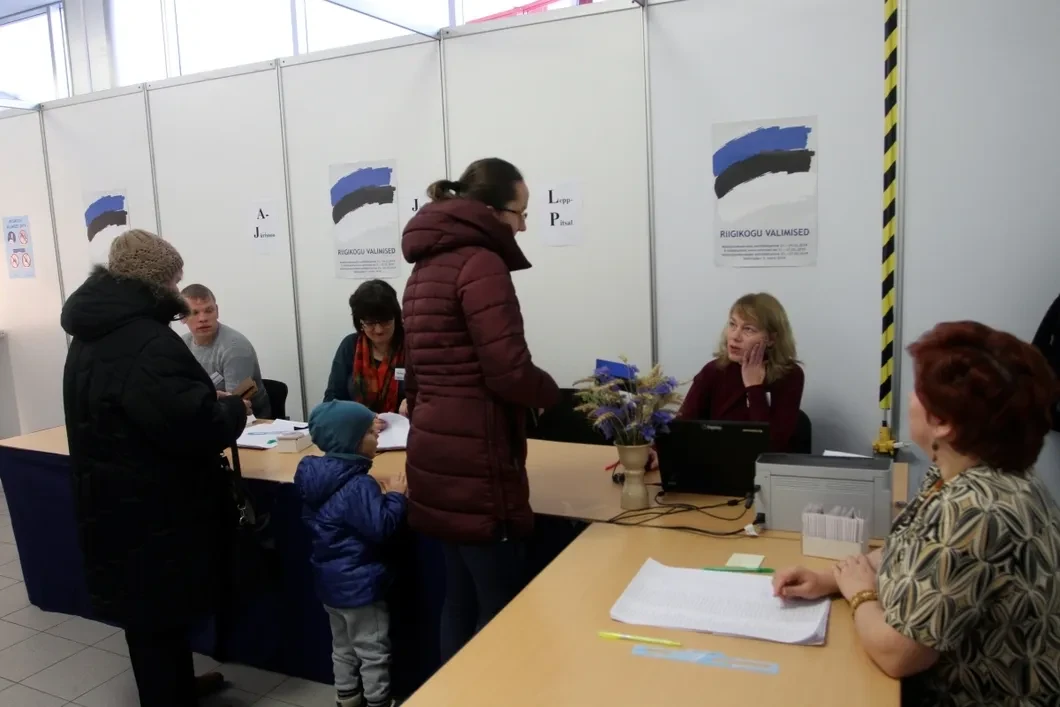
More than 25% of voters voted in these elections over the Internet - the rest so far prefer to go to the site.
The electronic voting system is simple: for this you need to go to the election page and download the special “Voter application”. Verification occurs using a personal ID card. Next comes the notification to the phone that the voice has been taken into account. At the same time, the voter can change his decision by an unlimited number of times - only the last voice will be counted. Electronic voting begins two weeks before the election and ends in front of the voting day itself.
“Our studies show that electronic voting is at least as safe as traditional,” the representative of the Central Election Commission of Estonia Christie Kirsberg told Novaya Gazeta. “We did not have any incidents that could violate the confidentiality of the voter or influence the election.”
According to Christie Kirsberg, over the past 14 years, the electronic voting system has constantly improved - in particular, in recent years, the option has appeared to check its vote in the election of the election commission. In addition, before each election, the system is checked for strength: experts imitate various cyber attacks to make sure that it will withstand them.
“Electronic votes are encoded - and can be delayed only after the end of the voting procedure,” says Christie Kirsberg. -To decorate one voice, you need to simultaneously use the keys that 5-7 members of the election commission have. In addition, as with ordinary voting, when calculating electronic voices there are observers who have passed special training before. ”