
Translated material
Double waste
Why are Russians opposed "garbage reform"
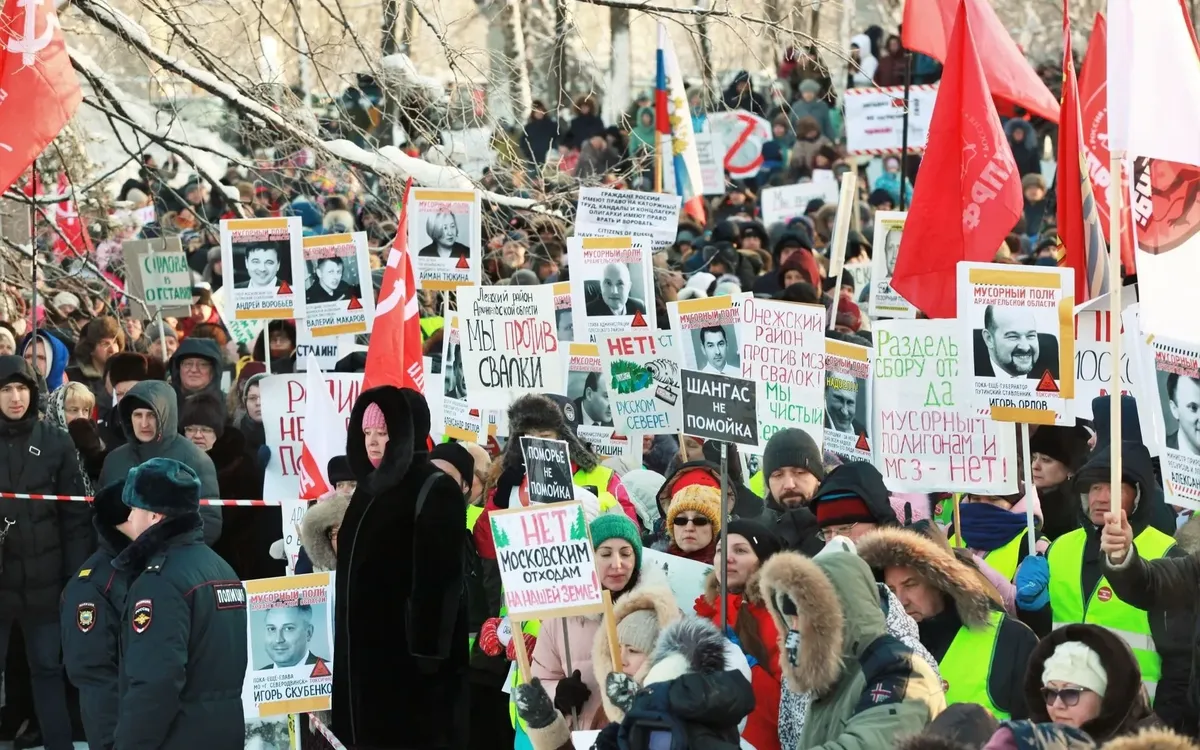
Russian citizens felt the first fruits of the “garbage reform”, introducing new principles of municipal solid waste (MSW) since the beginning of this year. The environmental situation in the country has not improved, and the garbage processing market is as opaque as before. But citizens received new housing and communal services, the contents of which many did not like.
According to the new rules, from February 1, the garbage collection service is paid at a separate tariff (calculating from the number of residents, rather than the area of the apartment) and is excluded from the housing payment. But in 36 cities, despite the requirement of the legislation, the fee for the export of TOI was preserved in the graph of payment of housing services, the ONF report said. That is, for the treatment of waste to citizens a double account was set - both at the general receipt of housing and communal services and at a new tariff.
The situation with housing and communal services tariffs this year is stressed. People are worried about the increase in the overhaul and the rise in price of heating, which will accelerate in connection with the double indexation of tariffs this year. In the absence of a competitive market and transparent rules of the game, resource -supplying organizations freely shift the increase in VAT to the shoulders of consumers.
“Garbage Reform” in this context can become a catalyst for social unrest comparable to pension protests. For a city resident, the payment for garbage collection in the total cost of payments is not so significant, but
Rural residents will now pay 2-3 thousand a year depending on the region, says Konstantin Krokhin, chairman of the Moscow housing organizations.
Moreover, the regional scatter of tariffs for export 1 cubic meters. Moner reaches 27 times, calculated in the audit and consulting network Finexpertiza.
The essence of the "garbage reform" is as follows. Since the New Year in 80 Russian regions (with the exception of three cities of federal significance in which the reform will begin in 2022), operators have appeared responsible for the removal, processing and separate collection of garbage. It is assumed that each company substantiates tariffs for the population based on its costs: transportation costs, storage of garbage and paying taxes.
In fact, competitive procedures leave much to be desired. Some re -operators, according to ONF checks, look like typical “gaskets”: these are companies with an authorized capital of 10 thousand rubles and with one employee on the state. In the Rostov region, the population is collected by a new operator related to the federal center, and old residents are carried out all the work on the export, Krokhin knows.
And even if the tariff for garbage collection is economically justified, due to the lack of public control, people are sure that the numbers in the receipts are taken from the ceiling.
Preparations for reform were in the backstage and largely reduced to the distribution of state contracts. As soon as the country covered the “garbage riots” and it became clear that it was urgent to take some measures, the state began to fill the problem with money. But budget funds were predictably settled in the pockets of large monopolists.
“The budget system allocated an unexpectedly large amount of money to organize the processing chain. But at the same time, it turns out all the time that many of those who won the competitions a few years ago are still exporting garbage in the “grandfather’s way,” Krokhin is indignant. Few people invest money in new processing capacities and promised “high technologies”.
The poor regions are facing an unenviable fate, as in the case of the Arkhangelsk region, where the plant for waste from Moscow has been building a plant since last year.
Taking garbage to the vast expanses of Russia and burning it there without unnecessary troubles with utilization and processing, receiving subsidies from the budget for this-so far the most attractive business model for Russian operators. At least, it is this impression that the Russians have: since the beginning of the year, protests against the “garbage reform” swept to dozens of cities.
Ultimately, the garbage crisis is a reflection of the general degradation of the housing sector, where there are practically no independent operators and transparent pricing. Tariffs are growing, and the quality of services does not increase - the population is noticeably annoying. The “garbage reform” continues to smell bad, Krokhin concludes: if there are no cardinal changes for the better, it can become a powerful impetus for social protests.