
Translated material
Phosgen disperses
In MMSI on Petrovka, on March 25, the exhibition of Pavel Seplnov “Promzon” (curator - Daria Kamyshnikova) is ending - ascetic and spectacular suite about the abandoned territories of secret chemical production. The great resonance and sympathy of the public and critics from Moscow to New York and London talk about the wave of a new request for social art: from the commentary on modernity, it becomes a reflection of the expectations of the future. For Sepa himself, the exhibition also became a new step - in it he seemed to compress his art system, uniting the problems with which he worked over the past ten years.
 © Pavel Sepa. Aksenov Family Foundation Auto service (2013). Canvas, oil. 200x250
Pavel Sepa is known as the author, who proposed in the early 2010s a new, detached and attentive, look at Russian everyday life ( “internal Degunino” , later “shopping center” , “neon landscape” ). In search of an independent way out of the Soviet, he combined the topics of memory and social sensitivity with a cold panoramic vision taken from the masters of the Dusseldorf school (the architecture of the paintings of the individual, their special distance and some color ratio genetically go to Andreas Gursky). Another support for his method was the late painting of the sixties, who - such as Pavel Nikonov, were released from the stiffness of the harsh style, overshadowing the canvases with flashes of the Sun. Turned in the photographic perspective, the landscapes of a separately drowned in the influx of fluorescent and twilight light. Light shadows were registered in one layer.
Richter and Gurski became a kind of antidote of late Soviet painting for the individual: without him, the risk was too great inside the haze, with which Roginsky, Nikonov, and Faybisovich, and explosions worked differently. In addition, it is important that the artists of the Duusseldorf school offered a different way of working with national injury, different from the Soviet. Along with the recognizable abstraction of the post-Soviet urban outskirts, these elements formed the basis of the work of the individual and the mid-2010s.
Fragments of the installations of "Monkey" and "Klaus" (2016)
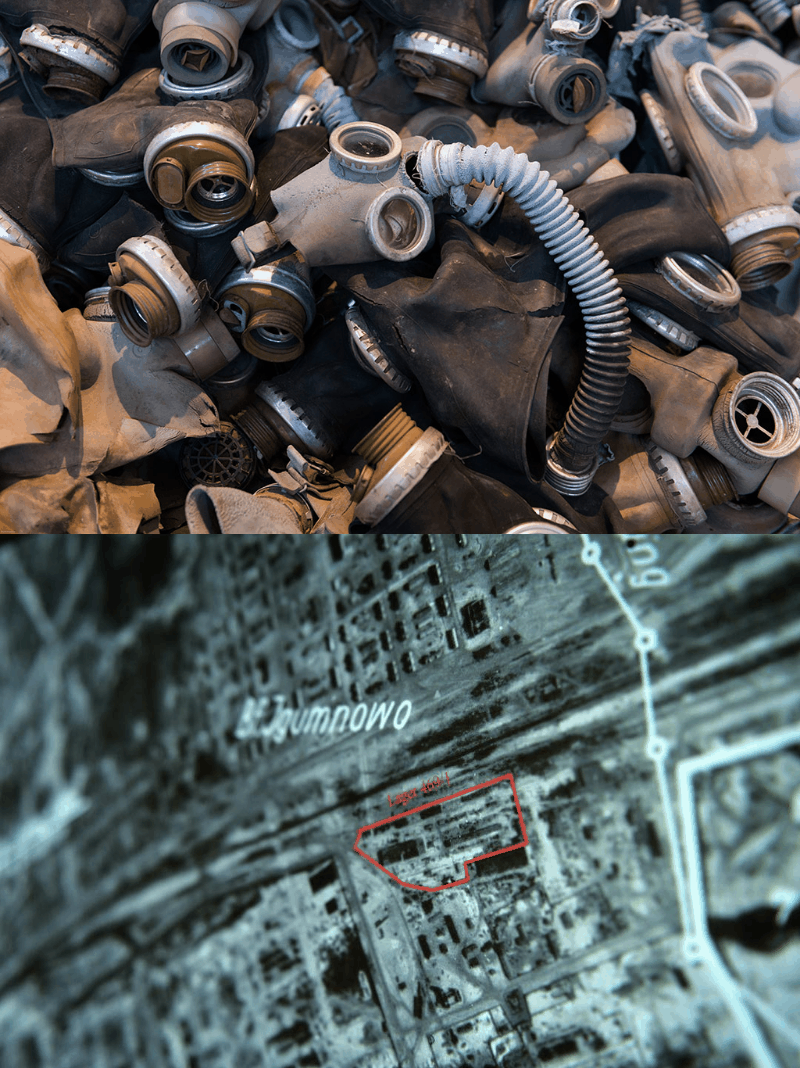
The current industrial zone project is divided into clear exhibition chapters - “Traces”, “Ruins”, “Board of Honor”, “Museum”, “Sand”, “Stone”, “Kino -ZAL” - and attracts just this narrative. The plan is based on the history of three generations of the artist’s family, who since 1939 have worked at the chemical plants of Dzerzhinsk. The combination of painting with photos, videos, objects and documents refers to the modern exhibition mainstream. Individuals often acts as a digger or stalker: he dumps the decayed gas masks on the ground in front of the audience, measures the snowy pits of the cellars - the graves of abandoned village houses, offers to breathe the smells of chemical waste or to inspect the graphite rods that had recently drowned the furnaces. The acuteness of these testimonies is given by the remarks of the father of the artist, Alexander Nephenynov, from the book of memoirs “Do not enter without a gas mask!” Published by the Triumph gallery as an addition to the catalog.
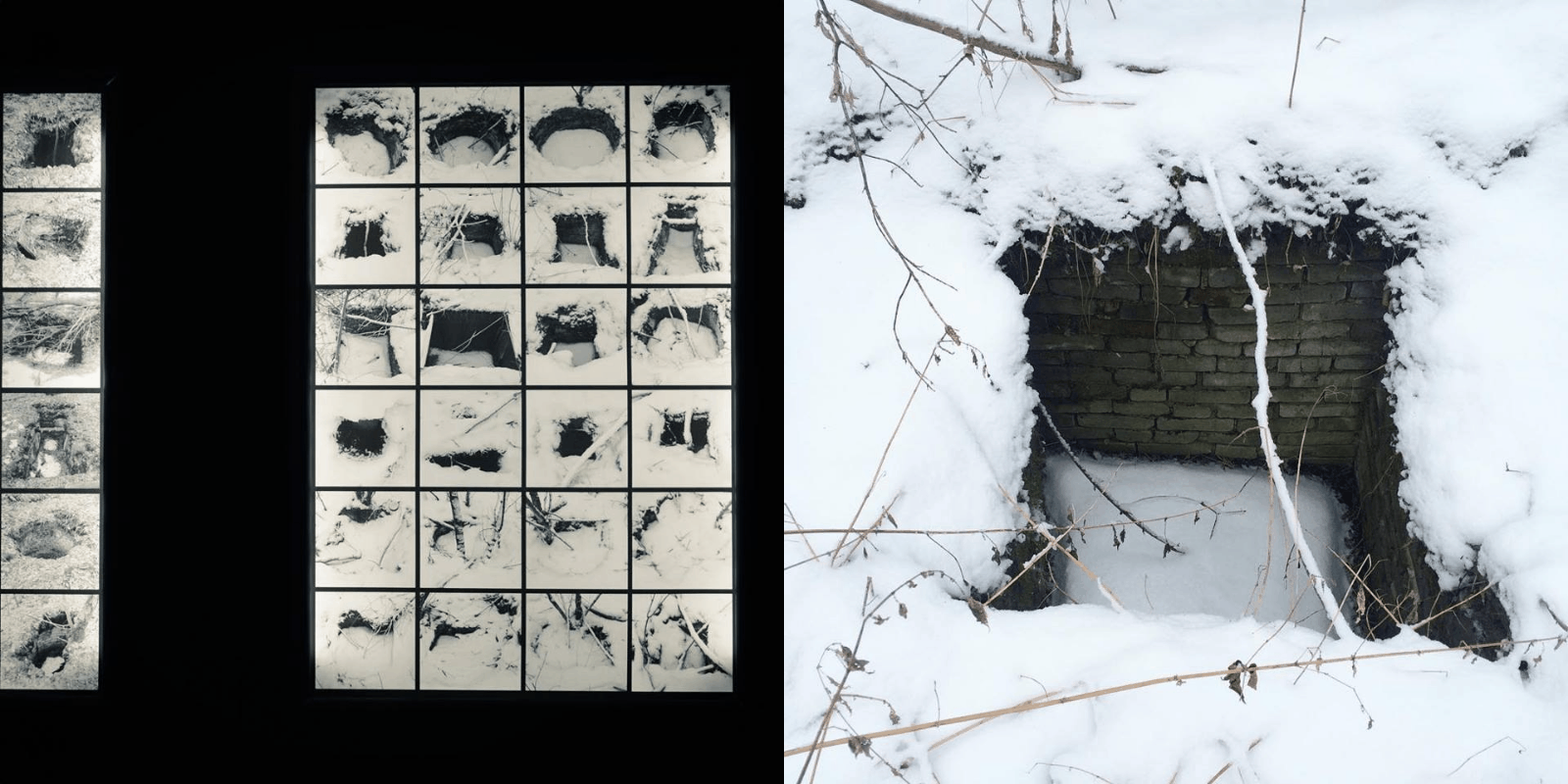
Pits (2016). Fragment. Lightbox, digital printing
© Pavel Sepa
Working with the formats of a documentary exhibition and the postmodern exhibition of the subtracies, the "industrial zone" is neither one nor the other. This is not an exhibition-study, but rather an exhibition-load that with postmodernism shares the rejection of self-objective and pleasure (alien) injury. Sepa does not give the fetishization of social experience characteristic of Russian actual art. Rather, it puts certain milestones in front of the viewer, offering to plunge into the contemplation of the story that it can reach itself, and leaves us in front of the open finale. The material "industrial zones" is the gloomy routine of the late Soviet social background. In it, as in the picture of a tree germining through the unfinished factory building (“Club”, 2016), the space of sadness is more important than the political message or the truth of the document.
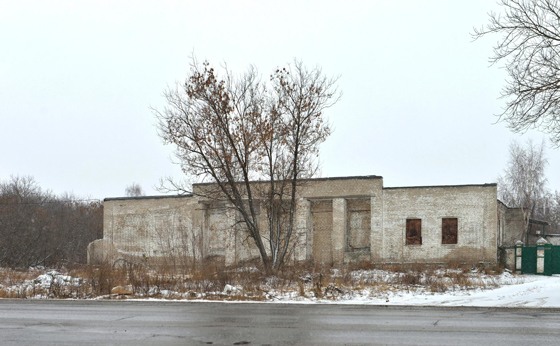 © Pavel Sepa Club (2016). Digital photo
The painting of the individual is monumental, but there are no attempts to discard the excess. By transferring newspaper photographs to the canvas, together with faces, he gives the scale to all errors and glitches of poor print, as if combining the underwater and surface parts of the iceberg of Soviet memory in a whole form. His “Boards of Honor” has been compared more than once with the works of Mikhail Roginsky, who worked with close material (black and white painting according to corrugated cardon) and, at first glance, wrote also corn and distant. Roginsky focused on capturing the heaviness of social interactions, well familiar to the Soviet man at the household level, but withdrawn from official discourse in a generalized light. Sepa, it seems, does not have an emphasis on the communication of characters, he does not seek to see their character. One of the few multi -figure compositions “Promzones” - “Meeting” (2016) - depicts the hall, which seemed to be covered by an explosive wave and people in the seats were brought into cement dust.
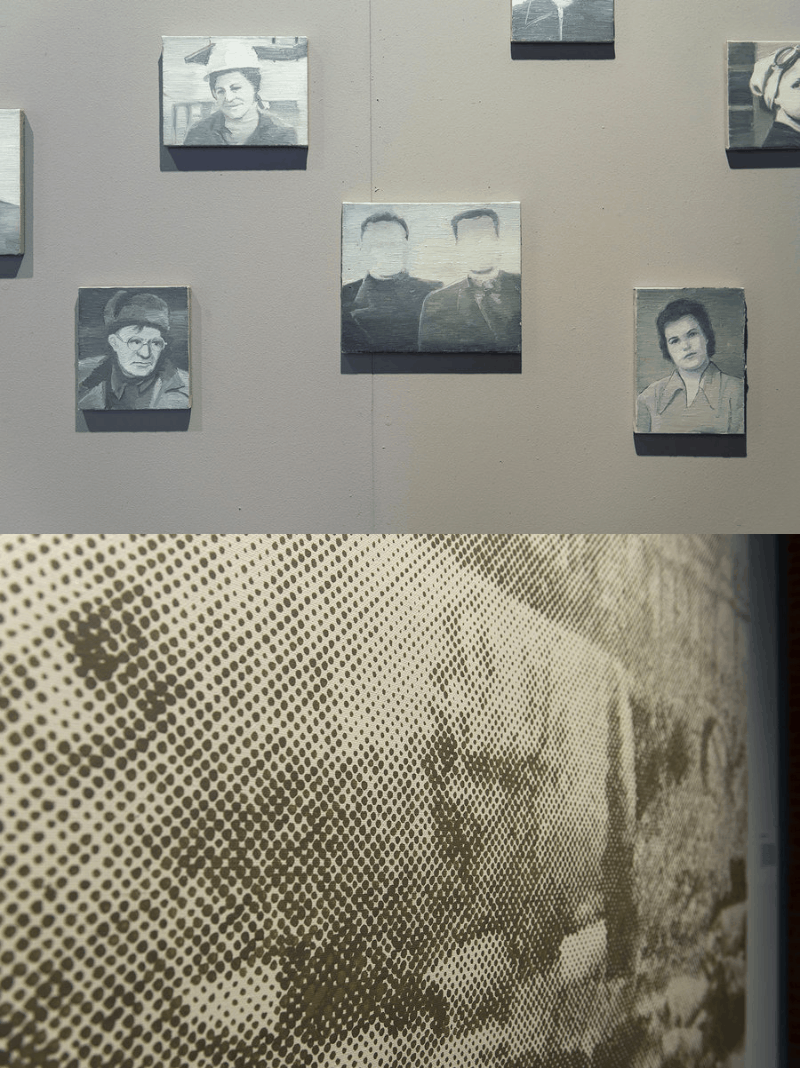
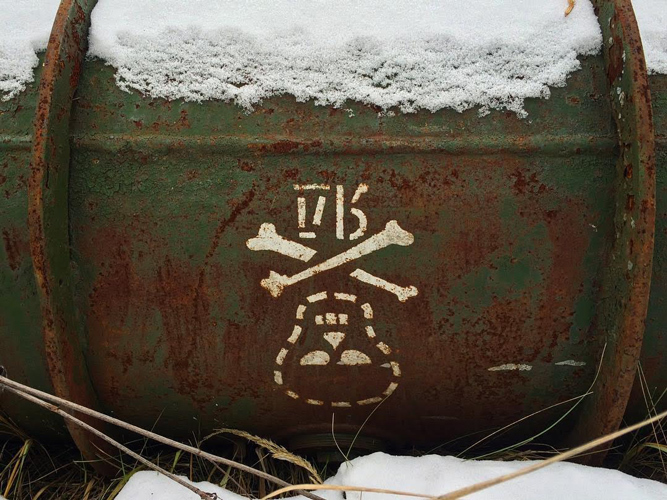
Board of Honor (2016). Fragment of installation / Monuments of mismanagement. Barrels (2016). Fragment. Canvas, acrylic. 180x260
The artist’s calm intonation also resists postmodern speech - from the cool tone of Vladimir Sorokin, behind which social anger is hidden, to Svetlana Aleksievich, whose heroes spill their pain and horror on the reader. Neither subversion, nor hyperrealism are not interested in individual, it is equally far from Faybisovich and Kabakov. Often you can hear that the source of this difference is the depersonalization of the “bad”, “insufficient” artistic language of the 2010s. However, the essence is different: 2010s are not excited by Soviet. They are ready to comprehend the injury, but not to identify with it. Without removing from us the voices of witnesses of the 20th century (grandmother, father, former prisoner of war Claus Frytzse), Sepa is versed in how they relate to modernity. The artist’s task is not to remain in the past, to catch the moment in which Soviet experience remains the experience of his family, but no longer applies to himself. Otherwise, it would have to be placed everywhere, and the sterile space of the exhibition, together with objects, films, smells and industrial aesthetics, would turn into exoticism like the long -standing exhibition of Oleg Kulik about the art of the DPRK.
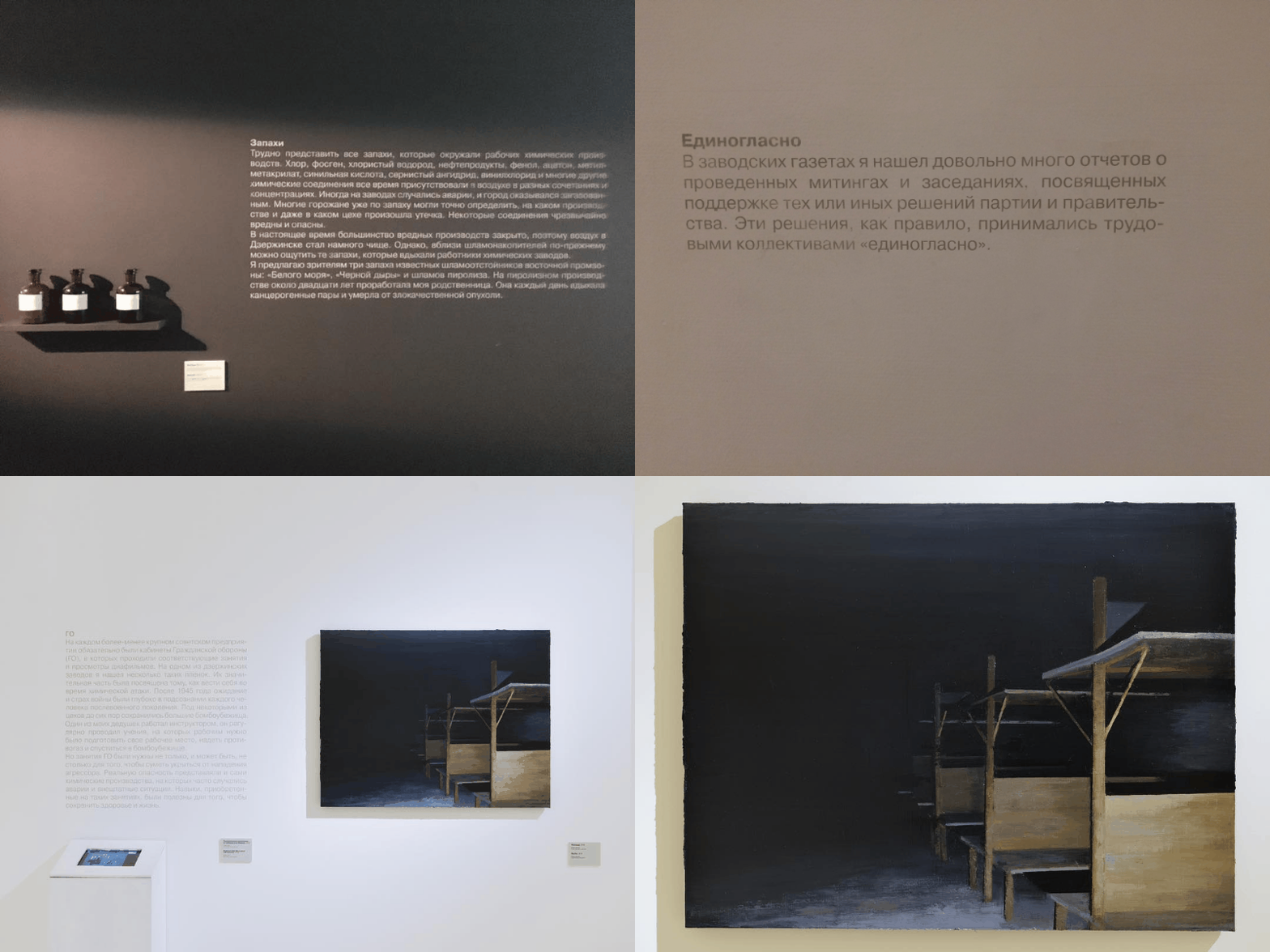
Industrial zone. Fragments of the exposition. Sections "Smells", "Go", "Unanimously"
Interestingly, with a dry, cold palette of separately, his paranorama films are saturated with dense color, close to the eighties hyperrealism. They have that intense three -dimensionality, a rich different -ingenious, which seemed to lack his painting. In the picture, he is careful in the means: blurred is balanced by clarity and drawing, the landscape is close and far. His dialogue with Nikonov is almost audible here, when the words of the teacher “need to add expression” of the individual answered: “No need”. Nevertheless, the pure landscape statement, like the Gursky, does not suit the artist either, and it was no coincidence that he undertook to manage the drone himself when the film operator could not remove the angles and colors he needed. By the way, speaking of documentary, it is worth noting one of the central paintings of the exhibition, where Seplov was not completely indifferent - “Rails” (2018). This canvas was written three years after the tram line of Dzerzhinsk was destroyed, with great difficulty built in 1933, all the same workers of local factories: stones and rails dragged extra-lessially, in additional evening shifts. Its dismantling can be compared with the demolitions of constructivist architecture: the tram lines of the 1930s in Noginsk (1924-2008) and Ivanov (1934-2008) were also cynical and pointless. But for this topic, a little more rooted in the present, Sepa is producing the necessary distance: he writes a well -known outskirts of his native city from the picture from the panorama of Google Cart. The rails have not yet been dismantled, but already entered with sand. Behind the cautious contemplation of painting, a barely noticeable fluctuation in emotion is felt.
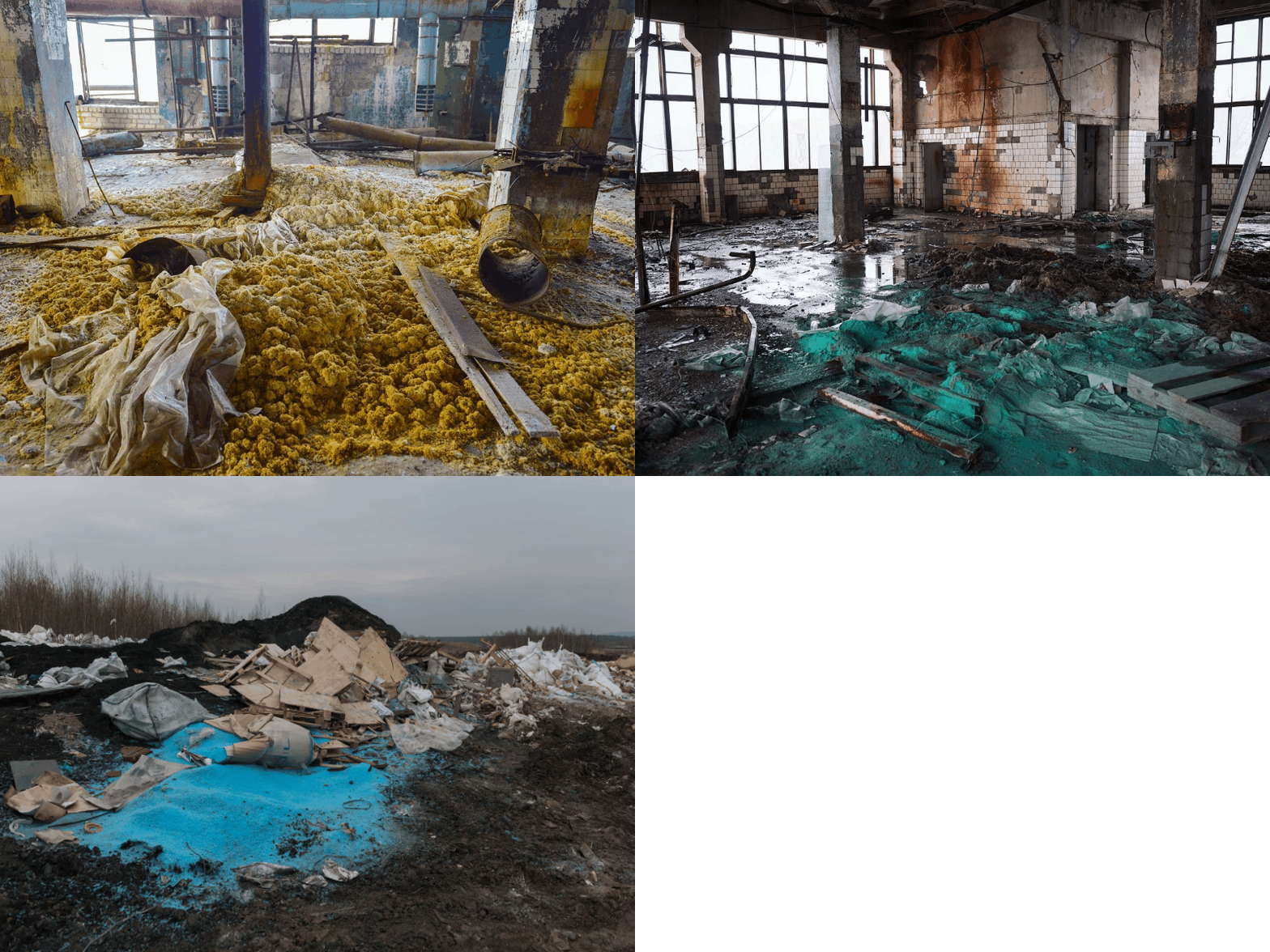
From the series "Palette". Digital photo
© Pavel Sepa
The conquest of the individual is not that he raises a modern story about an environmental disaster or talks according to Imila with a former captive German about secret territories. Rather, the news for Russian art is in its fundamental choice to continue working with the space of the picture. This decision, which in the scenery of the 2000s could seem conservative, and makes the exhibition modern. It is the paintings that allow us to maintain political severity inside large immersive techniques. They leave the space in order not to get involved and not pull off too much. They become windows that offer to enter the intermediate, extra -historical space.
Sepa is only outlining the path, it is unclear whether he will take the next step in this direction. The question of why you need to write paintings after Hokni and Richter hangs in the air. But an easily suspended question is a sign of art.
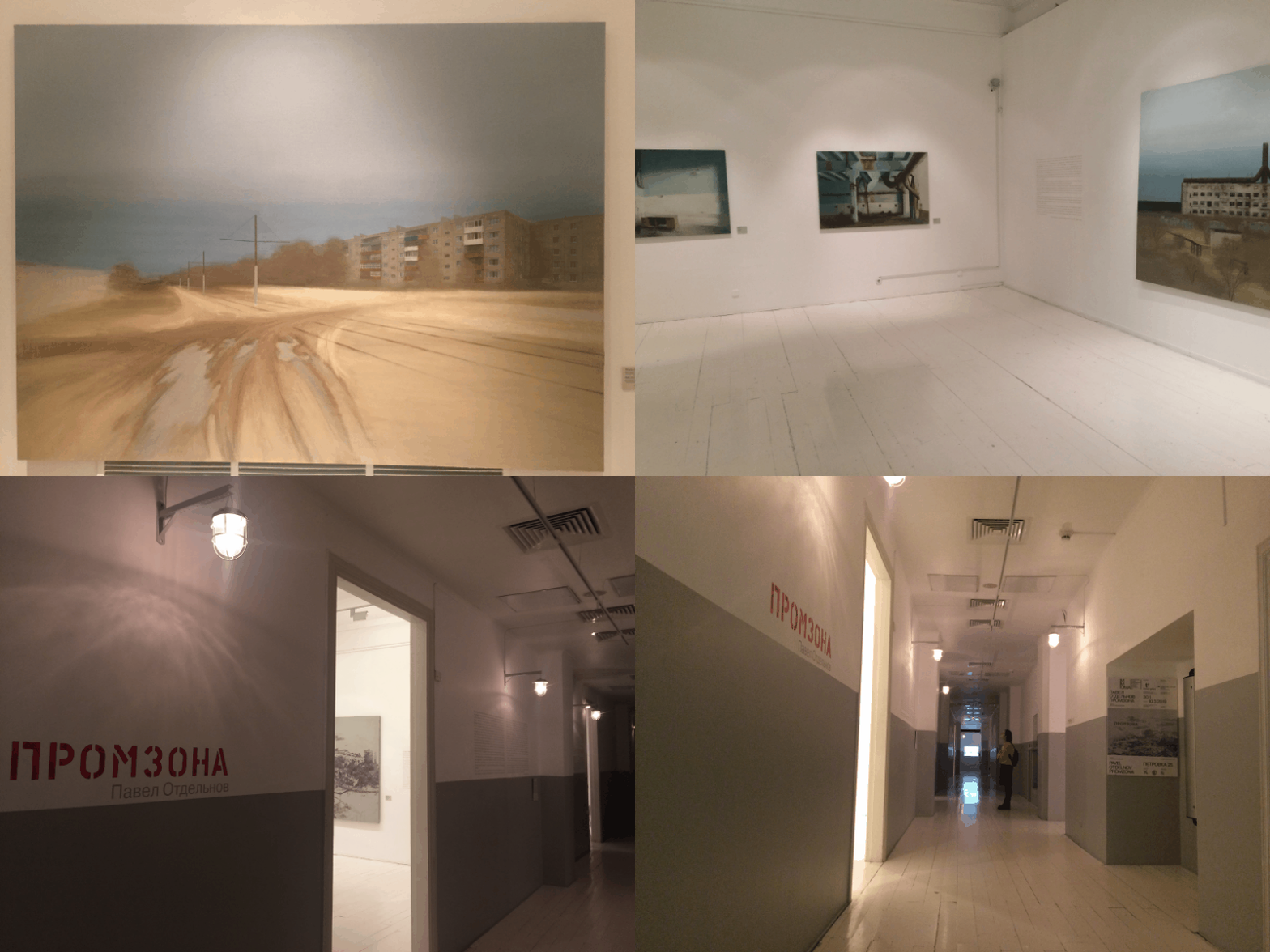
Rails (2018). Canvas, oil. 180x260 / industrial zone. General view of the exposure
© Nadia Plungan
The exhibition is saturated with texts, and it seems that the regime of strict secrecy has imprinted its mark on the intonation of the artist. It is formalized as a post -Soviet dictionary, and is revived only in a specific conversation about how one or another thing is invented and implemented. Sepaenov repeatedly spoke of his interest in the classics, and the well -known didacticity of his tone does not hide from the viewer. It gravitates to repetitions, rhythm, integrity, but it never becomes neither in neo -academicism nor in an epic statement, remaining on a narrow edge between the big Soviet narrative and postmodern deconstruction. However, the epic cannot be autobiographical: it characterizes the era, and it does not try to find a common denominator for the Soviet. Rather, he peers at his own childhood fear of bomb shelters, trying to find his source, and retreats, without denying.
Another part of the texts are the memories of the individual. Declared as production prose, in their creepy humor they much more resemble front -line stories. In their sharp light, the texts of the son look even more constrained and worn out. But there is a meaning in contrast. With such everyday phrases, people describe the death of loved ones: "On this day I climbed the elevator, went to the ward, and there I learned that [mom] no more." The feeling is told, but not manifested, and for an outsider, the door to the event remains forever closed.
As a matter of fact, this peculiar sensation is the most important discovery and find of both this exhibition and the entire work of the artist of the 2010s. It can be called a sense of concentrated bewilderment-one of the main emotions of not only Paul painting, but also generation of twenty-year-olds observing modern post/Late Putin-Soviet life from the window of the audience or auto-zak.
Here again, you can return to the topic of light, which in the paintings of a separatenova permeates the empty workshops of chemical plants with cut pipes. Although critics compare them with ancient ruins, they are more like temples or hospital corridors - the latest spaces, where for a person the light has such an intense value. It is difficult to yearn from memory of the lawlessness of people engaged in harmful production, the purpose of which was a chemical weapon. But if the atmosphere of this lawlessness has absorbed several generations of the whole city, in any case it will go down in history. Death is a significant absence, whether we want it or not.
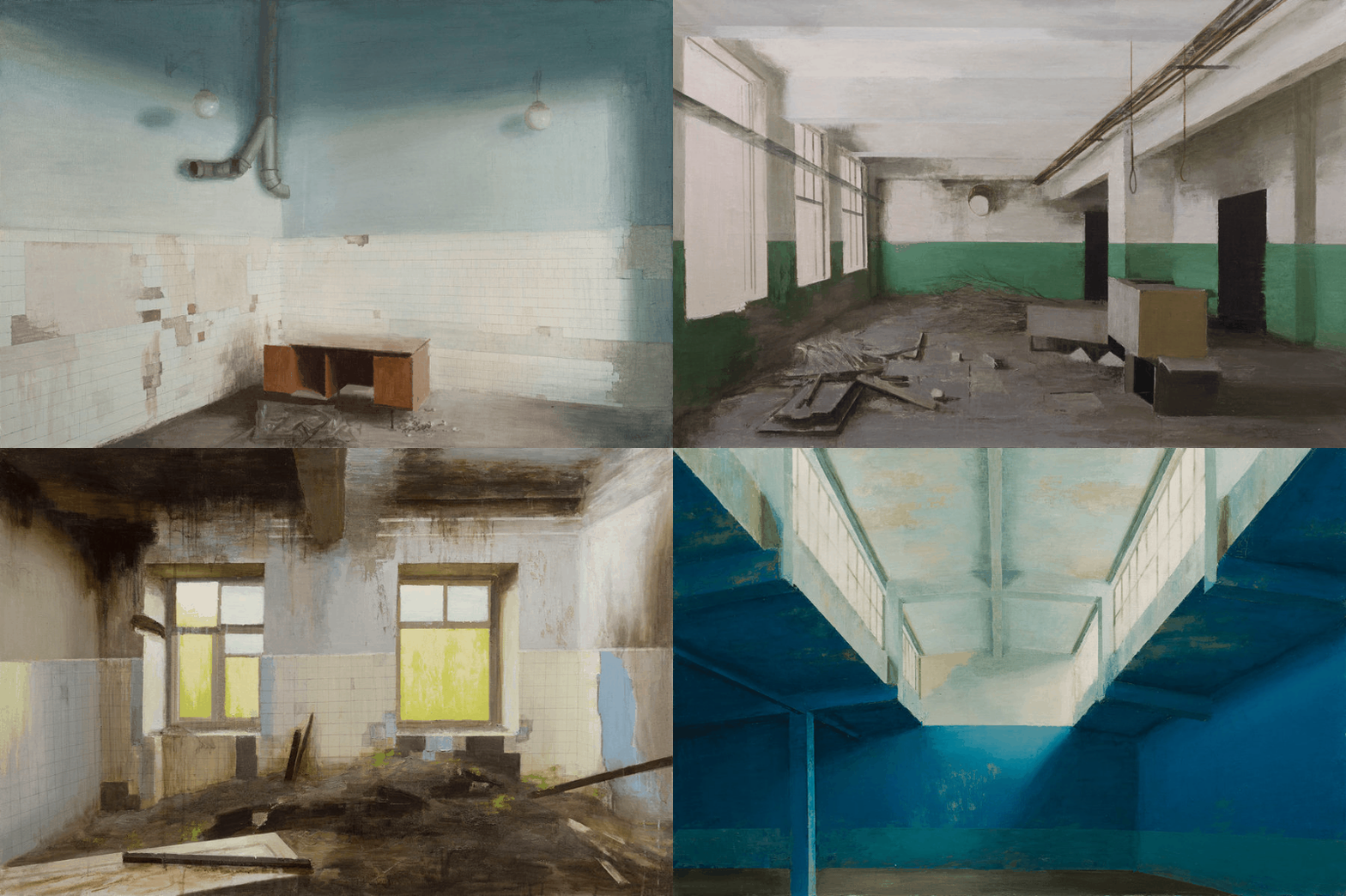
Ruins No. 7 (2016). Canvas, oil. 100x150. Private collection / ruins No. 5 (2016). Canvas, oil. 100x160. Collection of the Gallery "Victoria", Samara / ruins No. 11 (2018). Canvas, oil. 100x150 / ruins No. 8 (2016). Canvas, oil. 100x150
© Pavel Sepa
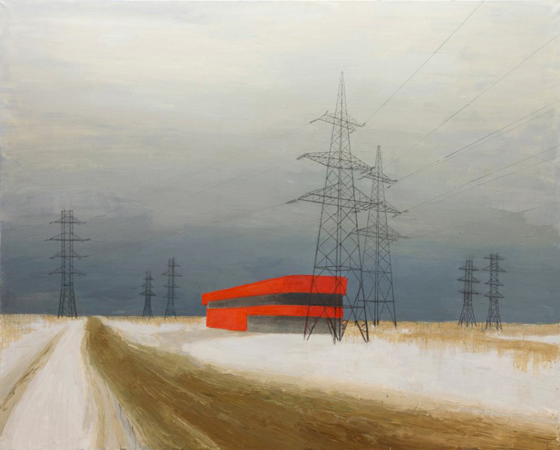
Reflecting on death, Pavel Sepa is again gives a double answer. The dynamics of contrasts remains unclear, as in the film "Dangerous Zone." The output looms either in the spaces of snow and the foggy sky, or in the bright frame of the iron gate surrounded by barbed wire. One thing is obvious: industrialization ended in an empty landscape with its changes in the atmosphere, fluctuations in the light in the thick strip of fog. In the sixties, poison soaked the soil, in the seventies came to the surface of the rivers. Perhaps historical injuries are not cured, but with the advent of new generations, it is still weaker. The essence of the exhibition is hidden in the barely noticeable haze of the 2010s. From the post -war years, we were only a light and atmospheric smoke. Or a scattering cloud of poisonous gas.
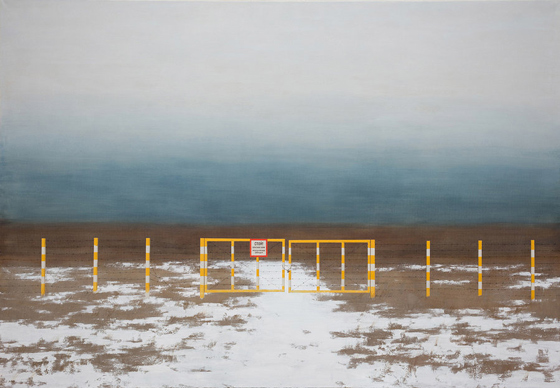 © Pavel Sepa Dangerous Zone (2018). Canvas, oil. 180x260. Institute of Russian Realistic Art, Moscow
Subscribe to the COLTA.RU channel in Yandex.Zen to miss nothing