
Translated material
Former chief shareholder of the Troika Dialogue Vardanyan said that in an investigation about offshores, round and green "mixed up
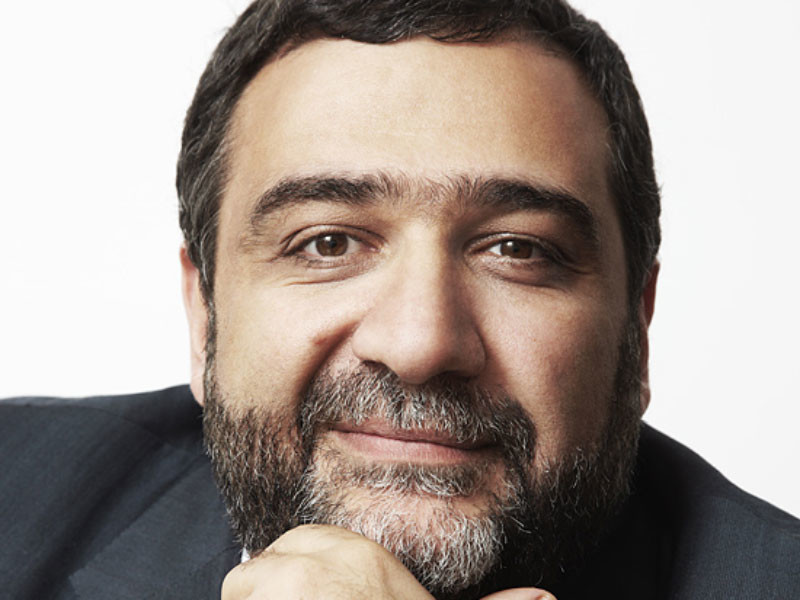
The former chief shareholder of one of the once largest Russian private investment banks Troika Dialog, Ruben Vardanyan called the investigation of journalists about offshore and laundering billions of dollars. According to him, experts of the international project to investigate organized crime and corruption (OCCRP) "mixed round and green."
"Everything was mixed in the published materials: information, interpretation and fiction torn from context, round and green. Despite the fact that most materials say the absence of accusations against me, I, as the senior partner of the Three Dialogue, feel responsible for everything that happens," he wrote in an open letter published on the IDEA Foundation, where Vardanyan is alone From the founders.
- Neue Zürcher Zeitung: How hundreds of Russian millions were washed through Switzerland
According to him, the "Troika" was created in the early 1990s, when the investment-banking industry did not exist, the country was in a startup situation and the "laws of the jungle" dominated. The leaders of the Troika refused to live on them and did everything possible to create a civilized environment in Russia with the clear rules of the game. "
“Once again, I emphasize that throughout its history the Troika did everything to act in full accordance with the principles of legality and transparency, with international standards, and sometimes set the bar above the accepted standards,” Vardanyan said.
The “three” with its multinational and multicultural medium served as a bridge between Russia and the world, brought foreign investors to the country and gave Russian companies the opportunity to enter global financial markets, the main shareholder emphasized.
On March 4, OCCRP journalists published an investigation, saying that the Three Dialogue participated in the scheme by which about nine billion dollars were “washed”.
Thanks to this scheme, which the journalists called the "Troika-Brach", people and corrupt officials associated with organized crime left taxes and hid their foreign property. Among the others, the investigators also mentioned the cellist Sergei Roldugin, who is called "Putin's wallet."
OCCRP experts argue that the Three Dialogue in the mid-2000s created a network of more than 75 offshore companies. The transactions they carried out were predominantly false: the money was transferred for the supply of non -existent goods and services. For these funds, they bought real estate in the UK, Spain, Montenegro, as well as luxurious yachts and works of art. In addition, this money paid for the education of children of corrupt officials in educational institutions of Western countries, as well as donated to the church.