
Translated material
"It was a war against their own people"
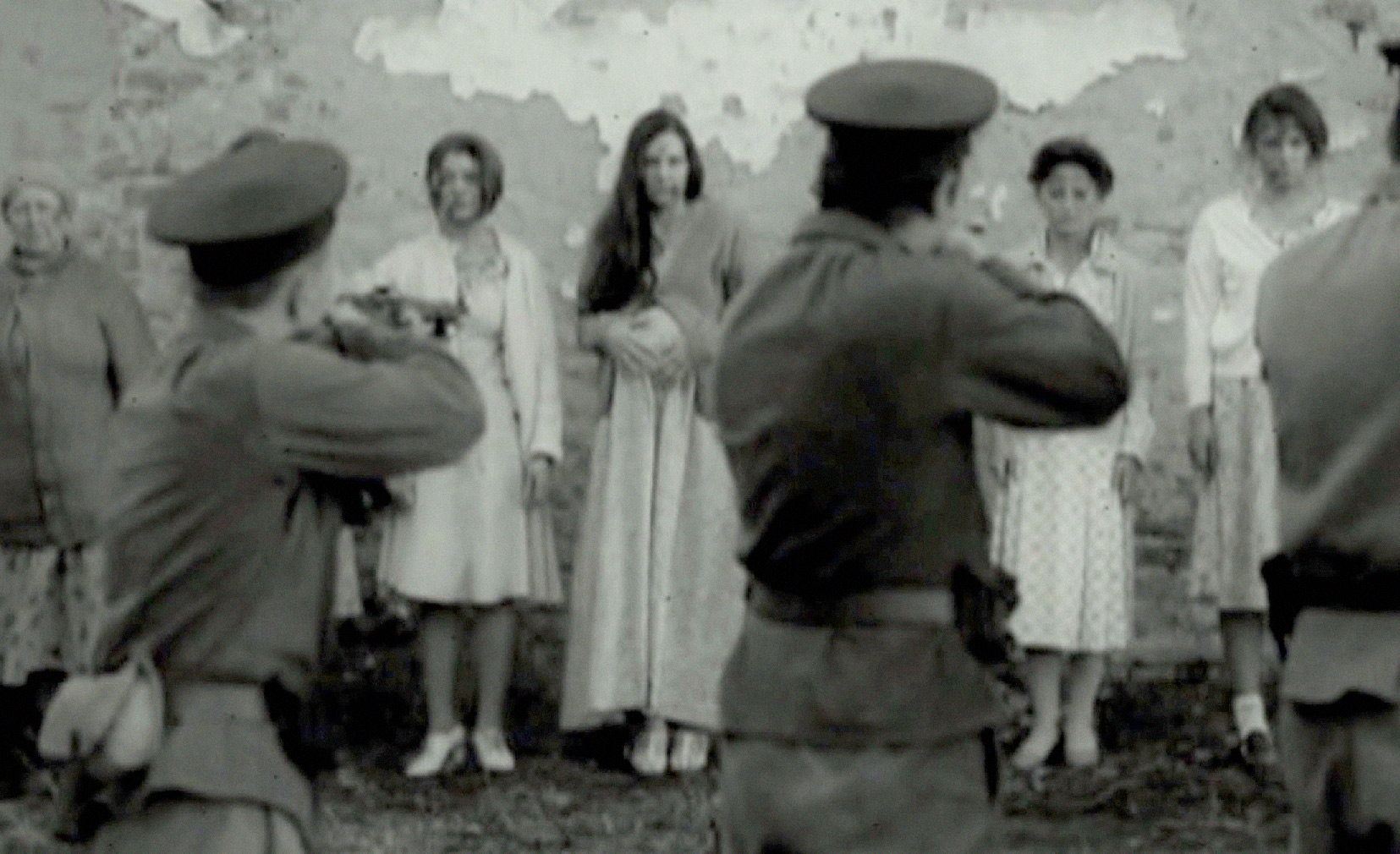
The head of the Council for Human Rights under the President of Russia Mikhail Fedotov arrived in Tomsk to discuss the concept of state policy on perpetuating the memory of victims of political repression. He proposed to create a memorial-museum complex of repressed memory on Mount Kashtak. According to Fedotov, its center could be a large cathedral in honor of the new martyrs of Russian
A year ago, at the site of mass burials of innocently dead during the years of the Stalin terror in Tomsk, the temple of the new martyrs and confessors of the Russian Church was consecrated. Mount Kashtak with her ravines adjoins the old city cemetery. Here in the 1920-1940s, the Chekists shot and buried victims of great terror into the ground. According to historians, about 9 thousand innocently convicted and executed during the years of Stalinist repressions are buried in these ravines.
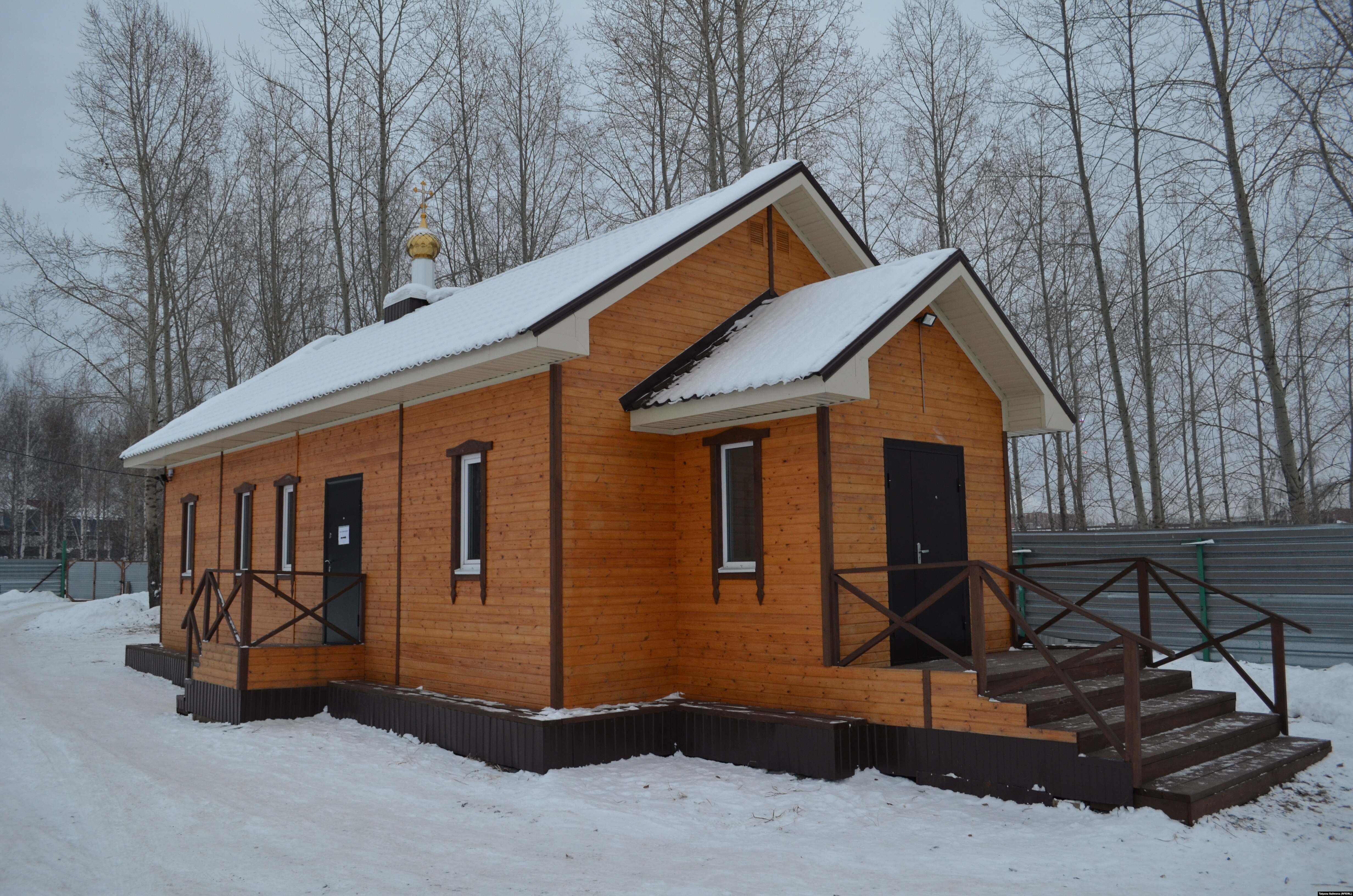
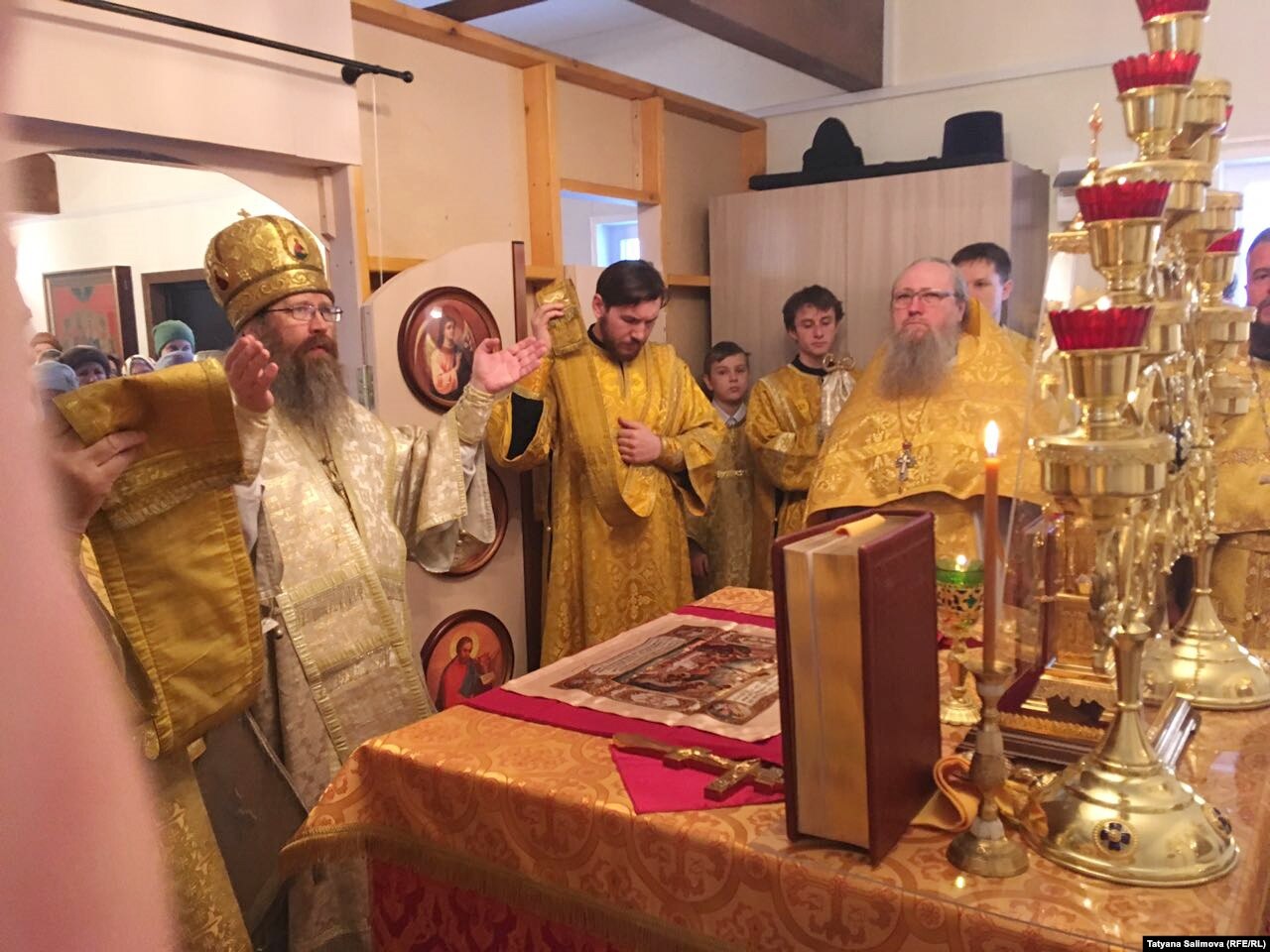
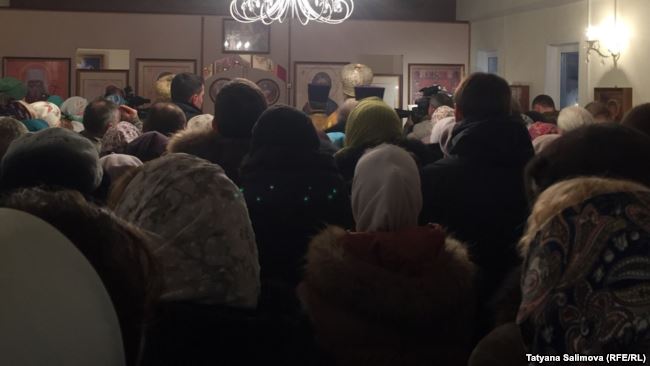
The first service in the temple on the chestnut mountain took place on the morning of December 17, 2017. About a hundred people gathered on a prayer service in memory of the repressed then. The small building was barely accommodated. But thousands of victims of political repressions, who found the last shelter here, on the edge of the ravine, recalled in the service.
Among them are both great -grandfathers of Pavel Batukhtin, who came to the first prayer to the temple. For many years he did not know about the fate of his relatives. Five years ago, Pavel Batukhtin began to look for documents related to his father’s grandfather, who was arrested by the NKVD bodies in 1938. He found terrible truth, like thousands of people across the country. I found the data on other, more distant relatives, about whom I did not know anything, because the family never talked about them.
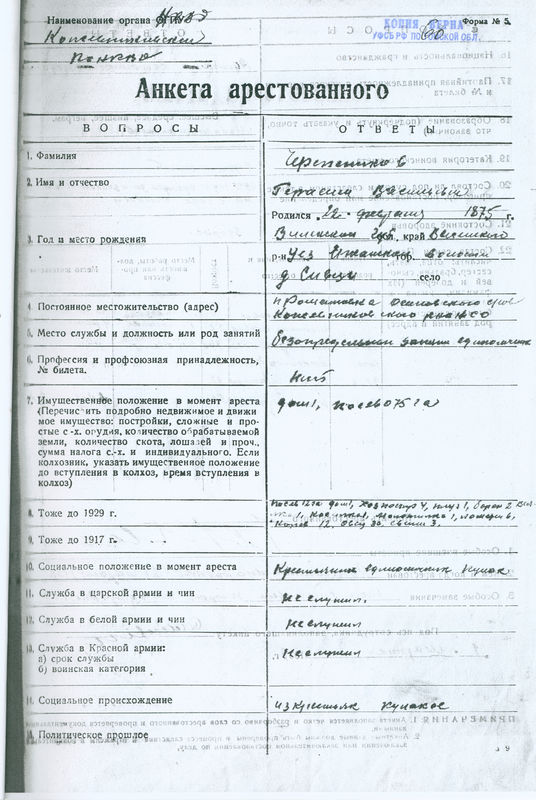
- Shkleko Gerasim Vasilievich, one of my grandfathers ... and Pyarin Yugan Augustovich, the second. Both of them were shot here on the chestnut. In May 1938. One on May 22, and the other seems to be May 15. I learned about this a year ago. He was shifted as a member of the Polish military organization, and Pyarin as an Estonian intelligence officer. And the great-grandmother was sitting on the 58th, 5-6 years. She was not shot. All three are rehabilitated, ”says Pavel Batukhin. - Nobody talked about it. He asked his mother: "Where is the grandfather?" She replied: “And he threw us small. I don’t remember anything, I don’t know, there was a war ...” There were few in the archives today. I began to look for photos, I did not find. I only found a certificate of crap. All relatives believed that he died of pneumonia. I sent this document to the aunt not so long ago to Moscow, she asked: "How was it shot? They told me that he died after a serious illness." Everyone was afraid to talk about it. And now, it seems, it is not customary to talk about it.
After service, through the birch alley, Pavel Batukhtin goes to the house. Go not far - he lives here on the chestnut. As a child, he moved to this area with his family. Then they only began to build him up residential buildings. They actually stand on the site of the former cemetery, on the site of mass graves.
I took out a bullet from the skull and walked with it for a long time, I don't know why
- We settled here in 1975, I was 9 years old. Then the pits dug under the houses. The boys went specially there, looked, find the bones or not. I found it myself. Right next to my house, near the fourth entrance. So in memory sunk. The man was also found a woman, I remembered her. The shoes were white, boats, not rotten at all. And the hair, bright red, they are preserved on the skull. The scallop is bone. I took out a bullet from the skull and walked with her for a long time, I don’t know why. In the ravine behind my house, the remains were also found. There, people used to put potatoes, dug skulls. Yes, almost all the houses of the bones lay. The question of who they are and where they arose, but someone said that the bandits, we believed. There was no information. I can’t say that it was scary. It was probably commonplace. These construction sites were entertainment, unfortunately. The kids that sin to hide, played with bones here. Perhaps my grandfathers were among them.
From the window of the apartment of Pavel Batukhtin, the grandson of the repressed, the corps of the old prison, which was built in the middle of the nineteenth century, was visible and served as a transit point for convicts and exiles. Behind the prison under the chestnut mountain there was a deep ravine, which was popularly called the "terrible moat".
Could shoot at the edge of dug ditches. The corpses were thrown into these ditches and fell asleep
- Under Soviet power, the prison continued to exist. This is a rather large territory: there were several buildings, both stone and wooden, and this prison served as a place of accommodation of those who were in the Narymsky link of the repressed and arrested in Tomsk. Someone followed the stage, and someone was shot at the chestnut moat. The last days and my great -grandfathers spent the last days in this prison, and apparently they were shot on the mountain. They also burst in the ditches, ”says Pavel Batukhtin.
At the end of 1951, in Tomsk the issue of deploying in the city evacuated here during the war of the Sibababel plant. Several buildings of the plant were already built on the land adjacent to the chestnut mountain. Under the new buildings, the plant was allocated the territory of the old cemetery. Relatives were allowed to reburrow the remains. But this was done in isolated cases. The fate of the burials was in the hands of the builders. The workers of the bulldozer raked all the fences, tombstones, the crosses along with the graves and threw it all into the chestnut moat. Thus falling asleep the place of mass executions and burials. And only in 1989, the members of the Tomsk Society "Memorial" conducted the first excavations in one of the sections of the ravine.
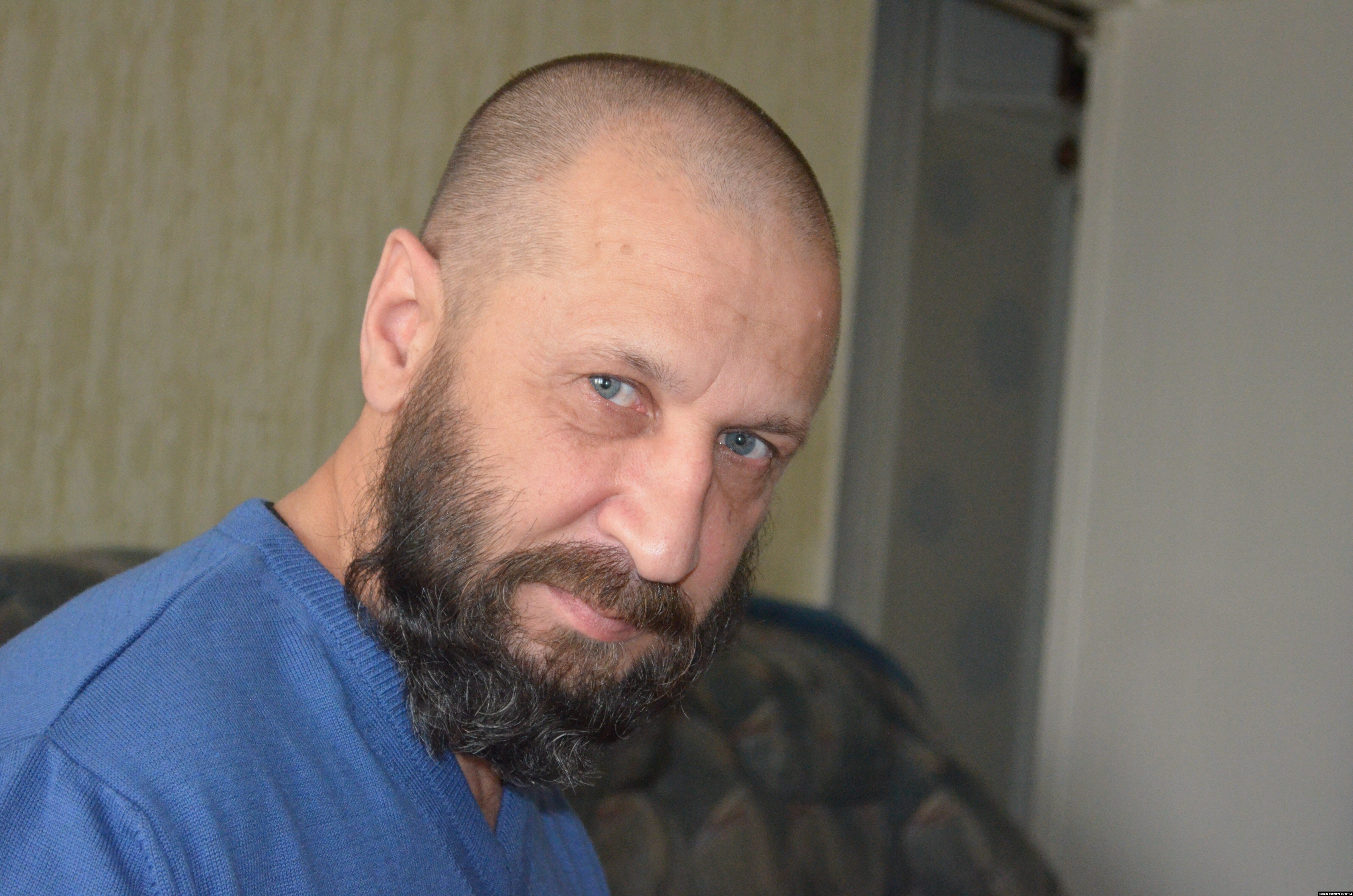
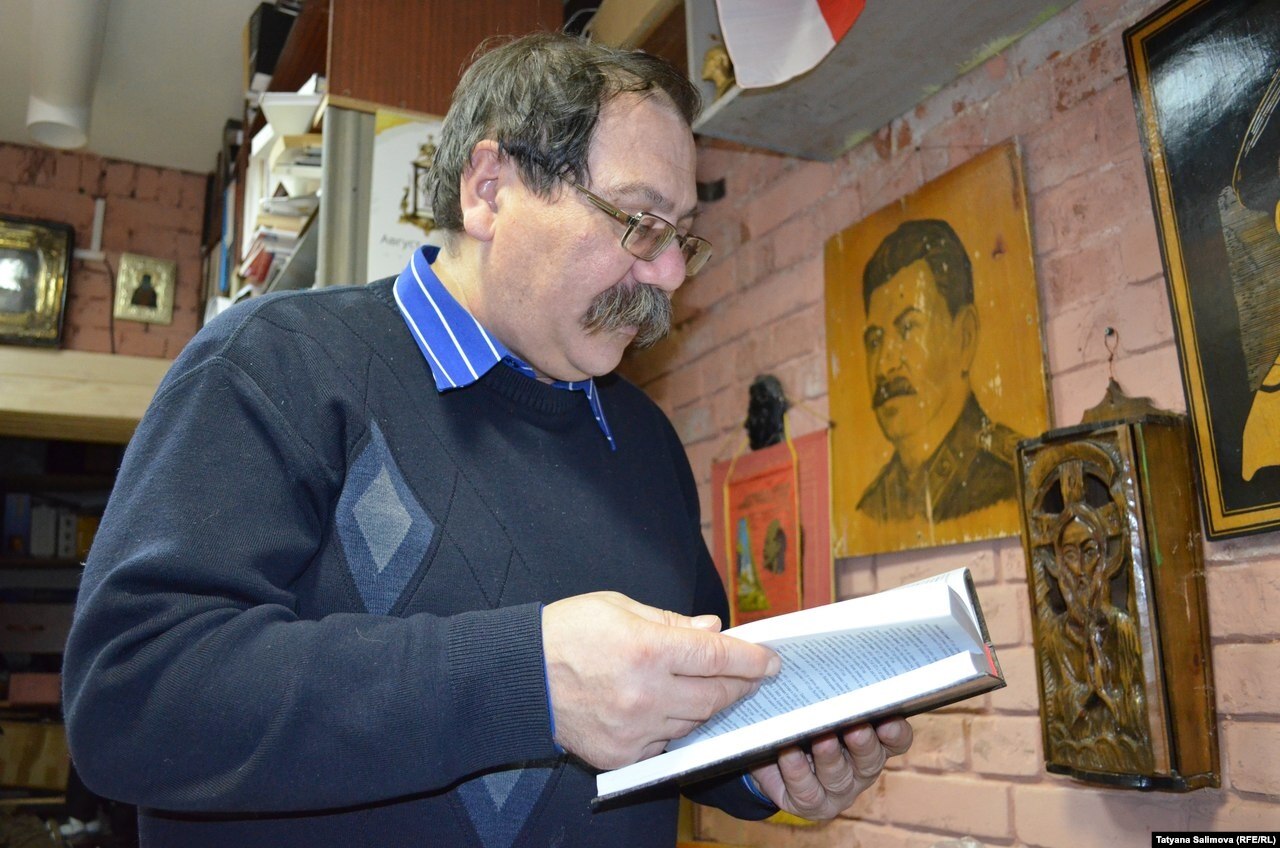
One of those who participated in those excavations was the university teacher Vasily Khanevich , who was born in a family of descendants of immigrants to Siberia from Poland. His great-grandfathers and grandfathers were repressed in 1938 during the so-called "Polish operation" of the NKVD, and his father was in the Gulag from 1949 to 1953. Today, Vasily Khanevich leads the first in Russia by the "Memorial Museum of the History of Political Repression." It is located in the building of the former investigative prison of the NKVD.
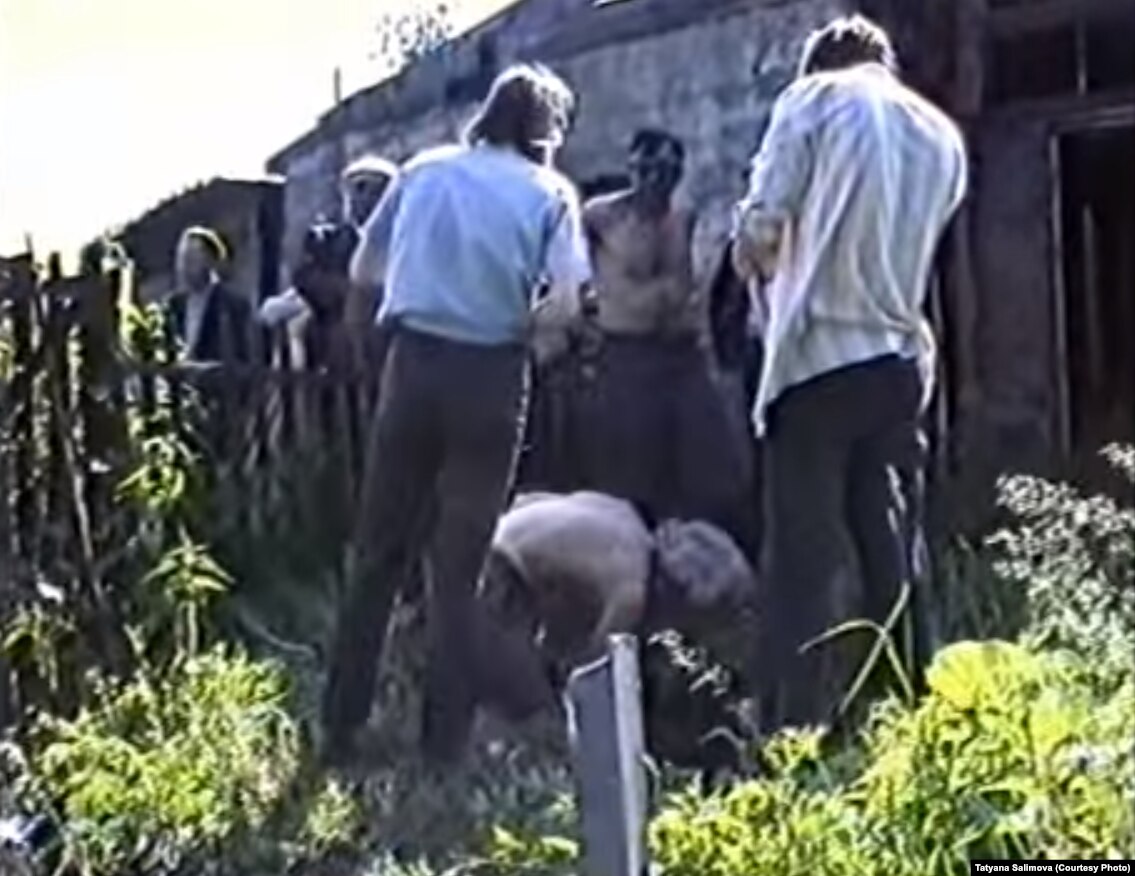
- The first excavations on the chestnut mountain were trial, we ourselves had to make sure that there really were burials of the executed. Although we already had many memories, the testimony of eyewitnesses that they found the remains of executed in the 50s here. We dug pits in the alleged places. They found the remains with bullet holes in the back of the head. For documentary confirmation, the remains were handed over to the forensic examination, which confirmed that the remains belonged to those shot in the second half of the 1930s, ”recalls Vasily Khanevich.
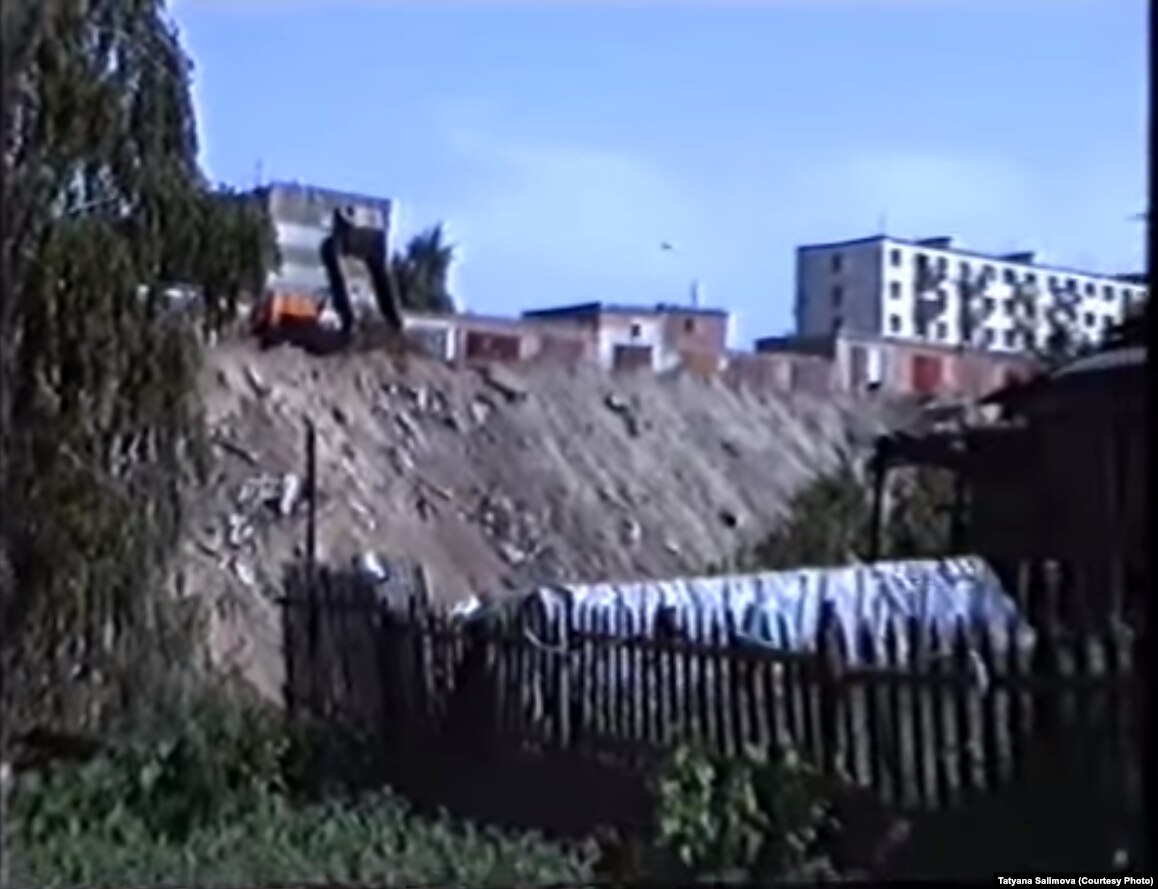
In 1995, a group burial was discovered during the construction of garages on the chestnut. The builders invited representatives of the Memorial. The remains then gathered for several weeks. 10 boxes of bones were transferred to the forensic medical examination, which dated the remains of the second half of the 1930s. On the fact of their discovery, a criminal case was instituted. In 2002, these remains were buried in a mass grave at the Bactysky cemetery.
- There was a practice that they could shoot at the edge of dug ditches. The corpses were thrown into these ditches and fell asleep. Or led to pre -dug pits, the verdict of the so -called "triples" was carried out, and there they buried it. Such a ditty was known, it was sang in the early 1930s some lumpenized Tomsk citizens who worked as part in this matter. "I will go to Kashtak, on a steep slide. I will earn a nickel to my own Mahorka." Pyatak is for participating in the hidden of traces of crimes, ”says Vasily Khanevich.
Among those whose remains lie in the ditches on Mount Kashtak are a variety of people. Among them, perhaps, the poet Nikolai Klyuyev, the philosopher Gustav Shpet, the Moscow academician Grigory Ilyinsky, Prince Alexander Golitsyn, Princess Olga Urusova (Golitsyna), the Holy of Juvenal and several dozen bishops of the Russian Orthodox Church.
We must remember that a large terror - it was a war against their own people. And the victims of this war have the right to memory of themselves
In 2003, a worship cross was established and consecrated on the chestnut mountain, on the granite pedestal of which the inscription: "The eternal memory is innocently killed." In 2010, the construction of an Orthodox temple complex was planned at the site of the Tomsk Calvary. The very Sibababel plant was going to become a sponsor of construction. However, local residents and social activists opposed the construction. The protesters said that the construction would destroy the only birch grove in the district, and a frequent bell ringing would not rest in the residents of the microdistrict. People also feared that the slope of the mountain could not withstand the weight of the temple and collapse. Protesters were indignant at the fact that the plans of the local diocese were not considered at public hearings. After protest rallies, the investor refused to support the project. Despite this, the church received from the authorities a building permit, but so far only a temporary wooden temple managed to build.
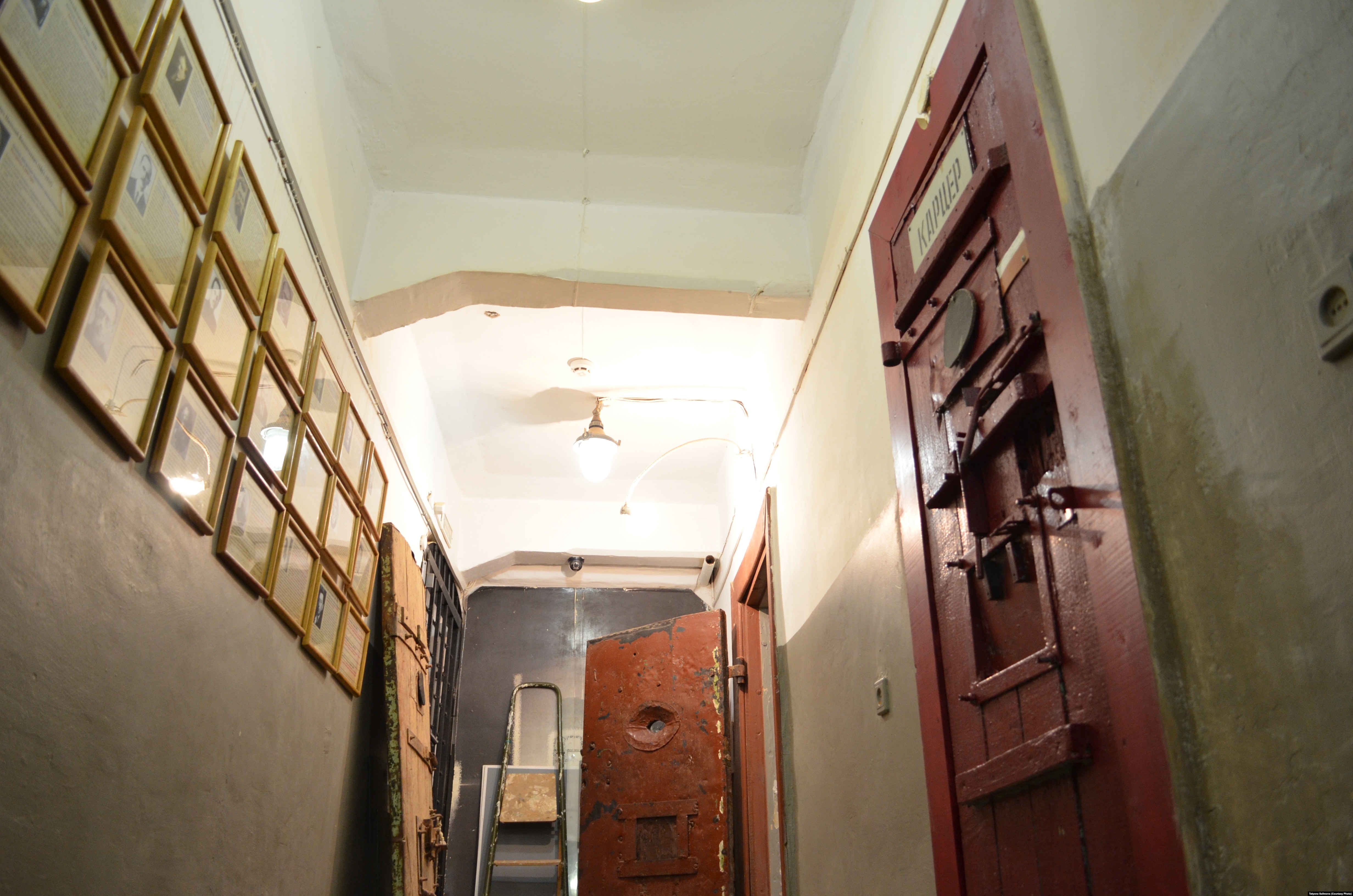
In the Tomsk Memorial, it is believed that not only the Orthodox Church should appear on Mount Kashtak, but also a memorial that would perpetuate the name of each innocently died during a large terror.
- We are positive about the emergence of the temple of new martyrs on the chestnut. It is clear that people of different religions, believers and unbelievers are buried here. But to refuse the Russian Orthodox Church in the construction of the temple only on the grounds that not only the Orthodox, stupid are buried here, says Vasily Khanevich. - Representatives of other faiths could put their symbols here if they are ready for this. But our position lies in the fact that in addition to the bow of the Cross and the Temple, which is already there, as well as the temple that plans to build the Russian Orthodox Church, there should be steles with the names of the shot Tomsk citizens (especially since many of these names are known). So this was done, for example, on the 12th kilometer in Yekaterinburg, or as at the Butovo training ground in Moscow, or in the city of Abakan. So far, there are three volumes of "Books of Memory", which indicates the names of the repressed, among them shot on chestnut mountains. And these names, it seems to me, should be immortalized here on the chestnut mountain. The temple is building a church, the authorities should take care of the memorial with the names of the executed. But I strongly doubt that at this stage it is possible. Our city and regional authorities generally have no intelligible understanding that there should be on the chestnut grief. But we must remember that a large terror was a war against our own people. And the victims of this war have the right to memory of themselves. Both according to official laws, and by purely human. In the meantime, on the chestnut mountain, this memory is faceless.