
Translated material
My uncle is Lenin
Find the traces of grandfather in the archive, which disappeared in 1937, to restore the family story ... It is not easy to accept it
Natasha Kuklina (Rybina), Seraphim Artamonova,
Alexander Makeev, Viktor Haifetz and Yura Karakurchi
Letter to the father
"Pectus Excavatum - you have the same way as mine!" - says dad, calling in Latin a small deepening in the middle of my chest. Dad likes to recognize in me his properties, hereditary signs, additionally confirming our kinship - in addition to the structure of the chest, love for pancakes, the shape of the mustache, and manic reading are suitable. Looking at me, dad gropes the thread connecting us with him, but when he turns back, this thread is lost in the dark.
Dad’s father is a smart, kind and handsome young man from Latin America, “Spanish-American,” as my father said, my grandmother-Seraphim. Contrary to the will of the family, he crossed the Atlantic in order to get into the "world's worldstone in the world", to build a new world with new comrades. The young man from Latin America managed to only hold a few times in the arms of his newborn son - my dad. Once he simply disappeared, “did not come home”, disappeared forever. This happened in 1937. He was only 25 years old.
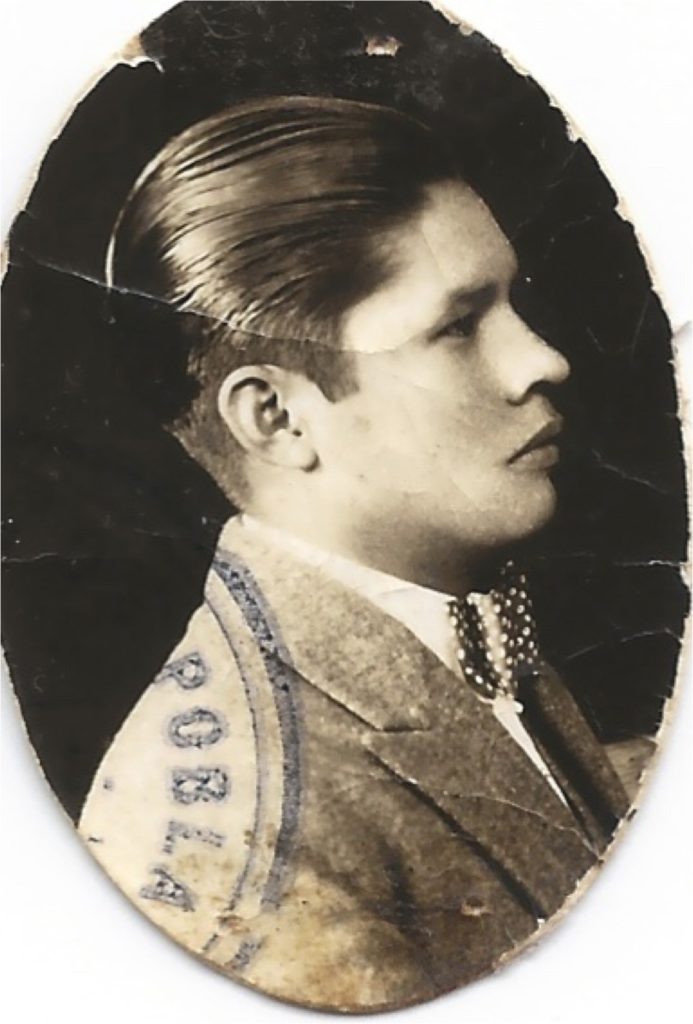 Jorge Maikot Photo: From Personal Archive
In his homeland (presumably, in Mexico) there was a rich family, a big Latifundia, a beloved younger sister. Here, in the USSR, his Russian wife Seraphim, an employee of the Red Proletarian, with a little son in his arms remained. And he himself-the American Spanish-was sealed for the twentieth century with tens of millions of other losses accompanied by great deeds, and nothing remained of him.
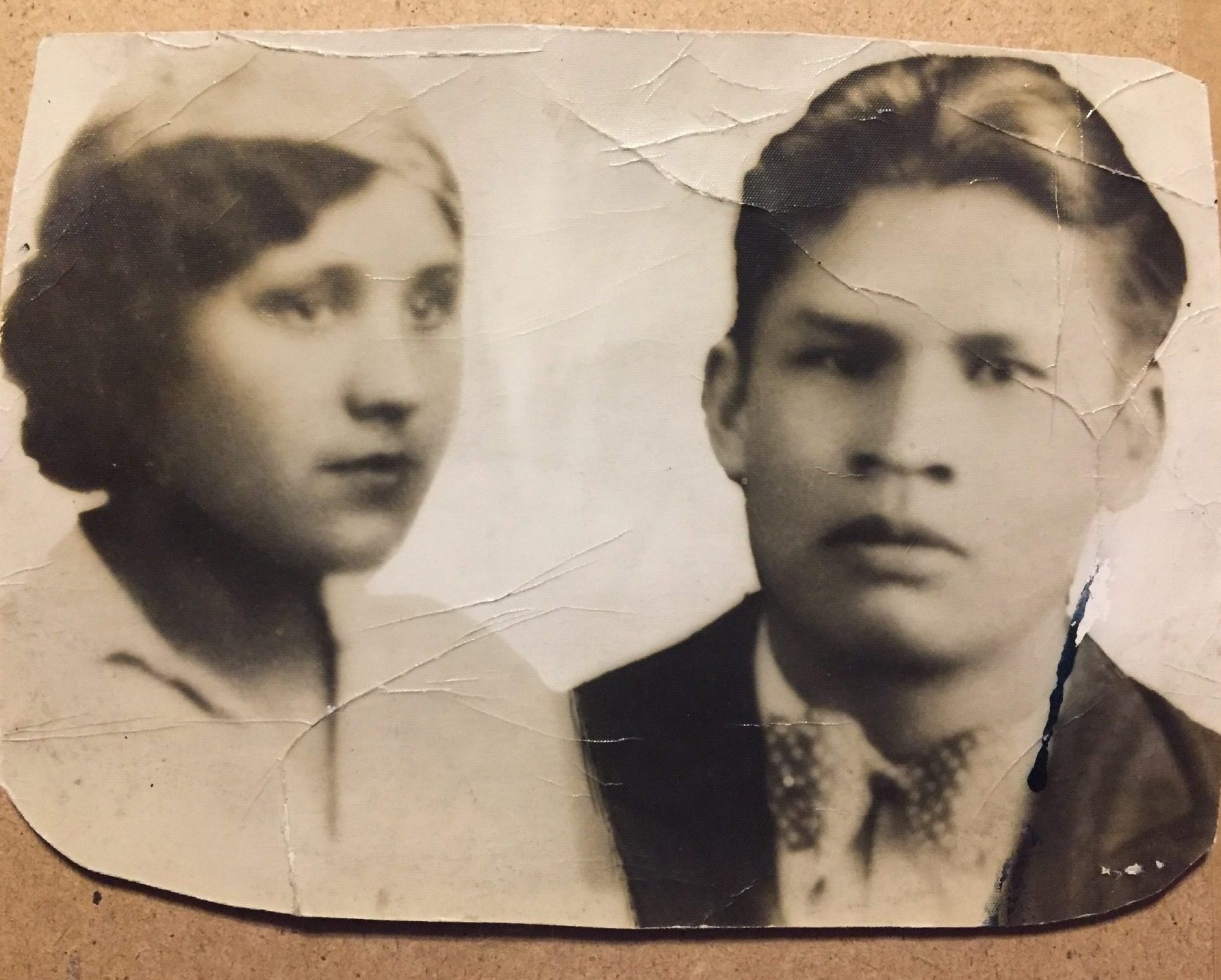
In general, no, one photo has been preserved: on the left, grandmother, he is on the right. And the name is Horhe Maikot. If the name, Jorge, seemed plausible and consonant with the alleged homeland, then the surname, Maykot, sounded once north of Mexico City, raised doubts.
What else did we know about Jorge Maikota? The grandmother once had told dad for a long time, dad told us, but everything was completely approximate with glimpses of details: he worked as a journalist in the USSR, loved his Russian bride Seraphim very much, looked beautifully-he took her to his favorite opera Carmen, sought the location, but proud Seraphim kept a distance. Her sisters called the Jorge "your nostril." “Nostrosty” received new good clothes on special cards, but distributed it to less successful friends, and he went in tattered socks: “They need it!”
In general, this is all that remains dad from his father. Jorge Maikot for him was an example, a guide in all respects - an exceptionally positive image, from childhood sounding an echo of his mother’s voice: “Be like a dad!”
When Horhe Maikota was arrested, the grandmother obeyed the good council of party workers of the Red Proletarian plant: “Do not try to look for him! There was nothing! Forget everything and burn everything! ”, Destroyed all the photos of Jorge Maikota and documents about their marriage. She was left alone, raised her son, never got married again. She was 22 years old. She remained faithful to her Horhe for the rest of her life, that is, another 61 years. Dad says grandmother loved when he played her piano song Solveig Grieg. I think that she especially liked this melody because she knew the plot: Per Gunt wandered for a long time, but by the end of history, faithful Solveig still waited for him.
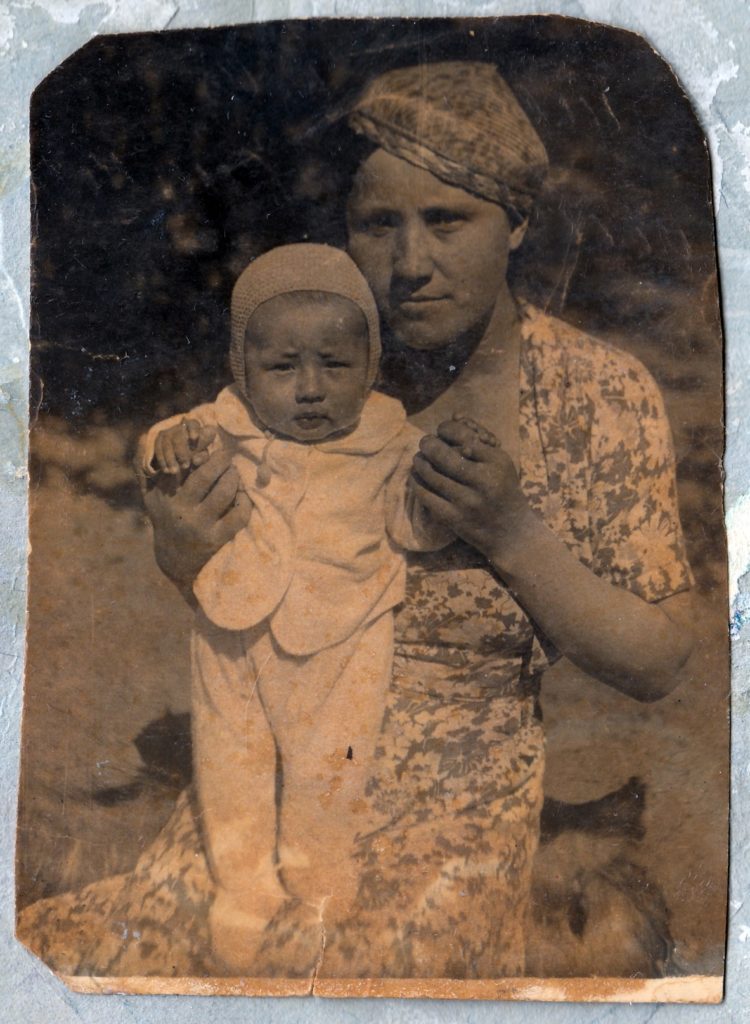 My father, son of Jorge Maikota, with his mother Seraphim photo: From a personal archive
Then the grandmother had a stroke. My dad and I came to her hospital: when she took Dad after Jorge, she was happy about the long -awaited meeting, and when she took his dad for dad, she asked him to write a letter to Mexico. “He is very smart, he managed to escape, he is alive!”, “Write to him, his name is the chor-he-kot.” All this was interpreted as signs of dementia, and the plot did not require an explanation: the grandmother looked into the past, which became brighter than the present, and in the past there was Horge Maikot and their love. Jorge Maikot has long died, and love, apparently, lived - at least while my grandmother was alive. In April 1998, she died.
We always dreamed of finding information about the mysterious Jorge Maykota-some documents in some archive: “Materials of the investigation”, “Protocols of interrogations”. We hated and despised Soviet power, all of it, from Lenin to its last cramps. We fantasized about relatives in Mexico, joked about the inheritance that is certainly waiting for us-Latifundia, hectares of land, livestock, bank accounts and an old woman, who will buy us all tickets to Mexico City and invite us to stay. And if for us - me, mothers and sisters - this whole story was remote enough to seem romantic, then dad did not have such an anesthetic distance the size of a generation.
Ten years ago, my dad-then the 70-year-old son-wrote a letter to his 25-year-old father forever: “Hello, dad! I have never seen you. Only one photo has been preserved, where you and your mother are young. ” This is a small text that dad called: "Letter to his father." He tells how his life passed, starting from the post -war childhood: “When the war ended, everyone was waiting for the return of their fathers. Everything except mom. It was the hardest that he experienced a boy. There was a lot of things for a long life, but it was the hardest. [...] When they asked where your dad was, he said: he went missing. So my mother taught. "
Dad tells what happened to the country for which Jorge left his homeland, the country that destroyed him. About the festival of youth, Gagarin, “our hockey players”, the fall of the iron curtain, the new rich and the first trips abroad. And dad tells about his mother: “You did not stop living in her mind. She told me: "You are a spilled dad!" Then he looked at that only portrait - it looks like it was equal to yours. Now the one, in the portrait, you would have suited me to my sons. [...] In the evenings, while it was still idle, we often went out for a walk together. Mom took me by the arm, and it seems to me that in these minutes I was for her - you. "
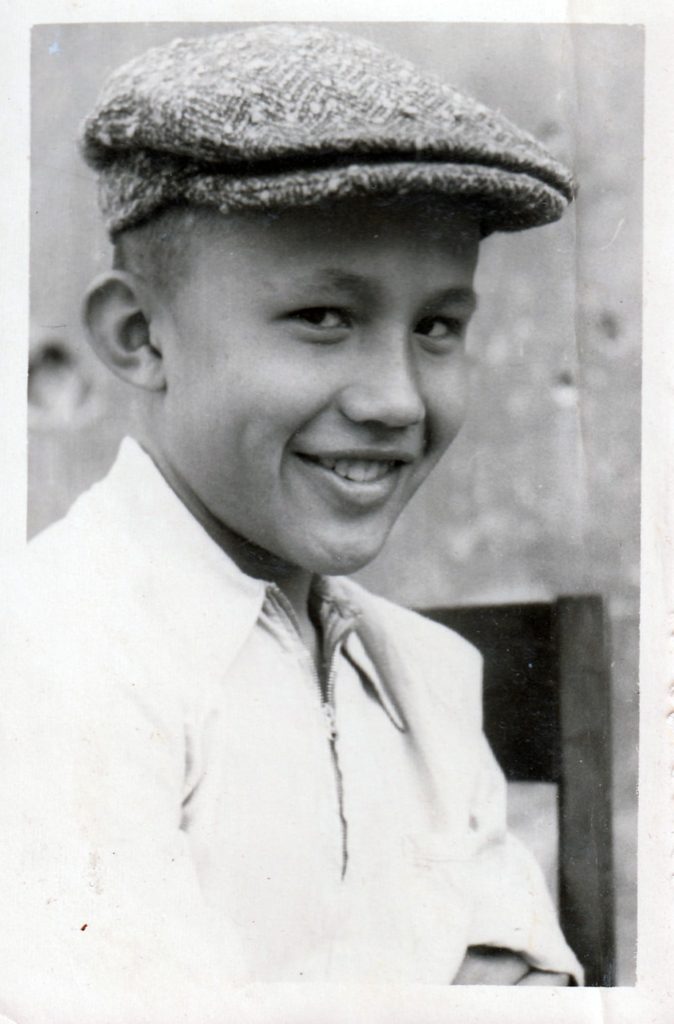 My father, son of Jorge Maikota Photo: From Personal Archive
At the end of the letter, there is a postscript: “You have always been alive for me. Therefore, this was what was written - hello, dad! I don’t remember you alive at all. How you held me in your arms. How rejoiced at my birth. It probably was all. But for some short moment. I know that you have been gone for a long time - in any case. Mom died 17 years ago, not living up to a hundred years of these 17 years. You are the same age. When the archives opened, I did not have enough mental strength to look for the truth about you. He was afraid that she would be so cruel that he would be unbearably difficult to live, knowing her. ”
10 years have passed, now dad 80. We are going home in the May evening, and dad talks about the “Immortal Regiment”, as he is insulting that he does not have a formal right to go there with his father’s portrait, because he was killed, he was taken away from a long happy life and a heroic front -line death. And he was neither war nor victory.
Four names
On the first steps to search for Jorge Maikota, I was prompted by the article "How to find out more about repressed relatives?" I sent a request to the registry office to search for my father's birth certificate. He was found, but in the column “father” there was a dash, as we expected. I sent a request to search for a marriage certificate - as it turned out, the search is possible only by her husband. I indicated this awkward Jorge Maykot, but they did not find a marriage certificate in such a name. Dead end. But at the beginning of 2018, the Center for Documentation began to work in the Museum of History of the Gulag in Moscow, where they advise on the search for information about repressed relatives.
On Thursday, June 14, in this center of documentation, I described my hopeless history Alexander Makeev and received an indication-to go to the RGASPI (Russian State Archive of Socio-Political History) in search of personal files of the Mexican Communist Party from the Comintern Executive Committee of the Archives Fund.
On Monday, June 18, I arrived in the RGASPI. Bolshaya Dmitrovka, 15. My plan was to gradually narrow the search, setting the initially the widest criterion-to find Mexico in the inventory of all members of the Communist Party, whose name is like Horch: Georgiev, Gregorov, Georges and Georgia, request their personal affairs and already by photographs to identify someone similar to dad ... after two minutes of searching, I saw on a convex screen The old monitor in the list of surnames is the treasured line - “Case No. 47, Fernandez Flores Doroteo”, in the brackets - “Jorge Maykot”. Still, he was! He existed, and the grandmother correctly remembered both the name and the surname - everything coincided. I immediately called dad. He was delighted. And then he cried - because his father gained a real name, and his further tragic fate became more real than before.
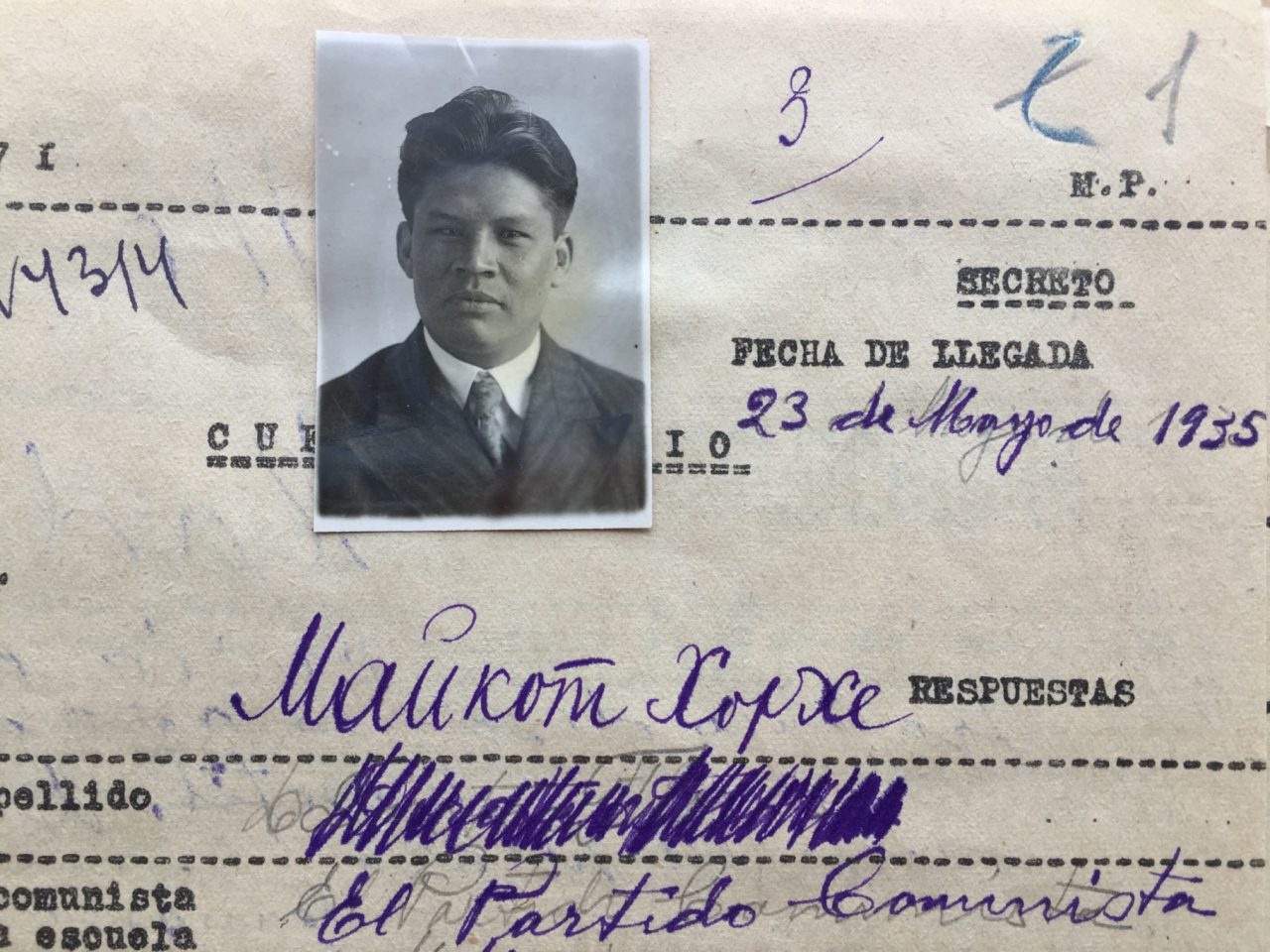 Personal business Horge Maikota, discovered in the RGASPI photo: from personal archive
On Wednesday, June 20, I was given personal file No. 47. I held in my hands a thin archival folder, which promised to give my father my father. The first document is a questionnaire in Spanish, filled on May 23, 1935. Black and white photography three on four with a yellow spot from glue is glued on top: a cheeky face, eyes-small, slightly oblique, daddy wide nose, dad's lips, two lush waves of thick hair for a straight part. Under the photograph, it was bred by a large neat Cyrillic: “Maikot Jorge”.
Translation of the questionnaire into Russian marked "Transl. Comrade Khazan ”says that Fernandez Flores Doroteo was born on January 20, 1912,“ a worker himself, from peasants. The family has all the peasants. Profession - textbook. " In the Communist Party Mexico since 1929. He was arrested in 1933 and 1934 "For participation in the revolution. struggle in Mexico. " General Secretary of the Party District Committee in Puebla, Head of the Youth Department of the Workers'-Peasant Bloc and other crackling positions. Sended by the Mexico Communist Party.
Then - seven sheets of autobiography in Spanish.
And then - documents marked “secret”: notes, certificates, cards from a certain international Lenin school (MLS).
1935
May 6 - The secret note of the personnel department of the executive committee of the Comintern to the Mandate Commission of the MLSH “at this time is sent at your disposal to pass the course of teaching a member of the Communist Party of Mexico No. 4314 Maikot Jorge”.
June 2 - Mandate Commission (Chairman - Comrade Gorsky) listened to the case "On admission in the Millutheate. Maikot Horhe No. 4314, Sended Mexico KP, ”and decided to take him to school.
June 8 - Jorge Maikot gives a "subscription that I know the rules of conspiracy."
1936
November 1 - Claudia Kirsanova, Director of the MLSh, entrusts Tov. Müller ”:“ Please prepare everything necessary for leaving Comrade. Maikot Horhe ”,“ arrived in the MLSh on May 26, 1935. He lives in MLSh. Departure on December 10, 1936 ".
November 29 - Alikhanov entrusts Comrade. Korniliev “Check Comrade. Maikot Horhe ”, since he“ is planned to be sent for part -time. ”
1937
May 22 - Anonymous asks Comrade. Kornilieva "give permission to leave Maykot Horge."
June 11 - Anonymous entrusts Comrade. The Moskvin at the expense of the MLS give money: $ 150 for a second-class ticket for a ship along the Havr-Vera-Cruz route, 1350 French francs on “daily 18 days on the road” and 700 French francs “on accommodation in Mexico for 14 days”.
June 11 - Anonymous entrusts Comrade. Kruchinkin to issue Horchat Mexico Passport No. 256 in the name of Antonio Arroga (according to which he arrived in the USSR) and permission to export currency through the Leninport border point. "He leaves Moscow on June 11, 1937."
The order to issue a passport is the last document in a personal file.
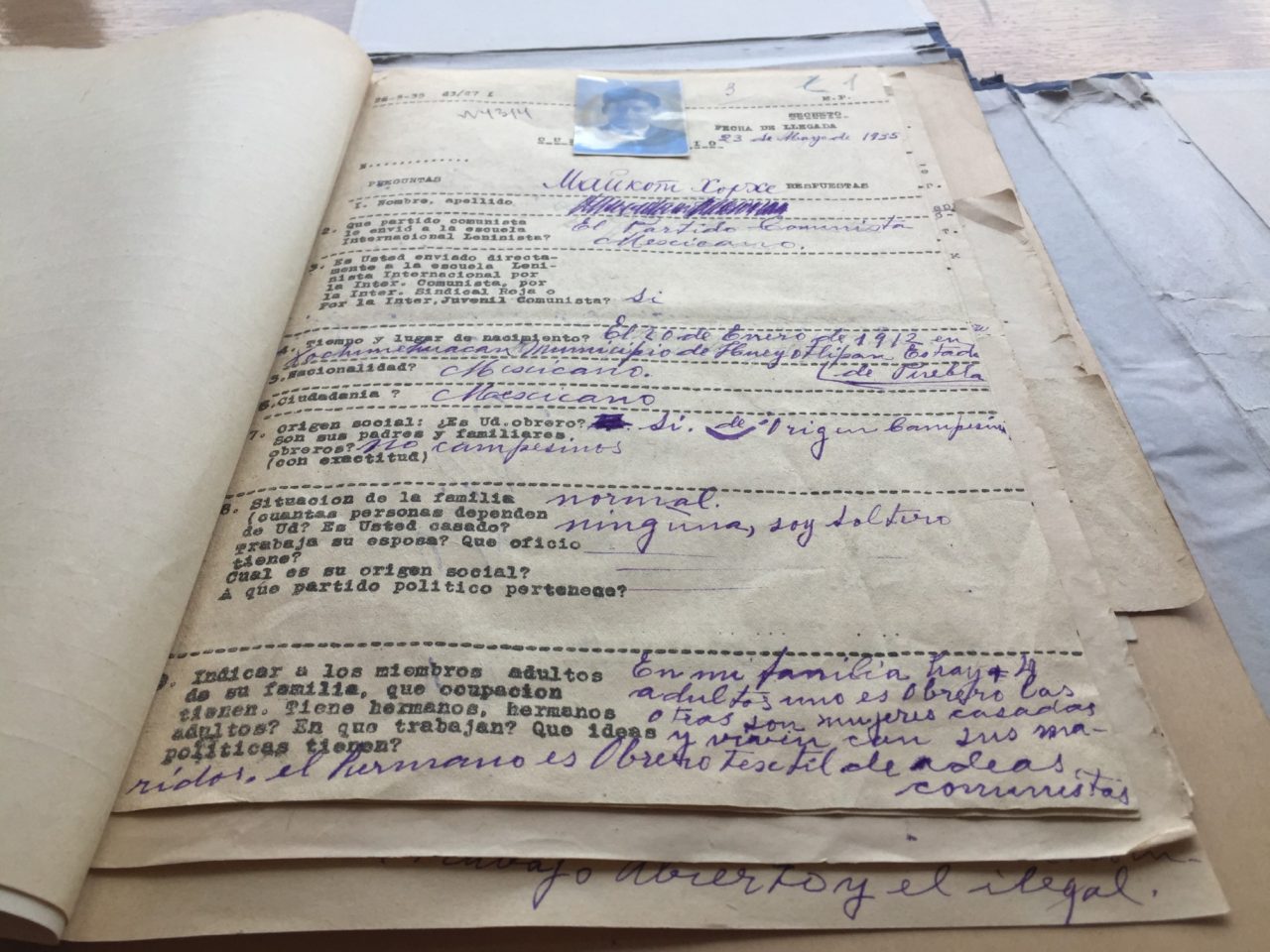 Personal business Jorge Maikota, discovered in the RGASPI photo: From the personal archive, read also
  The double life of Veronica is a French journalist, the daughter of Soviet emigrants from New York, wrote a book about personal and collective memory, about modern Russia through the history of Solovki
I scroll through a personal file for a third time - sorting through the sheets in order, one by another, I examine the beaks, the texture of paper, signatures and printing. There is still such a small green card, which indicates four names of one person. "External (school) surname and name - Jorge Maykot." "The real name and name is Fernandez Flores Doroteo." "Party nicknames and pseudonyms are Jose Moreno." The document on which he arrived in the USSR was “Passport in the name of Antonio Arroga Torres”. Four names and not a single arrest, no camp, no execution at the age of 25. The story with which dad lived all his life is canceled. I continue to cling to her: suddenly he was still arrested at the very last moment, before leaving, at the border point of Leninport, or on the pier, or on the ship, but how to find out? Expectations did not materialize. Instead of the drama of arrest, camps, execution - the dead end of departure.
In the evening, I drive the names and pseudonyms of my grandfather in different combinations into the search line Google. And I find a book about Latin American communists, where there is a small biographical certificate about Fernandez Flores Doroteo. He continued political activity, “was arrested during the outbreak of the student movement”, “headed the trade union struggle of dairy farmers”, a prominent leader of the Mexico revolutionary and democratic party, was the founder and head of the Federation of Workers and Peasants of his native state Puebla. He died in 2004.
I found on Facebook the authors of this book, father and son, Lazarus and Victor Haifetsov. Wrote to them. On Saturday, June 23, Victor Haifets answered me that Fernandez Flores Doroteo has a daughter Nora, who provided information about her father for the book.
So in six days I learned about Horge Maikota almost everything.
International Leninist school
And everything crumbled. Did Horhe Serafima lead to the opera Carmen in large? Was there a wedding at all? In the personal file of Horge Maikota, nothing was said about his wife. What documents could the grandmother destroy after the disappearance of Jorge? Did they even live together if the documents of personal file say that Jorge lived in a Lenin school?
If Jorge left on June 11, as planned, and dad was born on December 9, then, perhaps, Jorge did not know that he had a child. And certainly he could not hold his son in his arms. Horhe was going to send home first on December 10, 1936, then six months later - June 11, 1937, then is it possible that in the end he left Moscow even later? How to find out when he really left?
Even if he left, not knowing about his son, why did he not try at all costs to contact Seraphim, at least to say to her: “Do not wait for me in vain”? Yes, then there was a war, but there were several more years before it, and even after the war, almost a whole life passed!
If you turn the photo where Seraphim is next to Dorotheo, there will be a signature on the back: "For good memory, dear mother from loving children - Georges and Sima, February 15, 1938." Dorotheo looks right in front of him. Serafima seems to look at him, turning his head a little. Both are on the chest, the head of the Jorge is noticeably larger than the head of Seraphim. Judging by the uneven contour, they are both cut out by each of their background, laid nearby on a common white void and photographed again. This is a photo collage, magically and graciously connecting two people who will never meet again. Apparently, in February 1938, Jorge was no longer in Moscow, since Seraphim went to the studio with his photograph, and not with him. Still, she decided, and did not break later, and kept through all the years to be together at least in the photo paper.
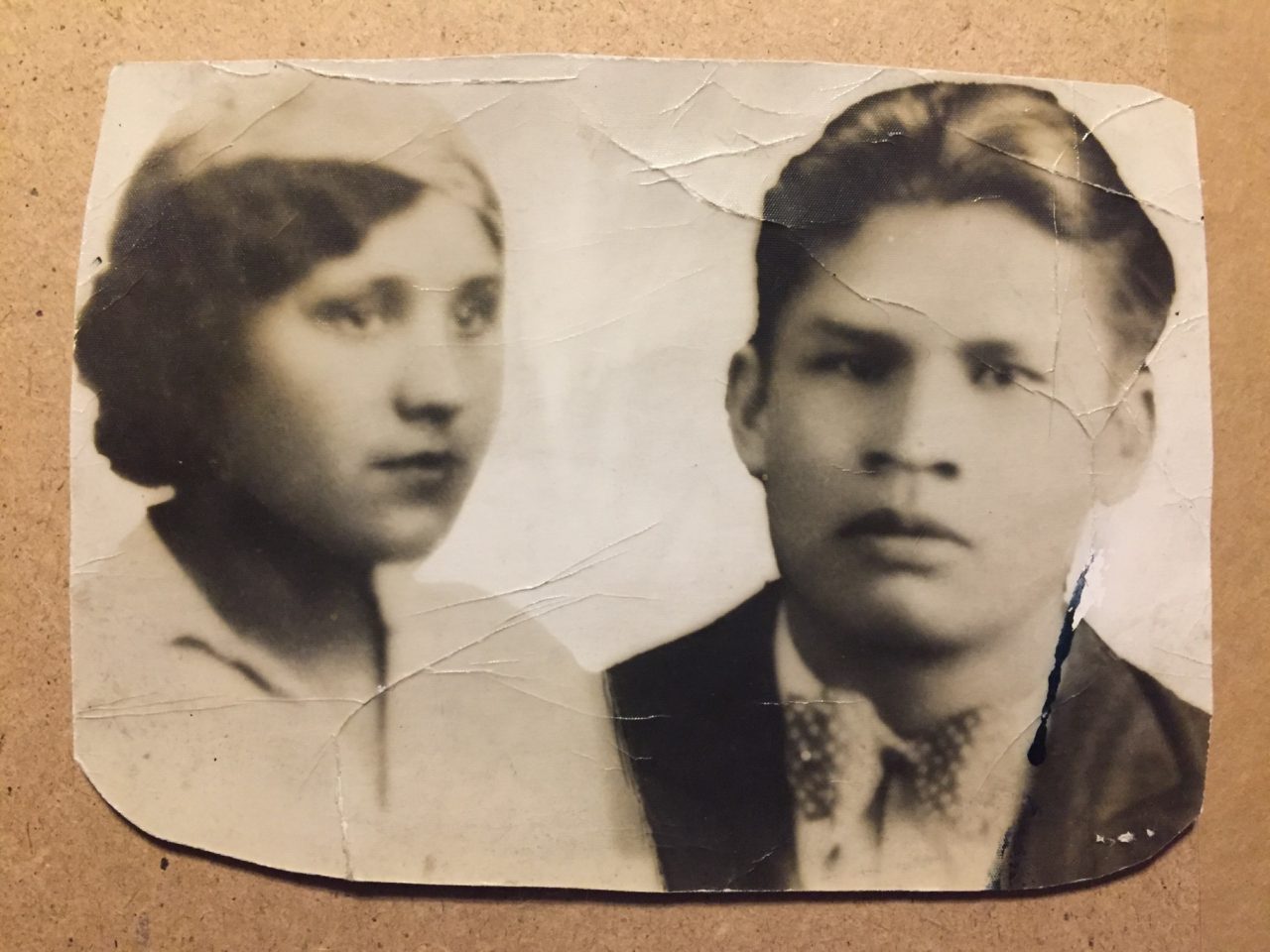 Serafima Artamonov and Jorge Maikot Photo: From Personal Archive
And I am insanely sorry for my grandmother Seraphim. I feel sorry for them with my dad’s hungry years, I feel sorry for the dad-little dad, answering, as my mother taught, “went missing” to questions about his father. I feel sorry for the adult dad, who had believed all his life in death, which was not. It is unbearable to read my father’s “Letter to Father”, written in vain. I could never imagine a plot in which life, miraculously finding himself in the place of death, can bring such bitterness. “He just threw them both,” I repeat to myself. He left, without opening his real name to Seraphim, leaving her to live with a conspiratorial legend about Horge Maykoota, never returned, did not make himself felt, did not assure his love, did not free herself from a vow of fidelity.
I tell dad a general information about Horhe-Draudo from the questionnaire-I try thin ice. “At the end, there are documents that say that they seemed to be going to send him back to Mexico,” I tell him. “Maybe he could not tell Seraphim that he was leaving.” He signed the paper on the rules of conspiracy! "
"He could not leave his family!" - answers dad.
And now he is an impossible choice between tragedy and triviality, between the story of the return of the hero and the history of a deceived woman. I ask myself a question and cannot answer it: who would I prefer in my father's place? The father of the dead - the holy martyr, the victim of the regime, the ashes in the Siberian land, the hero to be eternal mourning? Or the father of the living - who left his wife, a son who has left for his homeland to continue the struggle for the happiness of the proletariat, the father, in whom he believed all his life and who knocked everything over, finally received a currency instead of a bullet from the USSR, safely and tactlessly survived his Russian lover for six years? Here we cannot choose between death and life. I can't choose. And dad cannot choose.
I read about the International Lenin School. This school - the brainchild of Otto Kuusinen - from 1926 to 1938 prepared personnel of the Communist Parties for the entire planet, the first rector was Bukharin, the chairman of the board of the school - Togliatti. Among the school graduates are Josip Broz Tito and Erich Honecker.
Секретность строжайшая: по прибытии новых студентов содержали в «изоляционном блоке» и только после одобрения мандатной комиссии их выпускали в общие помещения школы. Факт обучения в школе студенты должны были хранить в тайне даже от самых близких людей. Каждому студенту нужно было придумать себе псевдоним и легенду.
Хорхе Майкот вовремя покинул и школу, и страну. МЛШ закрылась осенью 1937 года. Георгий Алиханян, завотделом кадров Коминтерна, отчим Елены Боннэр, который «наметил» Хорхе Майкота «к отправке для партработы» в Мексику, расстрелян в 1938 году. Клавдия Кирсанова — директор школы, в конце 1937 года с позором исключена из партии за связь с врагами народа.
Я рассказал о результате поисков моей старшей сестре Наташе (папиной падчерице). Она тоже жила с нами на даче и дотошно расспрашивала бабушку Серафиму о Хорхе Майкоте. «Бабушка мне отвечала, — говорит Наташа, — что Хорхе “приходил прощаться, просил прощения, плакал, стоял на коленях, целовал всем руки”, я точно помню»! Что если так все и было? И много лет бабушка выдавала желаемое за действительное: защищала уязвленную гордость, прятала старую обиду, не признавалась, что Хорхе просто бросил ее. Но если она говорила Наташе правду, то почему никогда не рассказывала об этом своему сыну? Почему папа все это время считал Хорхе погибшим?
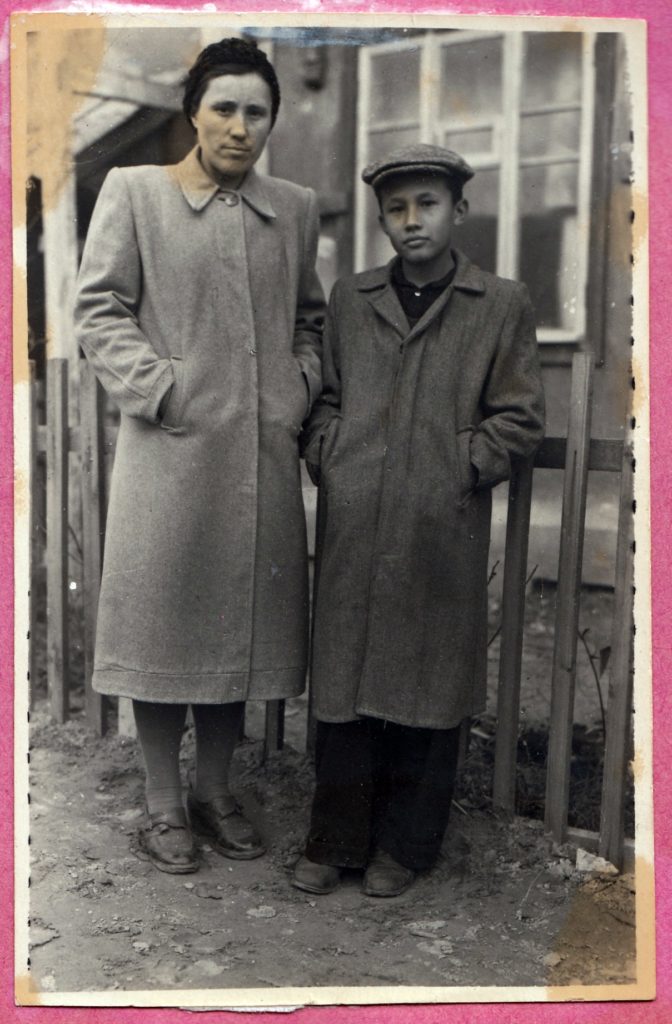 Мой отец, сын Хорхе Майкота, со своей матерью Серафимой Фото: из личного архива
Я тоже вдруг вспоминаю! Бабушка была диаконисой (женщина-диакон) в церкви адвентистов седьмого дня. К ним время от времени приезжали братья по вере из Америки, и вот однажды, рассказывала она мне, автобус, делегация, проповедники и фотограф в темных очках, он снимал визит делегации и — украдкой — ее, Серафиму. Бабушка рассуждала, что это, конечно, был Хорхе, он приехал посмотреть на нее, проведать, как она, но, разумеется, он не мог себя выдать, а потом все спешили обратно, в автобус. «Не мог же он всех задерживать!» Он так и не снял темные очки, но он знал, что она обо всем сама догадается, все поймет!
Через несколько недель папа вспомнил, что Серафима говорила ему когда-то: «Мы ходили провожать Хорхе на Виндавский вокзал, и он держал тебя маленького на руках». Виндавский — старое название Рижского вокзала. Оттуда поезда уходят на запад. А лагеря-то — они же на востоке, на севере. Значит, не было лагеря, была дорога в обратную сторону от смерти. Приговор отменили, папа простил отца, поменял Сибирь на Мексику, и теперь уже я мог рассказать ему, что было потом.
Мексиканские родственники
А потом Фернандес Флорес Доротео вернулся в Мексику. Он женился в 1945 году. У него было пятеро сыновей и четыре дочери. Девять младших братьев и сестер моего папы. Нора, дочь Доротео, училась в Москве, в РУДН, в те годы, когда папа работал буквально через дорогу — во Втором медицинском институте. Через Виктора Хейфеца Нора получила мое письмо, в котором я описал историю Хорхе Майкота, Серафимы и моего отца. Нора ответила —и завязалась переписка: она пишет папе электронные письма на русском и присылает старые фотографии. Пер Гюнт возвращается домой.
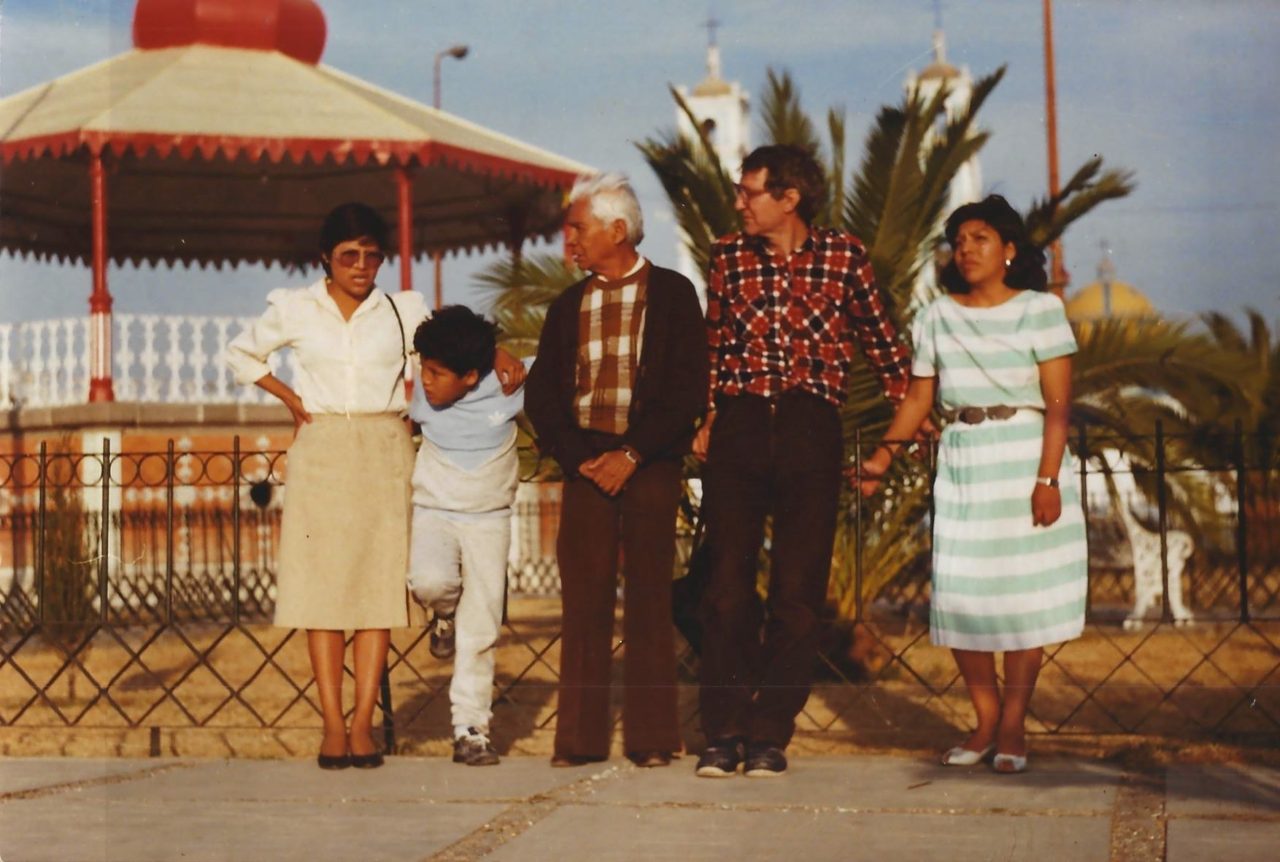 Фернандес Флорес Доротео со своей семьей в Пуэбле (Мексика) Фото: из личного архива
«Доротео до последних дней своей жизни был коммунистом. С 17 лет он начал свою политическую деятельность на фабрике, а затем и с крестьянами. Он был пионером в борьбе за бесплатное медицинское страхование в Мексике. Он был настоящим лидером и всегда был против несправедливости и эксплуатации и против этого боролся. Он был за это в тюрьме несколько раз, нo не был в тюрьме больше месяца, за исключением одного случая, который был почти год и в одной из худших тюрем в стране, Лекумберри».
«Когда мы были в первый раз в российском посольстве в Мехико, Доротео очень помнил русские сосиски и маринованные огурцы, и он попросил их на русском языке».
«Он в первую очередь принадлежал партии, бедным, народу. Благодаря ему и другим коммунистам у рабочих есть бесплатное здравоохранение, восьмичасовые рабочие дни, профсоюз, который регулирует отношения работодателя и рабочего. Некоторые политологи пишут, что у левых партий этих времен больше нет таких людей, как коммунисты 30—60-х годов. Я очень горжусь нашим отцом».
Обучение в Международной ленинской школе действительно долго оставалось в секрете: «Я вспомнила, что папа рассказал нам свои псевдонимы только в 90-х годах».
Доротео ходил на службу до 90 лет, продолжая трудиться на благо крестьян и фермеров. Когда у него началась глаукома, одна из его дочерей каждый день возила его на работу. Только последние четыре года из своей 94-летней жизни он провел дома, когда уже был не в силах подниматься по лестницам. На его похоронах благодарные крестьяне хором пели «Интернационал».
Папа читает о своем отце: «[Доротео] любил классическую музыку («Кармен» и «Лебединое озеро» были его фаворитами). С семи лет играл на скрипке, а когда был молод, на тромбоне. Он играл в фабричном оркестре, где работал. […] Он очень любил читать. И любил сельское хозяйство и был очень хорошим фермером. Oн получал лучшие урожаи, чем другие соседние фермеры. Доротео был человеком со многими талантами, но, без сомнения, лучшим из них — защитником нуждающихся, бедных».
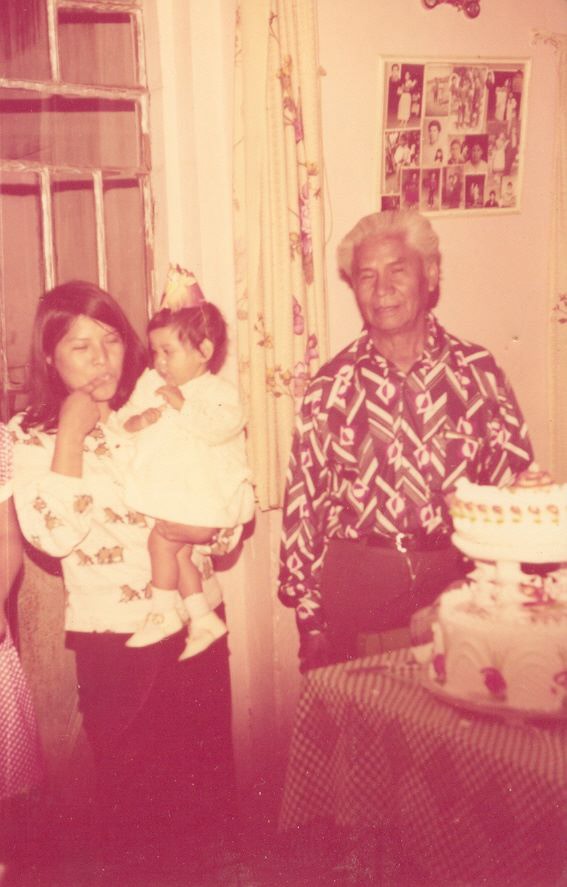 Фернандес Флорес Доротео и его дочь Нора Фото: из личного архива
Жена Доротео умерла в 1977 году, с тех пор он жил со своими детьми, которые постепенно заводили свои семьи и строили свои дома. И постепенно умирали от наследственной болезни — пятеро из девяти умерли, прожив по 40 — 50 лет. Среди них — сын по имени Ленин. У папы был брат по имени Ленин. Мой дядя — Ленин. Он рано женился, преподавал музыку в начальной школе. Вроде бы собирался сменить имя, но родня все равно звала его Ленин. А вот брат Ленина — Рикардо — назвал своего сына Иисус Гавриил. Я вижу его на фотографии — он играет на ударной установке. Иисус — племянник Ленина.
Но и Владимир Ильич тоже здесь, рядом. Нора пишет своему брату — моему отцу: «Все-таки хотела бы сказать тебе, что у меня есть портрет Ленина с надписью “Самый человечный человек”, и я всегда думала, что тот, кто сделал эту надпись, имел в виду Доротео, нашего отца».
«Мы будем очень рады, если ты приедешь, но если поездка поставит тебя под угрозу (я знаю, что твое здоровье не очень хорошее), я поеду навестить тебя, как только пройдет зима», — пишет Нора. Папа ждет весну.
Return
Так вот, 80 лет назад, Доротео вернулся в Мексику.
«Мне было почти 50 лет (в 2003 году), когда отец сказал мне, что у него есть сын в России. Тогда я спросила его: “Где он?” “Не знаю”, — ответил он. Я не могла понять, как такой отец, как он, который когда-то говорил, что отец должен защищать, ухаживать за своей семьей, как тигр, не знал, где его сын. Поэтому я спросила его, в чем причина, по которой он не знал местонахождение своего сына. “Война началась, и я не мог найти их”, — ответил он. И разговор закончился», — писала Нора. Папа плакал, когда читал это.
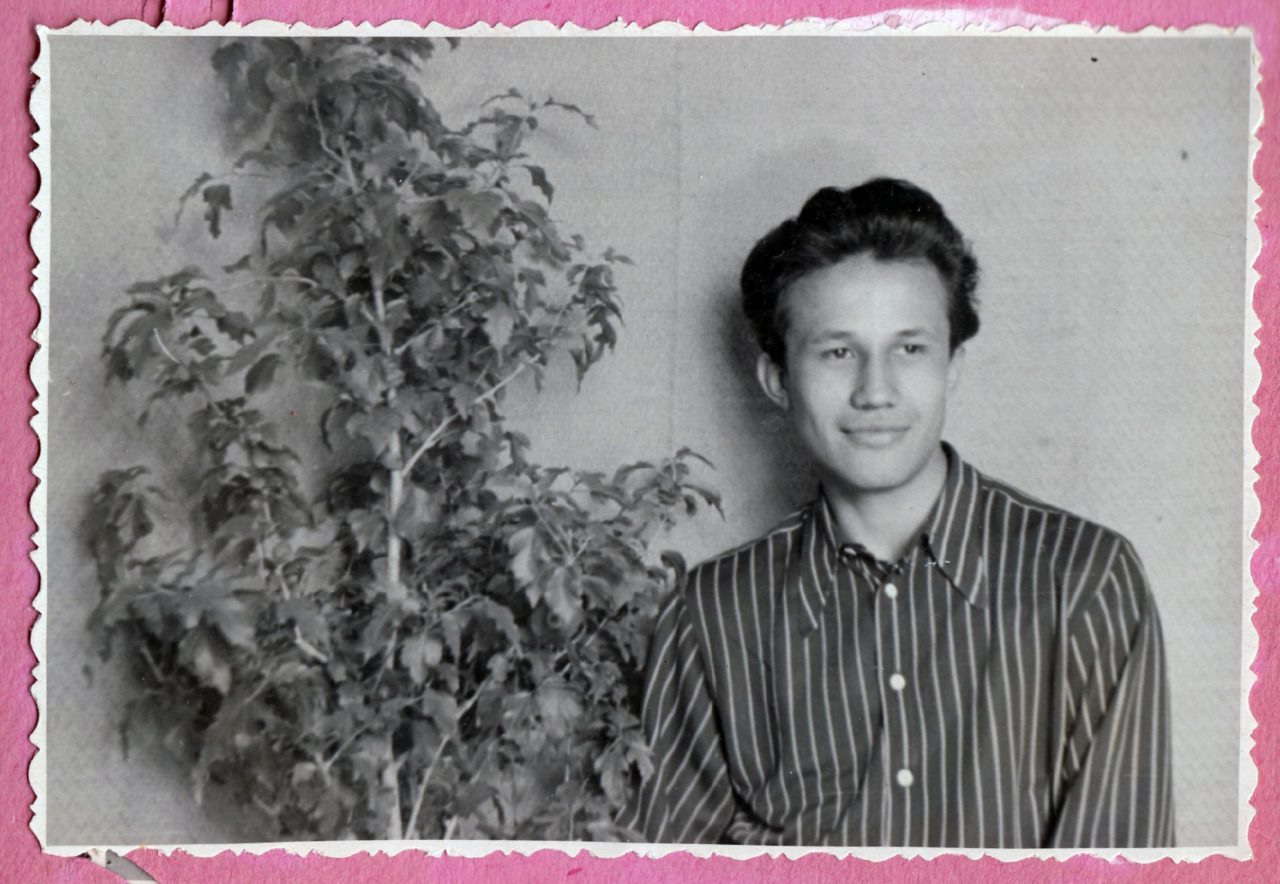 Мой отец, сын Хорхе Майкота Фото: из личного архива
У Доротео была сестра Хуана. Норе известно, что Доротео признался Хуане, что у него есть сын в России, такого же возраста, как и сын Хуаны, который родился в 1937 году.
«После смерти отца я узнала, что при возвращении из России в 1937 году Доротео рассказал своим родителям, брату и сестрам о его русском сыне», — пишет Нора.
И еще: «Доротео был очень взволнован, когда узнал о фейсбуке, и спросил, если можно было, найти людей через него. Несколько дней спустя он заболел, чтобы не выздоравливать».
Вот и все, что удалось узнать о том, как Доротео помнил своего сына. Но этого было достаточно, чтобы папа принял историю своего отца, его большую трудную жизнь, подчиненную убеждениям; жизнь отца, которому пришлось хоронить своих детей; отца, который всегда помнил своего первенца, пусть даже и не мог найти его.
Еще Норе известно, что в 1966 году Доротео уезжал в Москву, провел там восемь месяцев, но никакой конкретной информации об этой поездке у нее нет. Брал ли он с собой в Москву фотоаппарат и темные очки?
Текст публикуется в сокращенном виде.
архивы Музей ГУЛАГа семейная история