
Translated material
Propaganda against reality
How true the five popular statements about Crimean achievements are
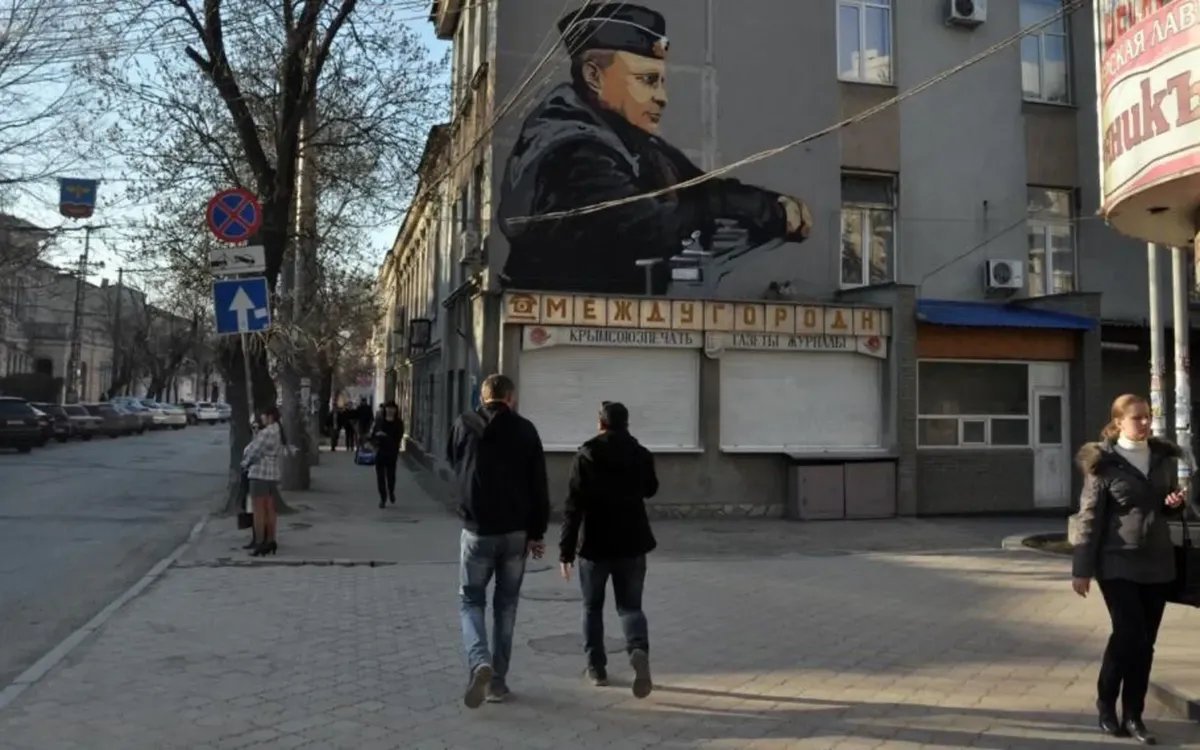
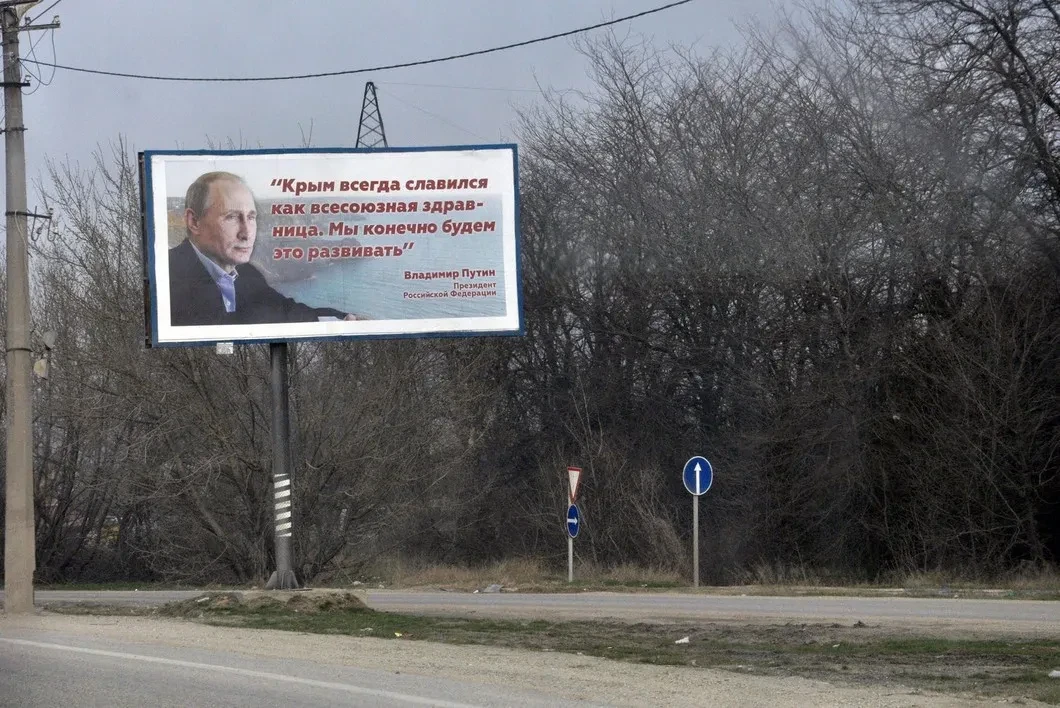
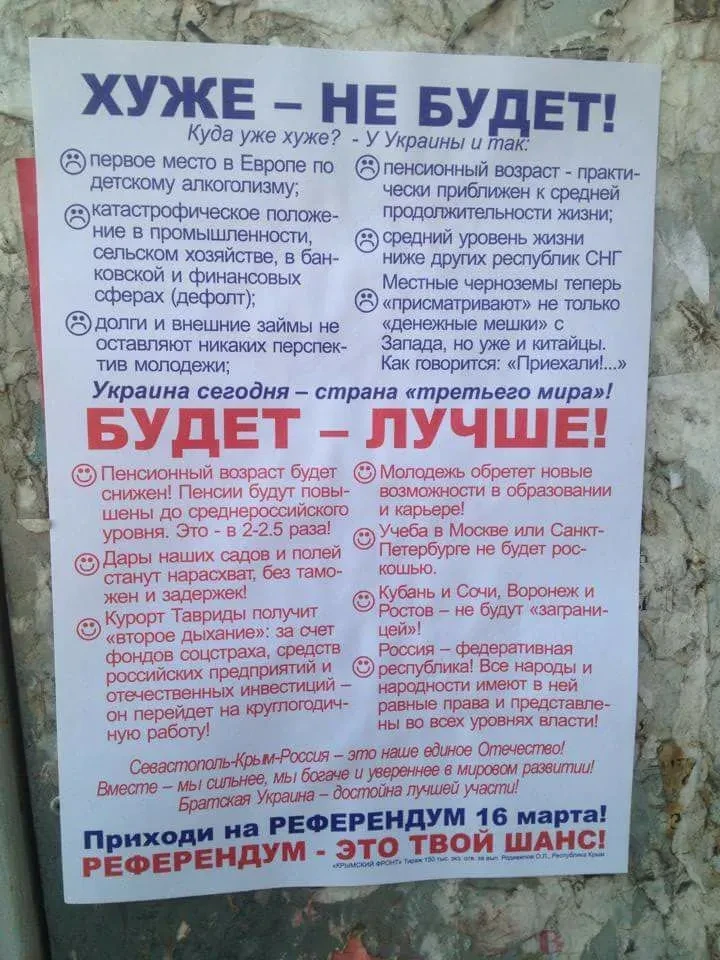
Five years ago, March 16, 2014, a referendum on the status of Crimea was held. During the vote, the republic was already under the control of “polite people”. During the agitation period, the peninsula was covered with pro -Russian leaflets with promises of the best life and development of the region. The propagandists were not trifled and guaranteed the Crimeans a bright future in Russia. New breathing resorts, a decrease in retirement age, high salaries and pensions were contrasted with the "fascist" horrors of Ukraine.
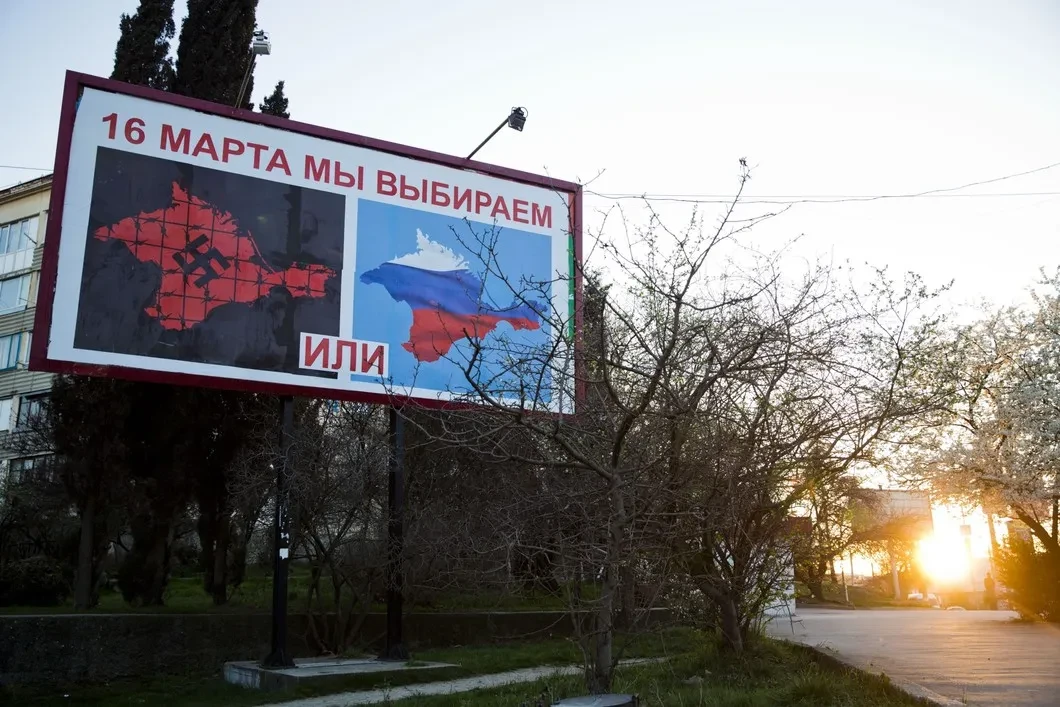
According to official figures “For the reunification of Crimea with Russia”, more than 96% of the population voted. Based on the results of the referendum, on March 18, Russia brought Crimea to the Russian Federation. The next five years, the Russian media outlinedly notified of the incredible successes of the Russian Crimea. How real is the Crimean achievements and have promises of a better life in Russia came true?
Tourism beats all records!
Crimean tourism records are one of the most popular topics of Russian propaganda. At the end of the 2018 season, the media filled the headings about the next record. The Russian Crimea is again at an altitude - the record of “Ukrainian” times, 6.1 million tourists in 2012, finally, was beaten. The media reported about the best season for all the post -Soviet time - almost 7 million tourists in 2018.
Moreover, almost a million - tourists from Ukraine. Incredible achievement!
The achievement is indeed unlikely, and the truthfulness of the numbers is in doubt. The main questions are to the methodology of counting tourists. If you do not take overnights in hotels as a basis, but passenger traffic across the administrative border and consider it all who crossed this border, then the figure of 7 million seems quite realistic.
Even the data of the Russian Crimenstat question the statement of 7 million tourists. In a press release on the Day of Tourism, Crimenstat reports that for 6 months of 2018 in “collective accommodation products” ( hotels, hostels, boarding houses - approx .) “Held over and rested” 481.6 thousand people, while about 95% were Russian citizens. Even if we take into account a certain number of tourists after the release of the press release on September 27 (that is, after the end of the main season), these figures are incomparably lower than 7 million.
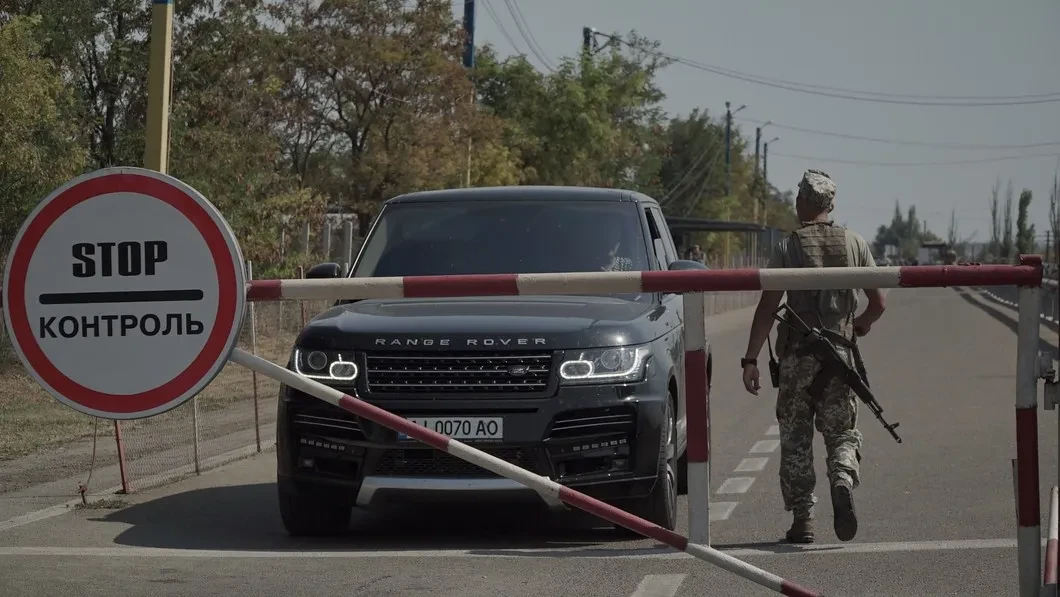
A million tourists from Ukraine also confirms the incorrectness of the calculation methodology. According to the State Border Service of Ukraine, in 2018, the number of cross -border crossings was really a little more than a million people - 1.216 million in the Crimea and 1.226 back to Ukraine. According to the logic of Russian officials, all of them are tourists, not the inhabitants of the Crimea itself and the neighboring Kherson region.
People go to visit relatives, resolve issues with pensions and benefits, resolve financial issues. It would be strange to consider them tourists.
Pensions and salaries are higher, life is better!
The promises of tempting Russian salaries and pensions played an important role in the Crimean referendum. In 2014, Ukrainian salaries and pensions were significantly lower than Russian and the prospect of receiving how Russians looked extremely attractive. Indeed, and pensions and salaries grew to Russian standards. The average pension in Crimea is now 12 thousand rubles ($ 180), and the average salary reached almost 29 thousand rubles ($ 435) per month. Officials are reporting to the growth of income and promise not to stop there.
In fact, everything, of course, is not so rosy with the financial situation of the population. Pensioners are 30% of the population of the peninsula, and they live in a retirement of only 12 thousand ($ 180). The average salary, of course, is higher, but this is not the salary of most residents of Crimea. The gap between those who receive a lot of those who receive very little is one of the largest in Russia. Crimea is in 69th place out of 85 in the rating according to the level and distribution of salaries. The salary of less than 15 thousand rubles ($ 225) receives almost 30% of the population, and more than 100 thousand ($ 1505) - this, for example, officials - only 0.85%.
That is, most ordinary Crimeans are forced to live on a very modest salary. In total, 45% of residents are employed.
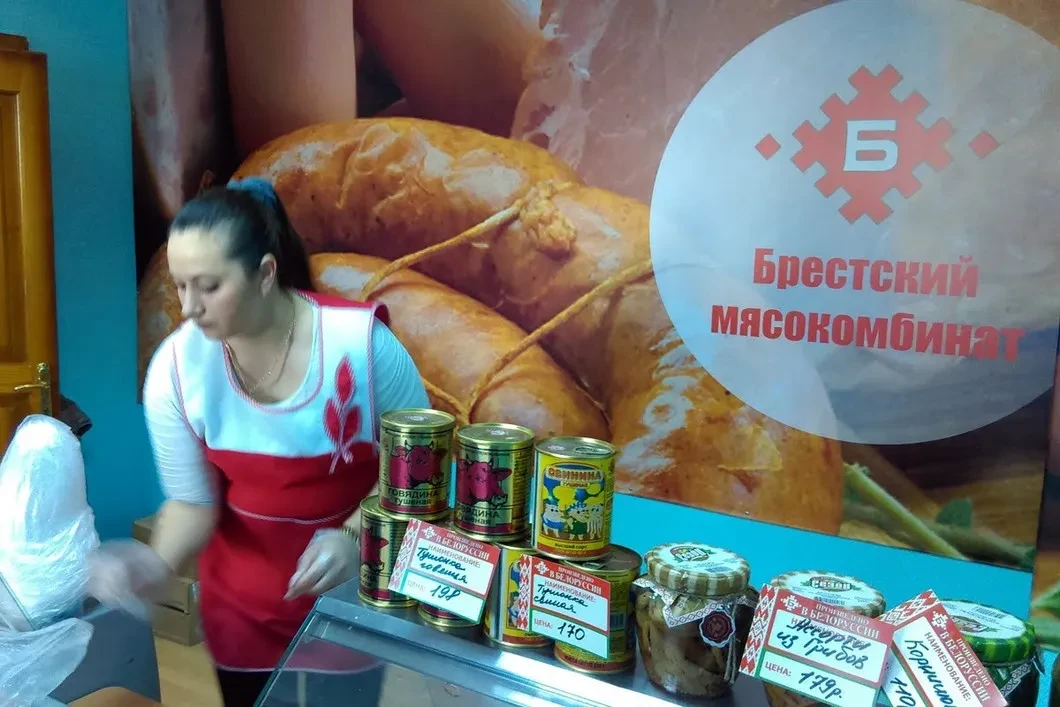
Together with average income in Crimea, prices for goods and services rose, and rose disproportionately to salaries and pensions. If the Crimean income is lower than the average in Russia, then the prices on the peninsula for some goods and services are comparable to the Moscow ones. The reasons for such prices are both in the transport isolation of Crimea, and in the absence of sufficient own production. Rising prices is not going to stop either in Crimea or in Russia. In addition, since 2019, VAT and excise taxes have increased for fuel, which will also negatively affect prices.
It turns out that, together with salaries below the Central Russian Crimeans, practically Moscow prices received.
And the budget is growing, and its own income!
The budget of the region is growing large -scale, and - the main pride of Russian officials - the own income of Crimea, the media reports. The ministers are impressed, here it is - proof of the economic achievements of Crimea.
The budget really has grown, and significantly. In 2018, the regional budget amounted to 168 billion rubles ($ 2.5 billion). Dutations and subsidies are still the main sources of the Crimean treasury. The so -called "gratuitous revenues" in the budget amounted to about 77%. In 2018, the “Crimea” cost the Russians 129 and a half billion rubles ($ 1.95 billion).
But the Russian media focus on important progress - the growth of Crimea's own income has increased too! And again, the truth has increased. But due to what?
Of the 38 billion rubles ($ 571 million) of the peninsula of the peninsula, about 17 billion ($ 255 million) is a tax on income from individuals. Plus excise tax - 5.5 billion ($ 82.7 million), which also falls on the shoulders of ordinary consumers. It turns out that almost 60% of the Crimea's own income comes from the pockets of Crimeans. That is, income growth occurs due to the growth of tax burden on the local population.
There is also an increase in non -tax revenues, but it is explained by the sale of previously nationalized enterprises and boarding houses.
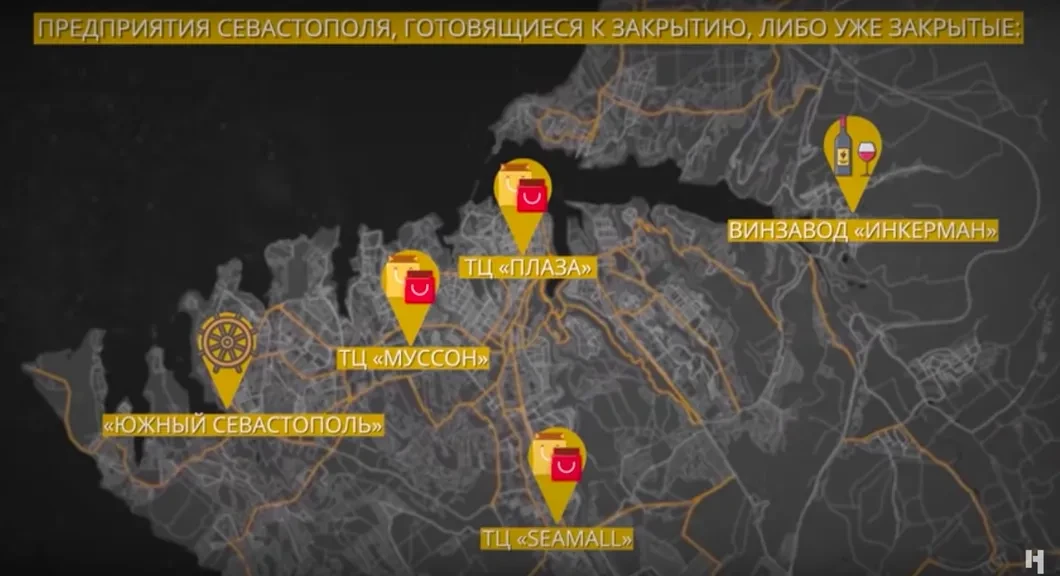
After the accession of Crimea, local enterprises are on the verge of bankrupt and sold out, the investment climate does not attract finances, and the status of an unrecognized territory does not help.
Now many Crimean factories are coming from a hammer. For example, the legendary champagne plant “New World” was sold for only 1.5 billion rubles ($ 22.7 million). The factory was gained by Yuri Kovalchuk, the main shareholder of the Bank "Russia" and the associate of Putin. Next in line is Crimehleb and Crimelecom.
All peoples have equal rights!
According to the Russian media, “polite people” came to save Crimeans from under the “rink of nationalists”. The Russian authorities promised the protection of Russians and the guarantee of the rights of all national minorities. “All peoples and nations have equal rights in Russia and are represented at all levels of power,” one of the agite said.
As a result of accession in Crimea, in fact, the dictatorship of Russian culture was established. The Crimean Tatars, the indigenous population of Crimea, which openly opposed the accession to Russia, have been subjected to repression for five years. The Majlis of the Crimean Tatar people, the traditional institution of self -government of the Tatars, and the Islamic organization of the Tables of Jamaat are prohibited as extremist. Hizb Ut-Tahrir, the Panishmist Political Party, acting with non-violent methods, is recognized as terrorist in Russia. Members of Hizb Ut-Tahrir are accused of trying to violent seizure of power, and lawyers and human rights activists who represent the interests of the persecuted themselves become objects of persecution.
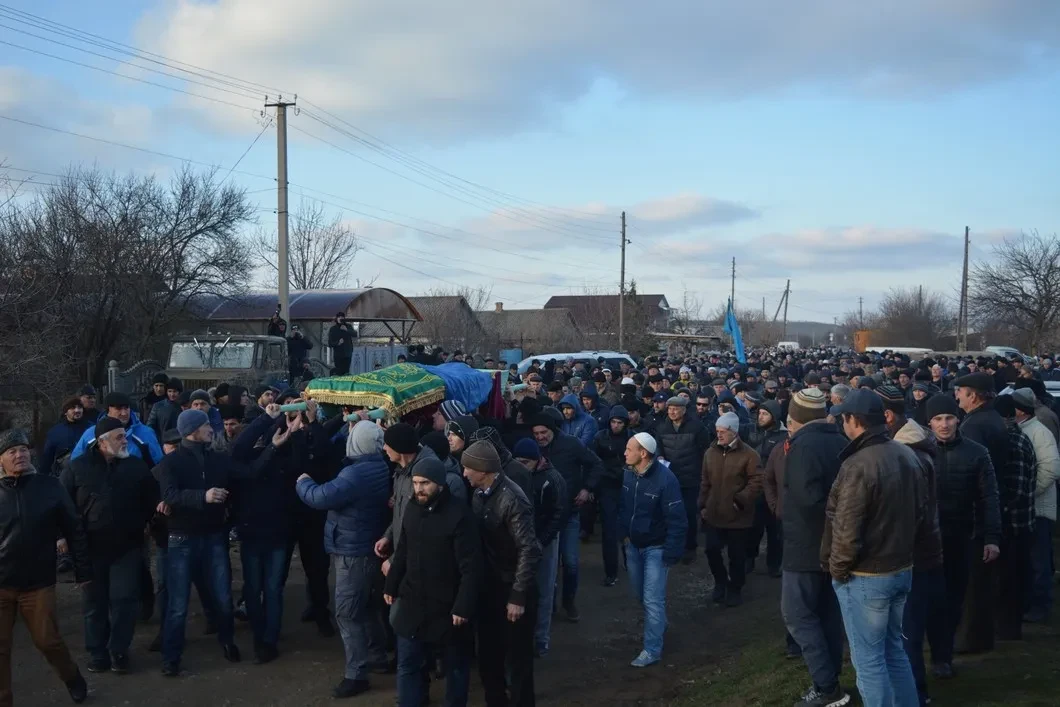
Crimean Tatar and pro -Ukrainian activists go to prison, disappear, die. Human rights activists talk about 17 missing, 12 dead and 39 political prisoners, 10 of which have already been convicted.
In addition, there were no independent media in Crimea that could objectively cover the situation in the region. Searches in houses and apartments of journalists, detention, interrogations, “invitations” for conversations at the Ministry of Internal Affairs, the Investigative Committee, the Prosecutor's Office and the FSB became a frequent occurrence for Crimea. And in the words of independent journalists, the Russian authorities saw calls for separatism. As a result, the media either stopped existing or moved to Ukraine.
Crimean bridge in a bright future!
The Kerch bridge has become a symbol of Crimean success for Russia, a kind of bam of modern Russia. The ambitious project was announced immediately after the accession and now, after five years, the bridge was built. The automobile traffic was launched in May 2018, and they promise to start railway by December 2019.
19 kilometers, 227.9 billion rubles ($ 3.4 billion), 5 years. What is the result? Did the bridge solve the problem of isolation of the attached peninsula or the main achievement of the Crimean bridge - the script of Margarita Simonyan?
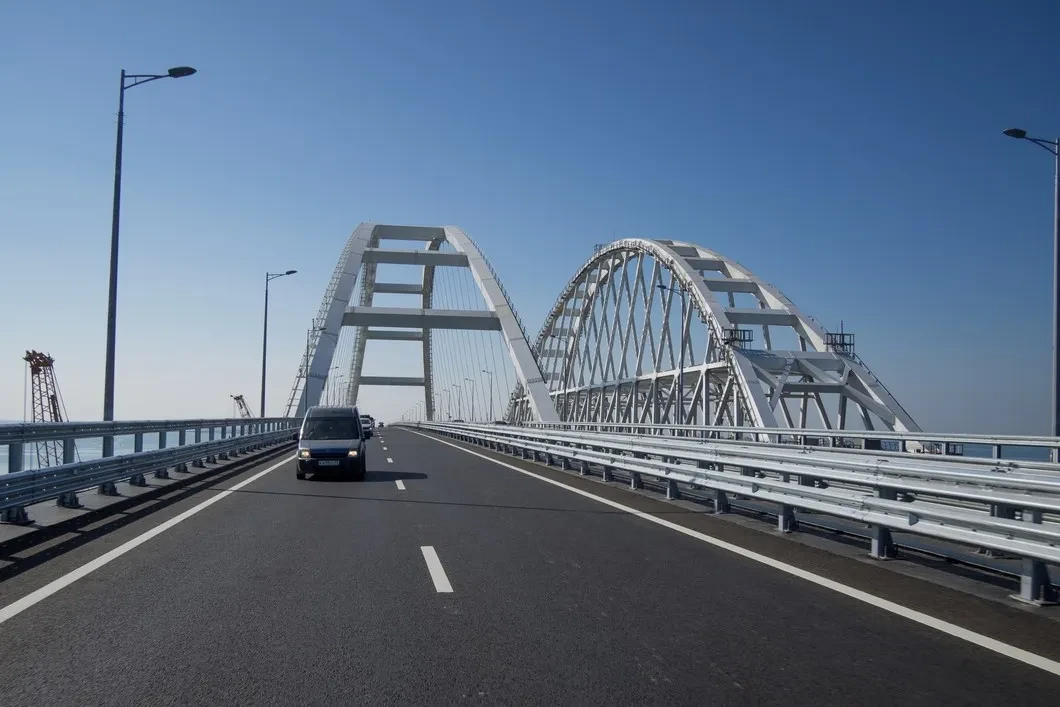
Tourists from Russia, in particular Russians arriving in cars, really have become more, says Alexander Bourdonov, chairman of the Crimean Crimea. Perhaps Russian tourists will still increase with the launch of railway communication - before joining, the Russians traveled to Crimea mainly by trains through mainland Ukraine. But of course, Ukrainian tourists, who until 2014, made a bridge, of course, you can’t return.
The construction of the bridge was also not particularly affected by prices. And far from the fact that something will change with the launch of trains. So far, prices in Crimea are comparable to the capital.
The Kerch bridge connects Crimea only with Russia. From the rest of the world, the peninsula is separated not so much by the sea as the status of an unrecognized territory. International sanctions prohibit Crimean goods, investments in the peninsula, travel services, trade and provision of services in technological sectors in the Crimea. The banking system is isolated, VISA and MasterCard payment system cards are not issued by Crimean banks, although it is still quite realistic to pay in Crimea to mainland cards. Crimea remains isolated from the rest of the world, and the construction of the bridge causes Putin's geopolitical ambitions in foreign states.
Svetlana Kozlova , " Media network".