
Translated material
"Sends the whole nation"
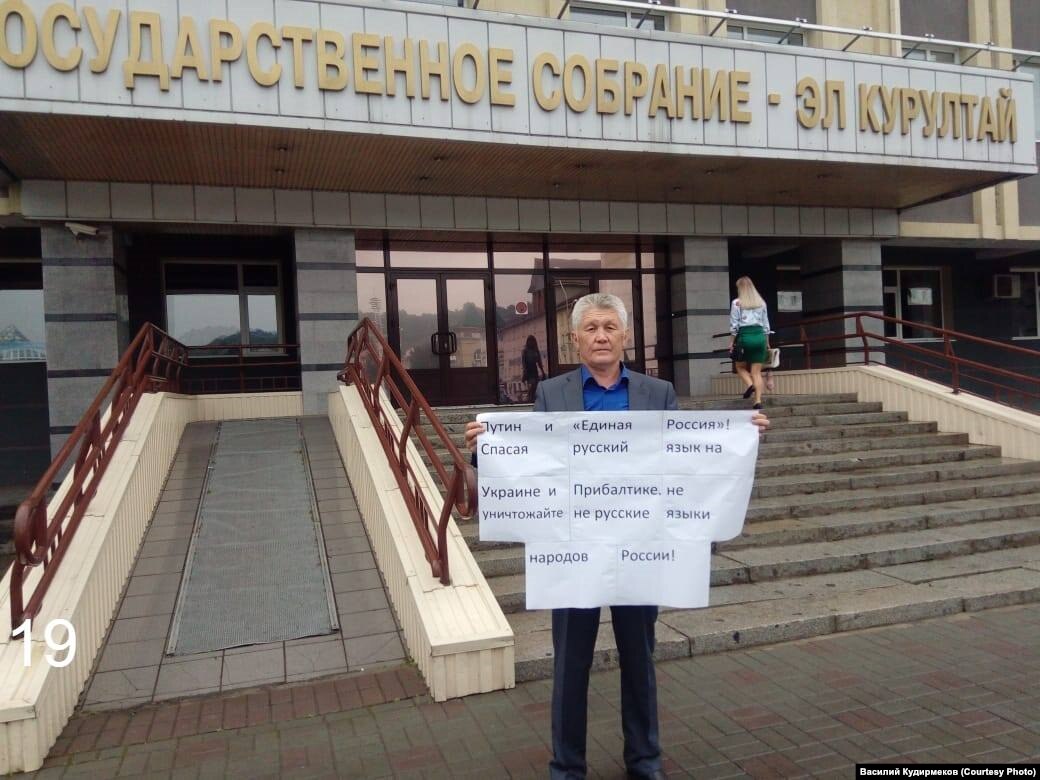
"The authorities have created such conditions that the Altai are forced to abandon their native language, and the children study it under the program for beginners as a foreign ..." - the participants of the Altai Kurultai public movement, uniting representatives of the indigenous peoples of the Altai Republic, made this statement .
First of all, the claims of activists are addressed to the current head of the region, Alexander Berdnikov, who, as the Kurultay’s statement said, “publicly sends the whole Altai people to the silent approval of all deputies of United Russia.
According to the head of Altai Kurultay, Vasily Kudirmekova, problems with the native language of the indigenous people of the region are associated with the secretly pursued policy of assimilation of the "non -Russian peoples".
When I began to fight for the right of our children to learn their native language, local officials glued me the label of a nationalist, a separatist
- I have no doubt that this is initiated from Moscow. Of course, not open text. But local officials perfectly capture the signals from the center and act accordingly, ”says Kudirmekov . -For example, in the Republic of Altai, an unspoken installation in rural kindergartens even in groups consisting exclusively of Altai children, to conduct matinees only in Russian. And in schools it came to the point that at the beginning of the 21st century we did not have a modern primer in Altai! The former archers published back in the Soviet Union became unusable, but new ones did not appear. When my daughter went to first grade, I had to carry her to the other end of the city, because only there was teaching in Altai. With great difficulty in two decades, we have ensured that the Altai language at least in some form, but was taught in all schools in Gorno-Altaysk. Now no one is surprised at this and consider it the norm. But earlier, when I began to fight for the right of our children to learn their native language, local officials glued me the label of the nationalist, the separatist, even tried to institute criminal proceedings against me.
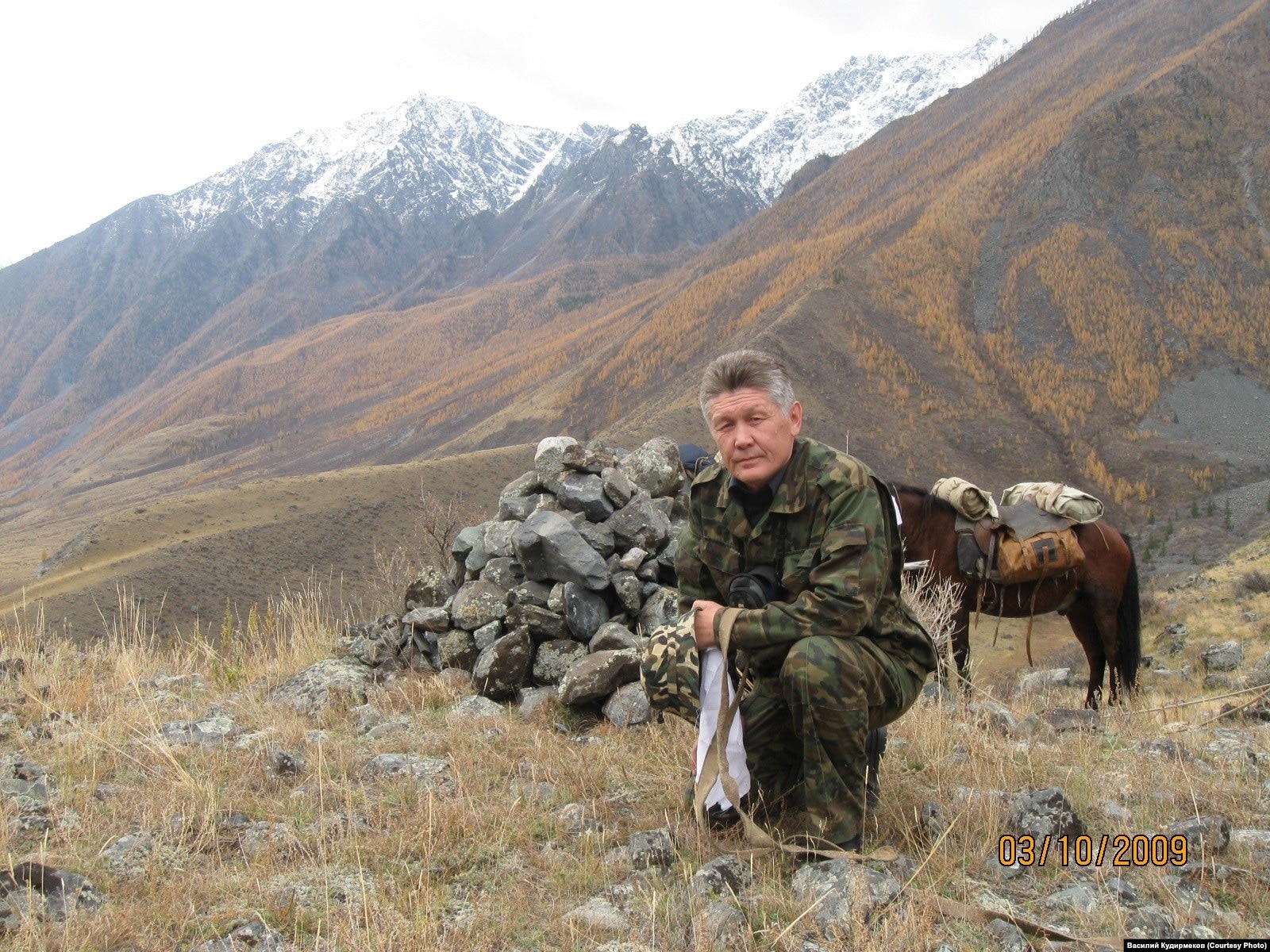
To blame Altai Enlighteners of nationalism is a long-standing Soviet tradition that goes into the history of great terror, when all the few Altai intelligentsia was sent to the camps, and its most striking representatives were destroyed as artist Grigory Choros-Gurkin, who in 1917 was the chairman of the Altai Mountain Duma, which proclaimed the right of the peoples of Altai to a cultural and political Autonomy in Russia. In 1937, the artist was shot for espionage in favor of Japan, although the real reason for the reprisal against him was rooted in the "separatism" of twenty years ago.
After the Second World War, the Stalinist policy of "Russification of the outskirts" of the Soviet Union actively continued, and even national names of autonomous regions disappeared from the country's map. So the city of OIrot-Tour became Gorno-Altai.
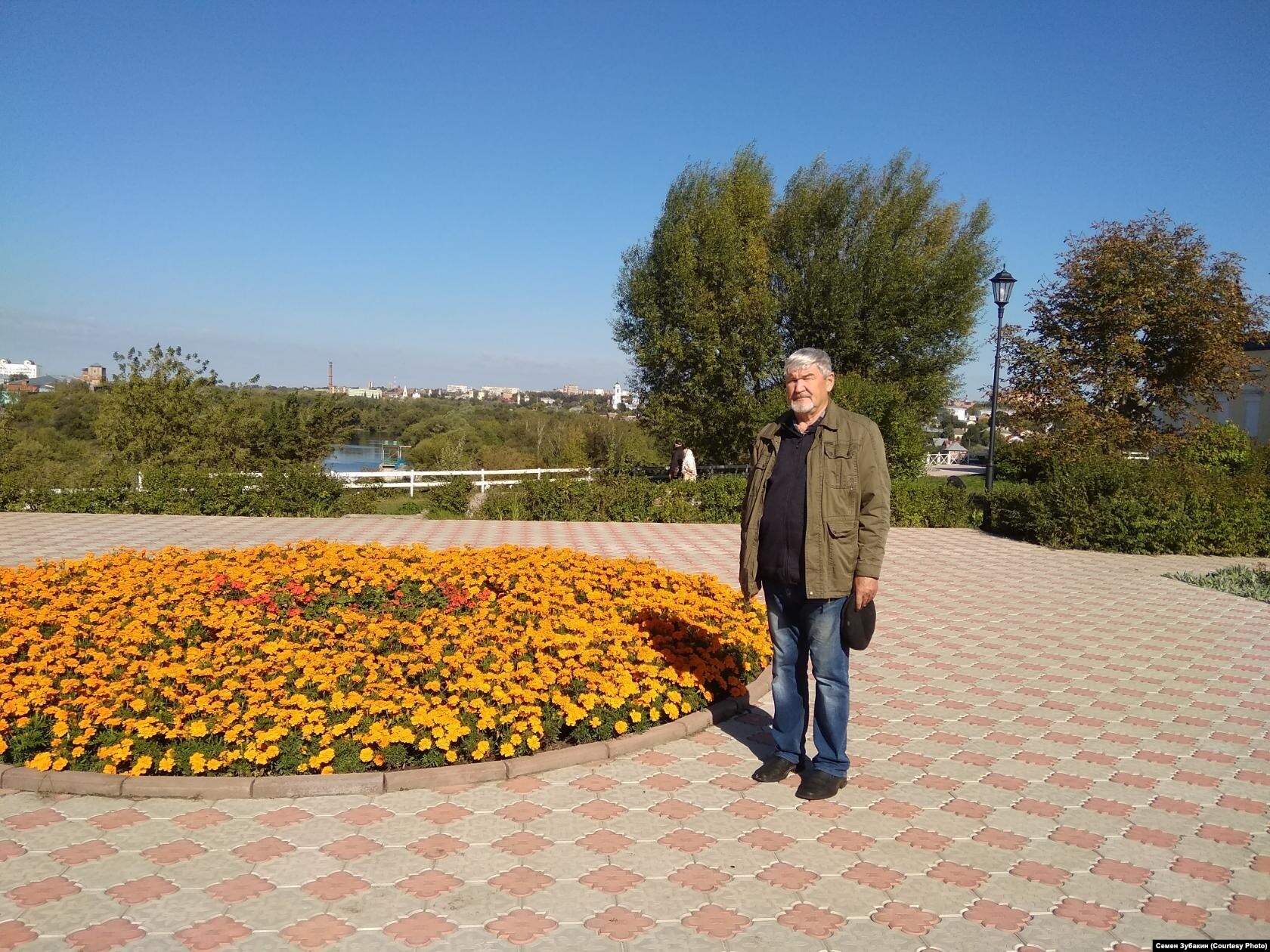
Nevertheless, in the Soviet period, newspapers, books and television and radio transmission in Altai were published, although the then party authorities were not too zealous in supporting languages of the indigenous population. Until 1992, Mountain Altai was part of the Altai Territory and had no republican status. The situation changed after the "department" when most of the indigenous residents announced their desire to develop national languages and culture. But then to realize this desire in the budget of the republic there was not a penny. It was possible to find some money only in the late nineties, when Ra was headed by Semyon Zubakin, elected with the support of the “Democratic Choice of Russia” movement.
- The salary arrears then amounted to 6-8 months, for children's benefits - a year and a half. Ambulance did not work due to the lack of gasoline. There were other problems. But as soon as free funds appeared, we allocated money for textbooks, support for studying the Altai language in educational institutions. And they did not allow national periodicals to die. The government proceeded from the fact that small peoples are supporting all over the world, trying to preserve their language and culture, ”recalls Zubakin .
In the 21st century, there were much more state money, but issues of national education disappeared from the federal agenda. A new course for Russification was fixed by the State Duma, which adopted in 2018 the resonant law on the study of the native language. As noted by the Rossiyskaya Gazeta, "the law was adopted in response to the president’s order to exclude a practice in which children were forced to study the national languages of the republics to the detriment of the Russian." Now parents of schoolchildren can choose their native language for their children. At the same time, the study of the title Russian remains mandatory - five hours a week. Three hours are released to study the native language. Therefore, those who choose Russian as a native, every year receive an additional hundred hours of language practice, which gives students more chances for the successful delivery of the exam.
“My husband is an Altaian, I strive for our children to know the Altai language as a native,” says Natalya Dolgikh from Gorno-Altaysk. “But we can speak this language only at home.” This tongue is almost nowhere. For admission to the university, only Russian is required. Naturally, all parents want their children to receive higher education.
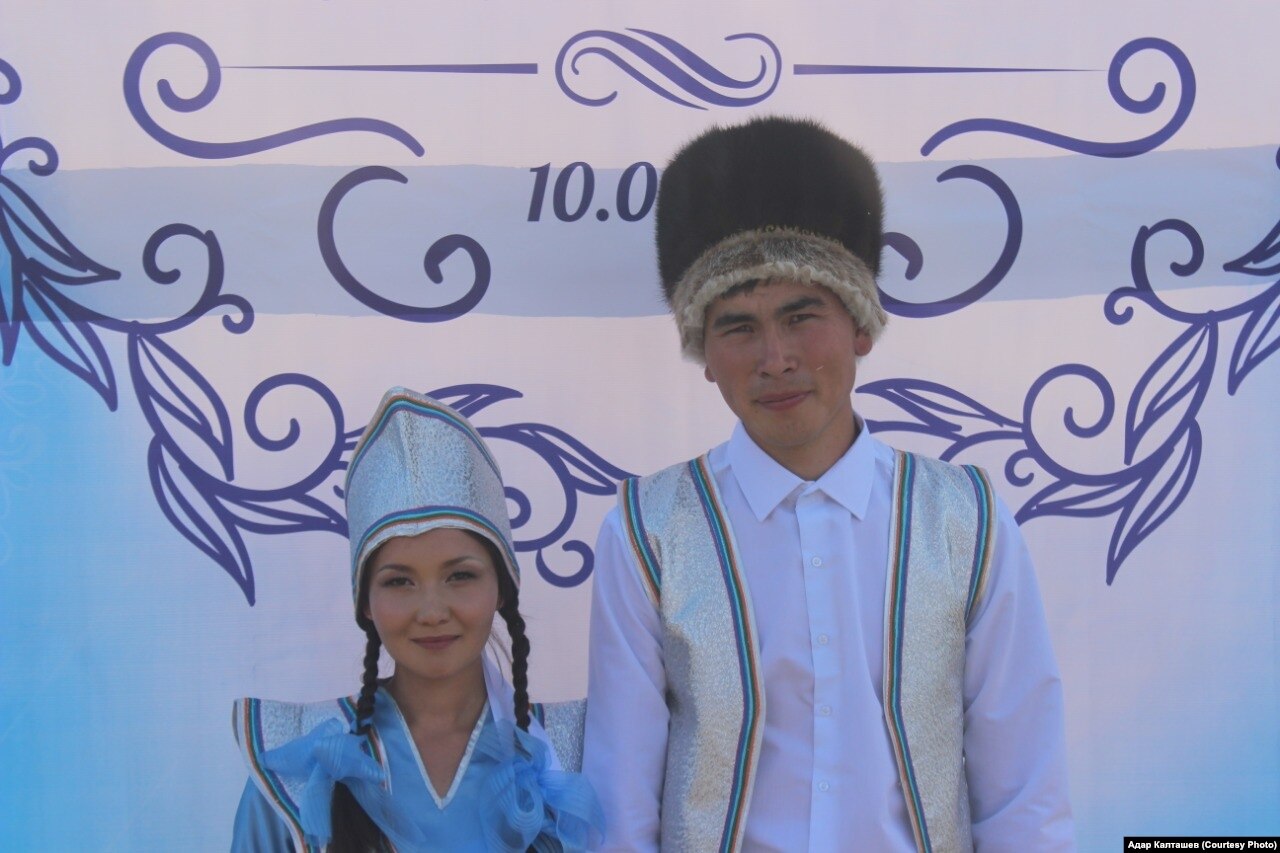
According to a resident of the village of Ayula, Chemall district Adar Kaltashev, the problem is that the Altai language is deliberately replaced by all social spheres of public life:
“If we strive at home so that the children know the Altai language, then already in kindergarten they communicate more in Russian,” says Adar Kaltashev . - The older the children become, the more the demand for the Altai language decreases for them. And this, of course, is a policy from above. Back in the early 2000s, the Altai language and Altai literature were taught in schools, and by the end of the decade, the native language became an option.
The well -known social activist and entrepreneur Amir Aytashev believes that the local government is unprofitable and uninteresting to support national languages:
The preservation of national minorities in Russia is only declared, but in reality they are destroyed
-I do not think that this is some special maliciousness, rather, the poor performance of their duties by officials responsible for the study of the Altai language. Evil is present except in the actions of the head of the republic, Alexander Berdnikov, limiting the financing of special programs for the development of the Altai language. He prefers to support other areas where it is possible to take budget funds corruption. And of course, the position of federal authorities is a great factor. The process of assimilation of small peoples today is completely open. The preservation of national minorities in Russia is only declared, but in reality they are destroyed, ”says Aitashev .
-Two or three years ago, at the Gorno-Altai school No. 7, I happened to observe a striking picture: out of hundreds of children, about ninety did not know the native Altai language! - says former deputy of the State Assembly El Kurulti Urmat Knyazev . - The exit of the tongue from everyday life begins at the family level. For modern schoolchildren, it is already almost foreign. The authorities do nothing, because there are no people interested in preserving the national language. Officials are changing, responsible persons are changing, but the situation only worsens. To turn this process back, political will is required, it is necessary to collect a wide range of specialists and interested parties. We need a dialogue of power and society. In the meantime, everyone is just talking about the problem, but they do nothing, because they do not see ways of the solution ...
The authorities are evading dialogue with the local intelligentsia, which is preoccupied with the dissolution of Altai languages in the stream of the great mighty federal Russian language. Apparently, representatives of the authorities, not without reason, believe that in the foreseeable future the problem will be solved by itself when current schoolchildren who do not know their native language grow. This generation, most likely, will no longer ask uncomfortable questions about the lost national identity.