
Translated material
Blagoveshchensk: searches passed by five "Jehovah's Witnesses"
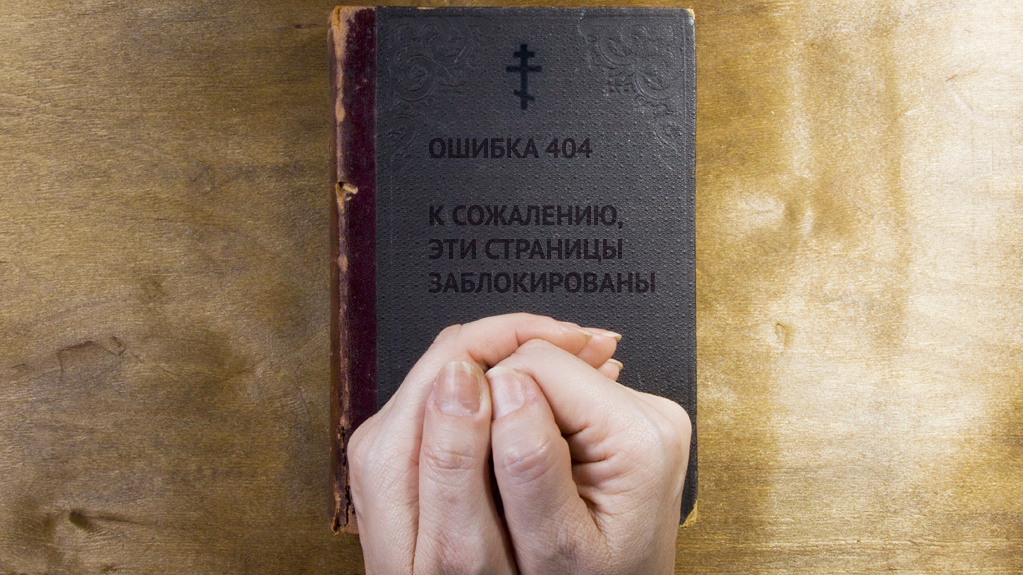
In the Amur Region, searches were held in the houses of five witnesses of Jehovah, according to the website of the religious association in Russia. According to the organization, the reason was the initiation of a criminal case under the article "Organization of the activities of an extremist organization."
Investigative actions took place on March 21 in the city of Zeya. As part of the investigation, one of Jehovah's Witnesses, 42-year-old Konstantin Moiseenko, who was released on a recognizance not to leave, became the suspect.
- According to Jehovah's Witnesses in Russia, in total in the country at least 37 people were sent prisons (pre -trial detention center or IVS), 21 of them are in jail, the rest of the preventive measure was softened.
- The Memorial human rights center recognized the 29 supporters of the Religious organization of Jehovah who were accused of extremism by the political prisoners of the religious organization, and urged them to free them immediately.
- On April 20, 2017, the Supreme Court of Russia decided to recognize the managerial center of Jehovah's Witnesses with an extremist organization. Since that time, according to the Memorial, 39 supporters of the religious organization were criminalized. 29 of them, a preventive measure associated with the restriction of freedom was chosen: 23 people are in jail, the rest - under house arrest.
- Most of the arrested charges were charged under the article "Organization of the activities of a religious organization in respect of which a decision was made to liquidate in connection with the implementation of extremist activities."
- The Memorial separately notes that in the decision of the Supreme Court, there is not a single fact of violation by believers of public order, manifestation of aggression or violence on their part, evidence that their activities threatened the security of the Russian Federation. " The only action of Jehovah's witnesses, which was declared "extremist" by the court, is the spread of religious literature prohibited by Russian courts. However, these prohibitions, as noted by the "memorial", "were based on the attributing of Jehovah's witnesses to exciting religious growth in connection with their confidence in the correctness of their faith, which is the natural property of any religion." Wed on YouTube Wed to Yandex.Zen