
Translated material
Where an activist can be photographed
The right to collect information to which the photography refers to, is enshrined in Article 29 of the Constitution of the Russian Federation. Despite this, whether you take a photo for your Instagram or fix the egregious violation of the law, you are not safe from unreasonable prohibitions on shooting. In order for your right to be violated, it is important to know where you can take pictures and where the shooting is prohibited. The senior lawyer of the Media Protection Center Svetlana Kuzevanova specifically for a greenhouse spoke about the rules for shooting in places where activists most often take off.
Public places
As a general rule, you can photograph in all public places. These include parks, squares, streets, courtyards, squares, public transport, stadiums and other places where people can be free. No one can forbid photographing here, no accreditation or coordination with the authorities is needed. At the same time, it is important to understand that there are places that, although they are public, but still people want to maintain privacy in them. For example, a person has the right to private life in fitting rooms, public baths or toilets.
Important: the lack of prohibitions on shooting does not mean that you automatically receive the right to freely publish people's images. Even if the photo is taken in a public place, a person has the right to image. If in the picture there are people who can be recognized, then it can only be published in three cases:
- if a person posed for a fee;
- If the photo is taken in a public place, but a person is not the main object in the frame (exception: if the photo reflects the course of the event that you cover);
- If there is a public, state and other public interest.
Also in public places, people who are in crisis situations may meet. If you think that their shooting and the distribution of their photographs are always allowed, because they live on the street, you are mistaken.
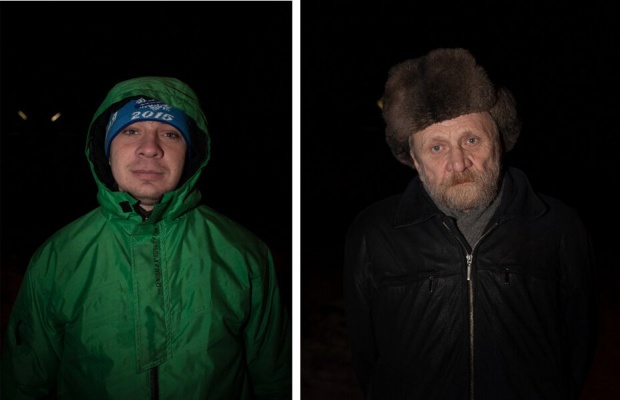
It must be remembered that, despite the situation in which they found themselves, they also have a private life and the right to image. If you can take pictures of them without fear (in the case when it is a public place), then the pictures can be published without their permission only in those cases that we described above.
Public people
Regardless of the high status and level of publicity of the person, their shooting in public places cannot be limited in any way. Even if the protection of a high -ranking official insists on this. At the same time, the boundaries of the invasion of their private life are wider than any ordinary person.
More on the topic: photography and law: what can be published and how not to get a fine
In the case of the spread of images of public people, there is almost always public interest. But you need to distinguish between public interest and secular curiosity. The Supreme Court of the Russian Federation also reminds of this, which clearly determines that not everything refers to public interests, but only the need of society to disclose threats to a democratic legal state and civil society, public security, and the environment. These do not include cases when interest is caused only by idle curiosity.
Public promotions and shooting police officers
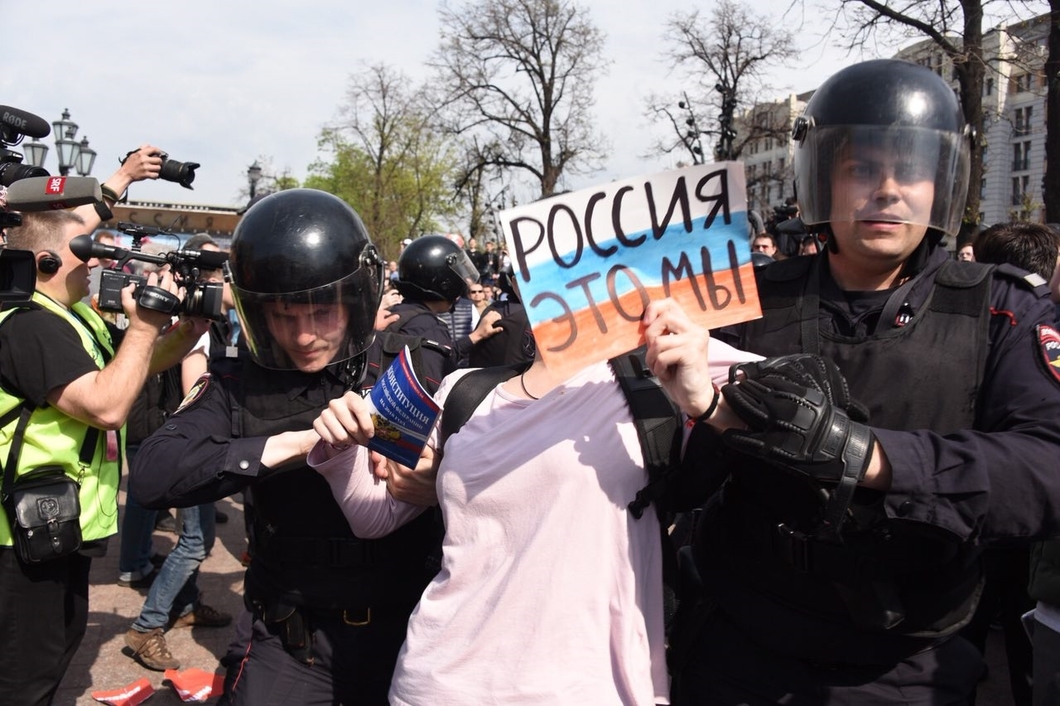
To photograph during any rallies, promotions, processions and other public events is not prohibited. In particular, you can photograph not only ordinary participants, but also police and other law enforcement officers. A policeman cannot forbid taking pictures of himself with a reference to the right to the image or saying that he was in execution.
Shooting in the courts
You can shoot during a meeting in court only with the permission of the judge. If the judge has banned, but you decided to disobey, you may be removed from the meeting room, as well as bring to administrative responsibility.
In the case of shooting in the corridors of the court in the law there is no direct prohibition. However, in all ships there are internal rules in which it is usually written that photo and video shooting inside the building are possible only with the permission of the chairman of the court.
Remember that the judge’s permission to shoot the trial does not mean that the received images of people in the trial can be published without risk. We must also remember the right to the image. If the process is significant, resonant, then the distribution of images of the judge, prosecutor, lawyer, defendant and other people will be justified by public interest in the administration of justice. No one needs to take consent and if you publish a photo report of the trial. In this case, even portrait pictures are acceptable.
Polling stations
The Federal Law “On Basic Guarantees of Electoral Rights and the Right to Participate in the Referendum of Citizens of the Russian Federation” does not prohibit ordinary citizens with photographs at polling stations. He regulates only the work of observers and media representatives. Journalists can shoot at polling stations only by accreditation and warning the chairman of the commission. Observers can also shoot, but only from the place that is determined by the chairman of the commission.
Since the law does not contain a ban for ordinary citizens, it is worth being guided by Article 29 of the Constitution of the Russian Federation, which enshrines the right to collect information. However, it is worth considering several rules. Firstly, it is not recommended to remove people in the booths and near the urns so as not to violate the secret of voting.
Secondly, do not shoot lists of voters who contain personal data. Thirdly, you can withdraw members of the commission, but during publication you should remember their right to the image. In addition, you should not interfere with the activities of the commission and interfere with other voters.
Orphanages, schools and hospitals
You can shoot in orphanages and schools only with the permission of the administration of the institution. This is due to the fact that such institutions are not a public place, since they are often in the throughput. It is important to remember that even if you have received permission to shoot, this does not mean that you can publish photos of children. In the case of orphanages, you need to take a separate permission from the director of the institution, and in the case of schools, from the parents of each of the children captured in the photo.
You can shoot in hospitals. But this rule applies only to the corridors. The shooting of people in wards is prohibited, as this can be regarded as an invasion of private life. Before shooting in the wards, you need to ask permission from all people who fall into the frame.
But even if you shoot in the corridor, you need to carefully ensure that there are no people in the photographs, or they could not be recognized. Even the fact of seeking medical help is a medical secret. The disclosure of medical secrets not by doctors, but by ordinary citizens, is regarded as an invasion of private life. The defendant on the lawsuit about the invasion of private life can become, even if you published a picture, which shows that a person is sitting in line in the doctor’s office. Therefore, for example, if you work in the fund for helping sick children and make photo reports from the action in hospitals, then each parent needs to be consented to publish the image of his child.
Filming in institutions of execution of punishment (prisons, colonies)
To photograph in institutions performing punishment, it is possible only with the written permission of the administration of the institution. This rule is recorded in the Criminal Executive Code. Moreover, the law refers not only to the internal premises, but also about objects “ensuring the safety and protection of convicts”. That is why the protection of the colonies often prohibits the shooting of the walls of institutions even from the street.
The same Code contains a norm that allows photographs of convicts only with their personal consent received in writing.
Car numbers shooting
There is a point of view that car numbers cannot be photographed because they are personal data. In fact, this is not entirely true: despite the fact that the numbers are included in the list of personal data, their shooting is allowed.
Problems can arise during publication, but only if you publish numbers in conjunction with a person, for example, write that Alexander Ivanov drives by car with A123BV numbers. But if this message has public interest, then the disclosure of personal data is legal. For example, if caring of cars parked in violation of the rules is carried out.
What to do if you are illegally forbidden to take pictures?
“If you are forbidden to shoot where you can remove according to the law, you can first explain your rights. If this did not help, then ask the forbidden to explain to you, on the basis of which he is trying to ban you shoot. If your camera is knocked out of your hands, spoil the equipment or even apply physical violence to you, then you need to try to fix this violation. After it can be appealed. For example, write a complaint to the prosecutor’s office or go to court, ”Svetlana Kuzevanova summed up.
For reference
The media protection center is an expert organization that helps journalists, bloggers, photographers and the media in courts. We have consultations on media laws, as well as hold free trainings and webinars.
Group on Facebook .
Project on VKontakte "Rules for Survival on the Web."