
Translated material
How do eternal presidents go
On the example of Algeria, the orientalist Boris Dolgov explains the example of Algeria
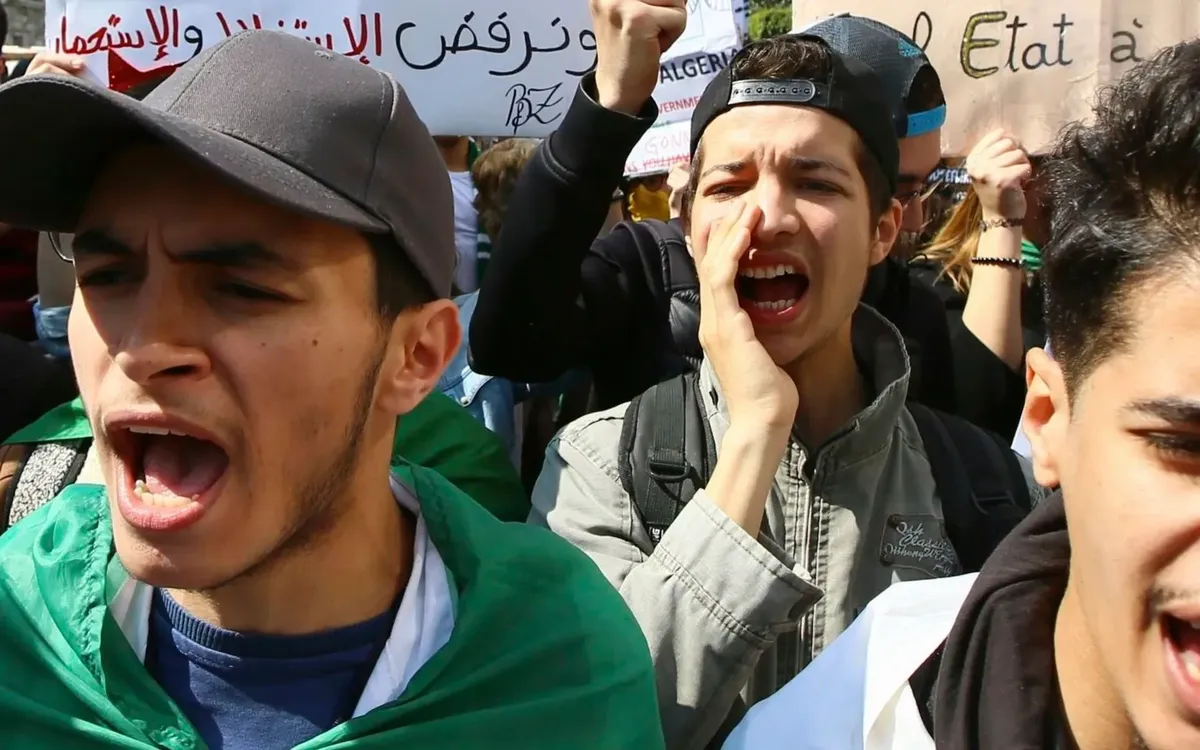
The 82-year-old President of Algeria Abel Aziz Butiflik, who ruled the country since 1999, resigned after mass protests. The reason for the protests was the desire of the country's leader to nominate for the fifth presidential term. In 2008, the country's constitution made amendments that canceled the restrictions in two terms, but then they were returned. Butiflik, who had undergone a stroke in 2013, according to some reports, at the time of submitting documents to the candidates was treated in Switzerland.
On March 8, the number of protesters in Algeria exceeded a million people - people protested against a sick president, only occasionally appearing in public in a wheelchair. After 3 days, March 11, the president refused to run for a new term and dismissed the government. At the same time, he postponed the early elections for an indefinite period, planned for April 18, retaining the presidential powers for the transition period. After the next rally on April 1, Buteflik promised to leave the post until the end of April.
"New" discussed the situation in Algeria with the leading researcher at the Institute of Oriental Studies of the Russian Academy of Sciences Boris Dolgov .
"He could not physically rule the country"
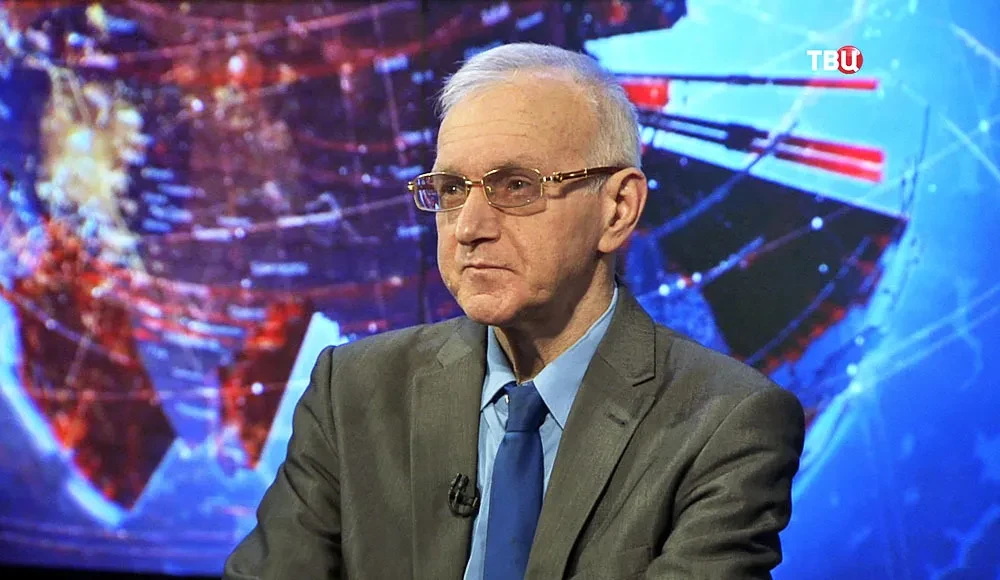
- What caused the protests in Algeria? Only a butefliki presidency for 20 years?
- First of all, protest manifestations in Algeria began for a specific reason: Abdel Aziz Butiflik decided to run for the fifth presidential mandate. In my opinion, this is a natural reaction of a significant part of society and especially youth. Let me remind you that in Algeria there are more than half of the population - people younger than 30 years old who did not want to see a sick person at the head of the state (it is known that Buteflika suffered a stroke and was treated in Switzerland). He already physically could not rule the country as the situation in Algeria required this.
The protests began because of this, but then acquired a broader character. The requirements have already concerned acute socio-economic problems in the country-unemployment (especially among young), lack of housing, an unfair distribution of national income. In addition, for 20 years the power has been not only Buteflik, but also his entourage - those political forces that nominated him for the presidency back in 1999, their heirs and followers.
The protests expanded to change the situation in Algeria: some protesters even demanded a change in the political elite. This led to the resignation of the president. But I must say that the manifestations were spontaneous in view of the fact that the opposition forces are unstructured, they do not have mass support and political resources. In this case, opposition forces exist.
The fact that Buteflika resigned, reduced the intensity of protests, but they can continue. Now the ruling elite controls the situation-to say that at the moment in Algeria there will be some radical changes, as in Tunisia and Egypt during the "Arab Spring", so far.
- How comparable to the Arab Spring of 2011?
- You can compare, but only to a certain extent. There were acute socio-economic problems in Tunisia and Egypt, the same political elite was in the power, in particular the presidents-Ben Ali in Tunisia and Mubarak in Egypt. In this sense, you can compare - in Algeria Buteflik also has been in its post for decades. But there is a difference: in Tunisia and Egypt, Islamist forces were strong-“Muslim brothers”. There is an Islamist movement in Algeria - it is moderate and represented in parliament, but did not oppose Butiflika’s policy.
Radical armed Islamist groups also operate in Algeria, but they are a few and almost do not enjoy the support of the population. Here we must recall the Civil War of 1991-2002: the Algerians do not want its repetition.
- There were many among protesting young people too?
- Yes, most protesters are students, youth, who opposed unemployment, for changes, for solving economic problems. But young people always perform at the forefront of political and economic changes.
- Are the risks of the emergence of a powerful movement of Islamic fundamentalists in the country high?
- I evaluate the risk of radicalization of Muslims as low. The existing Islamist groups are few, they operate in remote areas of Algeria. A certain impetus for their activation was given by events in Libya - the collapse of the Gaddafi regime. When radical Islamists from ISIS ( a terrorist organization prohibited in Russia ) began to penetrate into Libya, they also passed into Algeria, feeding local radical groups.
- Butflika was an independent political figure in recent years? Or did the country rule his environment?
- Buteflika, despite his illness, changed the leadership of law enforcement agencies, carried out replacements of ranks in the Algerian army. He cannot be called a doll that was controlled by his environment. It is also impossible to say that on his behalf the country was ruled.
- Which of the ruling elite has a chance to become president?
- So far, obvious applicants are not visible. Although there are many applicants: and. O. President Bensala, new Prime Minister Nuddin Bedui, his younger brother Said Butflik, presidential candidates in previous elections (Ali Benflis, head of the Front of the Future Abelaziz Belaid), military (chief of General Staff Gaid Salah).
However, there is no such charismatic leader as Buteflik. Although, with the exception of the head of the General Staff, each of them may claim. Other people can advance during the transition. In my opinion, the situation will develop so that the forces that supported Buteflik is extended from their environment of a younger leader. Candidates from other political forces may also appear, but there will be no radical change in the ruling elite: there will be its rejuvenation and renewal.
- Is there a well -organized opposition force in Algeria?
- There are no structured and influential opposition forces. They were, but lost their influence.
Now the party from the Presidential Alliance is the “Front of National Liberation”, the “National Democratic Association” and the “Public Movement for Peace” - control the political situation.
There are opposition parties at the same time, and in the last parliamentary elections the Presidential Alliance somewhat lost votes, but the legal opposition also did not receive much support among voters.
- How democratic is the political regime in Algeria? Previous elections in which Buteflik was elected can be called honest and transparent? How large is the percentage of falsifications?
- Butiflik was chosen for the post of head of state four times: for the first time in 1999, then every 5 years. He received the first three mandates in the really honest elections that reflected the situation in Algeria: Buteflik came to power as a person who completed the civil war. He concluded an agreement with a part of the Islamist opposition, the Islamic Army of Salvation, which passed to the side of the Algerian army and fought with it against a more radical Islamic group. It was his big victory.
The amnesty of the militants who laid down the weapons, their further integration into Algerian society is all the merits of Butefliki. Like the restoration of Algeria as a regional center of force in North Africa and the Arab world.
In the fourth presidential elections, there really was the use of an administrative resource, but international observers did not find significant violations.
- Early elections that were supposed to be held on April 18 were now postponed indefinitely?
- Yes, it was a solution to Butefliki even before he resigned. Now there is a transitional period during which a structure will be created, preparing new elections. So far, the terms of the transition period have not been determined, although it was first talked about the year.
- Can the transition period drag on so that the authorities again be preserved in the hands of the ruling elite?
- The elections will be in any case. It is unprofitable to bind the situation for the authorities. Most likely, candidates will be nominated who reflect the interests of the power elite. Perhaps there will be opposition forces.
So far, it is more profitable for the authorities to hold new elections in which her candidates will be.
- Can the relationship between Russia and Algeria change in case of a change in power? How do we relate to Algerian events?
- The Russian side has already stated that what was happening in Algeria is their internal affairs. I think that whoever is the next president, relations between Algeria and Russia will not change - they will remain allied.
- Algeria and Russia compare many: in both countries the president of the rules since 1999, both countries of oil. Is this comparison correct?
- The question is ambiguous.
There is an external resemblance: both presidents rule 20 years, but Vladimir Putin did not hold this position continuously.
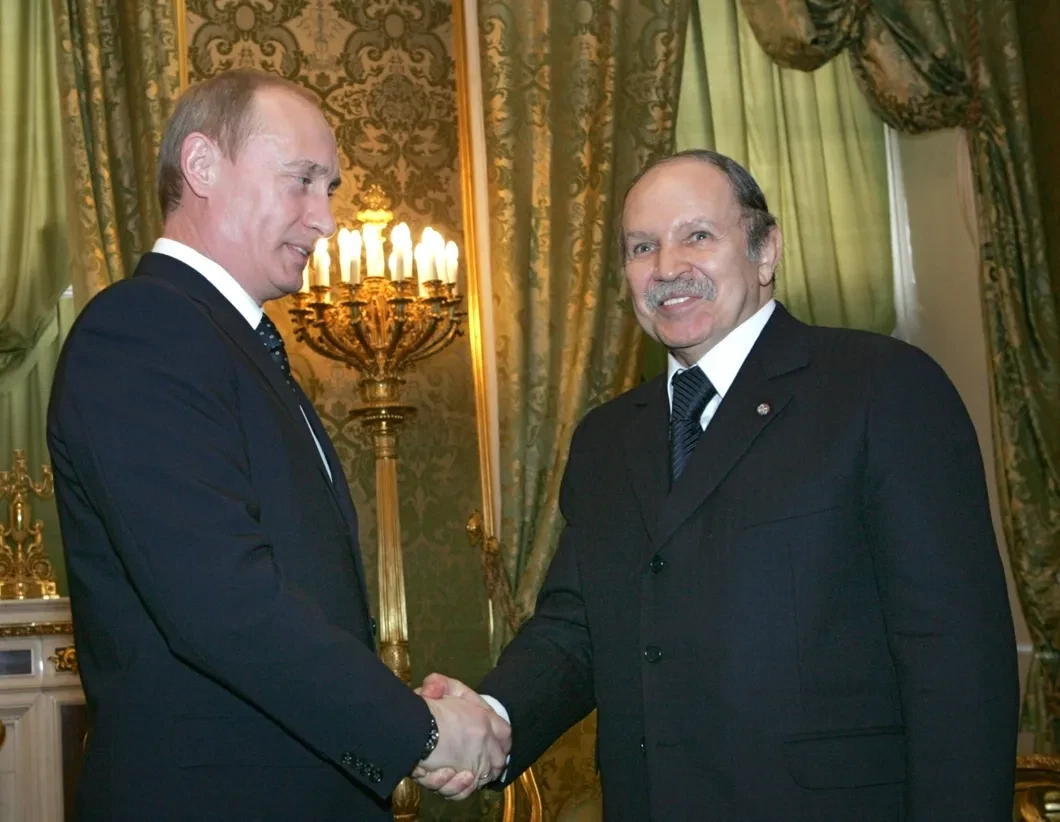
The difference is that Butaflik was perceived as a charismatic leader in the wake of victory over the Islamists. In Russia, this is not so, although you can recall the events in Chechnya in 1999–2000. In addition, the Russian president has the last mandate now, if there are no changes in the Constitution.