
Translated material
Kings of natural rent
Why does the oil company Saudi Aramco overthrow by the capitalization of Western Internet giants
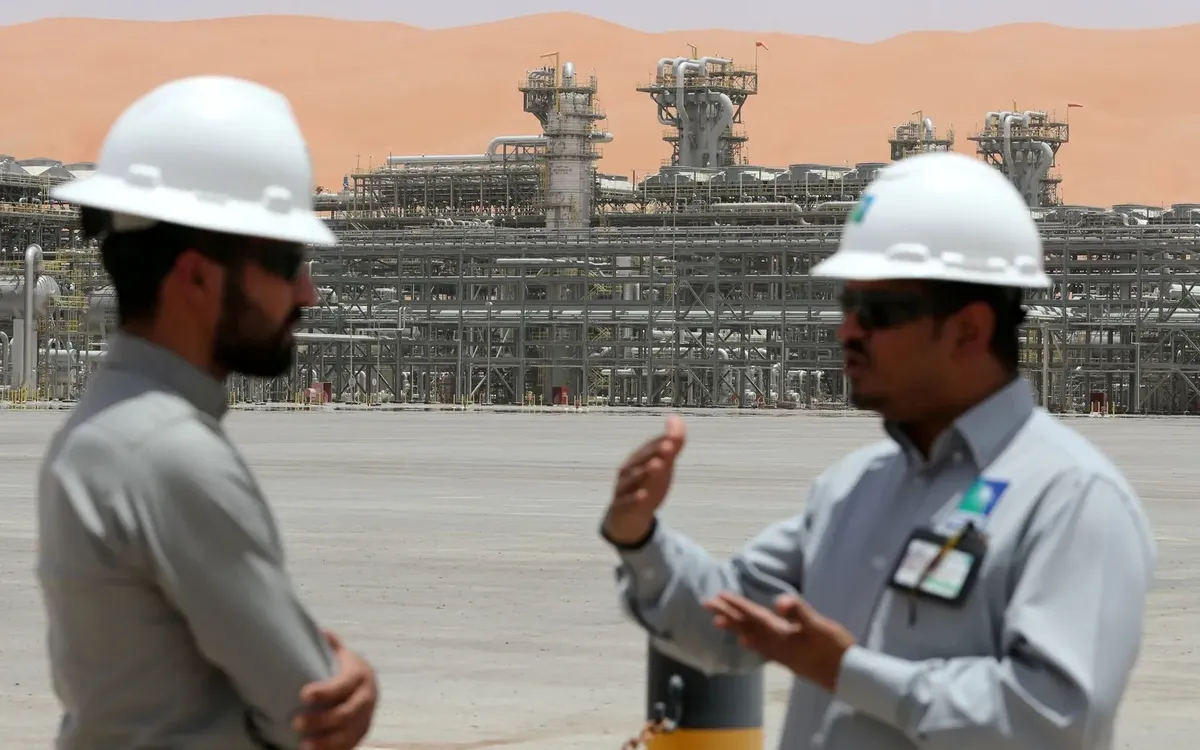
The most profitable company of the world is not Apple, not Amazon or Google. This follows from the Saudi Aramco, which was disclosed for the first time since the 1970s of the Saudi Oil Private Company. Over the past year, the company's profit amounted to $ 111.1 billion against $ 59.9 billion with the leader of the technological sector in this indicator - Apple.
This was not a surprise for the market. “The best company is a well-controlled oil company, the second after it is a poorly controlled oil company,” said John Rockefeller somehow. Sit on natural rent and watch how your bank account increases. Of course, such an idea of the oil producing business is somewhat outdated - among modern representatives of the industry there are many truly high -tech companies. Oil production in difficult geological conditions is a non -trivial technical and logistics task. But this does not apply to the Saudi Aramco-the production geology is relatively simple, mainly oil comes from the world's largest Gavar field, in fact, underground oil mini-mory in Saudi Arabia.
The monarchy agreed to disclose the financial information of the company forcedly - in the hope of putting up part of the shares on the IPO. However, talking about the sale of a small package of shares of the State Monopolis has been going on for several years, and the progress is small. The idea of the IPO of the authorities pushes a serious shortage of the budget of the monarchy. The fact is that, unlike Russia, Saudi Arabia did not resort to Rial's devaluation at the end of 2014 amid a fall in oil prices. Then the national currency course remained fixed (stable since the 1980s), but the income of the treasury completely dependent on oil fell sharply. The budget deficit had to be covered from reserves, since they are very large. But for too long it is difficult to plug the hole in the state financials in this way, so the de facto head of state, Prince Muhammad Ben Salman, liked the idea of privatizing 3-5% of Saudi Aramco shares. When assessing the total capitalization of the company, $ 2 trillion, this is a lot of money. But now oil prices are not so low, and discussions about whether to change something is going on.
Saudi Aramco is not just an oil company. This is the economic and financial rod of Saudi Arabia. And the latter is a classic rental state.
The monarchy produces oil almost as much as Russia. But per capita, oilollars accounts for several times more. The population of Saudi Arabia is 33 million, of which there are a little more than 20 million subjects, the rest are labor migrants serving Aborigines.
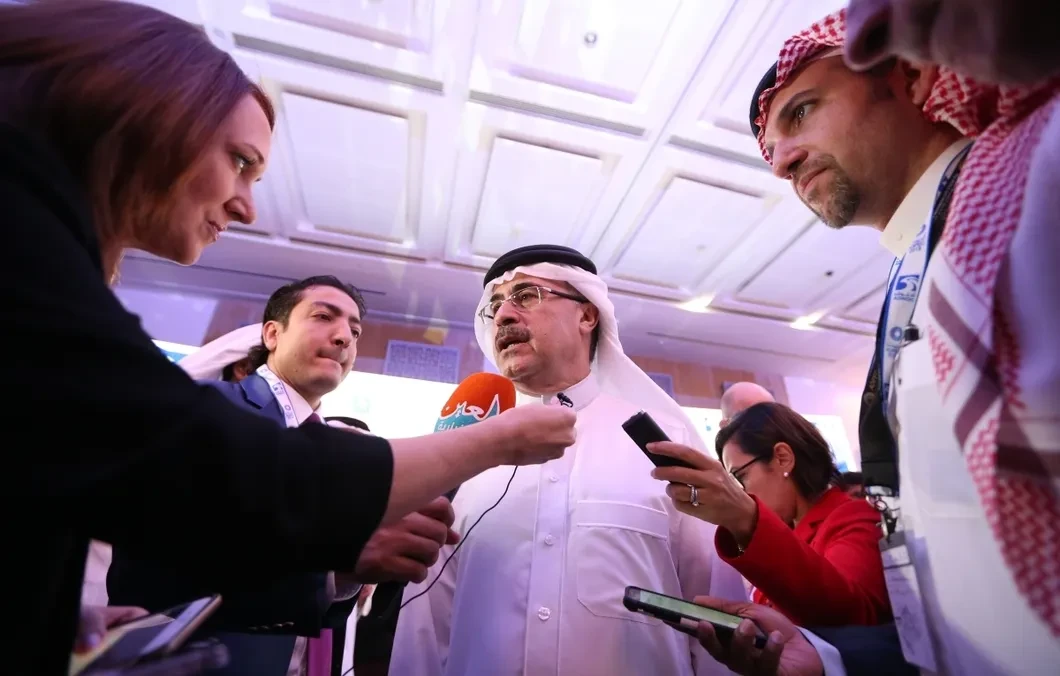
Saudi Aramco is a source of rent for almost all subjects of the country. The private sector in the monarchy is relatively poorly developed, mainly employment migrants are occupied.
The mechanisms of redistribution of rents are different - rivers and streams of oilollars flow depending on the status of a tribe or clan in the power hierarchy.
Work in the private sector is mainly low -paid, heavy and prestigious. It is performed by labor migrants: builders and laborers from India, Pakistan and Bangladesh; service personnel and maids with the Philippines; foremen from Egypt; Top managers from Europe. The salaries are higher in the public sector, working conditions are better - Saudis work there. At the top of the pyramid, the ruling family of As-Saud, which, according to various estimates, has 7-15 thousand people, the most influential-about 2 thousand, thanks to the polygamy.
The redistribution of petrodollars between the branches of the AS-Saud family, according to Orientalist Stefan Hertzog, caused "uncontrolled Byzantine expansion of the bureaucracy based on the patronage." The local bureaucracy, however, should not be confused with the Western analogue. In many ways, this is nothing more than the legitimation of control over a piece of resource pie.
The Minister of Labor of Saudi Arabia recently complained that officials spend at work for about an hour a day and generally too relaxed.
However, despite this, it cannot be said that the system is dysfunctional. There are even some successes-during the period of high prices, the monarchy tried to at least somehow diversify its economy, primarily in the direction of deepening oil refining. Directly, Saudi Arabia managed to modernize and build several large and high -tech oil refineries. In this regard, Russia has something to learn. Yes, and the profit of Saudi Aramco is also indicative-no comparison, for example, with the Venezuelan oil company PDVSA, who managed to drop oil production by 5 times with respect to the beginning of the 2000s.