
Translated material
True about the generation z
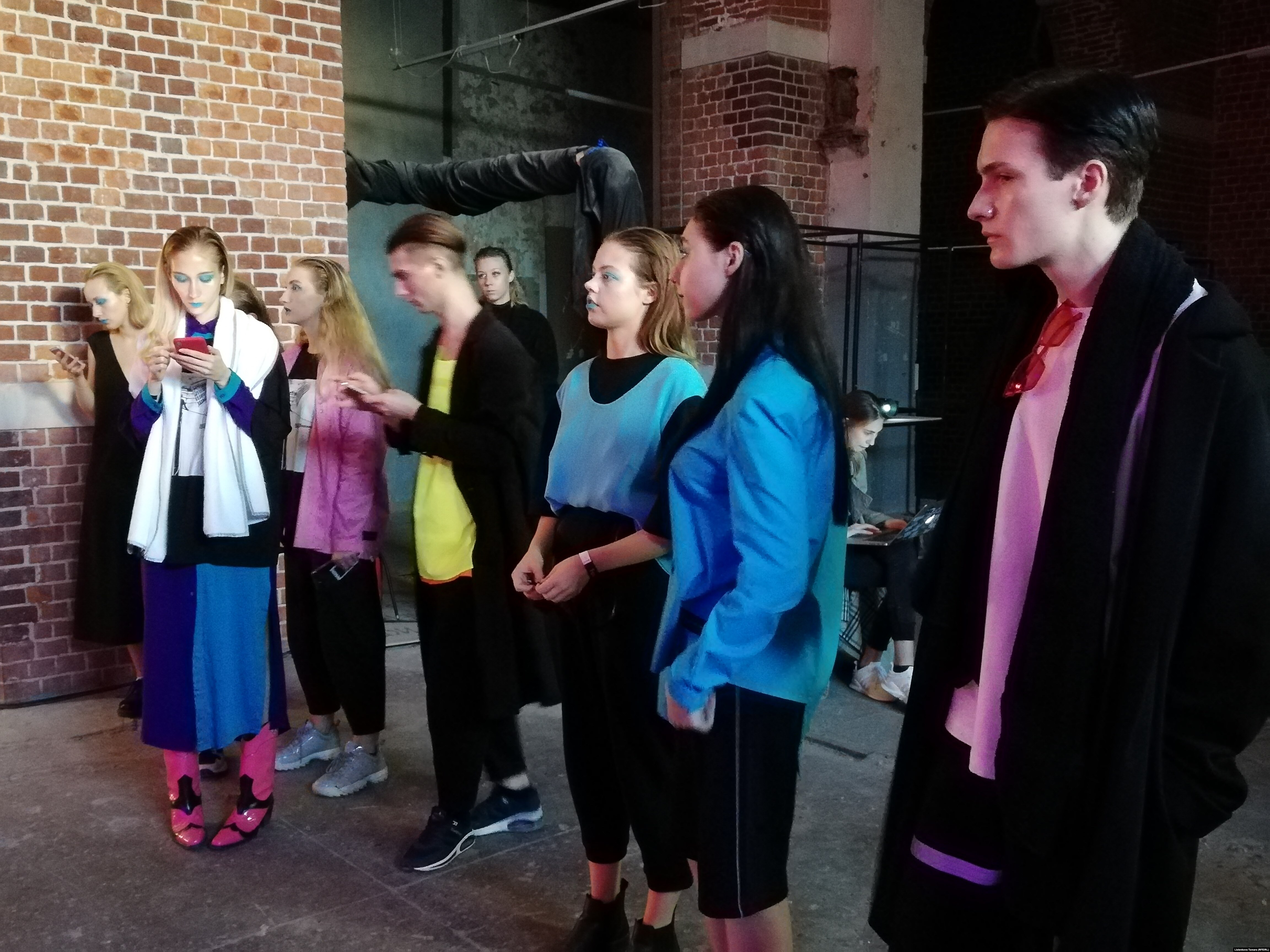
How the centenials differ from other people - in myths and reality
- One of the important general delusions was the idea that the young generation has some incredibly special skills in working with information technology.
- The idea that young people are better engaged in multitasking is not supported, including due to the immaturity of their nervous system.
- It is not very clear who could teach children safety on the Internet, because among adults there are many people who used the Internet at a time when it was anonymous.
- The myth that the character is formed up to 30 years is due to the fact that until a certain age we are more open to changes.
- Now the position of an adult from the point of view of children and adolescents does not look attractive. It is described as loaded with huge responsibility and the lack of time.
Tamara Lyalenkova : Today we will talk about the new qualities that attribute to modern youth, the so -called generation Z. There is an opinion that this generation is most distinctly different not only from parents, but also from older brothers and sisters - as a way to think, perceive, and the ability to build their own landmarks.
For example, it is believed that representatives of this generation are less likely to risk, they have the shortest focus of attention - 8 minutes, but there is a need for the awareness of what they are doing.
In the Moscow Studio, he is a researcher at the Center for Research of Modern Childhood of the Higher School of Economics Alexander Bochaver , a student, mathematics teacher Arman Tuganbaev and a psychologist, the author of the study “Myths of the Generation of Z” Natalia Bogacheva .
Tamara Lyalenkova : Before we begin to debunk and create (I hope) myths, it must be said that today, thanks to the notorious globalization, there is an opportunity to talk about the "global" generation. Just because most of the young people live in a similar economic, cultural and social context.
And my first question for Natalia Bogacheva. You analyzed the work of Russian and American colleagues - what are they unanimously mistaken, in your opinion?
Natalia Bogacheva : It seems to me that one of the important general delusions was the idea that the young generation has some incredibly special skills in working with information technologies and that the sooner these skills are obtained, the better. This is explained, in particular, why very young children are trying to slip tablets and computers.
Favorite error is associated with the so -called clip thinking
The second, my favorite delusion is associated with the so -called clip thinking. The term that came to us from cultural studies includes aspects about holding attention, about switching, and about the format of information perception. It’s not that it was a global misconception, but here in one term they include a lot of cognitive psychology parameters, which are far from all so unambiguously showing some changes.
Tamara Lyalenkova : On the one hand, it surprised me, but, on the other hand, it is clear that not all children of this generation possess technologies as well as it is customary to think. And this is natural, because they often use gadgets for entertainment, and they do not do some serious things.
Or, Arman, the question is to you: is this a important generational difference lies in this?
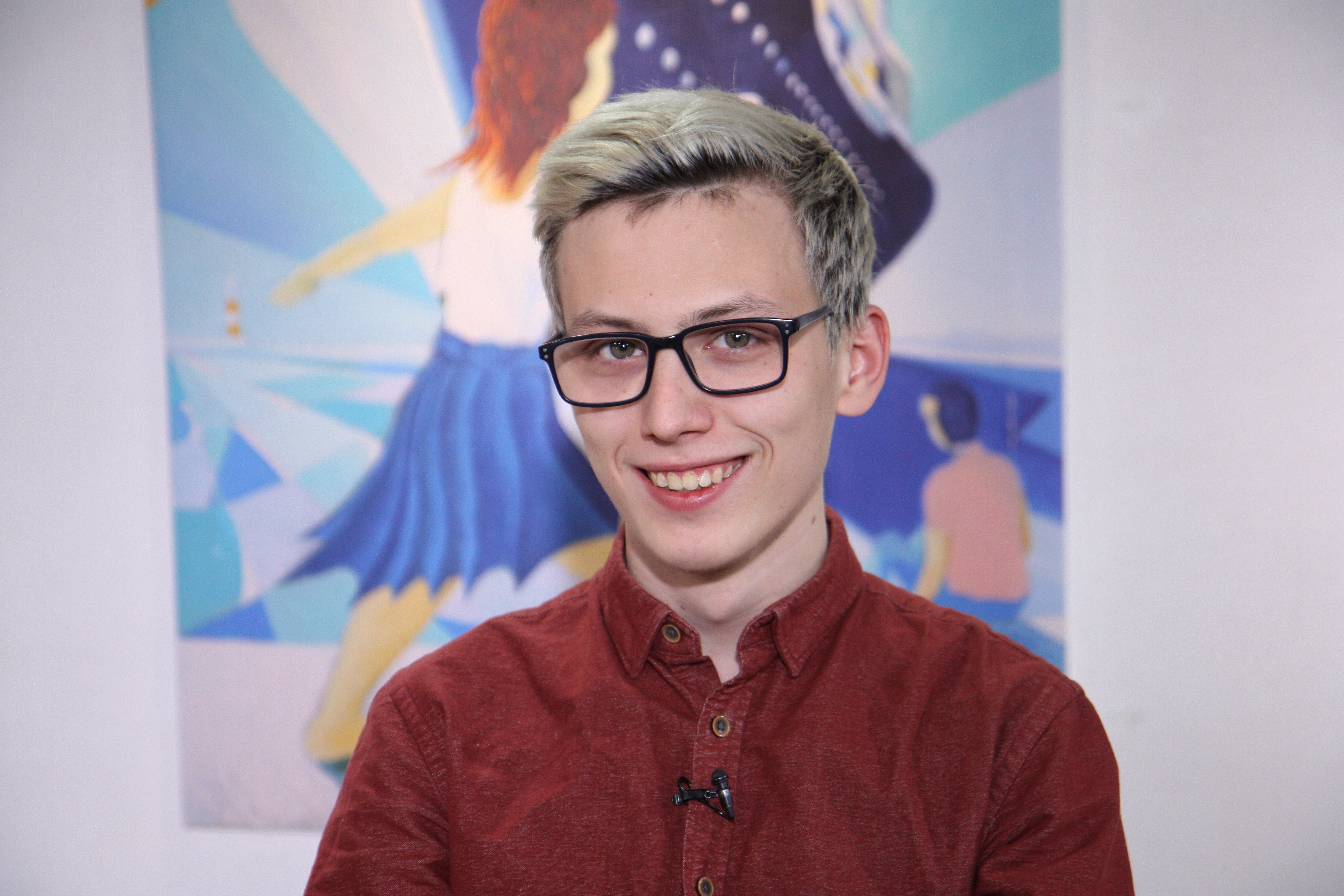
Arman Tuganbaev : It seems to me that children who receive a tablet or some other gadget at an early age do not have enough understanding about the safety of what they are doing. Because often, when a person receives a tablet, for example, at 5 years old and everything he does is watch YouTube, he forms a slightly strange idea of what actions are public, which are not public, and how to take care of his data. On the other hand, it is not very clear who could teach the safety of these children, because among adults there are many people who used the Internet at a time when it was completely anonymous.
Therefore, of course, it is worth teaching children safety after they started using iPhones, but I do not agree that this skill is less developed. As with any technology, it is easier to master at an earlier age. Therefore, people who are faced with numerous new products at 40 years old, if they had no experience in interacting with smart bracelets and hours, of course, lose the speed of mastering the young generation.
Tamara Lyalenkova : Today there is a danger, as some psychologists say, existence simultaneously in the real and virtual world. Sasha, maybe this is a normal situation for today, when parallel worlds intersect?
Alexandra Bochaver : It seems to me that the division into real reality and virtual, which was very popular 10 years ago, has changed. Now the Internet is not anonymous: digital traces are analyzed and caught there. And there is more and more evidence that these spaces, real and Ivirtual, are intersect. We can start a conversation by phone, continue it in a chat, and then discuss it alive when we meet. And this is our everyday life.


How the centenials differ from other people - in myths and reality
The text of the copyWidth PX Height PX
The url has been copied to your clipboard
No Media Source Currently Available
0:00 0:02:01"How are you different from your parents?" A survey of young people
Tamara Lyalenkova : Young people, trying to determine the main features of their generation, nevertheless, broadcast stereotypes. Why?
Natalia Bogacheva : They do not always take into account that at least they differ from their parents not only to belonging to another generation, but also by another age. For people who are in adolescence who are young, in general, openness is characterized by new experience, obtaining some skills. They study faster. Their nervous system is better configured for this. And the myth that the character is formed up to 30 years is associated precisely with the fact that until a certain age we are more open to changes. This is a natural biological and psychological development, including the nervous system.
Tamara Lyalenkova : Arman, you communicate with children of secondary school age. Are there any things that you learn to yourself? Or maybe something surprises?
Arman Tuganbaev : What, it seems to me, are afraid of very many adults, about which there is a lot of conversations - that supposedly children do not know how to share the time between the phone and other activities. If they are engaged in some kind of business, then they look at the phone every second. In this regard, my peers, and a little younger, and schoolchildren who even successfully cope with this task. Quite often I see 7-graders, 11-graders, freshmen who have learned to clean the phone in a pocket, a backpack or somewhere else. If they are really interested, then they know how to leave online.
Tamara Lyalenkova : There is another important stereotype about generation Z - that they can work simultaneously in different modes.
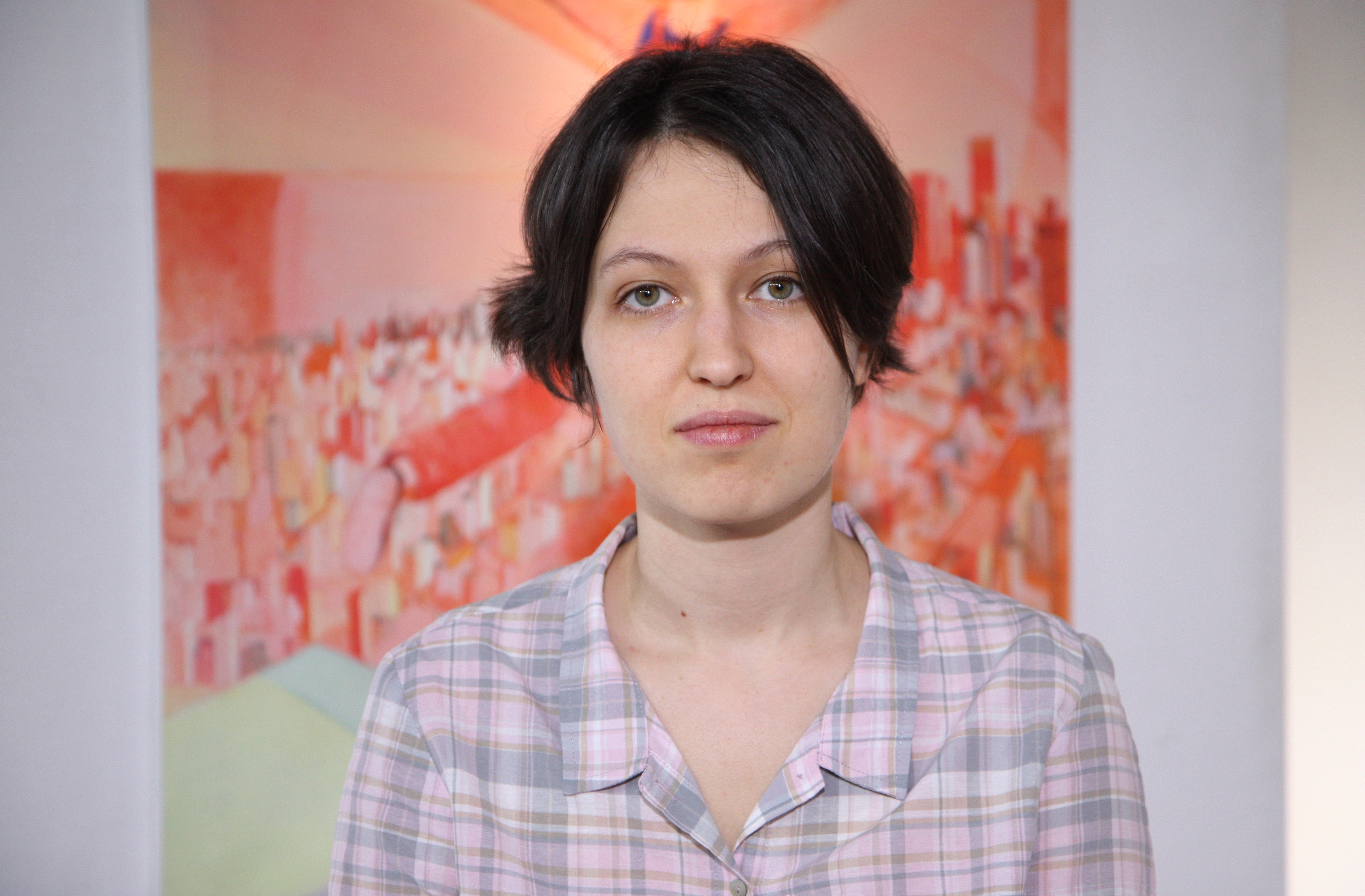
Natalia Bogacheva : In fact, our current situation using technology in itself provokes multitasking. That is, almost everything that we do is the same technologies, impose the simultaneous perception of information. And everyone does it! The question of our research was how effective it is. At the moment, there is no confident data that the young generation is better adapted to this multitasking than adults. And this is the essence of the problem.
Technologies impose the simultaneous perception of information
Some time ago, the American Psychological Association released a large resolution that multitasking does not lead to acceleration of the solution of problems. The same things could be done sequentially and they would take less time, because there is a concentrated distribution of resources. Most of all we spend time switching between different activities.
Actually, the idea that young people are better engaged in multitasking is not supported, including the immaturity of their nervous system. Indeed, in order to make this multitasking is good, you need to clearly control various cognitive functions - switching attention and transition to processing other information. True, this all works differently if any effect is performed automatically. For example, wash the dishes and listen to music - there are no problems until something changes quite globally.
"How do children differ from you?" An adult survey
Tamara Lyalenkova : Maybe the main danger to the Z generation is a great informational, intellectual saturation and insufficient to assimilate all this emotional weight?
Arman Tuganbaev : This, on the contrary, is the biggest good that we have. In a sense, it is wrong to meet the information flow and defend itself from it. On the contrary, it seems to me that the faster you are
It is not that we are adults, but it is terrible that adults are we
You will learn to let huge information flows through yourself and catch the most important and most necessary from them, the easier it will be for you. If a person has an inner emotional immaturity, and he seems to receive too much information about what is happening, she will not take him somewhere in radicality ... So, he looked at how a person dies, and how something happened to him, and this would cause him a huge injury, but he compensates for it with completely different things.
It’s scary not that we are adults, but it’s terrible that adults are we. No advantages because you have become an adult. My position is that the number of years lived cannot act as an indicator of how I will carefully listen to a person. It is probably true that before with much greater reverence they treated adults.
Natalia Bogacheva : Multivature reduces the depth of information processing. This is a fact. Accordingly, we are talking about emotional immaturity, when there are not enough features in order not to respond to information. Therefore, filtration is carried out at a different level, at cognitive, due to the fact that we reduce the total depth of information processing. As a result, the overall flow is reduced.
Tamara Lyalenkova : Yes, he does not affect so deeply. This is such a self -regulatory security, probably. We are probably another myth are creating another myth.
But, on the other hand, now a teacher, an adult, a teacher does not stand and does not indicate what to do, and he has to try to interest young people, attract their attention. Very important roles have changed. The adult has ceased to be the main one?
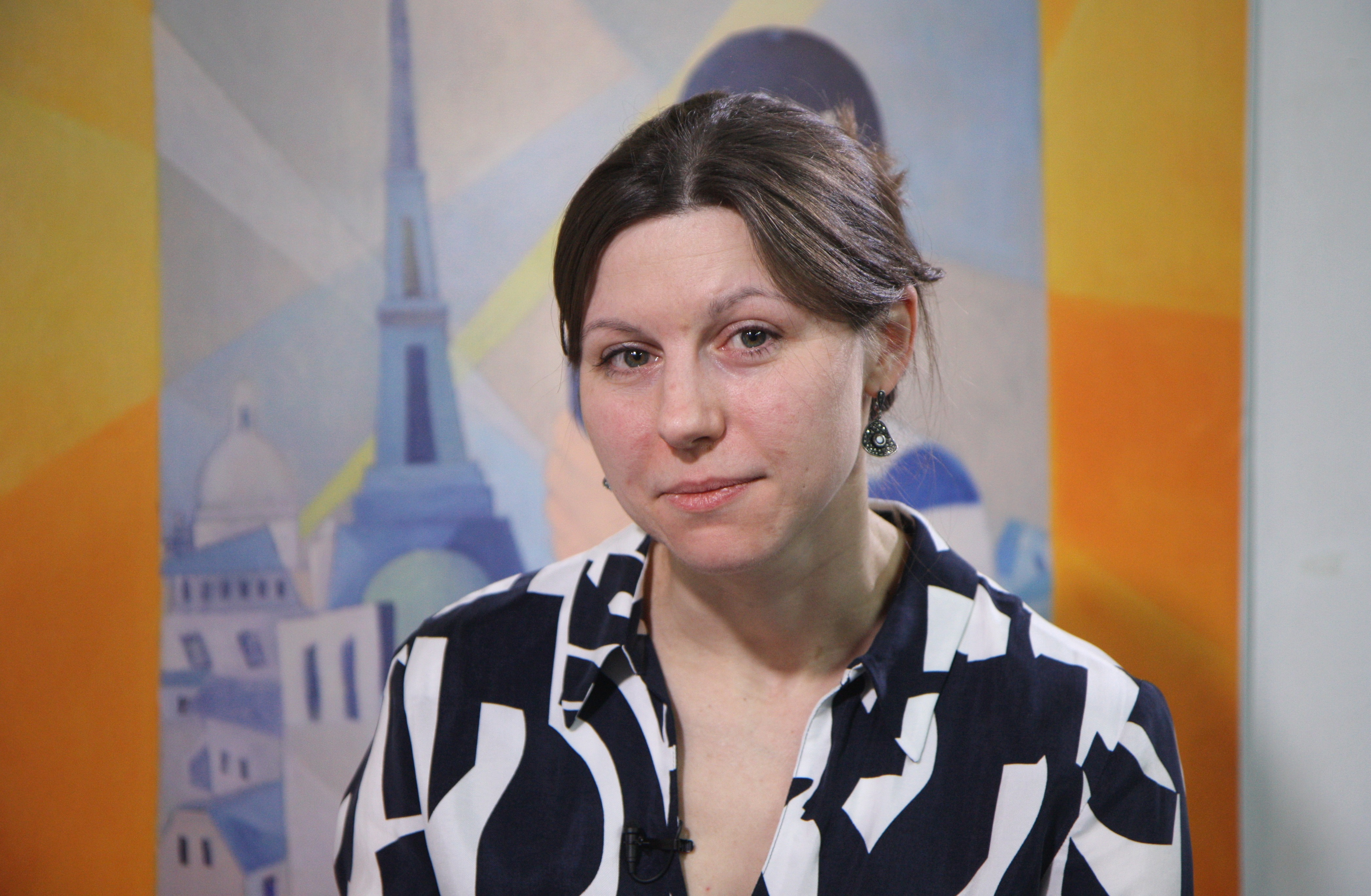
Alexandra Bochaver : Our pilots show that adulthood as a state has ceased to be attractive. Back in the 60s, it was said that adolescence begins about 12 years, when a child has a certain claim to be treated as an adult. That is, the child had intention to strive for adulthood and want to become an adult. And through some actions, he gradually turned into an adult.
Now the position of an adult from the point of view of children and adolescents does not look attractive at all. It is described as loaded with huge responsibility, the lack of time. In general, the position of the child seems much attractive, despite the fact that children are now also overloaded with study and so on.
Tamara Lyalenkova : But the adolescence itself is quite traumatic. Although the same adults try to look like young and behave like young.
Arman, what do you observe about the desire to become an adult?
Arman Tuganbaev : Among my environment, everyone grieves that they became adults, that all this responsibility fell on them. If earlier it was cool when you lead at least some financially independent life from your parents and so on, now the set of responsibility is pressing and wanting to be smaller. There were no advantages that you became an adult.
Tamara Lyalenkova : Sasha, are your personal observations about the generation Z?
Alexandra Bochaver : It seems to me that they are kind, attentive to people, are ready to share the benefits that they themselves possess. And they are quite different from my peers, which have more competitiveness, more some kind of anger. Surely, these are my projections, but it seems to me that current children and youth are more friendly to the world and are more care about loved ones, about the environment.