
Translated material
Beyond the line
In Belarus, it is not a court, but the police can send a person from the country: how does it work?
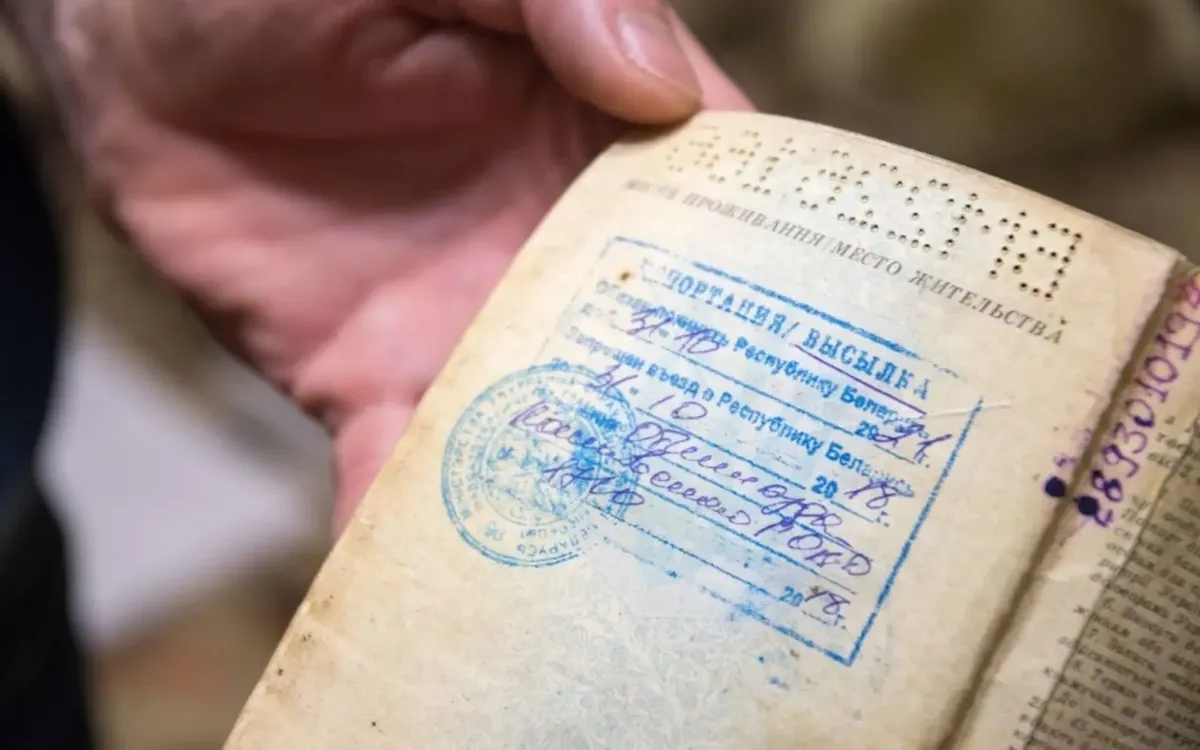
In a month alone, three Russians living in Belarus have long committed suicide. The reason, according to their suicide notes, was the decision to deport and the upcoming separation from the family. In Belarus, the decision on the temporary expulsion of foreigners is made not by the court, but by the police at the level of the regional chapter. “Euroradio”, on the example of several stories, tells how the popular practice of getting rid of “dysfunctional elements” - for social and political reasons - leads to human tragedies.
“I am tired of this life by lawlessness! The police survive Loevites from Loev to nowhere! They don't care that I have a retired mother and a disabled brother! I am against such expulsions! " - reads Lyudmila Borisova a suicide note of her son.
Sergey Borisov was only 35 years old. He was born in Belarus and lived here for the past 17 years. Sergey had his own apartment in Gomel, but had to move to the small district center Loev - closer to his mother and brother. In childhood, the Sergey family fled from the Chernobyl zone - they left to the north . At the beginning of the 2000s returned, the mother and brother received the national citizenship of Belarus, Sergey - no, on the papers he remained a Russian, in fact a donkey in the Gomel region and since then he lived and worked - a joiner at a brick factory.
In 2018, after reduction at the factory, there was almost no work in the six thousandth city village, since then Sergey Borisov has been interrupted by part -time jobs.
On December 14, 2018, the Department of Citizenship and Migration of the Loevsky District Department of Internal Affairs decided to send Russian Sergei Borisov from Belarus "in the interests of public order." According to the department’s inspectors, the unemployed Borisov began to pose a threat due to a series of administrative offenses (intoxicated), to which the border was added for illegal crossing.
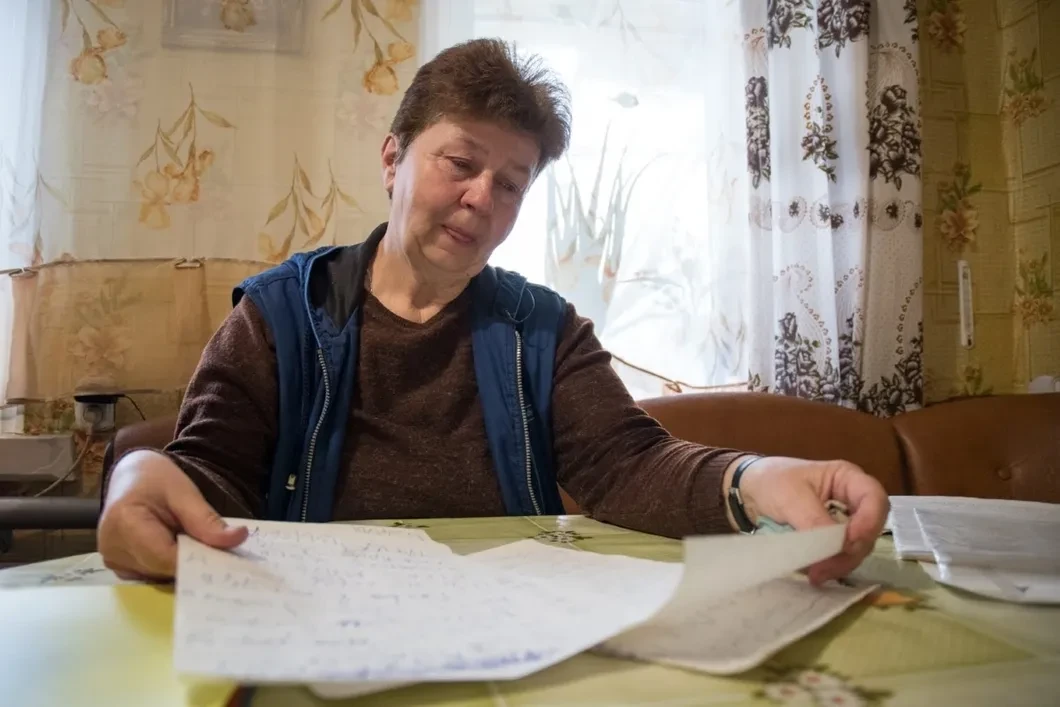
Mother Sergei Lyudmila Borisova told Euroradio: “We have a field behind the gardens, followed by a river, and then Ukraine. I went to pick mushrooms, and our border guards stopped it - an illegal crossing of the border. ”
According to his mother, Sergey wanted to get a Belarusian passport, but was in no hurry with this, since there were no “problems” before, there was enough residence.
Borisov expired at the end of 2019, but the police annulled him ahead of schedule. On New Year's Eve, the unemployed Sergey was in a difficult situation: he had to leave the country for four years, and he was given only two weeks to this.
Together with his relatives, he made a complaint about the decision on the expulsion, but did not manage to send it - on December 18 he committed suicide. In the morning of that day, Lyudmila Borisova was going to go with her son to a notary. “This is money thrown to the wind,” he told her on the phone. These were his last words. In the nightstand, Sergei left the dying notes addressed to mothers, godfather, friends and police.
How it works
The rights and obligations of foreigners in Belarus regulates the law “On the Legal Status of Foreign Citizens”, where cases are prescribed when a person may be deprived of a residence permit. According to human rights activist Andrei Strizhak, they can be sent both for five administrative offenses committed during the year and in just one offense, if it poses a threat to public order.“There was a case when they wanted to send a girl from Belarus for swimming in an wrong place and received an administrative fine for this. In its case, the danger of life was recognized as “public danger”. Such absurd situations allow the Ministry of Internal Affairs to act arbitrarily. No person can feel safe if he lives in Belarus in a residence permit, ”Narizhak wades.
According to the human rights activist who specializes in the affairs of the non -citizens of the expulsion, law enforcement officers also interpret the Code of Administrative Offenses ambiguously.
“According to the Code, an administrative offense is such only during the calendar year. For example, if you crossed the road in the wrong place, then after a year the recovery will be canceled. However, in the case of foreign citizens, all offenses committed during the entire stay in Belarus are calculated. ”
"They will catch without a flirt, then the road will not cross there"
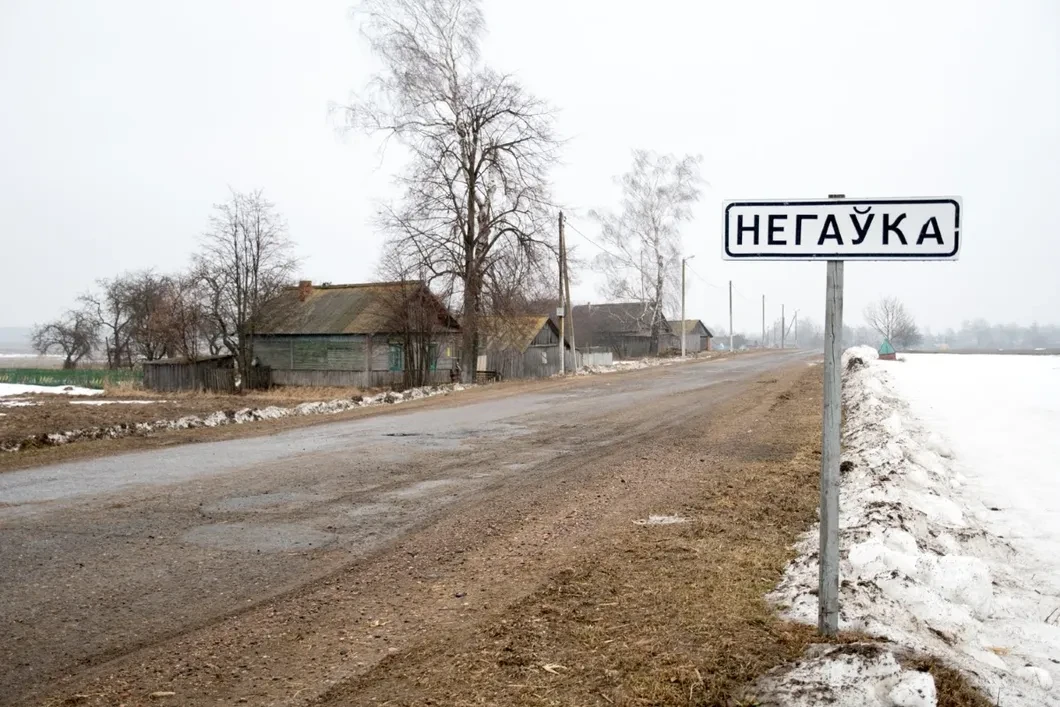
The story of a large father Vitaly Kuzmenkov from the village of Neyvka Gomel region is similar to the history of Sergei Borisov.
“He is a Belarusian, just under the Union, his parents left to live in Russia. The mother managed to return to the collapse of the USSR, and Vitaly stayed there, ”says Olga Kuzmenkova , the widow of Vitaly.
Returned to Belarus Vitaly 14 years ago. I received a residence permit, in 2011 I signed with Olga, put out citizenship, because money was required for this, and the family needed them.
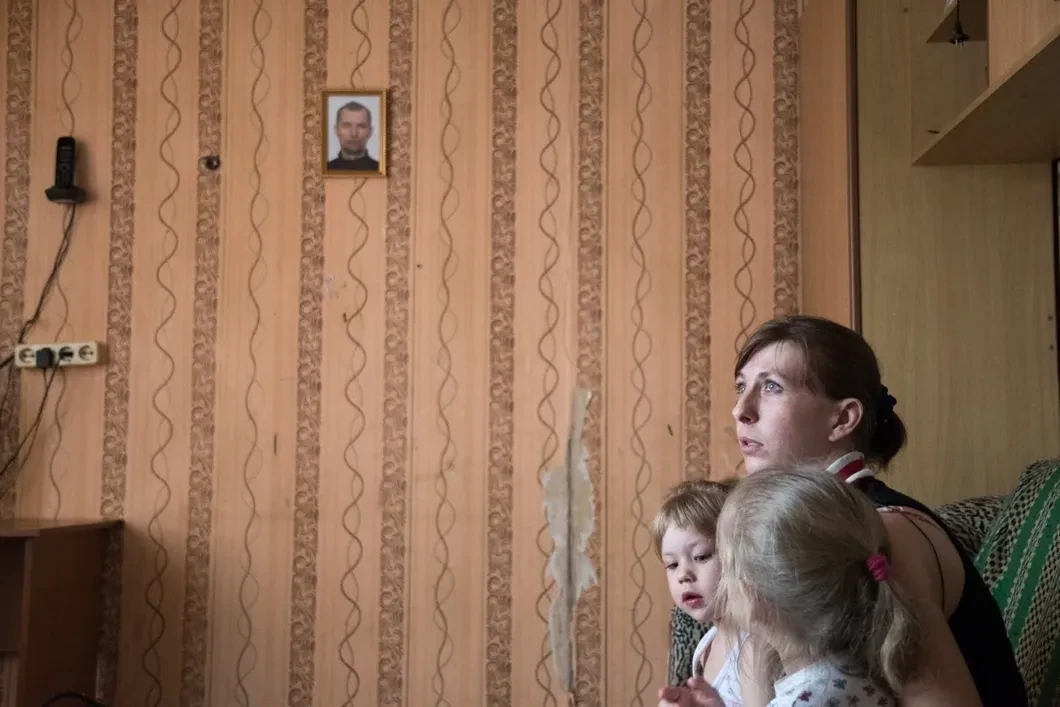
On January 10, 2019, the police canceled the residence permit of Vitaly Kuzmenkov. Administrative offenses have accumulated over several years. “ They will catch without a flirt, it will not cross the road there,” Olga lists the Euroradio correspondent, sitting in the room, on the wall of which Vitaly’s portrait hangs.
The husband was supposed to be sent from Belarus for a period of ten years. On January 15, he committed suicide. Vitaly and Olga have six daughters.
Recently, the Kuzmenkovs lived for 700 Belarusian rubles per month (about $ 325. - Ed. ): 400 - a child care manual and 300 - her husband’s salary. Vitaly mentions the money in the suicide note, which he left in his phone. Shortly before the tragedy, he was fired from the meat processing plant. On January 15, the day when Vitaliy was gone, a letter from the personnel department was thrown into the mailbox - they invited to return to work.
Film for Fliker: Practice
Administrative fines for the absence of a fluker-a reflective element of clothing-are one of the most common in Belarus due to a free interpretation of the requirements of the law by traffic police officers. Alexander Lukashenko ordered Belarusians to wear flickers in the dark in 2005 - in the country they tried to reduce mortality on the roads. The country went through the country "Administrators". “The retroreflective elements of only two colors - white and lemon - are certified and meet all the requirements. Red, blue, green flickers are ineffective, ”the state instructions say. Every day, up to 300 pedestrians are fined for violations of the rules for wearing a fluorer in Belarus, the press service of the Belarusian traffic police reports.
"The system works for everyone"
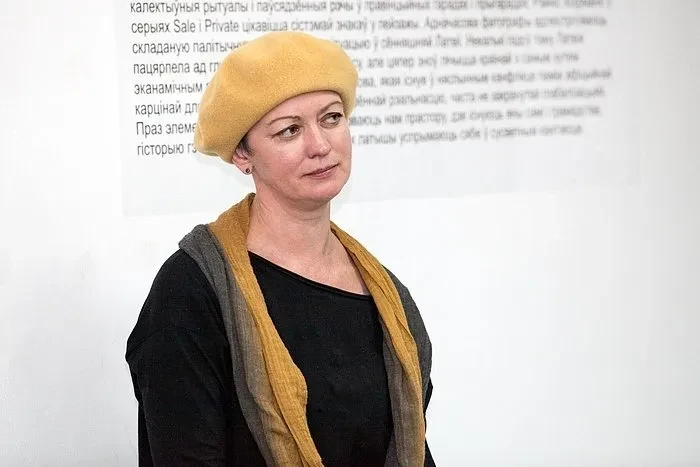
In 2015, human rights activist Elena Toncacheva, who lived in Minsk with a Russian passport for twenty years, was forced to leave Belarus. The formal cause of expulsion was fines for speeding. Elena herself associated the situation with human rights activity. Three years later, she returned to Belarus.
Concerned about the mass expulsion of Russians from Belarus three years ago expressed the Russian Embassy. Then Igor Karyagin, the head of the consular department of the embassy, said that in 2015 390 were deported from Belarus and 909 citizens of Russia were deported. He recalled that in the Russian Federation, only the court can make a decision on the expulsion, while in Belarus the fate of a foreigner can be decided by the regional head of the Ministry of Internal Affairs.
Sending for a year from Belarus threatened the press secretary of the United Civil Party, Russian Anna Krasulina. She came across to participate in unauthorized mass shares and passing a hare on a bus. Krasulin paid fines, but the authorities decided that this was not enough, and tried to send her out of the country again. A civil activist said that she had never felt a foreigner here and went to court, who eventually got to her side.
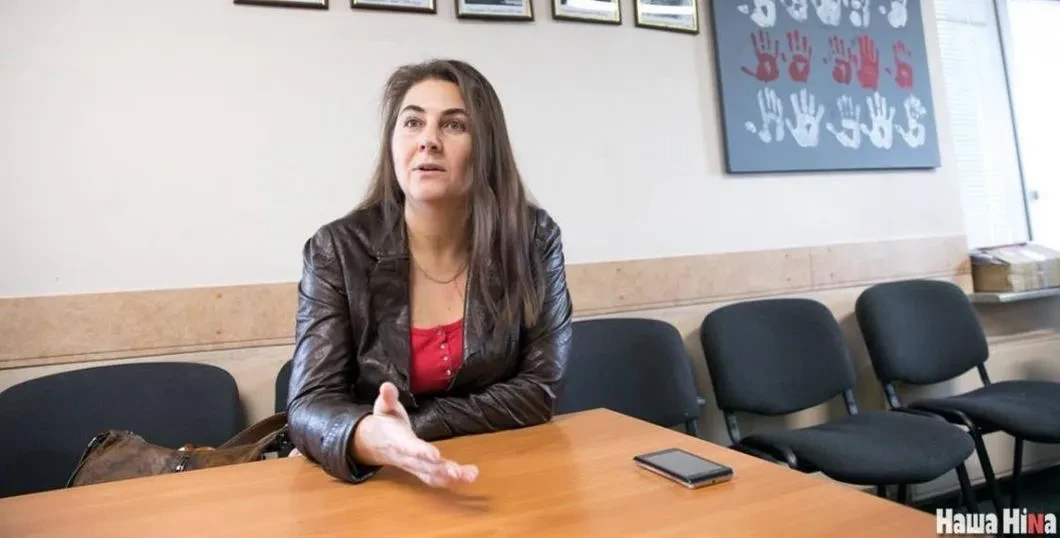
“When there were affairs of both Toncache and Krasulina, it seemed that these were one -time actions directed against civil activists and human rights activists. But after the cases of suicides in the Gomel region and the affairs of citizens of other states that I know, it became clear that this is a system inside the Belarusian Ministry of Internal Affairs, and it works for everyone. This is the biggest problem that she continues to work further, ”said lawyer Andrei Strizhak.
According to the Department of Citizenship and Migration of the Ministry of Internal Affairs of Belarus, about 2 thousand foreigners were sent from the country a year. The Russians make up a quarter to a third of this number. So, according to Euroradio, in 2018, 580 citizens of Russia were sent from Belarus.
- With the support of the media network. Based on the material "Euroradio"