
Translated material
"Analgin, Aspirin and went out"
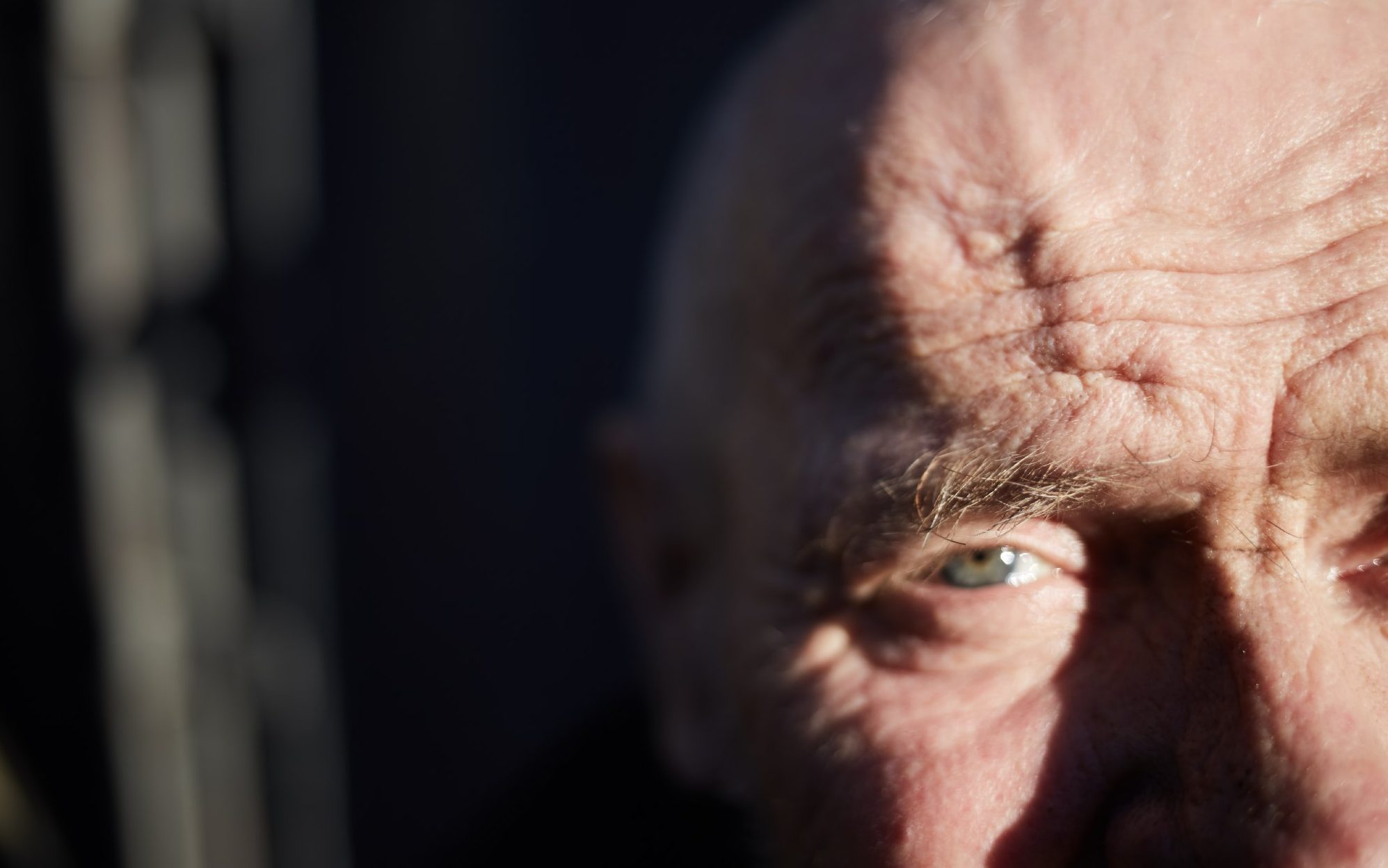
Gustav worked almost all his life: a janitor, foreman, engineer, general director of the company ... But now he lives in a tent - he has nowhere else to go
Help the Maltese assistance service to helpI see it from afar: light eyes, graying bristles, under the arm of crutches, under an old sweater - a folder with documents. In the corridor of the MFC is stuffy, but he does not take off his outer clothing and a hat. Its number is 79: wait for the queue for issuing social benefits for a long time, there is time to talk. And Gustav begins to tell. At first, carefully and a little confused, then - more and more confident and more.
A boy with dynamite
Gustav was born 68 years ago in the Mandrog Lesopunct in the Leningrad Region.
“People there were engaged in prey and forest alloy on the Mandrog River. There was still a rail horse rod - as in the good old days, the logs were loaded onto the platforms and dragged Olonets towards the River, and there they rafted again ... ”
He speaks quietly, deaf, sometimes not very good, but when he recalls his childhood, something childish immediately appears in him: “There was a school in one half of the house, our family lived in the other. There was a slot in the wall, and I eavesdropped through it. The slit was scattered, and I picked up their putty. Then for the first time and the only time in my life my mother wiped me with a belt. I pouted like a turkey, got angry, found matches and set fire to the corner where the click was. We had a grandmother and, looking at this, said: “ If this person wants to set fire to the house, give him matches. Otherwise, he will drag the dynamite.” I was then five years old. ” ”
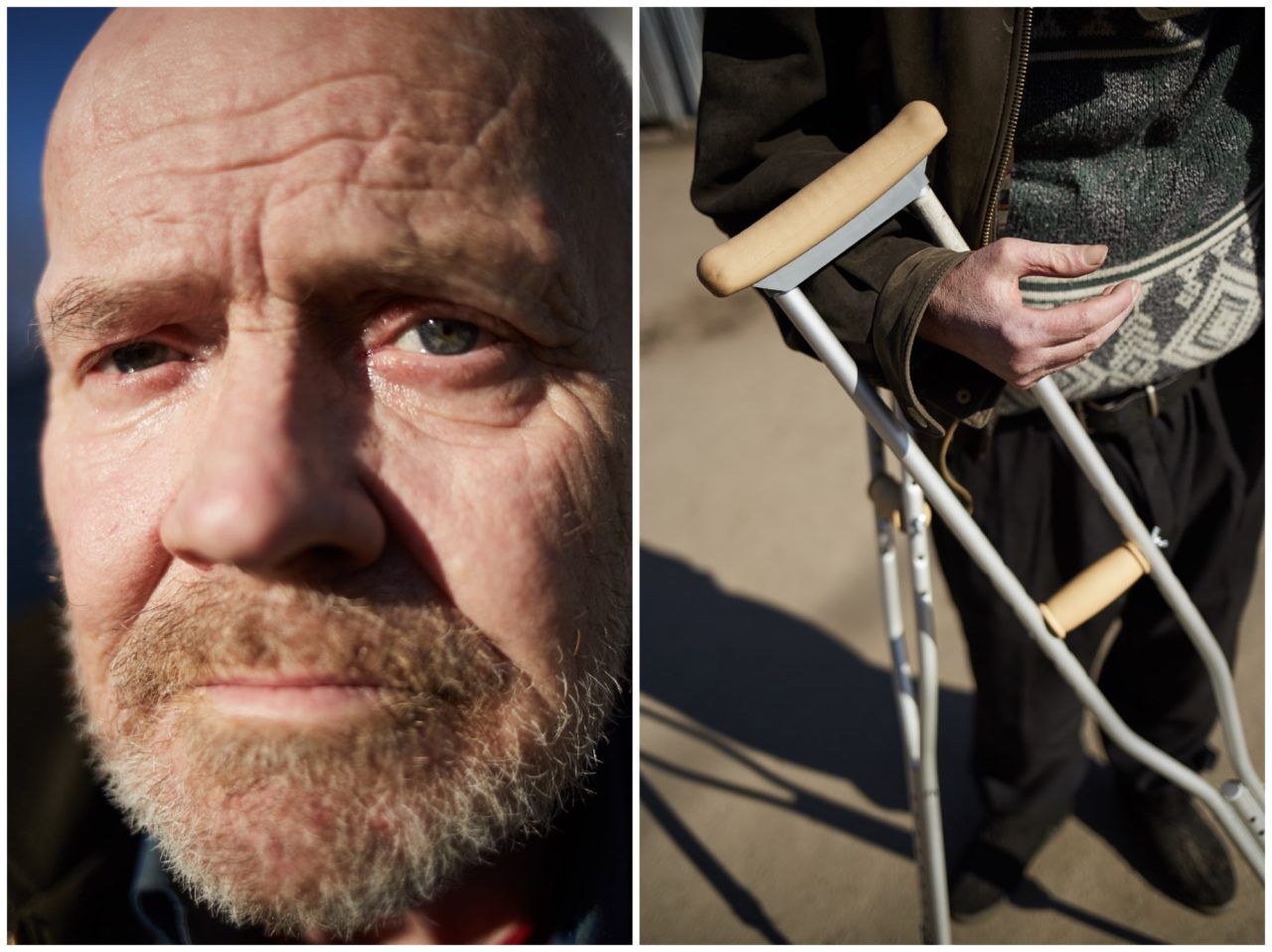 Gustav photo: Lisa Zhakova for TD
As for dynamite, grandmother was right. The village in which Gustav grew up just on the Mannerheim line, the traces of the war were everywhere.
“All the time he collected weapons,” Gustav laughs. -The main hobby was to find shells somewhere in the forest, put them in a heap and make bicfords a cord from a dry pine tree, 30 meters long. We will put it all in an old trench on a hillock, set fire and a bastard. ”
After the machine gun fell into the hands of Gustav, his mother sent him to the camp for difficult to have, where he was kicked out of “for bad behavior”. Then Gustav became interested in rocket science. He made the first missiles on the basis of a school triangle, soon moved to the stepped ones - and burned the barn. After that, my mother attached her son as assistants to surveyors who drained the local swamp.
It was difficult to cope with the boy, but his memory was phenomenal. “When the guests came, my mother gave them a stack of books. One of them opened any book anywhere. I had to read ten pages to myself. Then he returned the book to the guest and word for word repeated everything read, ”says Gustav. He easily remembered all the lessons, constantly won the Olympics: for this, the “difficult to use” Gustav received two tickets to Artek and even met with Gagarin there.
"Worked like everyone else"
After the school, there was a study at the Leningrad Electrotechnical Communication Institute named after Bonch-Bruevich with a degree in a multi-channel engineer. At the institute, a hooligan boy turned into a serious, responsible young man. He was the chairman of the hostel's student council, led the group during trips to the Magadan region, where students learned to repair communication lines: “Downstairs, in the valley, plus 30-36, you need to repair the communication line through the pass, and on the pass-minus 10-15!”
In his student years, he worked a lot. He unloaded the wagons at the meat processing plant, dragged the bobbins to the shuttle machines at the weaving factory, worked as a janitor - he, a very young man, already had to support his family: his wife and daughter.
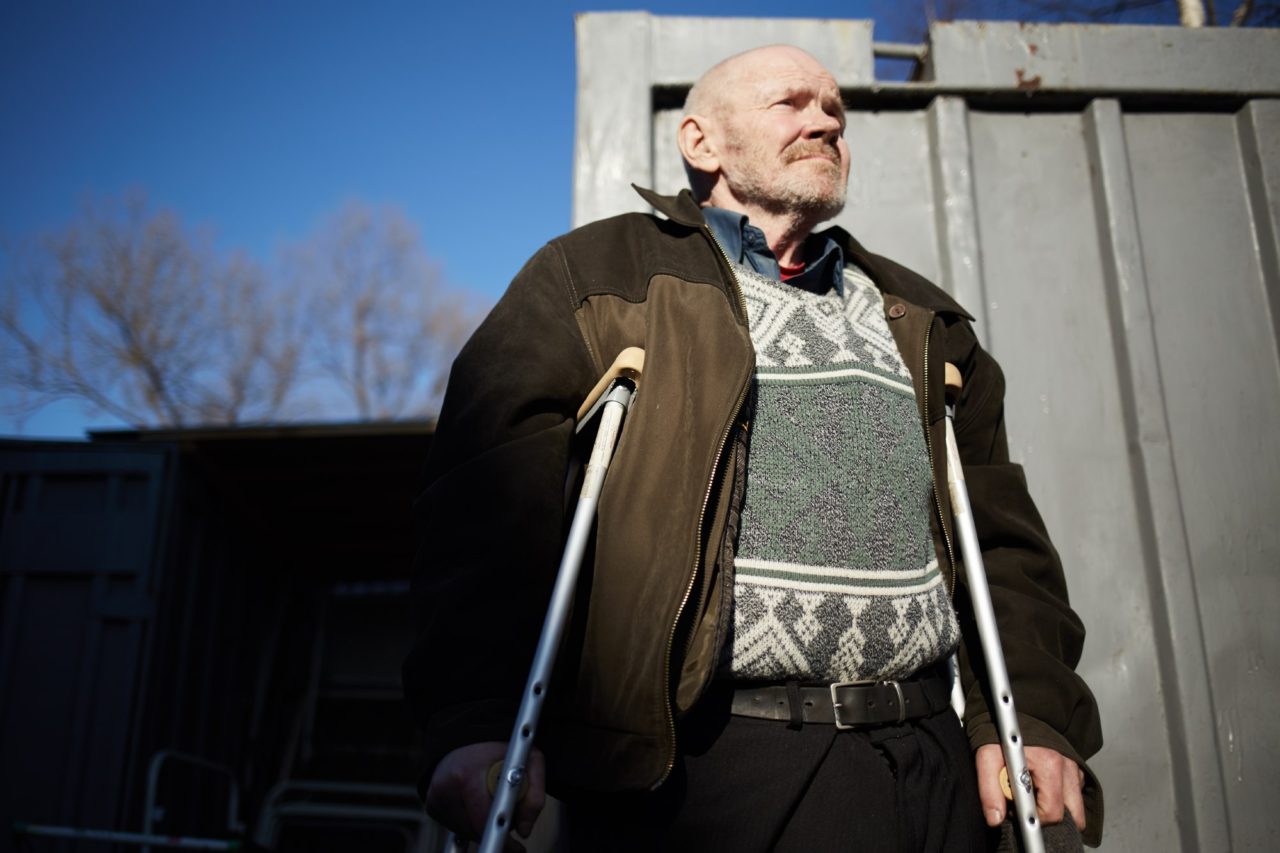 Gustav photo: Lisa Zhakova for TD
After the army, Gustav recovered to LAS, graduated from the university and went to work again-a master, then a foreman in the Trest of Lentelefstroy, the deputy chief of the urban and rural communications service, and then the head of the repair and installation workshops in the Leningrad region.
“He worked like everyone else, but tried to do something in his own way,” he says. -When the shootout-river began, so I call it, was ready to change something. He took up the introduction of digital communication with the emphasis on modern stations, modern technologies. Compiled a general concept - three or four sheets - what will be with the connection in ten years. And this concept as a whole works! "
I tried myself in private business. He was the general director of the personnel selection company for companies, the founder and general director of the Veteran-Telecom company-she was engaged in the repair of communication lines of the Leningrad city telephone network.
"Entishas with suicide"
- Where are you living now? At what address?
“Kolomyazhsky Prospekt, 6a,” says Gustav.
- Is this a building?
- This is a tent. Army tent.
The woman in the window of the MFC raises her eyes in surprise, then asks to write a phrase under the dictation at the end of the statement. He repeats several times slowly, by the letter:
-The face of b-o-m-h-without a specific place of residence. -B-o ...
“Yes, yes, I understand,” says Gustav.
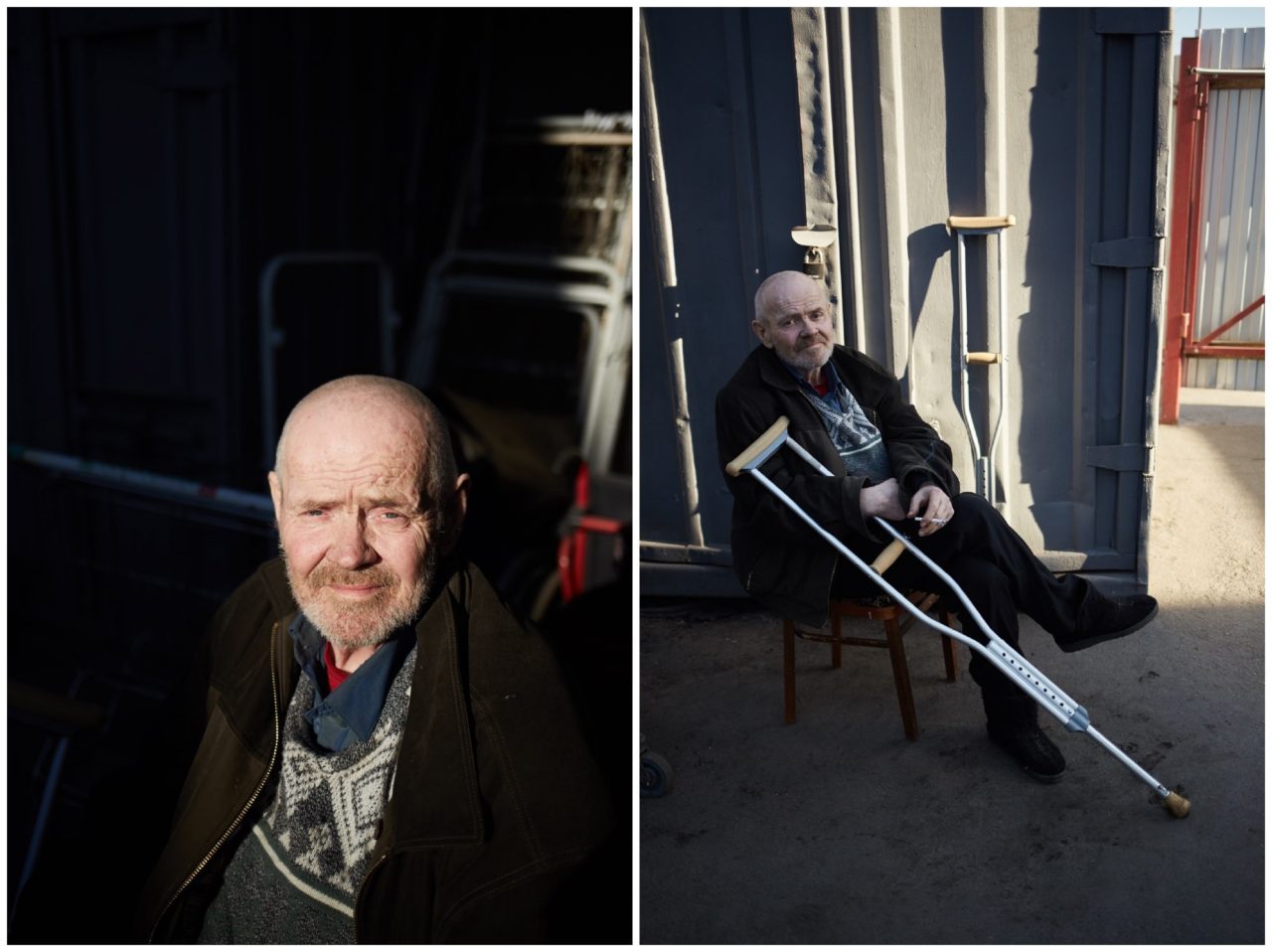 Gustav photo: Lisa Zhakova for TD
Gustav married several times and divorced. After the next divorce, he shared his housing, and shared with the proceeds with his ex -wife. He moved to a new, civilian wife, and when she died, he remained in her apartment with a formal right of residence. But a neighbor appeared - an alcoholic with whom he could not get along, recalls Gustav. The neighbor severely beat him several times. Gustav received a serious traumatic brain injury, his hip neck is broken and now he has to arrange a disability. He is sadly joking: "I know three medicines: Analgin, Aspirin and " went out. "
In hospitals, Gustav “lay down” all the deadlines due by law. A criminal case was brought up to a neighbor, according to Gustav’s statement, his mother began to literally pursue Gustav, and the owner of the apartment demanded to discern and move out.
Then Gustav turned to the Maltese assistance service. He wrote a note to the head of the service Mikhail Kalashnikov: “To return to that apartment for me is equivalent to suicide, especially since this return does not meet the requirements of the owner. The only possible way for me to continue life is to move to a new place of residence. I have no such place. I ask you to arrange a disability and send me to the boarding school. If possible, help with work. "
Mikhail Kalashnikov speaks of Gustav with respect, as a very independent and positive person. Putting documents and certificates is not easy, but Gustav regularly travels to all the necessary instances.
"Pull the soul from the loops"
“If you find yourself in such a situation, it’s not an uncle, not an aunt, not someone else there, but you yourself did something wrong, somewhere he talked about it, didn’t dream about that ... I am a calm, quiet person. He lived his life well. The fact that it happened to me is to blame for this. But I do not regret anything and do not blame anyone for anything, ”says Gustav. - It all depends ultimately on the person himself. He wants to take a step forward, to a normal life, which means that he must act. ”
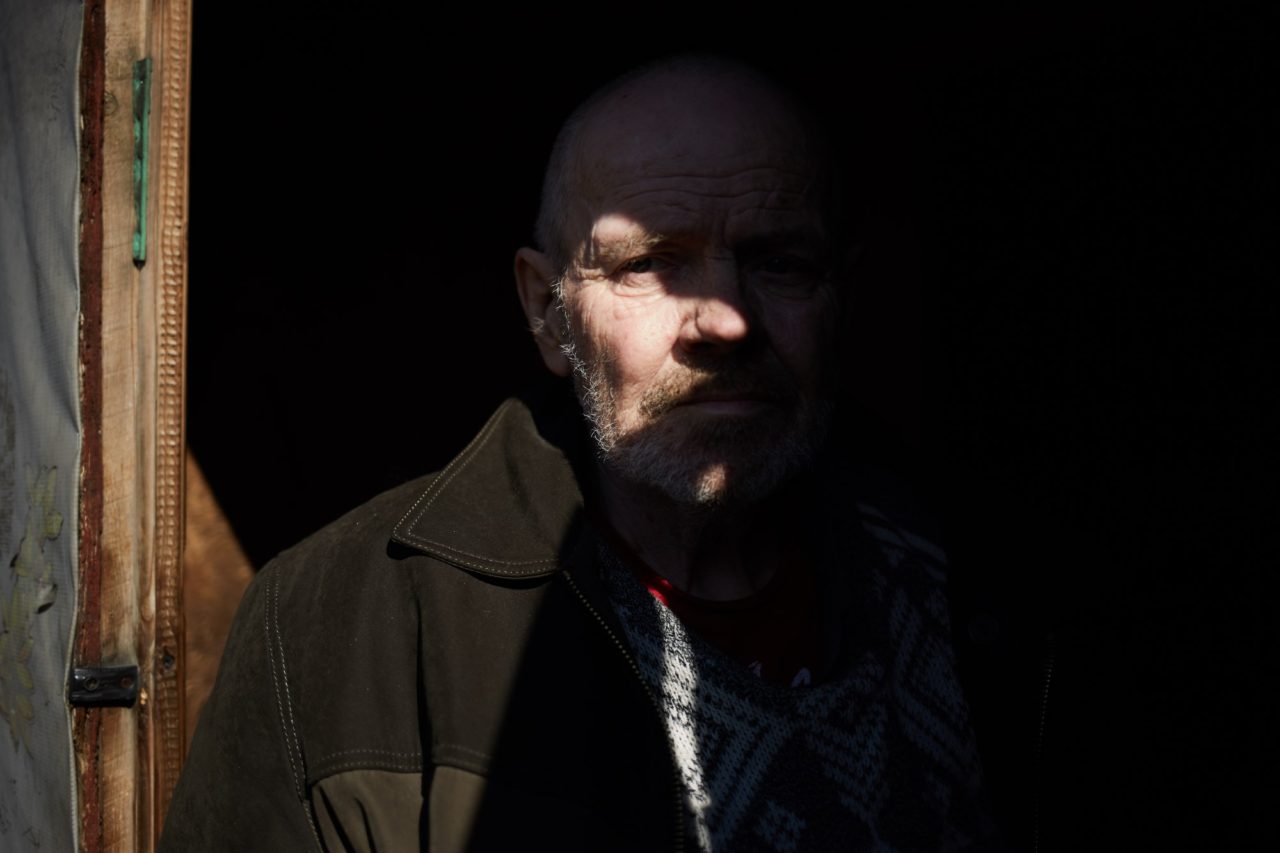 Gustav photo: Lisa Zhakova for TD
And Gustav acts to get out. He says that in the “Army Tent” - a mobile shelter of the Maltese assistance service, he and many others gave a second chance for life. The tent is heated, so wards of services can live there at any time of the year. For homeless disabled people without documents who have nowhere to go, warm shelter and daily hot food are the only salvation. And the opportunity to draw up all the necessary documents again - the service agrees with institutions, which can then accept a person, with relatives, if they are, buy the necessary medicines and tickets home for those who came to work and found themselves in a difficult situation. This very tent and Kalashnikov, “who works like a wave, pulling out people,” Gustav dedicated the quatrain:
The evening is thoughtful and bright
The air is transparent and clean.
Pull the soul from the loops
And we will lead them up.
In order for the Maltese assistance service to continue to help lonely homeless people with disabilities not to die on the street, gave them food, shelter, helped restore documents, get a job or permanent residence in public institutions, it is necessary to help the Maltese service itself. Any money transfer, any, even a very modest recurrent payment in its favor, is a chance to pull the souls out of the loops.