
Translated material
The British parliament approved a delay in Brexit
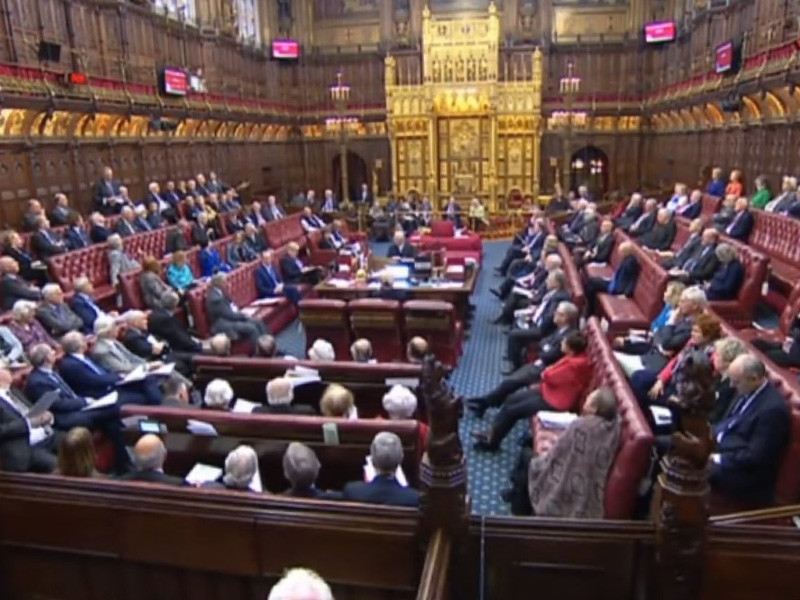
The House of Commons of the British Parliament on Monday in the evening of Monday finally approved the bill on the delay of Brexit. This was reported by TASS with reference to the Press Association agency. The decision became known after the deputies of the lower house adopted the amendments of the House of Lords introduced earlier on the same day, because of which the document was again submitted to the House of Commons.
As the author of the bill, the deputy from the Labor, Ivett Cooper noted, both chambers of the parliament came to the conclusion that Brexit without a transaction "would have turned into severe damage to jobs, production and safety of" Great Britain. In addition, according to her, the adopted document provides direct support to Prime Minister Teresa May in his intention to achieve the approval by the parliament of her Brexit transaction this week.
The bill received royal sanction and became the law. The proposal to extend the validity of Article 50 of the Lisbon Treaty of the EU, which determines the procedure and deadlines for the country's exit from the European Union, will be discussed by the lower house on Tuesday.
Now Teresa May should name the new deadline for Brexit. Then she will have to receive the approval of the parliament and submit an appropriate EU request, which, in turn, can accept or reject the incoming proposal.
Last Friday, May wrote a letter to the chairman of the European Council Donald Tuska, in which she asked him to postpone the exit of the United Kingdom from the EU from the current planned date on April 12 until June 30. However, Brussels, according to existing information, agrees only on the option of long extension, until the end of March 2020.
The House of British communities previously rejected all alternative options for further development of the situation with Brexit, made to the so -called demonstration vote on March 27. 8 options for decisions on Brexit were presented, including holding a referendum on any of the options for an agreement with the EU, an exit without a transaction, a review of the application for exit from the EU and Brexit without an agreement, but with clarifying agreements.
The Minister of Britain from the EU Stephen Barkley, commenting on the results of voting, noted that they only strengthened the opinion of the ministers that their transaction, that is, proposed May and three times rejected by deputies, was the "best option".
On April 1, London analysts by the American Bank Goldman Sachs said that the losses of the British economy, due to the upcoming exit of the country from the EU, are already about $ 87 billion (over $ 114 billion at the current rate).
According to the bank’s settlements, starting with a referendum on the issue of the country's withdrawal from the EU, held in June 2016, the country losing 600 million pounds (almost $ 787 million) weekly due to the choice made by its inhabitants. Compared to the forecasts of growth of the British economy, which were made before the referendum, taking into account the fact that the country remains in the EU, by the present moment the United Kingdom was underway 2.5% of its GDP. The risks associated with uncertainty were reflected in the growth of investment immediately after the vote.
According to bank estimates, the likelihood that Great Britain in the end will not leave the EU over the last days increased from 35% to 40%. In the case of the implementation of this scenario, Goldman Sachs analysts expect that the British economy will begin to strengthen quickly, having played the losses of recent years, and the pound will grow by about 10%. The Brexit script without a deal against which the British parliament voted, threatens the country with a loss of additional 5.5% of GDP and a drop in a pound of 17%.