
Translated material
Escape from Europe
Russia may lose membership in PACA and get out of the jurisdiction of the ECHR if it does not continue to pay mandatory contributions
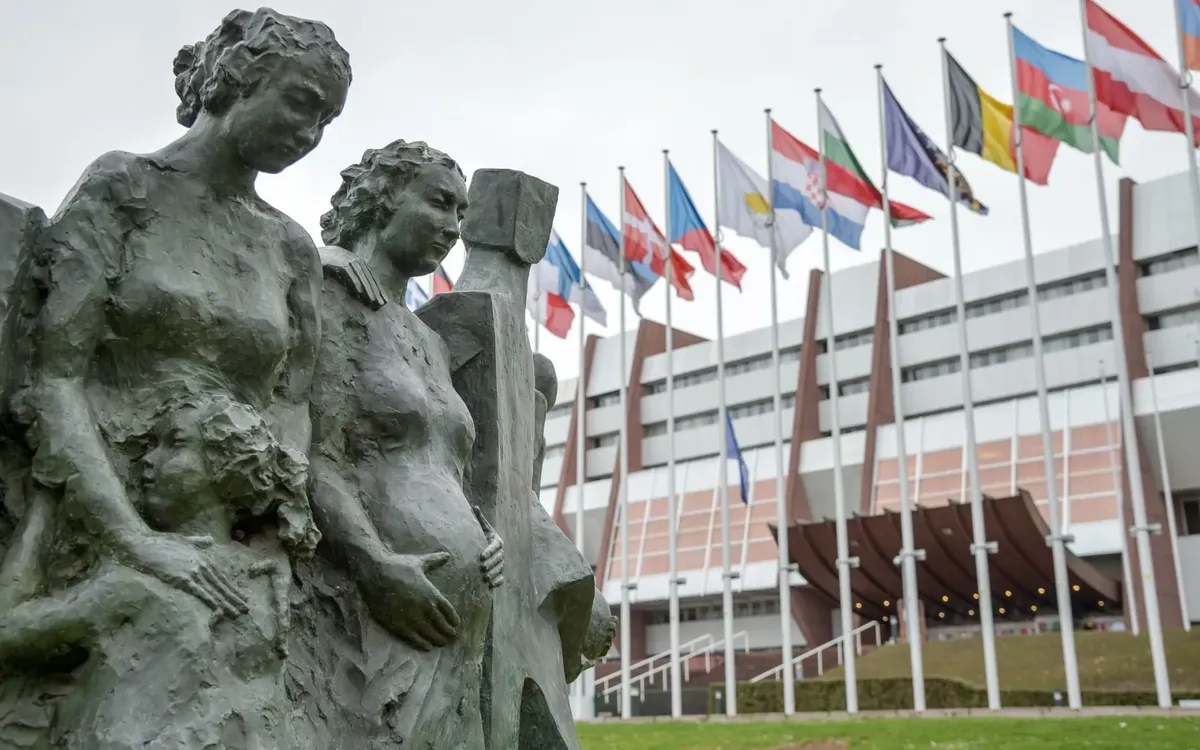
Another meeting of the Parliamentary Assembly of the Council of Europe is again held without the participation of Russia. The delegates of PACE adopted a resolution in which they called on Russia to return their delegates and pay contributions to the Council of Europe, mandatory for all member countries. In response, Russia says that it is ready to do this if PACE cancel the sanctions adopted against Russian delegates after the occupation of Crimea.
Crimean conflict
PACE is inherently an advisory body that gathers at the session four times a year. Among its main functions are the choice of judges of the European Court of Human Rights and its new members, as well as decisions in relation to new member states. Otherwise, this is a platform where the parties can discuss political issues, international relations, human rights. PACE draws up his decisions in the form of resolutions if the majority voted for them. Russia, being one of the largest European states, is represented in PACA 18 delegates.
The conflict began in 2014. More precisely, Russia and PACE have had conflicts before: for example, in 2009, when the delegates of most other countries called Russia recognition of the independence of Abkhazia and South Ossetia "a violation of international law and the authorized principles of the Council of Europe." Although the delegates in that situation took the side of Georgia and emphasized in the resolution its “sovereignty and territorial integrity”, this had no legal consequences for Russia: Moscow continued to consider Abkhazia with Ossetia Independent, while regularly sending delegates in PACA. Pase regularly raised questions about human rights in Russia, in particular, criticized the law on the prohibition of propaganda of homosexuality, but again - without consequences.
In the case of Crimea, delegates reacted harder. A resolution was adopted in which the delegates condemned the annexation of Crimea and called on the Russian authorities "to ensure immediate termination of violations and bring the guilty persons accountable."
“From the point of view of the Assembly, no arguments used by Russia in order to justify its own actions are confirmed by facts and reality,” the document said. - There was no ultra -right coup in the government of Kyiv, and there were also no threats to the rights of the Russian -speaking minority, in particular, in the Crimea. Given the fact that neither the desire to separate, nor further integration with Russia stood on the political agenda of the Crimean population before the Russian armed intervention, the assembly concludes that separatism and accession to Russia were initiated and incited by the Russian authorities under the cover of armed surgery. ”
As a result, the assembly decided to remove all Russian delegates from leading posts and deprive Russia of the right to vote until the end of 2014. This document was supported by 145 deputies, 22 abstained, 21 opposed.
In January 2015, the Parliamentary Assembly decided to again deprive the Russian delegates of the vote right until the end of the year. In response, the Russian delegation left Pase, and in June 2017 stopped paying membership fees to the European Council.
Money for voting right
During the current session, the Secretary General of the Council of Europe Turbjurn Jagund recalled that, according to the Charter of the Council of Europe, a state that refuses to pay membership fees for two years in a row may be excluded from it - and Russia approached this critical point. At the same time, Russia does not want the exceptions to the Council of Europe.
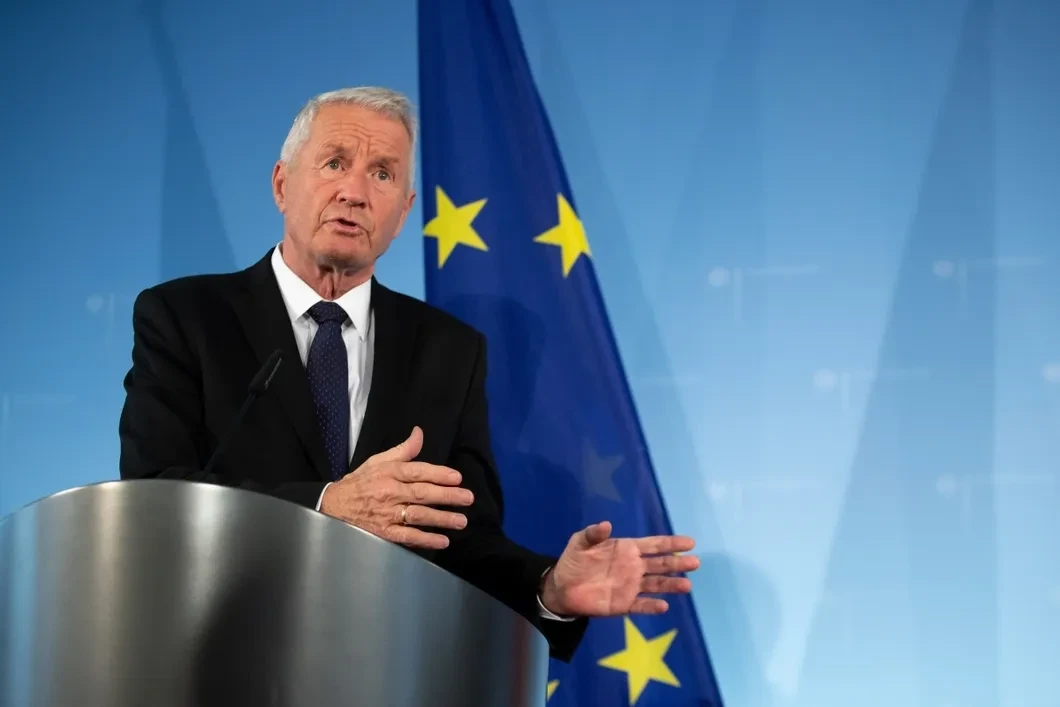
“The Council of Europe is the only institution that legally connects Russia with Europe,” Jagund said during a speech. - We can see another Russia. We will have a new separation line in Europe. Do not underestimate the negative consequences, especially in combination with Brexit. Before us are two processes that can really shake Europe. ”
The new resolution adopted on April 9 contains calls for Russia to “send its delegation to the assembly and resume mandatory payments to the organization’s budget.”
“The Assembly calls for the dialogue of all participants to maintain the pan-European mission of the Council of Europe and avoid the situation in which the largest member state will be forced to or independently decide to leave the organization, taking into account all possible geopolitical consequences and specific consequences for Russian citizens.”
At the same time, nothing is said about the abolition of sanctions against Russian delegates in the new resolution.
PACE has not yet received an official answer - and it is not known whether Russia will apply for participation in the next summer session. Most Russian officials who have already spoken on this issue believe that first Russia should be restored in rights - and then it will continue to pay contributions and participate in sessions.
“We are ready to hear the call and confirm that we are ready for dialogue, but we want us to hear us. And so that they do not just see members who pay contributions, but to see full, equivalent members participating in all elections, ”said Alexander Chepa, deputy chairman of the State Duma Committee on International Affairs. Actively against the return of the Russian delegation are Ukrainians. According to Dmitro Kuleba, the head of the Ukrainian delegation, Russia “sows fear between members of the Assembly” and manipulates the issue of contributions so that PACE decided in her favor.
Why is it important for Russia to stay in the Council of Europe
Membership in the Council of Europe, in addition to the participation of Russia in the discussion of an international agenda means that Russian citizens can apply to the European Court: having left the Council of Europe, Russia thereby gets out of the jurisdiction of the court. For Russian citizens, the European court was the last opportunity to complain about violations of their rights if in the Russian court it was not possible to achieve justice, and this happens too often - it is not without reason that Russia is a leader in the European Council in the number of complaints. Moreover, if the ECHR identifies violations, the Supreme Court must send the case for a review - however, in 2017 the Constitutional Court ruled that some decisions of the ECHR may not be fulfilled if they diverge from the Russian constitution.
Among the high -profile affairs with the participation of Russia there are, for example, the following:
In early 2019, the ECHR decided that Russia is obliged to pay (a total of 10 million euros to Georgian citizens expelled from Russia in 2006.
Last fall, the ECHR recognized seven detentions and administrative arrests of Alexei Navalny politically motivated, he made the same decision in relation to the house of Navalny's house arrest in the Yves Rocher case.
In June 2010, the ECHR recognized Russia responsible for the abduction and possible death of eight residents of Chechnya and ordered it to pay 420 euros of compensation to the families of the missing.
In the fall of 2018, the ECHR admitted that Russia violated the rights of the LGBT community, prohibiting them with a number of public events.
These several cases are only a drop in the sea. In total, in 2018, the European Court adopted 1014 decisions against Russia - this is a quarter of all adopted. The most common violations by the Russian authorities are a cruel and inhuman attitude towards citizens, as well as a violation of the right to freedom and security.