
Translated material
I am flying with music
In the second part of this issue:
Antonina Semenovna, 104 years.
What and how they drink in Mongolia.
“My favorite records” with writer Elena Bochorishvili (Canada).
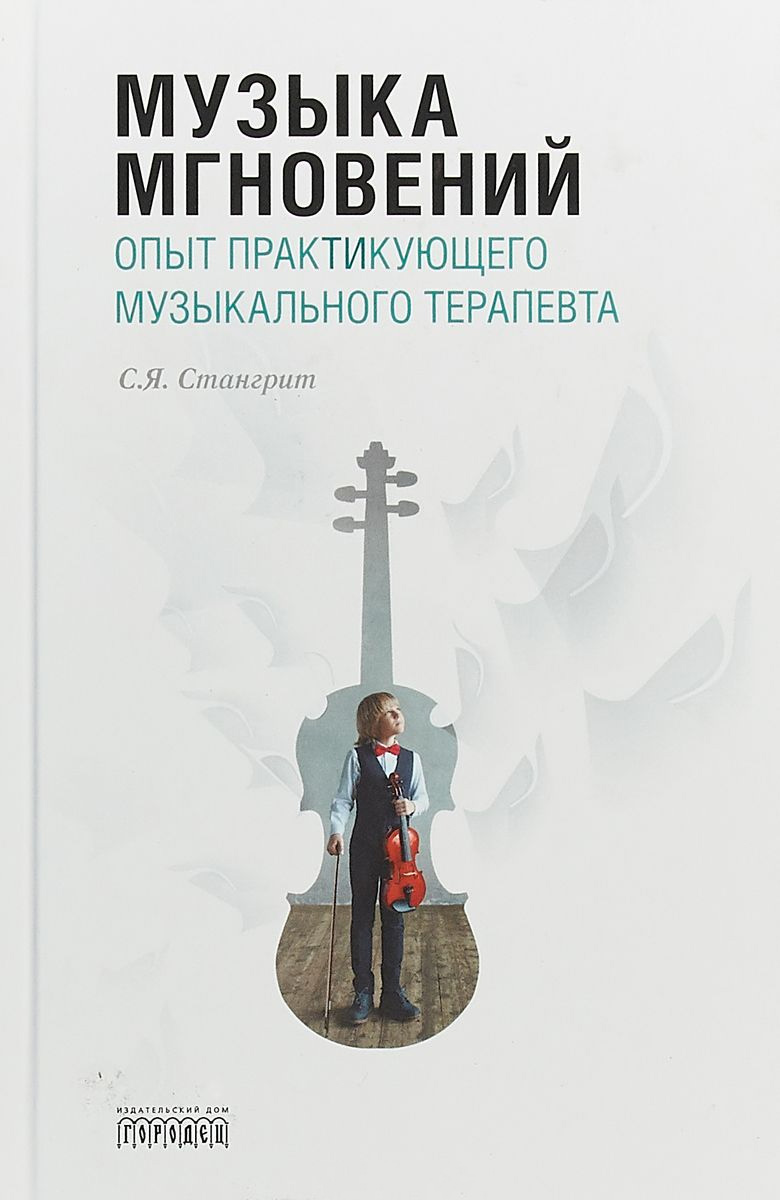
Musical therapy is known since ancient times. In the Bible, the young shepherd David began to serve King Saul, playing for him at the harp for spiritual reassurance, since the king "disturbed the evil spirit." With music therapist Sergey Stangrit ( The author of the book “Music of Moments. Experience of a practicing music therapist” is Talked by Petrozavodsky magazine L Iste Sergey Korobov:
–Musical therapy, where are the origins of this science?
Sergey Stangrite:
–This, apparently in ancient times. As history says, mankind has used music for therapeutic, corrective purposes from the time of ancient India, ancient Greece, ancient China. Let us recall such characters as Sadko, Orpheus, who, with the help of music, performed miracles and transformed the world as a whole and the world of man, in particular. After the last world war, they began to use music for the rehabilitation of soldiers who returned from the fronts who received all kinds of psychological and physical injuries. This began in the USA, in Sweden, the end of the 40s, when they began to study how the music affects. It acts in a wide spectrum varied, and at the wave level, because a person consists of different fluctuations, organs exude some fluctuations, you can find a resonance at the energy level. Spontaneous, say, self -therapy, this is when a person listens to the music that is pleasant to him, chooses that call to his mobile phone, the song that is pleasant to him. Music carries aesthetics, carries feelings, conveys any thoughts. I am as a composer, as an improviser, a musician-improviser, I know this very well and use it in my classes. I do not work with magic, allegedly the secrets of Kalevala opened me. No, everything should be explainable clinically, there is even such a new term: “evidence -based musical therapy”. There is also a primitive view of musical therapy, like a pill: Mozart listened, and you are healthy and vigorous. Everything, of course, is not so simple, there are no universal means. The same Mozart really creates a favorable vital background, but for someone it will be allergic, stress and neurosis. That is, there are no universal funds. The simplest goal is this - a person has the right to happiness. In particular, a child with special needs. Even if he is happy for one hour a week in music classes.
–Pro Stepu, for example.
- Steppe came to very small, three -year -old, not speaking. He lived in his world, was closed, a rather typical autistic spectrum, we can say that he was an autistic. He reached for music, to various instruments, he liked the piano. Gradually, he began to talk, and sing, and communicate.
-And this story with the "Imperial march", what is it?
- “Imperial March” - music from Star Wars. For Stepa recently, music classes are the moment of the holiday, relaxation, the release of negativity, some kind of flight. “Imperial march”, he walks to this music, singing, pronouncing, playing internally a role, living in some images. Each time they are different: then these are the characters from the movie Star Wars, a phrase or thought that came from life, from today, a phrase from a movie or a phrase of teachers, friends, has shine.
- He went in a circle this time in the classroom, exclaiming "everything will be fine."
-Yes, remarkable self -hypnosis, self -hypnosis.
- The next time he can walk with a completely different phrase?
- It cannot even be, but of course, it will be so.
- How do you determine for yourself what you will do with a newcomer?
“Yes, I have children not speaking, let’s say, in the human language, but something or the seques, in some kind of world living child.” We begin to communicate at first not verbally, with our eyes, hands. The main technique at the first stage is observation and empathy. I try to understand his image, internal music, that is, his temperament, dynamics, strength, inclinations or aesthetic, or psychological, to the lyrics or to the drama. Someone will love Cheburashka, and someone will respond to a hat. Observation just calls me to find those threads that can stretch between me and the child. The main tool is piano, which allows you to play any accompaniment, improvisation, create the necessary atmosphere.
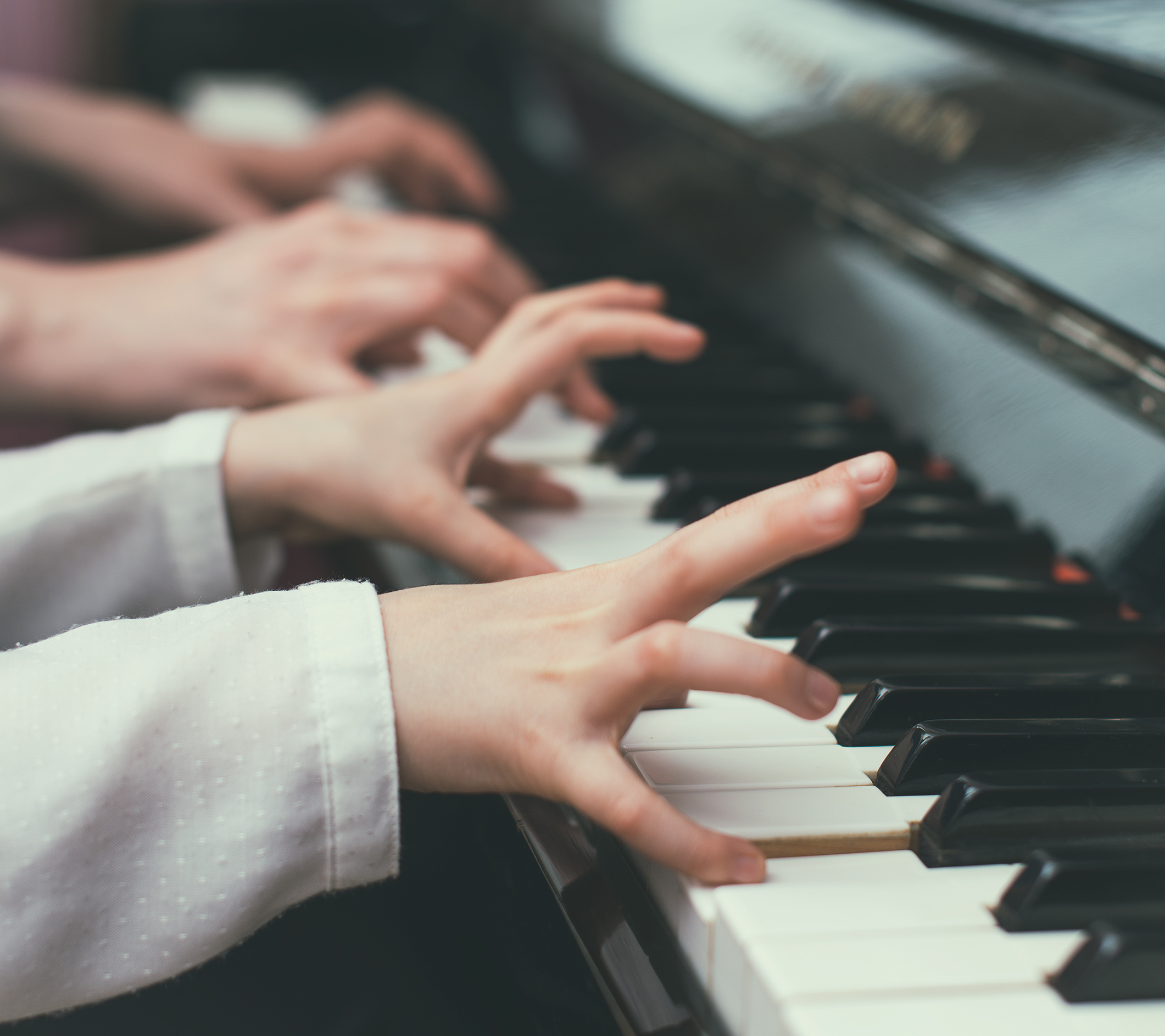
-What will be just trying to slap a finger on the keys?
- Depending on the child. Someone will spank, someone will copy what I do. Many children react to the gliderative and try to play. This is some kind of rise, a movement. Flute, many people love, flute is useful for the development of speech. First, breathing develops, arbitrary output. In some children, the problem is just to breathe out of themselves. If the child plays, this is already happiness if he has never blew before. He exhaled arbitrarily at the right time in the right place. It happens that the child holds a pipe in his hands, and does not know what to do, begins to lick, bite. For example, Stepa watches carefully how I play on a flute, accumulates the material clearly for myself, watches how I close the hole and why it turns out beautifully for me. A very important instrument that gave the name of my author’s methodology of musical therapy is Kanteler Karelian instrument. It is believed that he is over a thousand years old. A relative of the Russian gusls. The tool is convenient to use, because a good tool is ready to make beautiful sounds, even just thanks to stroking. We imitate a warm wind - this movement is available to many children. You can pinch strings. Today in the lesson there was an amazing moment, when Kostya, having learned on the piano “here is the dog’s bug”, for the first time played this work on Kantel. We took a very big step forward today.
- Interesting, did he realize this moment?
- No, he did not realize. At the subconscious level, subcortex, of course, it remains.
“Baslav, I noticed a very important tool in your classes.
-Yes, Jembe. It allows you to do a lot - and relax, and depict the sound of the heart. Often I provoke, feeling the inner tension that does not remove in the child, I provoke playing loudly, violently, excitement. It may be arbitrary, what I call musical scraps. This does not necessarily develop in some rhythmic structure and in the play, it is quite arbitrary enough, change the pace, accelerate, slow down. The main thing is that it is from the heart and joyful.
-Is it possible for a child to throw out something?
—The splash the negative in the so -called socially acceptable way.
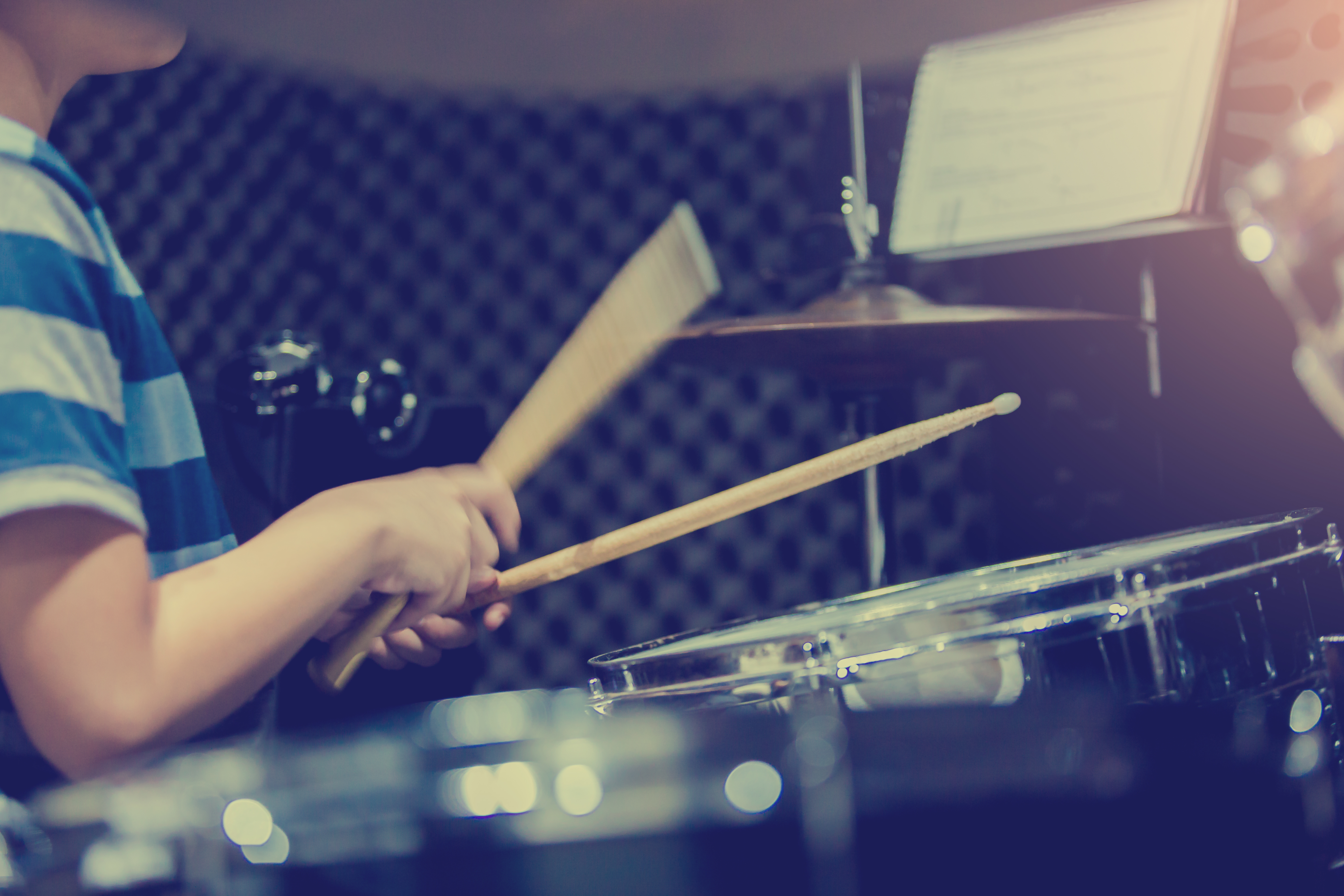
-Gray shock installation, does it also play a role?
- The month for immersion in the music. Because when you are sitting next to the shock installation, you are close plates, drums, and these sounds penetrate into you. The same way to throw away the negativity. Stepa, at the beginning of the lesson, usually chooses drums. He plays violently, poor drums. It's good that they are durable to me. It can be seen how after a few minutes his facial expression, the expression on his eyes, he becomes more calm, after which you can take the cantel and the flute.
—Ah gosha? Remember, his execution of the Beatles on the drum?. And what is the name of this tool, I have never seen it?
-This instrument is called Bar Chaims, it relaxes, makes you smile, resembles some sounds of nature, spring drops, bird singing. A similar tool recently appeared for me - these are bowls, the so -called singing bowls. The bowls make themselves listen. Sounds, similar to bell ringing, also have a very positive effect on children and adults. New resource.
-In your book about musical therapy it is mentioned that you have a single poem, only four lines, and they, oddly enough, about silence.
- How good it is - silence.
How good it is - emptiness.
Silence in which sounds are born,
The emptiness in which feelings are born.
- About silence from the lips of the musician unexpectedly.
“What are you, silence for the musician is such a high, this is a pause.” The music is intermittent, this is its meaning. Sometimes the pause will be stronger than everything that sounded before. Yes, of course, silence is incomprehensible without sounds, only in comparison with this, with music, with sounds we can comprehend silence. And silence is waiting for sounds.
- Children, too, if they do not say, if they are silent - is this also a topic of silence?
“I would not say that it is silent.” They do not say and silently - these are different things. There is a addressed speech and there is internal speech, how the child expresses his desires. He will still learn to express what he wants, what he does not want. The speech is non -verbal, iconic, different methods are formed for working with these children - through pictures, through images, through movements.
-In order, through sounds, you can show the image of a child who comes to you and moves to some purpose? How could this sound?
“I would not just play an image, but the process of developing a child from chaos to harmony. I will try to spark this on the piano.
- So is this his path?
- This is the path of the child, yes, to me.
"Our contemporaries."
They say Antonina Semenovna , 104 years old, and her sons (for eighty).
"Red dry."
What and how they drink in Mongolia.
“My favorite records” with writer Elena Bochorishvili (Canada).