
Translated material
Fire in Notre Dame-Disaster for Europe
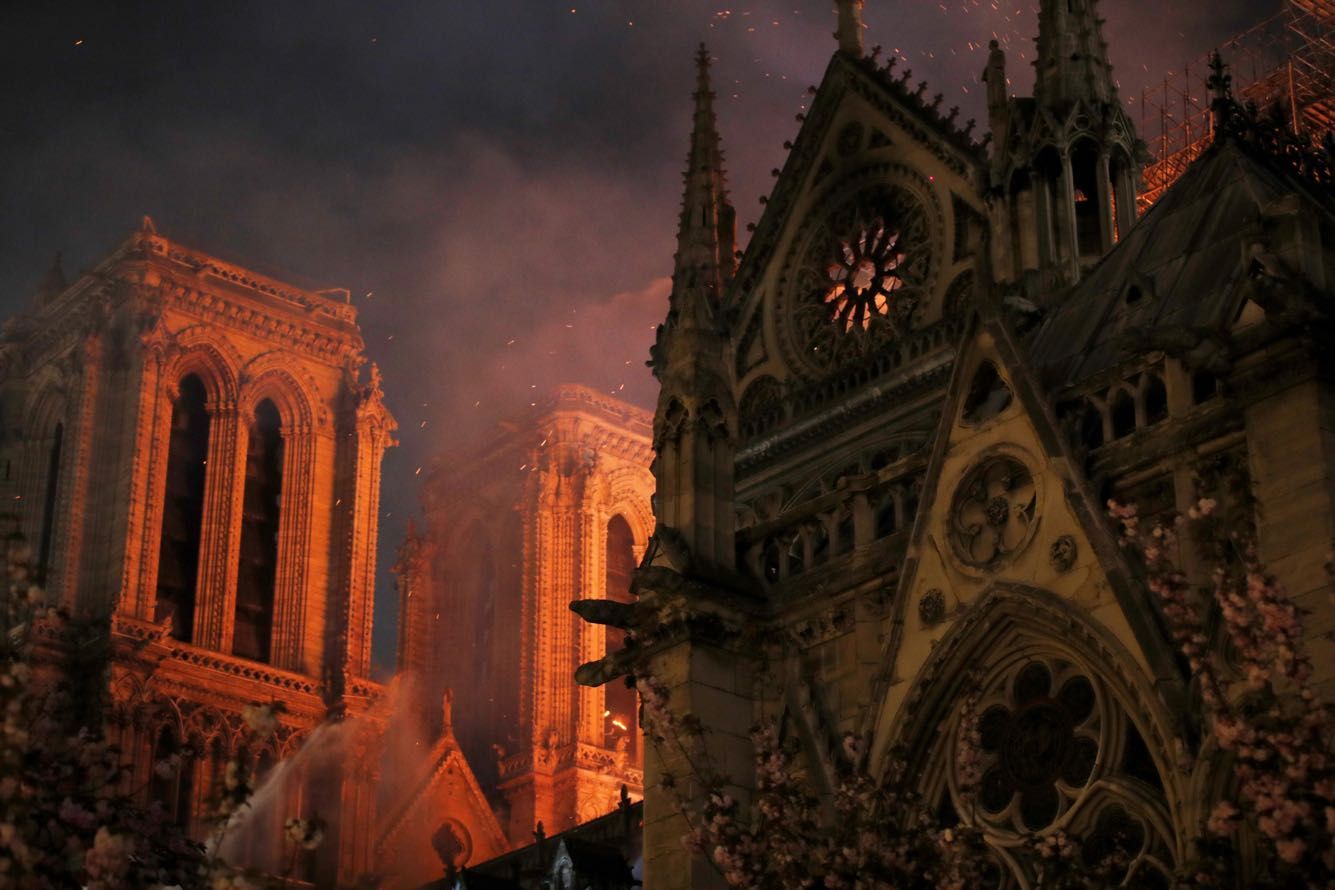
On the evening of April 15, the Cathedral of the Paris Mother of God caught fire in Paris - the main cathedral of France and one of the most famous Gothic temples in Europe. The roof of the structure collapsed, but the walls were preserved. Doctor of Historical Sciences, Professor of the Higher School of Economics, Oleg Voskobobinikov, told Medusa, what significance nototre dame has for the culture and history of European civilization.
The Cathedral of the Paris Mother of God is one of the ten ancient and most important Gothic cathedrals of Western Europe. It was built in the XII-XIV centuries in the capital of the capitations , in the heart of Il de Fran, that is, in the future core of the powerful French kingdom. But the Parisian Council at that time is not the property of the king, not the property of the authorities, this is the place where the bishop of Paris serves. And the bishop of Paris is not even an archbishop, he obeys Sansa, now a small city.
It is not surprising that there are cathedrals around Paris, perhaps more significant, if we speak strictly, without emotions and only from the point of view of the history of architecture. Reims is more important in something, chartre is something more important, Strasbourg in something more original, Bow and Amiens above, Rouen is also beautiful, and the bourgeois too. This is a ring in which Notre Dame nevertheless represents a completely exceptional phenomenon.
Paris gained particular importance in the 13th century, when, firstly, the king’s power was strengthened, and secondly, Louis IX of the Holy Crown brought the crown . This relic from time immemorial was stored in Constantinople. In the 1240s, when Louis was preparing for a crusade, power in Constantinople belonged to the relatives of the French king. They had financial difficulties, they laid the crown with the Venetians, and the king of France bought this thorny crown together with a number of shrines associated with the earthly life of Christ. And we understand that the relics associated with Christ are completely special for Christians. This is not even the chiton of the Mother of God , which is stored in a chartre and also miraculously survived the fire of 1194.
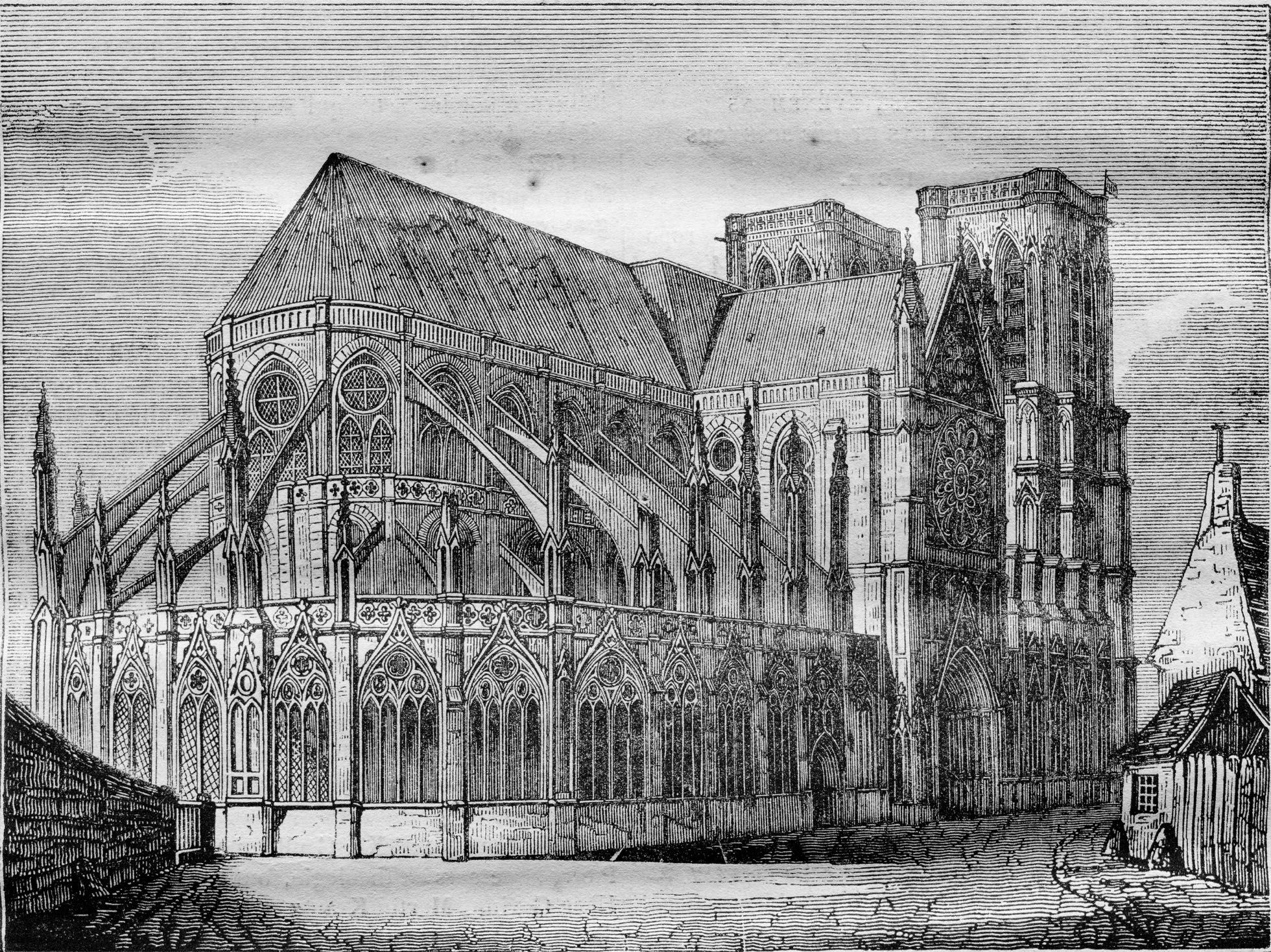
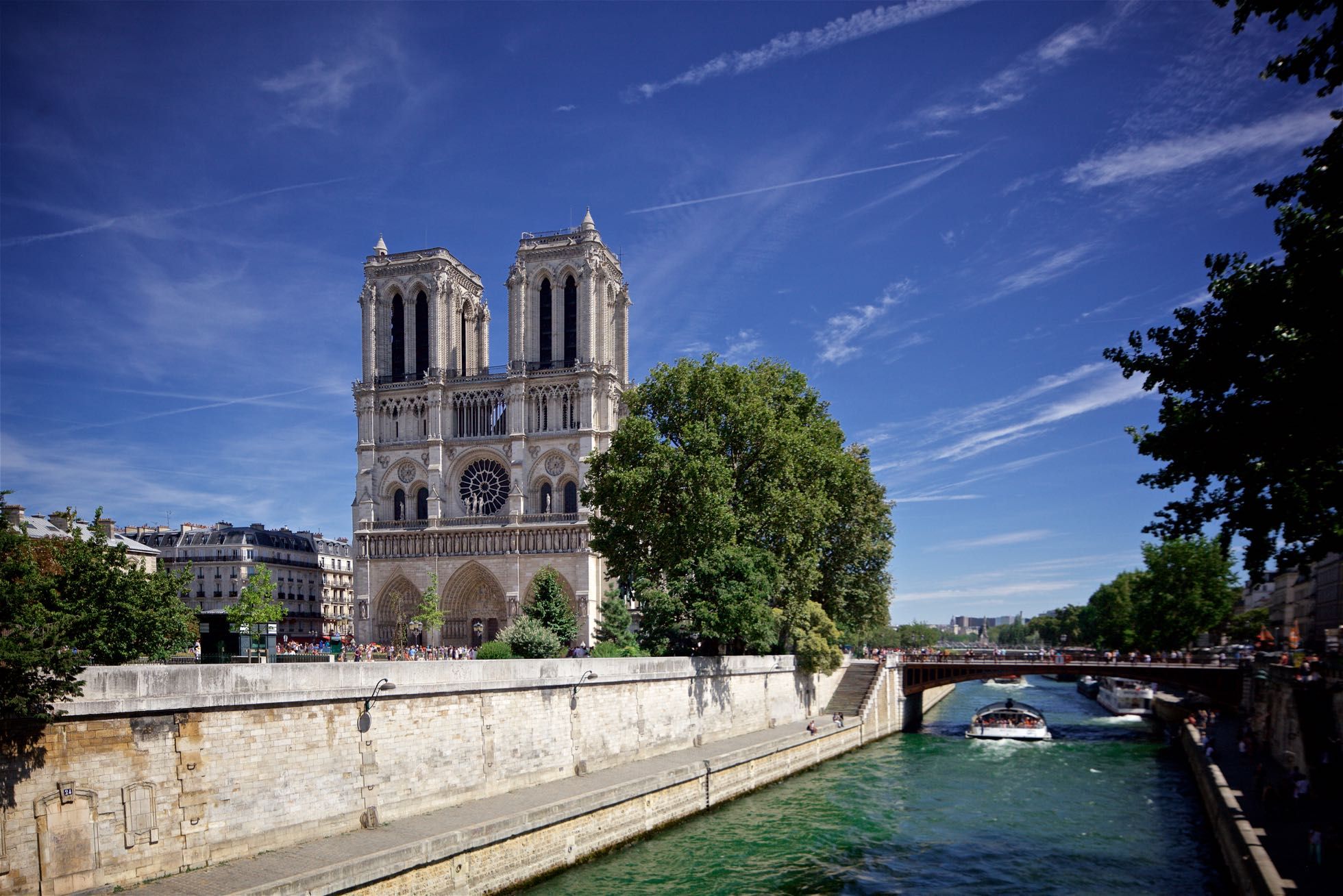
The crown of thorns came to Paris, and for him 300 meters from the Cathedral of the Paris Mother of God was built the chapel of St. Svopel. At the same time, Notre Dame was actively completed. He was, apparently, all white - the same color as, at least until today, the facade. And already in the 19th century, the crown of the crown moved to Notre Dame, for him the ark was made three times, in which he was stored.
It doesn’t matter how each of us treats him, we believe or do not believe in where it is and what [ourselves represents]. Nowadays, of course, it is difficult to imagine that the cathedral is not only a place where people gather for prayers, but it is also a mediastinum that connects the sky with earth and seems to burn in the sky and earth at the same time.
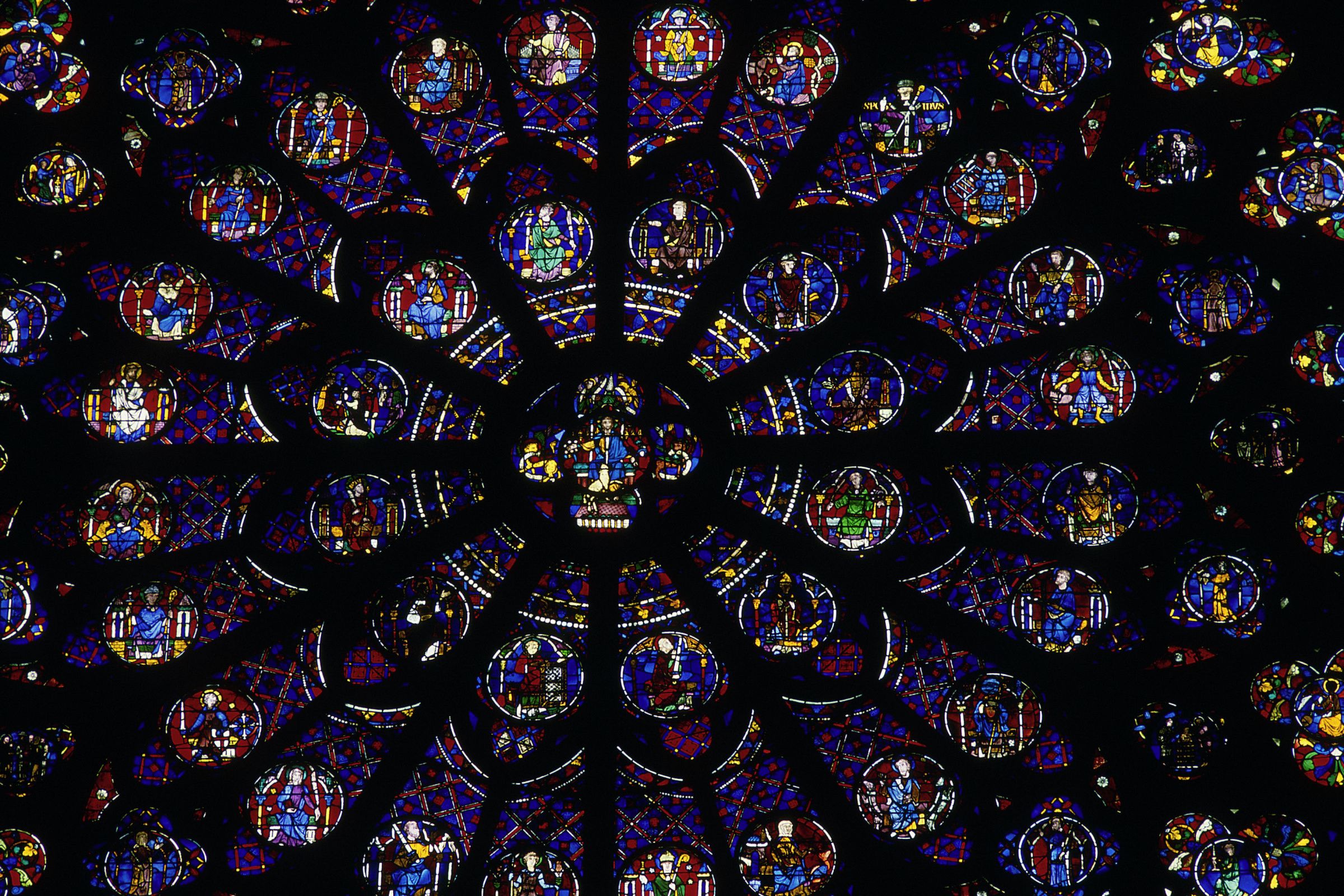
Of the amazing phenomena in Notre Dame, both Gothic roses in transept should be noted-what is now standing out against the backdrop of the night sky is grinning. On the facades over the southern and northern entrances - the largest Gothic roses of France, about 13 meters in diameter, they are completely amazing. The portals, their sculptural decoration are just as amazing. At the same time, there are relatively few original stained glass windows. The fallen spire dates back to the 19th century-it is clear that these structures fell quite often because of a thunderstorm, therefore they relate either to a slightly earlier time or to the 20th century.
It is clear that the cathedral suffered great from time to time, including from revolutions, although not from everyone, but mainly from the very first - the Great French Revolution. Then part of the statues were demolished from him, in particular, all statues with crowns, because the revolutionaries reasonably saw in them the images of the kings of France. Then part of these heads, fortunately, was found - they stand in Kluni.
There are cathedrals larger than Notre Dame, there are more voluminous cathedrals, better preserving stained-glass windows or better preserved plastic. Notre Dame became not the greatest cathedral, he became a cathedral-image, a model that can be copied. Say, Sofia of Constantinople is something unique by definition, it was created. Justinian built Sofia so that no one repeated God, and this is obvious to anyone who was there. And the Cathedral of the Parisian Mother of God is a module, not only architectural, but also a general cultural one, which could be reduced or increased and thereby focusing on Paris as the center of the Christian world, the center of civilization, the city in which, starting with Louis of the Holy, from the middle of the XIII century, the most important shrines of the Christian world are stored.
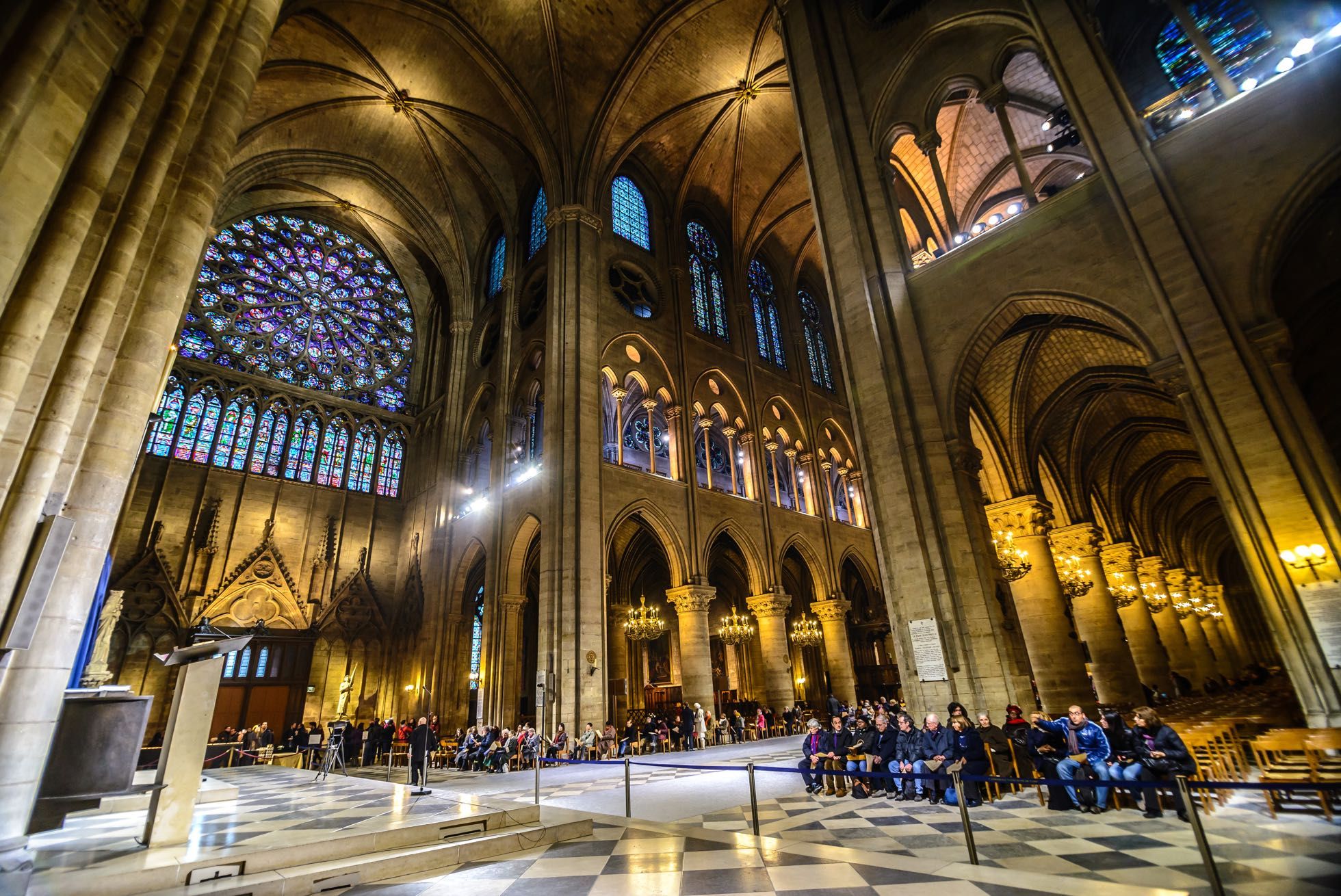
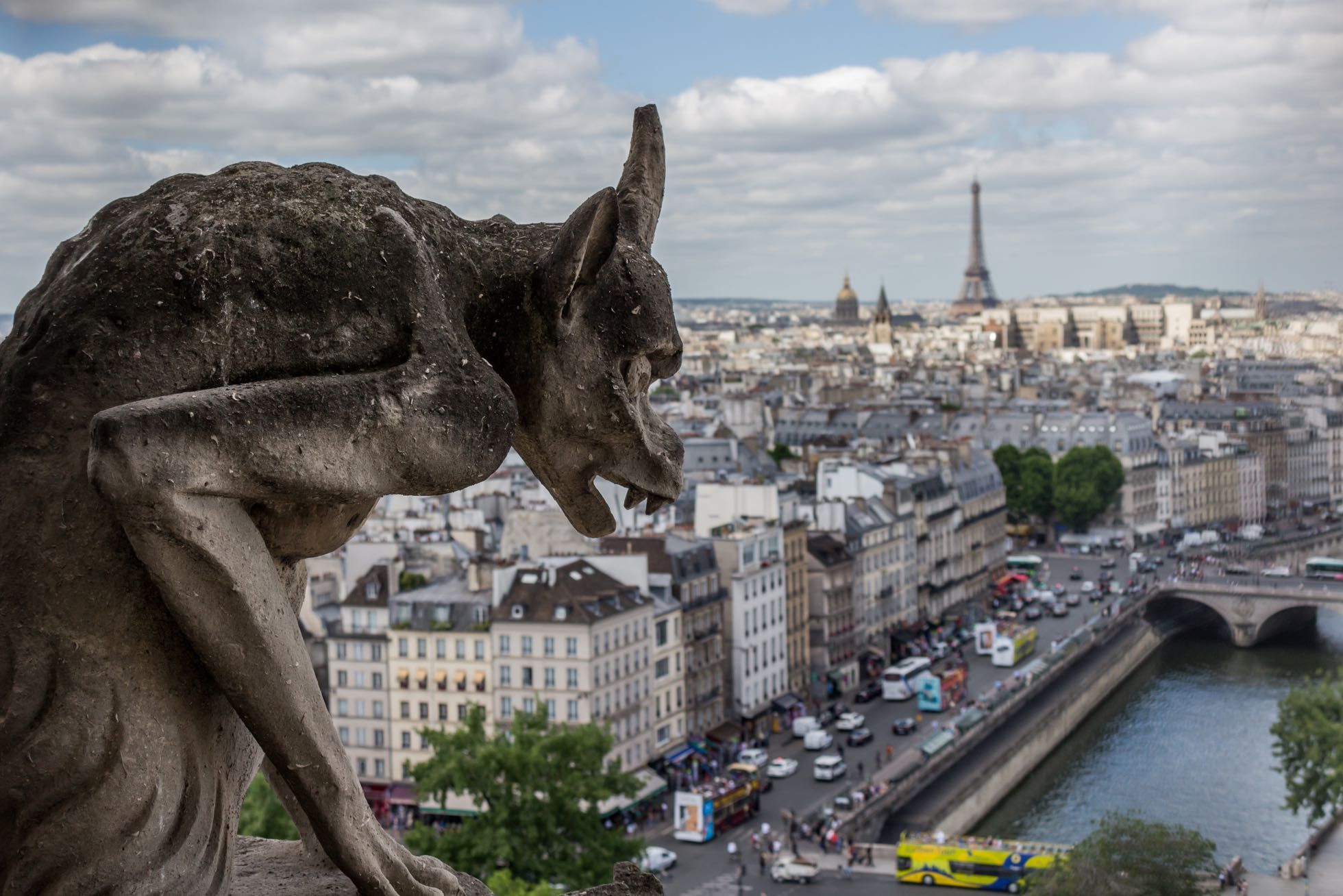
This is both a symbol of France and a symbol of medieval [European] civilization, but not only it at all. I think that this value of Notre Dame, laid down during the last capitings, creates in our collective consciousness, as well as in the unconscious the effect that we all now feel-this gaping emptiness and unwillingness, that tomorrow begins if the cathedral does not become. This is due to the fact that in the body of the Christian world, if not a heart, then something very important. Very scary.
In the First World War, the Reim Cathedral was very much affected, many stained glasses died, [Mark] Chagall then made new ones. Even in the Second World War, which Middle Ages brought more losses than the entire previous story, the Cologne Cathedral miraculously resisted. Aviation destroyed the whole city, 12 of the 15 Romanesque churches died, but the Gothic cathedral resisted. Yes, Germany was very affected, partly Italy. But this was what is in French called à la Guerrere Comme à La Guerre, in war as in war, it is more or less clear what and why. But so that a whole civilization burned in front of your eyes - I don’t remember this at all.
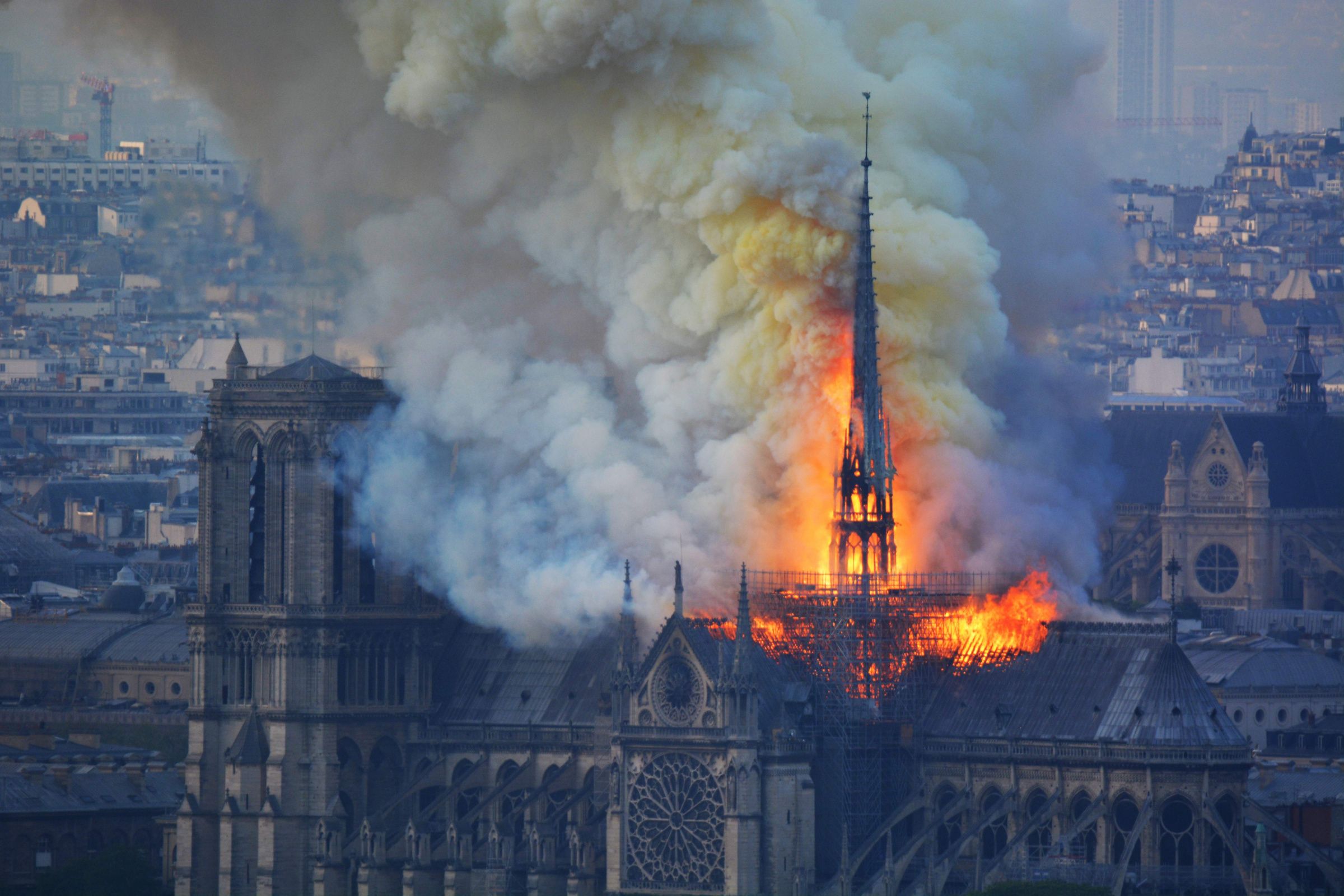
If the walls are preserved, then, according to my ideas, we can assume that the temple will be restored. His roof will not be the original medieval, but its system is well known and well studied quite well. So all this can be possible, as they say, Restituere in integrum - return to its original state.
If the walls collapse, it is possible to restore the cathedral from the same stones as we restored the Savior of the Savior of the Emergency Image in the Holy Andronic Monastery in the 1960s. You come there and see that this is a temple of the 15th century, because the stones are those. The stones are alive, they remember both the warmth of the hands, and the steel of the chisel. Even if they got everything, then let them be pricking from the fire, but do not burn. The only question is how much will remain.
Recorded Dmitry Kartsev