
Translated material
Protest continues in Sudan - with new requirements
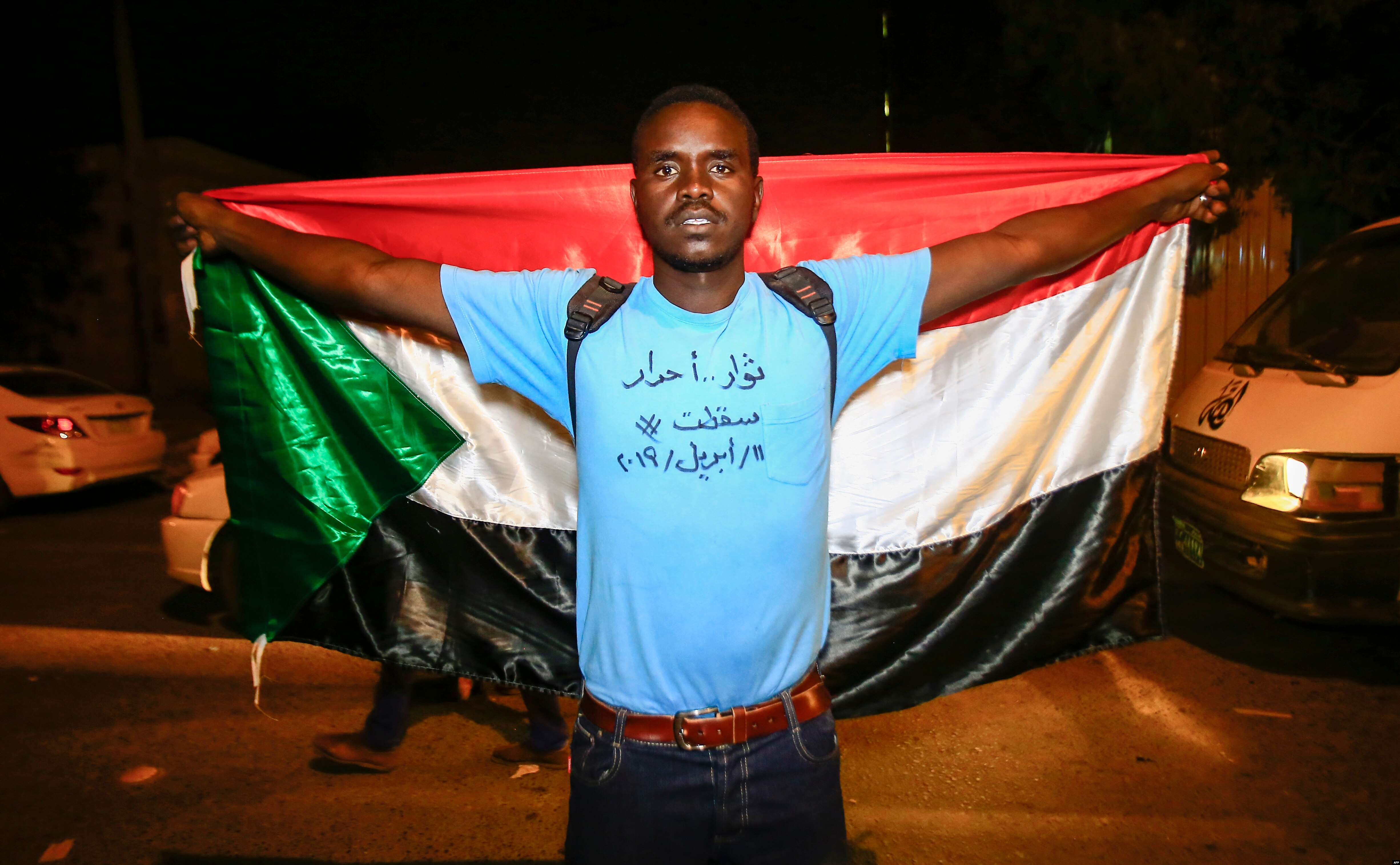
In Sudan, the organizers of mass protests called their supporters to "mobilize" because of the military attempt to disperse a sedentary strike near the building of the Ministry of Defense in the capital of the country of Khartum. Thousands of people set up a camp there with a demand for a quick transition to the civil government after Omar al-Bashir was overthrown last week from the military post. According to eyewitnesses, military vehicles surrounded the area with the intention to remove the barricades erected by the protesters.
The day before, the organizers of the manifestations presented the military list of their requirements, including the trial of all former prominent representatives of the regime.
Last weekend, at least 13 people were killed during an armed attack on protesters in the province of South Darfur. According to the Central Committee of Sudanese doctors, over the past week, at least 35 people died in clashes with security forces, which have repeatedly tried to disperse a sedentary strike.
On Sunday, April 15, the head of the Military Council of Abdel-Fattah al-Burkhan announced the dismantling of everything related to the regime of the former president. He noted that a coordinated civil government will be formed in the country, and the transition period will last two years. He also said that the detainees during demonstrations in the country would be released, and promised to attract all those involved in the murder of demonstrators. He also announced the abolition of the pre -introduced commandant and emergency in Sudan.
Earlier, the Military Council stated that representatives of the previously ruled party "National Congress" will not participate in the formation of the future government. In addition, the Central Bank of Sudan announced the freezing of all accounts of the presidential office and both chambers of the parliament.
On Monday, General Hashim Abdel Muttalib took the post of chairman of the United Committee of the chiefs of staff of the country. In addition, permutations were carried out in the special services: Abu Bakr Mustafa was appointed the new head of the security and intelligence service. The former head of the service on the eve of resigned.
- In December, anti-government rallies began in Sudan due to increase in fuel prices and products. Protesters called on the military to distinguish between the president and his government. On April 11, the arrest of al-Bashira, the dissolution of the government and parliament and the suspension of the country's constitution were announced. The army formed a military council at the time of the transition period, which, according to the military, will last two years to prepare free elections and avoid chaos. The military expressed consent to dialogue with protest forces.
- Omar al-Bashir ruled Sudan since 1989. He himself came to power as a result of the coup. The International Criminal Court charged him with massacres during the conflict in the province of Darfur.
- Al-Bashir repeatedly visited Moscow, and Sudan, under his leadership on many issues, supported Russia's position. In the country there were Russian military specialists. According to a number of messages, there were also fighters of the so -called "PMC Wagner". Whether the Russians associated with law enforcement agencies are now unknown there.