
Translated material
The United States will limit Russians access to one of the most prestigious Fulbright scholarships
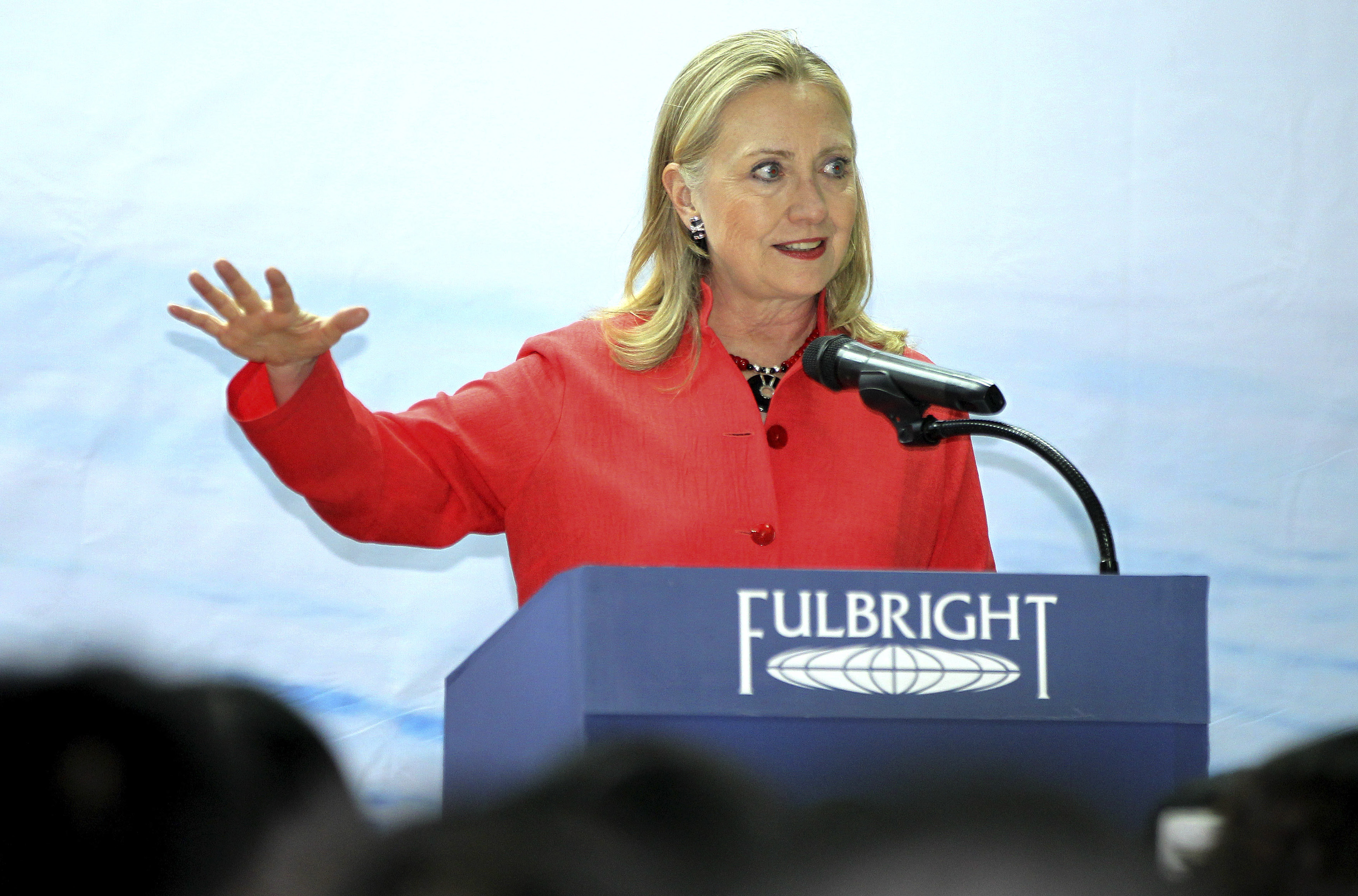
Employees of Russian universities, colleges and schools financed by the state will not be able to get a prestigious American scholarship in FulbRight in 2019–2020. In addition to Russians, access is limited to citizens of North Korea, Eritrea and Syria.
Applicants must confirm that they work for private educational institutions or are tutors. This Bell was reported by the director of Fulbright programs in Russia Joel Erickson.
Students of state universities were allowed to submit a scholarship application. The final decisions, according to Erickson, will be adopted by the Law Department of the US Embassy.
Erickson's letter was published on Twitter, journalist Kevin Rotrok.
Bad News for US-Russian Educational and Cultural Exchange: The Trump Administration Has Pulled the Plug on Russian State Employees%27 Access to @fulbrightPrgrm %27S FLTA Program. IF YOU WORK FOR ATATE University, You%27RE OUT. pic.twitter.com/tec1urmfe5
- Kevin RothRock (@kevinrothrocrock) April 5, 2019
In a letter, Erickson explains that the reasons for the restrictions were the requirements of the US Donald Trump signed by President Donald Trump in November last year. It states that in 2019 the United States will not provide "financing to participate in educational and cultural programs to officials and employees of the state."
This affected only four countries: Russia, Syria, North Korea and Eritrea (the list is reviewed annually). These states do not comply with the requirements of the "law on the protection of victims of human trafficking and violence," the document says. Russia fell into this list, since, according to the US State Department’s report, “labor camps” for workers from North Korea, where they worked in slave conditions, acted on its territory.
The representative of the US Embassy in Moscow confirmed that employees of Russian state institutions will not be able to participate in most exchange programs. In addition to Fulbright, 12 more exchange programs are indicated on the website of the US State Department, in which Russians can take part.
The Fulbright program has been working in Russia since 1973, notes The Bell. In particular, on it you can get full grants for studying at the magistracy and for advanced training programs for university teachers and English teachers. In the past 12 years, the most scholarships in Russia have been awarded to employees of state universities and research institutions that the state finances. About 35 Russians receive Fulbright scholarships per year. Under the terms of the program, they are all required to return to Russia for at least two years.
In September 2014, the Russian government decided to withdraw from the Flex International Educational Program . The reason was the non-return of one of the children participating in Russia. For more than two decades, this program has allowed thousands of high school students and students of Russian educational institutions to visit the United States, live in American families, study and participate in public life for one school year.