
Translated material
Finland moved from the center
In the parliamentary elections in the country of Suomi, the Social Democrats regained their leadership
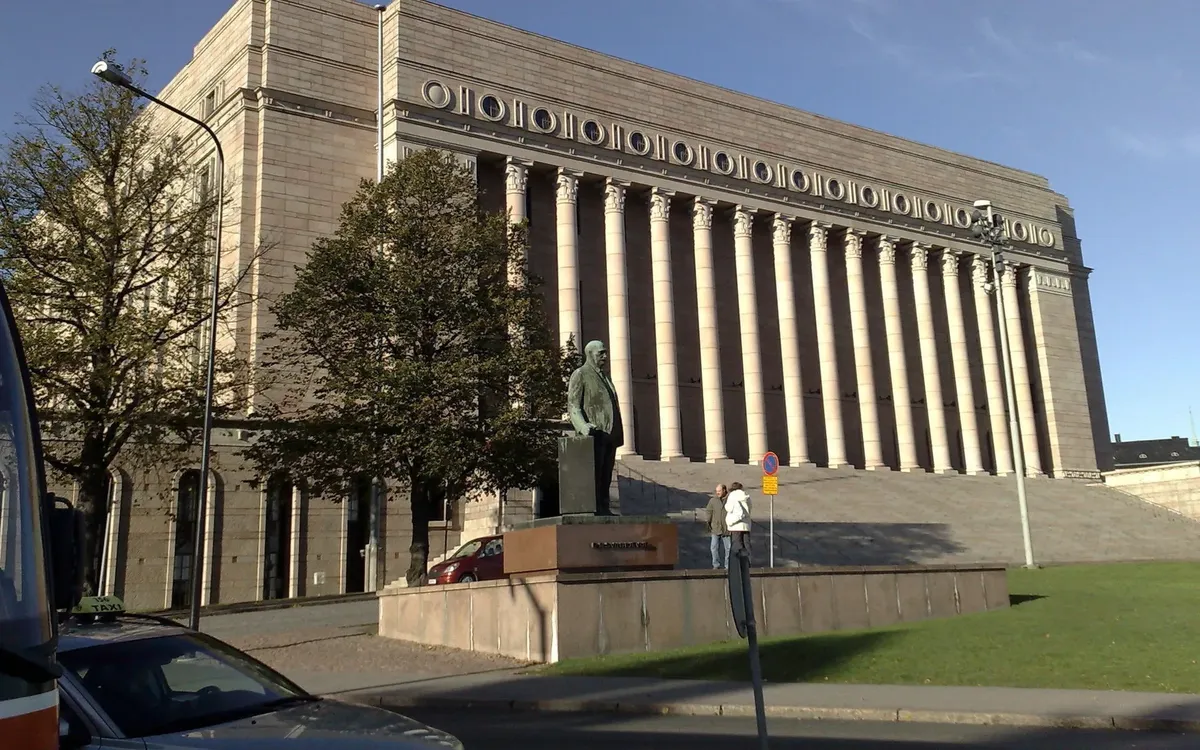
If you mix blue and red, it turns out purple. Blue is the color of the right populists who took second place in the past elections to the Finnish parliament. The voters are tired of the centrist government, and now the nationalists will have to create a coalition with the Reds-Social Democrats.
Not getting used to new governments
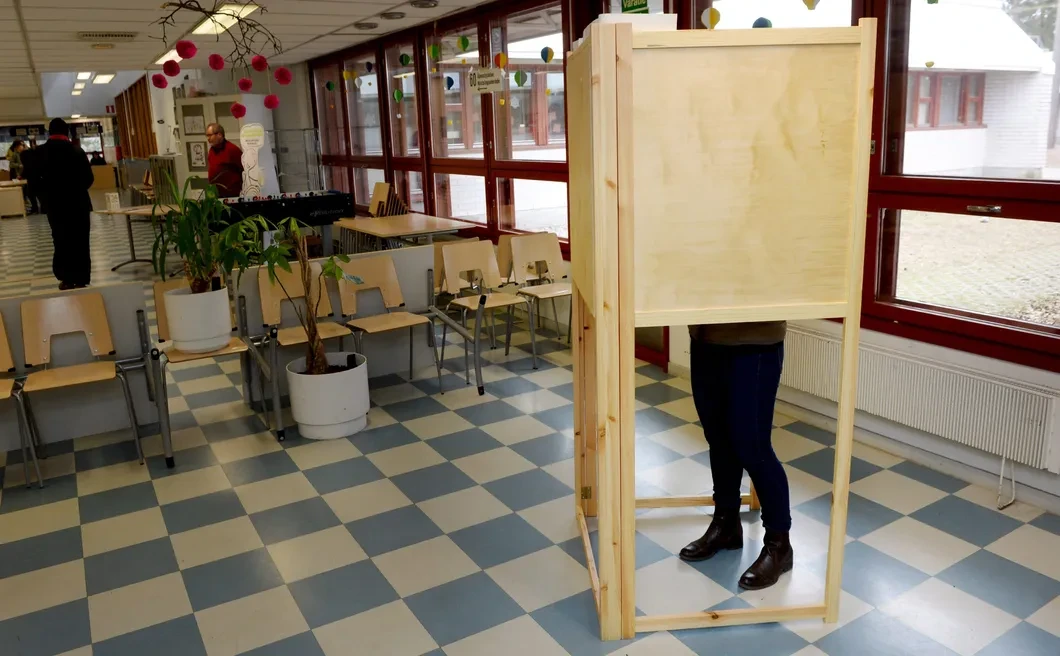
The thirty -eighth parliamentary elections in Finland were held on party lists. The voice counts both for the party and for a specific candidate. In the one -token parliament of Finland, 200 seats. It is chosen for four years. The parliament is elected by the Prime Minister, who is claimed by the president.
After each parliamentary elections, the prime minister resigned with the office. However, this time the government of the Central Bank of Yukh Sipila went earlier, primarily because it could not carry out the health care reform. However, such resignations for Finland are not a sensation: for more than 100 years of independence, 74 governments were replaced here.
In the past elections in 2015, the Finnish Center party received 49 out of 200 seats. With the National Coalition (Right -Procedureists) and “True Finns” (nationalists), they were able to form the government, although before that four years were in the opposition. This year, early voting in Educunta (Finnish parliament) took place in early April. The turnout amounted to 36.5%, or more than one and a half million voters. By the way, in these elections a record number of voters of foreign origin is about 100 thousand people, and about 30 thousand of them are Russian -speaking.
In total, 2500 people were running for parliament - 300 more people than in the 2015 elections.
Warming and vegetarianism
Finland is one of the most prosperous countries in the world, but there are problems here. Only a third of citizens have their own housing, and the rest pay a mortgage or rent, which grows every year; The issue of ensuring a worthy old age is acute - the debate about whether the nursing or private houses should be constantly.
One of the most sick of the last years has been the issue of migration. The Party "True Finns", for example, offers to allow moving to the country only to those who can prove income above 3000 euros. In 2018, the party’s rating rose against the backdrop of the scandal when the police detained migrants who raped schoolgirls. One of the victims committed suicide.
Politics of unity also have no climate change. Environmental friendliness and trembling attitude to the environment for Finland is a matter of national significance. According to “True Finns”, the country is extremely little affected by the problem of global warming, and therefore this is the only one of the major parties opposing the participation of the country of Suomi in the Parisian Climate Agreements of 2015. The countries that have ratified this agreement, among other things, took on the obligation to “make efforts” to restrict the growth of the average temperature in the world. The Green Union advocates increasing excise taxes on fuel, and social democrats for reducing the production of fossil sources. The Union of Left Forces requires prohibiting the sale of cars with an internal combustion engine and producing cheaper ecomachines.
There is no consent in the country about how and what should be eaten. After the statements that processed meat is a carcinogen, in Finland, at the state level, they started talking about the need to switch to vegetarianism.
Christian democrats offer to reduce VAT on vegetables and fruits, and the Swedish People’s Party believes that the population itself can make a reasonable choice with the necessary education.
Finally, only two parties - the Swedish People’s Party and the National Coalition Party - advocate that the country enters NATO.
Loose voices
After counting the votes on April 15, places in Eduskunt were distributed as follows:
Social Democrats-40 (+7),
"True Finns" - 39 (+1),
Right -centers (kok) - 38 (+1),
Social Liberals (Kesk)-31 (-18),
"Green Union" - 20 (+5),
Democratic socialists (VAS) - 16 (+4),
The Swedish People's Party - 9 (0),
Christian democrats - 5 (0),
National conservatives (sin)-0 (0),
Extra -party - 2 (+1).
The turnout was 72%.
The election results were almost fully consistent with the polls. However, the Social Democrats hoped for more than the advantage in one mandate. These graphs show that the same Swedish People’s Party was supported in the border Western districts, and the “Green Union” and democratic socialists in the north of the country. The main backbone of voters is concentrated in the south, where the capital of Finland is located.
On the infographic of the largest newspaper of Finland, Helsingin Sanomat shows that the most support of the Social Democrats use the country's southeast. Coastal areas vote for the Swedish People’s Party. The largest parties in Helsinki were: “Green Union”, legal entities, social democrats and the Swedish People’s Party.
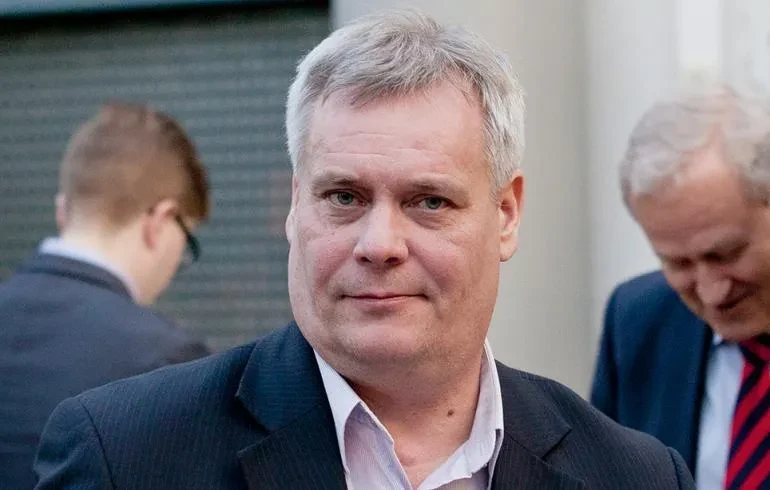
Social Democrats until 1999 were the largest faction in parliament. Now they share this place with nationalists, and the leader of the SDPF Anti Rinne has already stated that he did not want to work with “true Finns”. But the centrists were defeated. In the office of the Prime Minister of the Jukh Sipil, six portfolios belonged to the “Finland Center”, and four “true Finns” and right-centers. In 2017, the “true Finns” split, and their ministers went to the new party - the “blue future”. However, these elections showed that the future of the “blue” is unenviable - they did not receive a single mandate. On the contrary, the leader of the True Finns, Jussi Khalla-Aho, gained the most votes of voters.
Officially, the election results will announce on April 17. The government will not form three, as usual, but five parties, among which are now “green”. On April 26, a representative will be selected who will hold preliminary negotiations on the composition of the new government (the leader of the Social Democrats Anti Rinne claims to this role). By May 2, he must announce the coalition option, and on May 6 negotiations will begin on the formation of the Cabinet of Ministers.
Sergey Kagermazov , - correspondent "Echo of Moscow in St. Petersburg", especially for "New"