Translated material
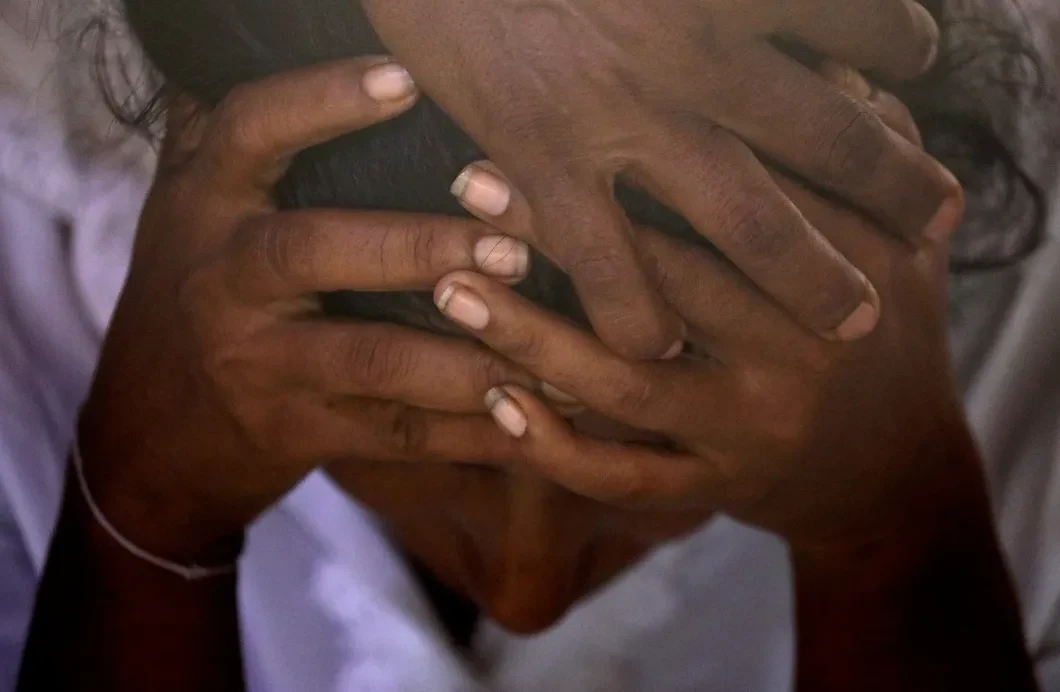
The country is in a daze
Sri Lanka authorities could not prevent the bloody attack in Easter: more than 300 dead and 500 wounded
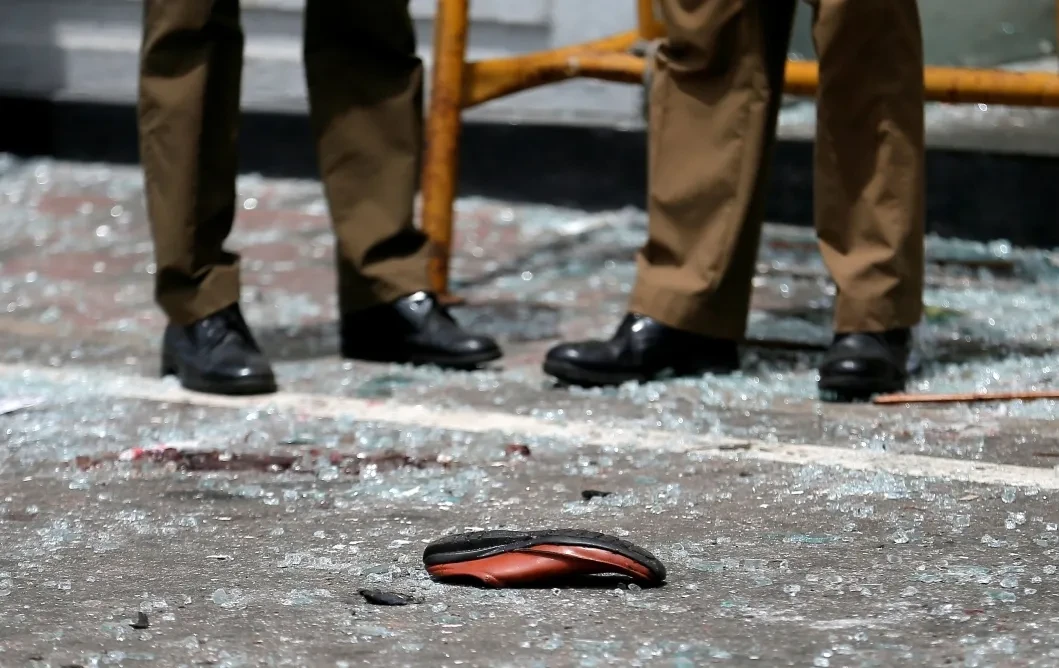
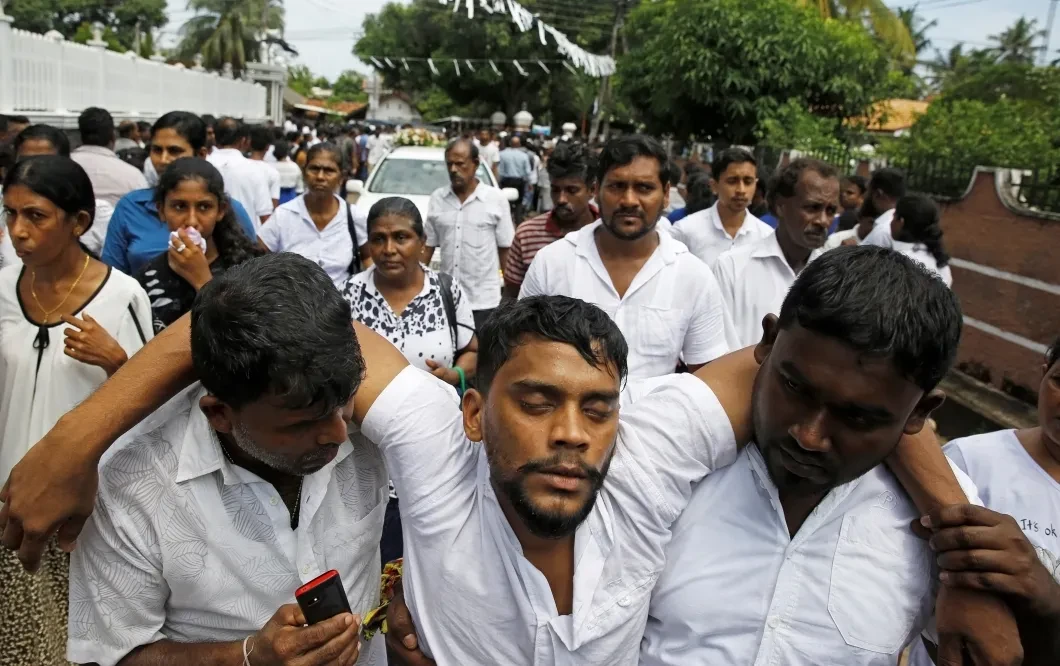
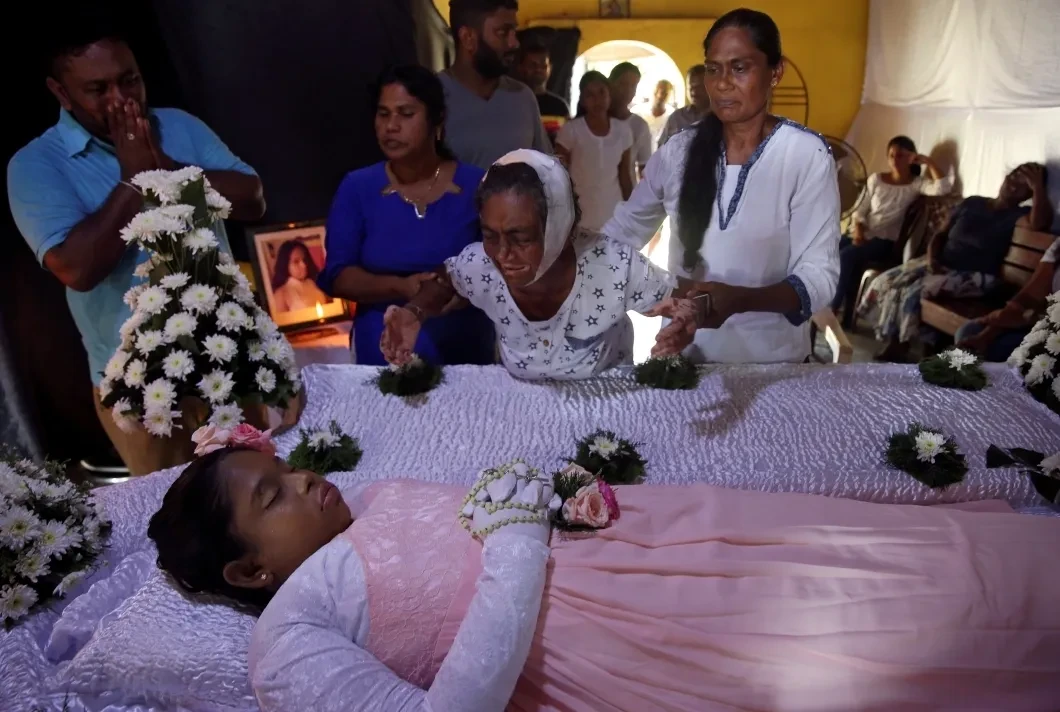
Today, Sri Lanka hosts the mass funeral of the dead as a result of a series of terrorist terrorist terrorists on April 21, on Easter Sunday. National mourning has been declared in the country. According to the latest data, the number of dead is 321 people (38 of them foreigners), 520 people were injured. Among the dead there are many children. This attack is already recognized as one of the most bloody in recent history.
Explosions thundered in the largest city in the country of the capital of Colombo, as well as in other cities one after another. The first six occurred in the morning in three fashionable hotels in the country and in three Catholic churches, where thousands of people gathered for Easter service.
Only in the Cathedral of St. Sebastian in the town of Negombo, located a little north of the capital, several dozen parishioners were killed, and the church itself was almost completely destroyed. A little later, in the west of the island, the seventh explosion occurred, and then the eighth - not far from the zoo in the suburbs of Colombo.
Sri Lanka is a polyreligious country: 70% of the population-Buddhists, 12%-Hinduists, 10%-Muslims, 6%-Catholic Christians. In total, about 22.5 million people live on the island. Before gaining independence in 1948, Sri Lanka was first Portuguese, then the Dutch, and then the British colony. Although the majority of the population of Sri Lanka are Buddhists, given the history of the island, for several centuries there are a Christian community that plays an important role in the life of the country for several centuries.
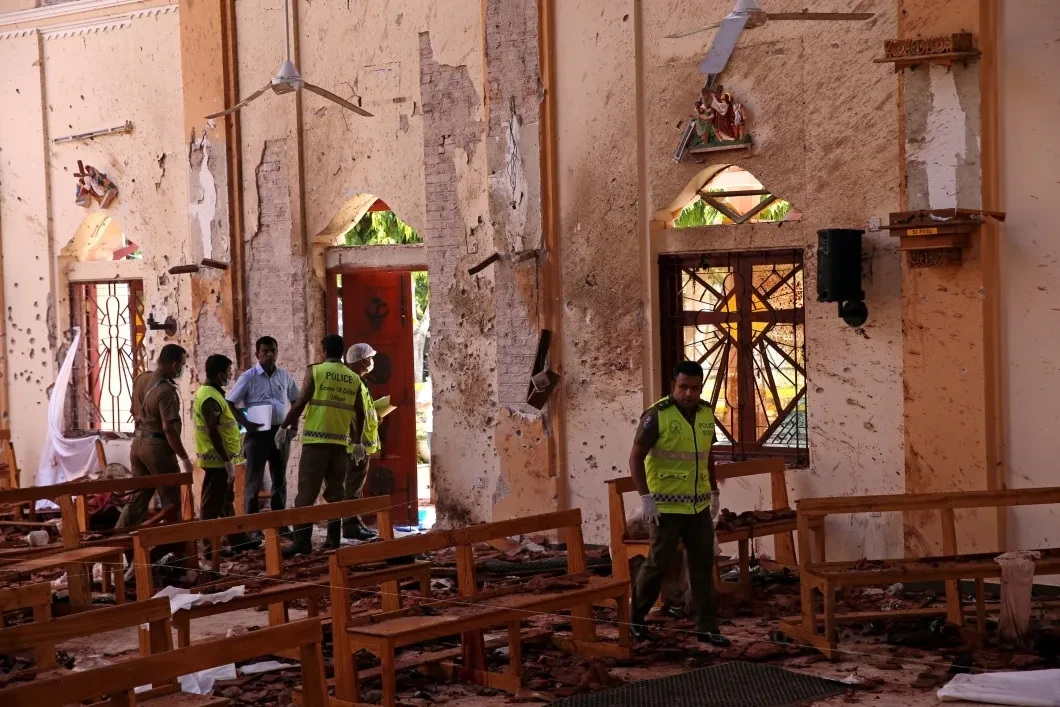
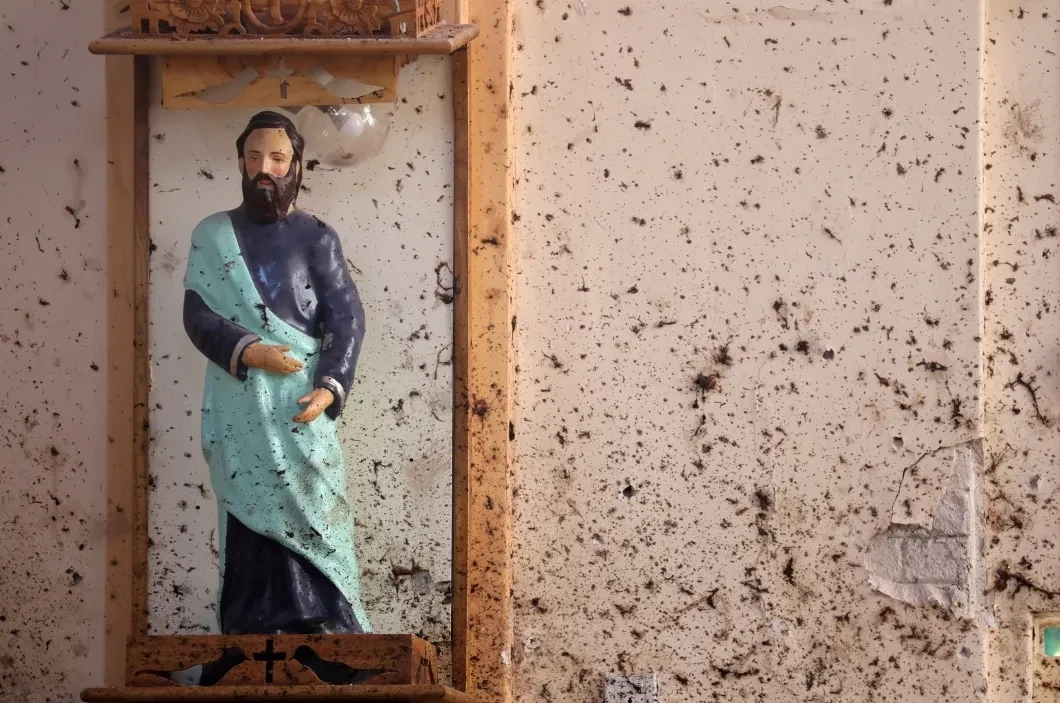
On Tuesday, April 23, speaking at an emergency meeting of the parliament, the Minister of Defense of Sri Lanka Ruvan Vezhevarden said: “According to preliminary data from the investigation, explosions are the retribution of radical Islamists for the terrorist attack in New Zealand.”
(Let me remind you, on March 15, right -wing extremists shot the parishioners of two mosques in the small New Zealand town of Krastschersh. 50 people died as a result of the attack.)
The Minister of Defense also emphasized that “all the explosions were committed by local residents. Seven suicide bombers were involved in terrorist attacks. Already now it is clear: the attacks were carefully planned and organized. They were coordinated from the outside. " Explain more details on what it means from the outside and why the investigation came to such conclusions, he did not, referring to the secret of the investigation. The Prime Minister Wound Vikmasinghe said that the country will need the assistance of foreign intelligence services to identify possible foreign ties of terrorists.
The militants of the Islamic state (the organization is prohibited in Russia) took responsibility for terrorist attacks.
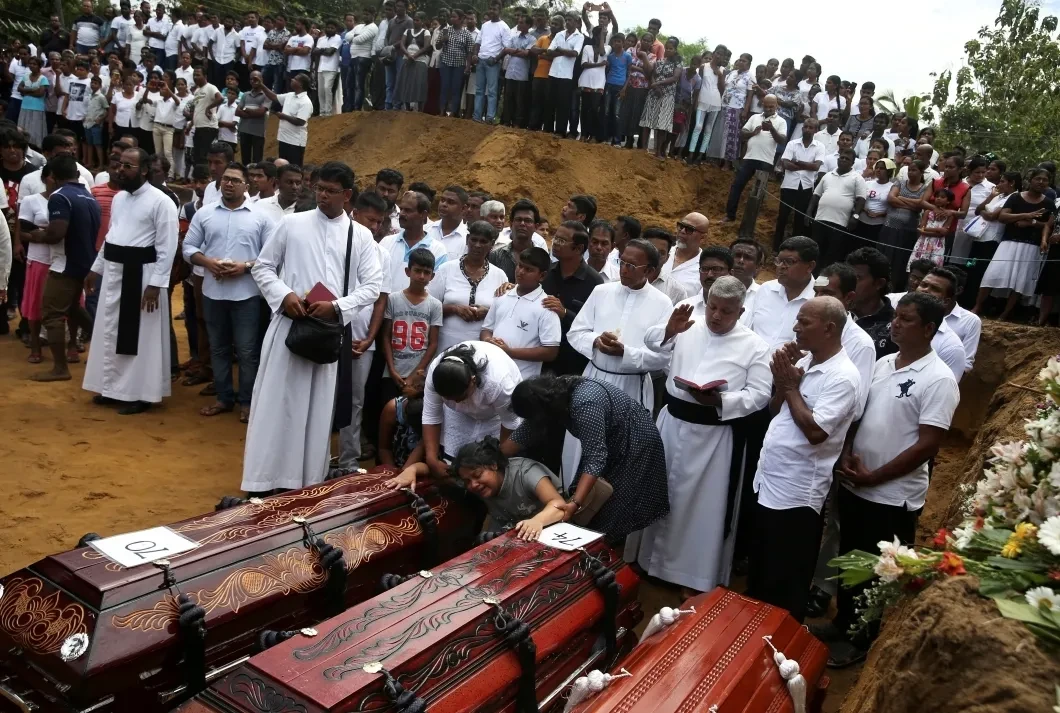
However, the authorities suspect the Srilanki group "Jamaat at-Tauhid al-Vaty" ("National Unity", prohibited in Russia). This small little-known Islamist group arose several years ago on Sri Lanka and, according to some reports, is associated with the Al Caida International Terrorist Organization (the organization is prohibited in Russia). About a year ago, one of the leaders of this organization Abdul Razik was arrested by the police for inciting hatred and racism, but he was soon released.
Before Easter Sunday, this organization took responsibility for conducting acts of vandalism and desecration of the statues of Buddha.
The story of an eyewitness to Colombo
Maya, witness: "The country is in a daze"
- After the first morning explosions, the city seemed to paralyze. All restaurants, markets and shops closed. Public transport stopped walking, the streets were empty. Only around the hospitals it was crowded: residents expressed a desire to donate blood for the wounded, the acute lack of which was found in the very first hours.
The country's authorities immediately blocked all messengers and social networks, and interruptions in telephone communications began. All the forces of national security were immediately mobilized. The police and the military conducted searches, including in hotels. Searched politely. I was surprised that the police were not even armed after such horror. At first, confusion was happening at the airport, tourists massively left Sri Lanka.
And in general, the country is in the deepest shock and numbness. People have not yet fully realized the scale of the tragedy.
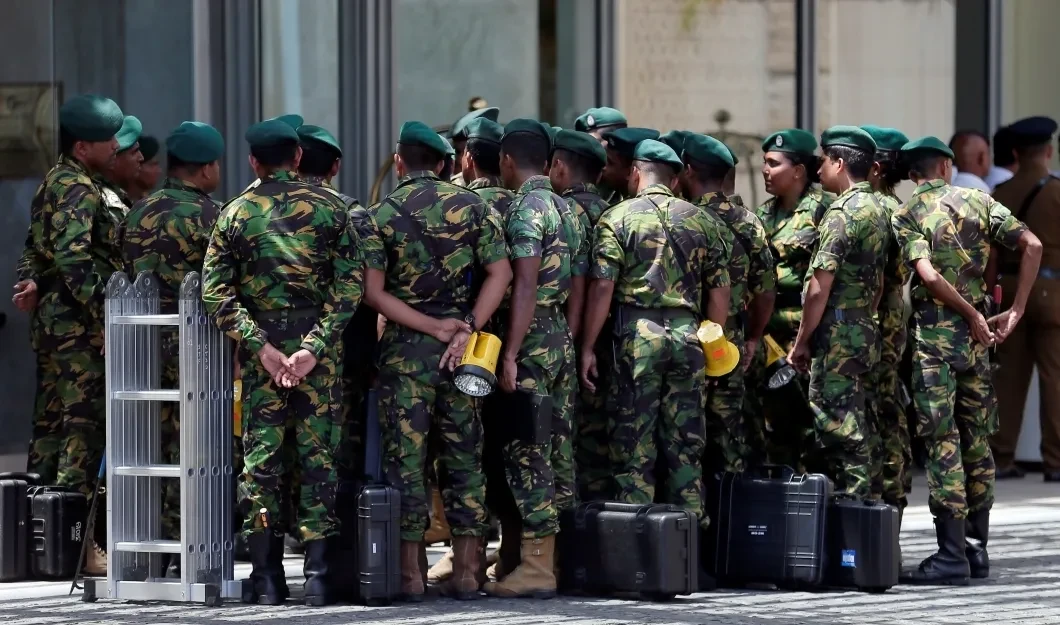
Immediately after the explosions, the police and the military began to comb the capital. Several more bombs were neutralized, including one on the way to the international airport and the other at the central bus station. About a hundred detonators were also discovered. Now in the capital there is a commandant hour. An emergency regime has been introduced throughout the country, which gives the police the right to arrest and interrogate the suspects without the presentation of the warrant. And the National Security Council decided to expand the powers of the police and the military.
There are searches throughout the country. 40 people have already been detained, among them one native of Syria, as well as the driver of the van, who was allegedly used by suicide bombers.
The personality of one of the suicide bombers who made an explosion in one of the hotels was established. It turned out to be a local resident of Insan Silawan, the owner of the factory in the suburbs of Colombo.
The archbishop of the city of Colombo Malcolm Ranjid accused the Prime Minister and the government of the country that they, knowing the possible attacks, did not take any action to protect the population.
According to media reports, on April 4, foreign special services informed the government about possible terrorist attacks.
And on April 9, the Ministry of Defense of India transmitted the information of the Srilanki police about the preparatory explosions precisely by the Jamaat At-Tauhid al-Vaty group and precisely in relation to Christian temples. Moreover, there was even a list of suspects. However, this information was ignored. Neither in the hotels where there were terrorist attacks, neither in churches, nor in other places of mass accumulation of people, security measures were strengthened.