
Translated material
Oil spot on "Friendship"
The Belarusian refinery was at risk. Foreign partners count losses
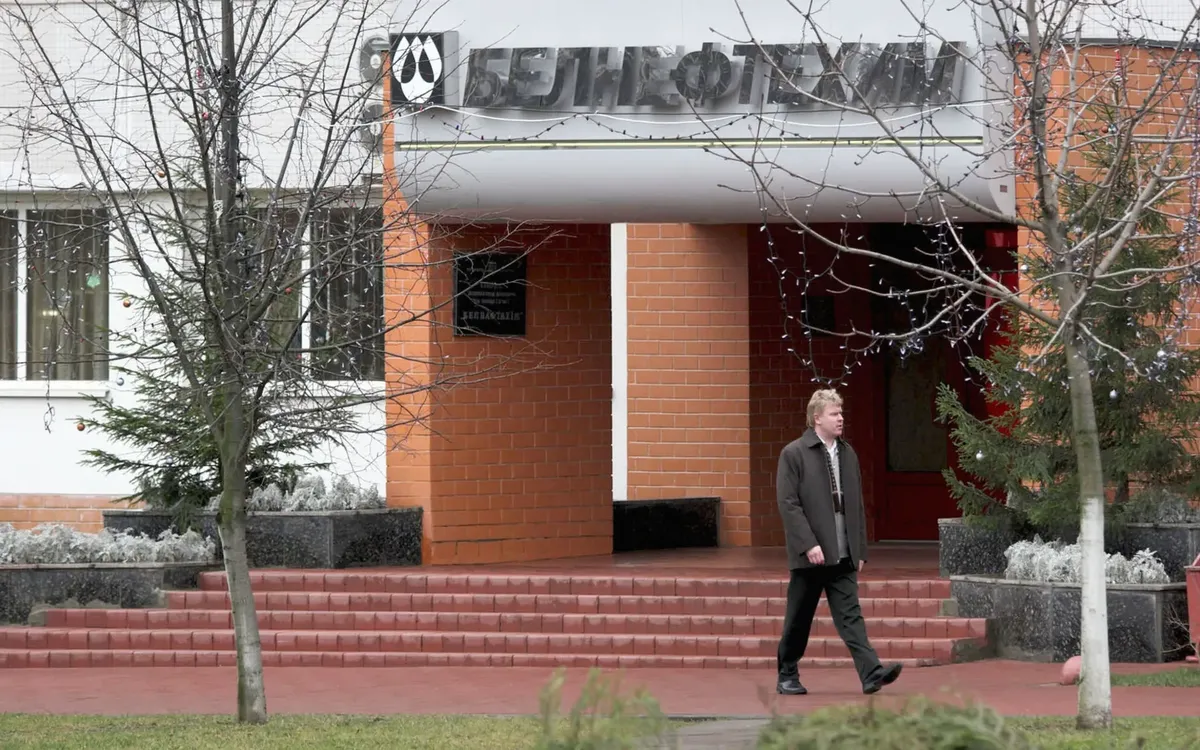
On the evening of April 19, the Belneftekhim concern demanded an official meeting with representatives of the Russian Transneft about a sharp deterioration in the quality of Urals oil, which is received by the Druzhba oil pipeline in recent days. According to Marina Kostyuchenko, the Belneftekhim spokesman, chlorganic compounds in oil coming from Russia are ten times higher than the limit values according to the standard. The selection of oil samples and the design of the quality of the passport took place in the presence of the representative of Transneft.
Oil processing of this quality, Kostyuchenko said, can lead to a violation of the technological modes of operation of the refineries. At the weekend, Belneftekhim calculated the level of possible losses from deterioration in oil quality, and two Belarusian oil refineries in Mozyr and Novopolotsk - 50% reduced oil refining and announced a threat of equipment damage. The increased content of chlorological compounds, explained by the experts of Novopolotsky “Naftan”, and will enhance the corrosion of the equipment. The primary oil refining plants that take export raw materials, as well as hydraulic purification installations, catalytic reforming, and isomerization of gasoline fractions are the first to suffer. In addition, the chloride of chloride in quantities exceeding the permissible will cause irreversible deactivation in catalytic systems, which will lead to a stop and prolonged downtime of the refineries.
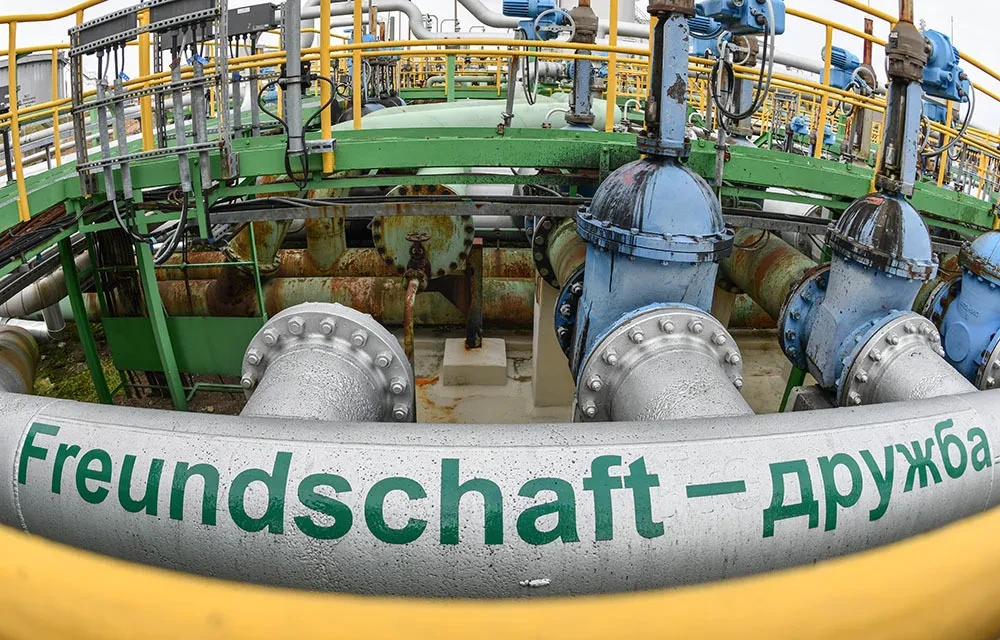
All this was explained at the away meeting of the government operational headquarters. Oleg Borisenko, General Director of GomelTransneft Friendship, said that transneft representatives signed a bilateral act and admitted that the source of oil pollution was found on the Samara -Uncha section. In the near future, Belneftekhim and Transneft should discuss technical and compensatory issues. On Tuesday, representatives of Belneftekhim and both oil refineries flew to Moscow.
And on Monday, information appeared on the website of the Mozyr refinery that expensive equipment was out of order due to poor-quality Russian oil: “The poor quality of the processed raw materials affected the work of equipment. So, on 04/20/2019, at the installation of LK-6U No. 2 of the S-100 section, the passes of heat exchange tubes of the HK-105 air refrigerator, consisting of six sections, were identified. The repair and mechanical production of the enterprise carried out the dismantling of the specified equipment and began repairing. A preliminary commission examination with the participation of representatives of the Belneftekhim concern, the GNU “FTI NAN Belarus”, the Belarusian Chamber of Commerce and Industry, the Mozyr department of the GOU Gospromnadzor and OJSC “Mozyr NPZ” established signs of corrosion destruction of heat exchange tubes. ” Further
The press service of the plant assured that, despite the damage, the company still produces high-quality products that meet international standards.
On the morning of April 23, the Deputy General Director of the Belarusian Oil Company, Sergei Grib, said that Belarus suspended the supply of light oil products to the Baltic countries, Poland and Ukraine: during the sowing, it is necessary to provide its own needs. Exactly an hour and a half later, Belneftekhim, Igor Sizov, said that polluted oil pumped through the Belarusian territory began to enter the European Union and Ukraine. And the chief engineer of GomelTransneft Friendship, Andrei Verigo, is that the export of low -quality oil continues in all directions and that no one will make any complaints to Belarusians: all foreign partners will be warned and the importers will understand directly with the supplier - Transneft. So Belarus is not the only state that now calculates losses and determines the order of the numbers of future compensation.
Andrei Vorigo also denied the words of the representative of Transneft that the situation will be corrected within two to three days. He explained that if the source of pollution is in Samara, then from there to the Belarusian border is almost one and a half thousand kilometers, and the oil flow rate in the pipeline is 6–7 kilometers per hour. And this means that it will take at least 8-10 days to replace poor -quality oil.
And it is also incomprehensible what will now be with the volume of contaminated oil, entered in Belarus and continuing to enter Europe. In Belarus, more than 700 thousand tons of "chlorological" oil accumulated. What to do with raw materials is another question that the leaders of Belneftekhim and Transneft will discuss at the meeting.
This whole story with politics and bilateral relations of Russia and Belarus is in no way connected. But this is for now. It is unlikely that anyone will be surprised if suddenly the figure of the losses of Belarus for poor-quality oil coincides with the one that called the local government as compensation for the Russian tax maneuver.
Minsk