
Translated material
Vladimir Milov: "Competition against a monopoly"
Vladimir Milov 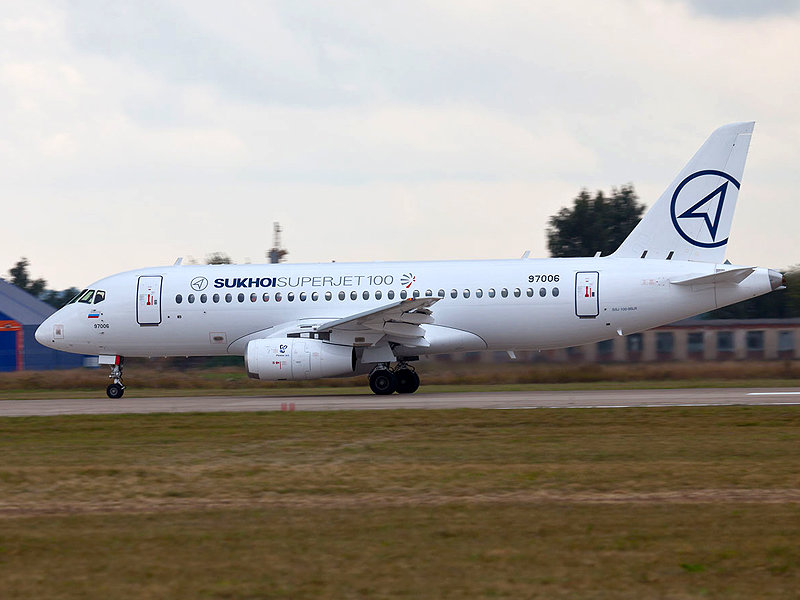
“It is interesting to observe the defenders of the Superjate“ and that, a normal plane, others also fall, ”writes the economist and politician on his Facebook page.
"Two major gaps in their reasoning:
1) "There is only one disaster for the entire time of operation" (not counting the Indonesian, where there really was a pilot's mistake). Well, given what a short time it is operated, how few aircraft flies, and how much time the operated superjaches are on the ground - one disaster is already a lot. And calculate more refusals and emergency landings - how many times the pilots managed to save the situation with numerous failures - well, there is nothing to say here.
2) In general, not a word about how the plane could refuse all automation and radio communications (this should not happen with a normal aircraft). They blur this topic, translate to pilots' mistakes, begin to be shared by passengers for grabbing the baggage (briefly on this topic: our airlines are very weak on this topic and many of our people often fly, a clear understanding that you can’t grab bags in such a situation, have not been developed).
But this is all a separate conversation - but the fundamental question is that all the on -board systems should not refuse a normal aircraft, neither the lightning strike, nor nothing. This is the central question.
I repeat once again the economic and managerial side of the issue:
- It was necessary to initially rely on competition in civilian aircraft industry - TU, IL, AN and cooperation with Ukraine, these military projects on conversion (Sukhoi, Irkut). Who will be better to pull out - help with it, and not bet on one monopolist.
- It was necessary to initially make an orientation to the international market and export supplies, and not create a greenhouse conditions at home to the manufacturer, forcing their airlines to buy this plane regardless of problems, and thereby relaxing the manufacturer and stimulating it to poke the customers of shit.
This is the basics. Competition against a monopoly. "